How Long to Bake Banana Muffins: Complete Temperature & Timing Guide
Banana muffins are a simple treat that anyone can bake at home. But knowing the right baking time makes the difference between dry, crumbly results and muffins that turn out moist and tender.
Standard banana muffins bake at 350°F for 25 to 30 minutes, while mini muffins need only 12 to 15 minutes and jumbo muffins require up to 35 minutes.
Getting the timing right depends on your oven type, muffin size, and how much moisture your batter contains.
This guide walks you through the exact temperatures and times you need, plus how to test for doneness without guessing. You’ll also learn adjustments for different muffin sizes, recipe variations that add flavor, and storage tips to keep your muffins fresh for days.
Optimal Baking Time and Temperature
Banana muffins bake at 350°F (177°C) for 25 to 30 minutes in a standard muffin tin, though starting at a higher temperature of 425°F (218°C) can improve rise and texture.
Standard Banana Muffin Bake Time
Standard-sized banana muffins require 25 to 30 minutes at 350°F. You’ll know they’re done when a toothpick inserted into the center comes out clean or with just a few moist crumbs.
Mini muffins bake much faster at 12 to 15 minutes, while jumbo muffins need up to 35 minutes. The actual time depends on your batter’s moisture content—extra bananas or wet ingredients extend baking by 3 to 5 minutes.
Check for doneness starting at the 20-minute mark. Press the top lightly; it should spring back without leaving an indentation. The tops should appear golden brown, not pale or burnt.
Recommended Oven Temperatures
350°F (177°C) is the standard temperature for banana muffins and produces even baking throughout. This temperature allows the interior to set properly while the exterior develops color.
425°F (218°C) works as a starting temperature for the first 5 to 8 minutes, then reduce to 350°F for the remaining 15 to 20 minutes. This two-stage method creates taller muffins with domed tops and better texture.
Always preheat oven fully before baking—at least 15 minutes for accurate temperature. Placing muffins in a cold oven causes uneven rising and dense texture.
Time Guidelines for Different Ovens
Convection ovens circulate hot air and bake 5 minutes faster than conventional ovens. Reduce your baking time to 20 to 25 minutes at 350°F or lower the temperature by 25°F.
Conventional ovens require the full 25 to 30 minutes. Place your muffin tin on the center rack for even heat distribution. Avoid opening the oven door before 20 minutes to prevent temperature drops.
Gas ovens may have hot spots that cause uneven browning. Rotate your muffin tin halfway through baking. If your oven runs hot or cold, use an oven thermometer to verify the actual temperature matches your setting.
Muffin Baking Guide
Type
Temperature
Time
Standard Muffins
350°F (175°C)
18–22 minutes
Standard (High → Low)
425°F → 350°F
(start high, reduce)
21–23 minutes total
Mini Muffins
350°F (175°C)
10–15 minutes
Jumbo Muffins
350°F (175°C)
25–30 minutes
Adjusting Bake Time by Muffin Size
Muffin size directly impacts baking duration because heat takes longer to reach the center of larger portions. Mini muffins finish in 10-15 minutes, standard muffins need 18-22 minutes, and jumbo muffins require 22-28 minutes at 350°F.
Mini Banana Muffins
Mini banana muffins baked in a 24-count tin at 350°F cook through in 10-15 minutes. Start checking at the 9-minute mark by inserting a toothpick into the center of one muffin. You should see a few moist crumbs, not wet batter.
Fill each mini muffin cup about two-thirds full to prevent overflow. The smaller portion size means heat reaches the center quickly, so these muffins can dry out if you leave them in the oven past 15 minutes.
Watch the tops closely. They should look dry and spring back when you press them lightly. Pull the tin from the oven as soon as the toothpick test passes, then let the muffins rest in the pan for 3-5 minutes before transferring to a cooling rack.
Standard-Sized Muffins
Standard-sized muffins in a 12-count tin at 350°F bake for 18-22 minutes. Most recipes land in this range when you fill each cup about three-quarters full. Test doneness by inserting a toothpick into the tallest muffin in the center of the tin.
Your muffin tin material affects timing. Dark nonstick pans absorb more heat and brown edges faster, often finishing at the 18-minute mark. Shiny aluminum tins reflect heat and may need the full 22 minutes for the crumb to set properly.
Look for golden edges and springy tops. If you use a thermometer, aim for an internal temperature of 200°F in the center of a muffin. Let the pan cool on a rack for 5-10 minutes before removing the muffins to avoid sogginess.
Jumbo Banana Muffins
Jumbo banana muffins in a 6-count tin at 350°F need 22-28 minutes to bake all the way through. The larger volume of batter means heat takes more time to penetrate the center, so start checking at 22 minutes and add time in 2-minute increments.
Test the center of the tallest muffin with a toothpick or skewer. If the edges brown too quickly while the center remains soft, tent the pan loosely with foil after 20 minutes and continue baking. This protects the tops while the interior finishes cooking.
Jumbo muffins benefit from visual cues. The tops should feel firm when pressed and show no wet spots. A thermometer reading of 200°F confirms the crumb has set without guesswork.
Factors That Affect Banana Muffin Baking Time
Several elements influence how long your banana muffins need in the oven, with moisture content, ingredient choices, and oven characteristics playing the biggest roles. Understanding these variables helps you adjust baking times for consistent results.
Moisture from Ripe Bananas
The ripeness of your bananas directly impacts baking time. Overripe bananas contain more natural sugars and moisture than bananas with minimal brown spots.
When you use very ripe or overripe bananas, expect to add 2-5 minutes to the standard baking time. The extra liquid in heavily spotted bananas takes longer to evaporate and set properly.
Three medium overripe bananas typically add about 1/4 cup more moisture compared to bananas that are just turning yellow.
Your batter consistency tells you what to expect. If it looks wetter and drips slowly from the spoon, plan for the longer end of the baking range.
Ingredient Mix and Add-Ins
Mix-ins change how heat distributes through your muffins. Chocolate chips, nuts, or berries create pockets that affect baking time differently.
Adding 1 cup of chocolate chips to a standard banana bread muffin recipe usually extends baking by 3-4 minutes. The chips create cooler zones that need extra time to heat through. Frozen add-ins require even more time—typically 5-7 minutes longer than room temperature ingredients.
Wet ingredients like yogurt or sour cream increase moisture content. Each 1/4 cup of additional wet ingredients generally adds 2-3 minutes to your total baking time.
Oven Variations
Your oven type determines actual temperature accuracy. Conventional ovens often run 10-25°F different from their dial setting.
Convection ovens bake faster due to air circulation, reducing baking time by 5 minutes or requiring a 25°F temperature decrease. Dark-colored metal pans absorb more heat and can finish muffins 3-4 minutes faster than light-colored or silicone pans.
Using an oven thermometer shows you the real temperature, letting you adjust accordingly rather than guessing why your muffins underbake or overbake.
How to Check Doneness for Banana Muffins
Properly testing banana muffins for doneness requires three methods: inserting a toothpick into the center, checking the top color and texture, and understanding the signs of both underbaking and overbaking. Using these tests together prevents common mistakes like dry tops or gummy centers.
Toothpick Test Explained
Insert a wooden toothpick or thin skewer straight down into the center of a muffin, reaching the bottom of the cup. Pull it out slowly and examine what clings to it.
A fully baked muffin shows either a completely clean toothpick or one with a few small, dry crumbs attached. If you see wet, shiny batter on the toothpick, the muffins need 3-5 more minutes in the oven.
The center takes longest to cook, so testing there gives the most accurate reading. Test at least two muffins in different spots of the pan since oven hot spots can create uneven baking.
Some moisture is acceptable—you want a moist crumb, not a dry one—so a few crumbs are actually ideal rather than a spotless toothpick.
Color and Texture Cues
The tops of finished banana muffins turn golden brown, not pale yellow or dark brown. Press the top gently with your finger; it should spring back immediately without leaving a dent or feeling wet.
A tender crumb inside shows proper baking, which you can verify by looking at the texture where the muffin has domed and possibly cracked naturally. The edges should pull away slightly from the muffin tin.
If the tops brown too quickly while the centers stay raw, reduce your oven temperature by 25°F and add 5 minutes to the baking time.
Pale tops after the expected baking time mean your oven runs cool—increase the temperature by 25°F for the next batch.
Avoiding Dry or Undercooked Muffins
Start checking muffins 3-5 minutes before the recipe’s stated time ends. Different ovens, muffin sizes, and ingredient ratios all affect timing.
Underbaked muffins sink in the middle after cooling and feel heavy for their size. The centers appear darker and denser than the edges. Adding 3-minute intervals of extra baking time fixes this without overdrying.
Overbaked muffins develop hard, dark brown tops and dry, crumbly interiors that fall apart. Remove muffins when the toothpick shows those few moist crumbs rather than waiting for it to emerge completely clean.
The muffins continue cooking for 2-3 minutes from residual heat after leaving the oven, which completes the baking process.
Step-by-Step Guide to Baking Banana Muffins
Making banana muffins requires preparing ingredients at room temperature, mixing wet and dry components separately, and filling muffin cups two-thirds to three-quarters full for proper rise.
Prepping Ingredients and Equipment
Set your oven to 350°F and let it fully preheat for 10-15 minutes before baking. Gather all-purpose flour (typically 1½ to 2 cups), baking soda (1 teaspoon), sugar (½ to ¾ cup), and spices like cinnamon and nutmeg if desired.
Take butter and eggs out of the refrigerator 30 minutes before mixing. Room temperature ingredients blend more smoothly and create better texture.
Mash 3 ripe bananas in a bowl until mostly smooth with small chunks remaining. Measure vanilla extract (1 teaspoon) and have it ready. Prepare a 12-cup muffin tin by greasing wells with butter or cooking spray.
Preparing Muffin Batter
Combine all dry ingredients in one bowl: all-purpose flour, baking soda, salt, and optional spices like cinnamon or nutmeg. Whisk them together for 30 seconds to distribute evenly.
Mix wet ingredients in a separate larger bowl. Blend mashed bananas, melted butter, sugar, eggs, and vanilla extract until combined. The mixture should look slightly lumpy but unified.
Create a well in the center of your dry ingredients. Pour the wet mixture into this well all at once.
Using Cupcake Liners and Muffin Tins
Place cupcake liners in all 12 muffin tin wells before adding batter. Liners prevent sticking and make cleanup faster.
Standard paper liners work for most banana muffin recipes. Grease the liners lightly with cooking spray if your batter contains less fat, which helps prevent peeling during removal.
Skip liners if you prefer direct contact with the tin for crispier edges. Grease each well thoroughly with butter or oil, coating the bottom and sides completely.
Mixing and Filling Tips
Fold wet ingredients into dry ingredients with a spatula using 15-20 gentle strokes. Stop mixing when you see the last trace of flour disappear. Small lumps in the muffin batter are normal and desirable.
Overmixing develops gluten strands that make muffins tough and dense. The batter should look slightly rough, not smooth.
Fill each muffin cup between two-thirds and three-quarters full using a spoon or ice cream scoop. This level allows proper rising without overflow. A ¼-cup measuring scoop provides consistent portions and uniform baking.
Recipe Variations and Flavor Enhancements
You can transform basic banana muffins into specialty treats by adding nuts, adjusting for dietary restrictions, incorporating mix-ins like chocolate chips, or applying toppings such as streusel for bakery-style results.
Banana Nut Muffins
Fold 1/2 to 3/4 cup of chopped walnuts or pecans into your batter just before scooping into muffin cups. The nuts add crunch and complement the banana’s natural sweetness without overpowering it.
Toast your nuts in a dry pan for 3-5 minutes before adding them to enhance their flavor and create a more complex taste. You can also sprinkle extra nuts on top of each muffin before baking for visual appeal.
Banana nut muffins work well with dried fruit additions like raisins or chopped dates. Add 1/3 cup dried fruit along with the nuts for a chewier texture. These combinations create homemade banana muffins that rival any bakery version.
Gluten-Free and Special Diet Alternatives
Replace all-purpose flour with a 1:1 gluten-free baking blend that contains xanthan gum for proper structure. Gluten-free banana muffins require no other recipe changes and bake at the same temperature and time.
For dairy-free versions, substitute butter with coconut oil or vegetable oil at equal amounts. Use almond milk or oat milk instead of regular milk.
Reduce sugar by 1/4 cup and add 1 teaspoon of vanilla extract to maintain sweetness perception. You can also use mashed banana as your primary sweetener by increasing banana content to 2 cups and cutting added sugar in half.
Custom Mix-Ins and Toppings
Chocolate chips remain the most popular mix-in, with 3/4 to 1 cup of semi-sweet or dark chips folded into the batter. Banana chocolate chip muffins appeal to both children and adults.
Create a streusel topping by combining 1/4 cup flour, 1/4 cup brown sugar, 2 tablespoons cold butter, and 1/4 teaspoon cinnamon. Sprinkle this mixture over muffins before baking for a sweet, crunchy top layer.
Other successful mix-ins include shredded coconut, white chocolate chips, or peanut butter chips. Add chocolate ganache as a finishing touch by drizzling warm ganache (equal parts heavy cream and chocolate, heated and stirred) over cooled muffins.
Bakery-Style and Chocolate Chip Muffins
Achieve bakery-style muffins with tall, domed tops by using the two-temperature method: bake at 425°F for 5 minutes, then reduce to 350°F for the remaining time. Fill muffin cups completely full rather than 2/3 full.
Add 1 tablespoon of sour cream or Greek yogurt to your batter for extra moisture and tender crumb. This creates the signature soft texture found in professional bakeries.
Brush muffin tops with melted butter immediately after removing from the oven, then dip in cinnamon sugar for a sweet crust. This technique mimics commercial bakery finishes and adds flavor depth to your homemade banana muffins.
Storing and Serving Banana Muffins
Proper cooling and storage keep banana muffins moist and fresh for days, while freezing extends their life up to three months.
Cooling and Removing from Pan
Let muffins cool in the pan for 5 minutes after removing them from the oven. This short rest period allows the structure to set without creating soggy bottoms.
Transfer the muffins to a wire cooling rack after the initial 5-minute wait. The rack allows air to circulate around all sides, preventing condensation from building up underneath. Removing muffins too early can cause them to break apart, while leaving them too long makes them stick to the pan.
Wait until the muffins reach room temperature before storing them. Placing warm muffins in a container traps steam and creates excess moisture that leads to mold growth.
Best Practices for Storage
Store cooled muffins in an airtight container at room temperature for 2 to 3 days. The sealed environment prevents them from drying out while maintaining their soft texture.
Refrigerate muffins for up to one week if you need longer storage. Keep them in an airtight container or wrap each muffin individually in plastic wrap. Note that refrigeration makes muffins firmer and denser, so let them sit at room temperature for 15 minutes before eating to restore their texture and flavor.
Place a paper towel in the bottom of your storage container to absorb excess moisture. This simple step prevents the bottoms from becoming soggy.
Freezing for Longer Shelf Life
Freeze banana muffins for 2 to 3 months to maximize their shelf life. Wrap each cooled muffin tightly in plastic wrap, then place all wrapped muffins in a freezer-safe bag or container. Remove as much air as possible before sealing.
Thaw frozen muffins at room temperature for 1 to 2 hours. You can also microwave individual muffins for 30 to 45 seconds for a quick warm-up.
Label your freezer container with the date so you can track freshness. Freeze muffins from your banana muffins recipe within 24 hours of baking for the best quality.
FAQ: How Long to Bake Banana Muffins?
Banana muffins are a quick and delicious bake, but getting the timing right is key to a soft, moist texture.
How Long Should You Bake Banana Muffins?
Banana muffins typically bake for 18–25 minutes at 180°C (350°F).
The exact time depends on the size and your oven.
What Temperature Is Best for Baking Banana Muffins?
The ideal temperature is 180°C (350°F). This allows the muffins to rise evenly and bake through without drying out.
How Do You Know When Banana Muffins Are Done?
Banana muffins are ready when:
A toothpick inserted in the center comes out clean or with a few crumbs
The tops are golden brown
The muffins spring back lightly when touched
Does Muffin Size Affect Baking Time?
Yes, size matters:
Mini muffins: 10–15 minutes
Standard muffins: 18–25 minutes
Large muffins: 25–30 minutes
Can You Overbake Banana Muffins?
Yes, overbaking can make muffins dry and dense. It’s best to check them a few minutes before the minimum baking time.
Should You Use Paper Liners or Grease the Pan?
Both options work:
Paper liners make cleanup easier
Greasing the pan helps create slightly crisp edges
Can You Bake Banana Muffins at a Higher Temperature?
A slightly higher temperature can give a taller rise, but it may also cause uneven baking or browning too quickly. Stick to 180°C (350°F) for best results.
Should You Rotate Muffins While Baking?
Rotating the tray halfway through baking can help ensure even cooking, especially in ovens with uneven heat.
Can You Bake Banana Muffins from Frozen Batter?
Yes, but they may need a few extra minutes in the oven. Ensure they are fully baked before removing.
How Do You Keep Banana Muffins Moist After Baking?
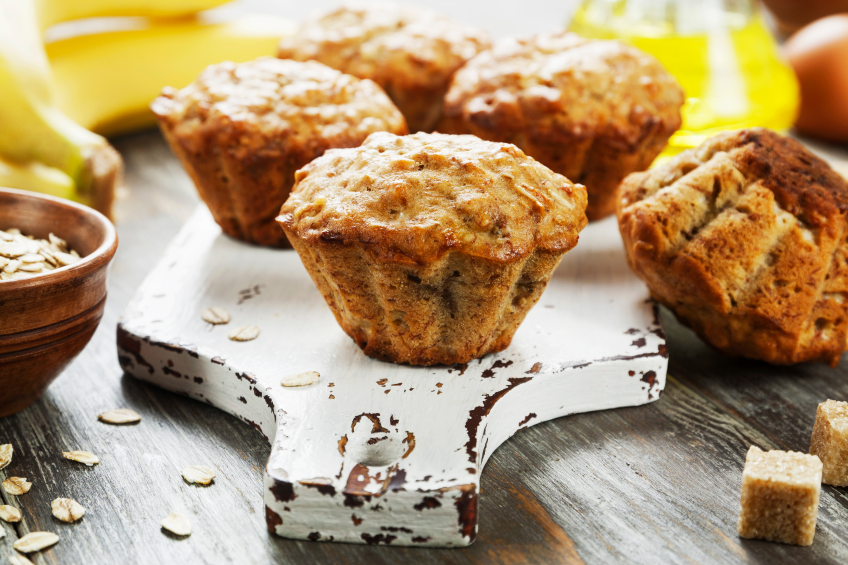

 Banana muffins are a simple treat that anyone can bake at home. But knowing the right baking time makes the difference between dry, crumbly results and muffins that turn out moist and tender.
 Banana muffins bake at 350°F (177°C) for 25 to 30 minutes in a standard muffin tin, though starting at a higher temperature of 425°F (218°C) can improve rise and texture.
 Muffin size directly impacts baking duration because heat takes longer to reach the center of larger portions. Mini muffins finish in 10-15 minutes, standard muffins need 18-22 minutes, and jumbo muffins require 22-28 minutes at 350°F.
 Several elements influence how long your banana muffins need in the oven, with moisture content, ingredient choices, and oven characteristics playing the biggest roles. Understanding these variables helps you adjust baking times for consistent results.
 Properly testing banana muffins for doneness requires three methods: inserting a toothpick into the center, checking the top color and texture, and understanding the signs of both underbaking and overbaking. Using these tests together prevents common mistakes like dry tops or gummy centers.
 Making banana muffins requires preparing ingredients at room temperature, mixing wet and dry components separately, and filling muffin cups two-thirds to three-quarters full for proper rise.
 You can transform basic banana muffins into specialty treats by adding nuts, adjusting for dietary restrictions, incorporating mix-ins like chocolate chips, or applying toppings such as streusel for bakery-style results.
 Proper cooling and storage keep banana muffins moist and fresh for days, while freezing extends their life up to three months.
 Banana muffins are a quick and delicious bake, but getting the timing right is key to a soft, moist texture.


