How Healthy is Baking? Benefits, Strategies, and Smart Ingredient Choices
The warm smell of fresh cookies or a rising loaf of bread can make any kitchen feel like home. But when you think about your health goals, you might wonder if baking fits into a nutritious eating plan.
Baking can be a healthy cooking method when you use whole ingredients like whole grains, natural sweeteners, and nutrient-dense additions, though the health value depends entirely on what goes into your recipes.
The key difference between healthy and unhealthy baking comes down to your ingredient choices and preparation methods. You’ll learn how swapping refined flour for whole grain options, reducing added sugars, and incorporating fruits or vegetables can transform standard recipes into nutritious meals. Understanding these basics helps you create baked goods that taste great while supporting your health.
This guide walks you through the core principles that make baking nutritious, practical ingredient substitutions, and specific techniques for different dietary needs. You’ll discover both sweet and savory options that work for your lifestyle, along with the tools that make healthier baking easier.
What Makes Baking Healthy or Unhealthy?
The healthiness of baking depends on three main factors: ingredient quality and type, common mistakes that add empty calories, and how much you eat at once.
The Impact of Ingredients on Nutrition
Your choice of flour changes the nutritional value significantly. Whole wheat flour contains the bran and germ layers, providing 3-4 grams of fiber per serving compared to refined white flour’s 1 gram. This fiber helps control blood sugar and keeps you full longer.
The type of fat you use matters for heart health. Butter and shortening contain saturated fats that can raise LDL cholesterol levels when eaten regularly. Olive oil, avocado oil, and nut oils provide monounsaturated fats that support cardiovascular health.
Natural sweeteners like mashed bananas, applesauce, or dates add moisture while reducing the need for refined sugar. These options bring vitamins and minerals that white sugar lacks. Adding vegetables like zucchini or pumpkin increases vitamin A and fiber content without changing taste much.
Healthy baking recipes often include nuts, seeds, or oats to boost protein and omega-3 fatty acids. Greek yogurt can replace some of the fat in recipes while adding protein and calcium.
Common Nutritional Pitfalls of Traditional Baking
Most baked goods recipes call for large amounts of refined sugar, often 1-2 cups per batch. This adds roughly 800-1,600 calories with no nutritional benefit beyond quick energy.
Traditional recipes frequently use hydrogenated oils or margarine containing trans fats. These fats increase inflammation and raise disease risk more than any other fat type. Many boxed mixes include preservatives like BHT and artificial flavors that you would not add at home.
White flour lacks the nutrients found in whole grains because the milling process removes 25% of the protein and at least 17 vitamins and minerals. Recipes that rely heavily on cream cheese, sour cream, or heavy cream add saturated fat without providing the calcium benefits of lower-fat dairy options.
Portion Sizes and Frequency
A standard bakery muffin contains 400-600 calories, which equals a full meal for many people. Cutting portions in half immediately reduces calorie intake while still satisfying cravings.
Eating baked goods daily adds up quickly in terms of sugar and refined carbohydrates. Limiting treats to 2-3 times per week helps maintain balanced blood sugar levels. Mini versions of your favorite baked goods let you enjoy flavor without consuming excessive calories in one sitting.
Sharing larger items like cakes or bread loaves with others naturally controls how much you eat. Pre-portioning treats into individual servings when you bake prevents mindless eating later.
Core Principles of Healthy Baking
Healthy baking relies on three key ingredient swaps: using whole grains and high-fiber flours instead of refined options, selecting fats that support heart health, and replacing processed sugars with natural alternatives.
Whole Grains and High-Fiber Flours
Whole grain flours contain all parts of the grain kernel, providing significantly more fiber than their refined counterparts. You’ll get approximately 3-4 grams of fiber per quarter cup of whole wheat flour compared to less than 1 gram in white flour. This higher fiber content slows digestion and helps stabilize blood sugar levels.
Almond flour offers a low-carb alternative with about 6 grams of protein and 3 grams of fiber per quarter cup. It works particularly well in cookies, muffins, and pancakes where its slightly sweet, nutty flavor enhances the final product. Oat flour provides beta-glucan, a type of soluble fiber linked to lower cholesterol levels.
You can start by replacing 25-50% of white flour in recipes with whole grain options to adjust to the denser texture and stronger flavor. Coconut flour requires special attention because it absorbs significantly more liquid than other flours—typically you’ll need only one-quarter the amount called for in standard recipes.
Choosing Healthy Fats
Olive oil contains monounsaturated fats that reduce inflammation and support cardiovascular health. You can substitute it for butter at a 3:4 ratio, meaning three-quarters cup of olive oil replaces one cup of butter. This swap works best in recipes where a fruity or savory note complements the other ingredients.
Coconut oil provides medium-chain triglycerides that your body processes differently than other saturated fats. It remains solid at room temperature, making it suitable for recipes requiring creaming or flaky textures. The refined version offers a neutral taste, while unrefined coconut oil adds a distinct coconut flavor.
Avocado oil tolerates high baking temperatures up to 500°F without breaking down or producing harmful compounds.
Emphasizing Natural Sweeteners
Honey contains trace amounts of vitamins, minerals, and antioxidants absent in white sugar. You’ll need only three-quarters cup of honey to match the sweetness of one cup of sugar, and you should reduce liquid ingredients by one-quarter cup to compensate for honey’s moisture content. Recipes also require lowering the oven temperature by 25°F to prevent excessive browning.
Maple syrup provides manganese and zinc while offering a lower glycemic index than refined sugar. Coconut sugar retains small amounts of iron, zinc, and calcium from the coconut palm sap. Both maple syrup and coconut sugar can replace white sugar in equal amounts, though maple syrup adds extra liquid to your recipe.
Natural sweeteners still contain calories and affect blood sugar, so you should use them in moderation rather than treating them as unlimited alternatives.
Ingredient Swaps for Nutritional Boosts
Simple substitutions can transform standard baked goods into nutrient-dense options by replacing refined ingredients with whole food alternatives. Strategic swaps address three key areas: flour base, sweeteners, and fat sources, while incorporating functional ingredients adds extra vitamins, minerals, and fiber.
Flour Alternatives
White flour contains minimal nutrients after processing strips away the bran and germ. Swap ⅞ cup white flour for 1 cup whole wheat flour to add fiber and B vitamins to your recipes.
Almond flour provides 6 grams of protein per quarter cup and works well in cookies and cakes when combined with other flours. Use ¼ cup nut flour plus ¾ cup wheat flour as a direct replacement for 1 cup regular flour. Coconut flour absorbs more liquid than standard flour, so recipes require less volume—typically 1 cup white flour equals ¼ to ⅓ cup coconut flour plus extra eggs or liquid.
Oat flour offers 4 grams of fiber per half cup and helps lower cholesterol. Ground oats from your pantry work as a quick substitute. Black bean puree replaces flour in brownie recipes cup-for-cup, adding 15 grams of protein and 15 grams of fiber per cup.
Sugar Replacements
Refined sugar delivers 774 calories per cup with zero nutrients. Unsweetened applesauce provides natural sweetness at just 100 calories per cup—use it as a 1:1 replacement for sugar in recipes.
Mashed bananas work particularly well in muffins, cookies, and brownies while adding potassium and vitamin B6. Honey contains antioxidants and minerals absent in white sugar. Use ¾ cup honey for every 1 cup sugar and reduce liquid by ¼ cup.
Maple syrup provides manganese and zinc while stabilizing blood sugar better than refined options. Coconut sugar offers trace minerals and a lower glycemic index than table sugar. Both work as 1:1 replacements in most recipes.
Better-for-You Fat Sources
Butter contributes 1,627 calories and 183 grams of fat per cup. Pureed pumpkin replaces oil cup-for-cup with only 83 calories and zero fat. This swap works best in chocolate-based recipes where color won’t be affected.
Greek yogurt substitutes for sour cream or oil while adding protein—start by replacing half the fat called for in your recipe. Mashed avocado trades for butter at a ratio of ½ tablespoon avocado per 1 tablespoon butter, cutting saturated fat significantly.
Olive oil contains heart-healthy monounsaturated fats and can replace butter 1:1 in savory baked goods. Coconut oil provides medium-chain triglycerides and works as a direct butter substitute in equal amounts.
Adding Superfoods and Functional Ingredients
Chia seeds mixed with water create an egg substitute—1 tablespoon seeds plus 3 tablespoons water equals one egg after sitting 15 minutes. This adds 5 grams of fiber and omega-3 fatty acids per tablespoon.
Flaxseeds provide lignans that may help lower cholesterol and reduce diabetes risk. Ground flaxseed works the same as chia for egg replacement and can be stirred directly into batters. Both options should be refrigerated to maintain freshness.
Unsweetened cocoa powder delivers antioxidants called flavonoids that support heart health—1 tablespoon cocoa powder plus 2 teaspoons sugar and 2 teaspoons oil replaces 1 ounce chocolate. Fresh or frozen berries add vitamin C and anthocyanins without refined sugar. Raspberries contain 8 grams of fiber per cup, making baked goods more satisfying.
Popular Healthy Baked Goods and Recipe Options
Baked goods can fit into a nutritious diet when you choose recipes that emphasize whole grains, natural sweeteners, and nutrient-dense ingredients. Many traditional treats have healthier versions that maintain taste while reducing refined sugars and processed flours.
Healthy Muffins and Breakfast Bakes
Breakfast muffins made with whole wheat flour or oat flour provide fiber and sustained energy compared to refined flour versions. You can add mashed bananas, applesauce, or Greek yogurt to keep muffins moist without excess butter or oil.
Baked oats offer a single-serving alternative to traditional oatmeal. This method combines oats with eggs, milk, and mix-ins like berries or nut butter, then bakes them into a cake-like consistency.
Gluten-free banana bread uses almond flour or oat flour as a substitute for wheat flour. Overripe bananas provide natural sweetness and moisture, which means you need less added sugar. You can fold in walnuts or dark chocolate chips for additional nutrients and flavor.
Many recipes keep added sugar under 1/4 cup per loaf. The ripe bananas contribute most of the sweetness while providing potassium and vitamin B6.
Nutritious Cookies and Bars
Oatmeal cookies provide whole grains and can include mix-ins like raisins, dates, or nuts for extra nutrients. No-sugar-added versions rely on ripe bananas or dates for sweetness.
Oatmeal chocolate chip cookies balance whole grain oats with small amounts of dark chocolate. You can use coconut oil or nut butter instead of butter to change the fat profile.
Common cookie modifications include:
Using almond flour or oat flour for gluten-free options
Replacing butter with mashed banana or pumpkin puree
Swapping refined sugar for dates or maple syrup
Adding flaxseed or chia seeds for omega-3 fatty acids
Peanut butter cookies need just three ingredients in their simplest form: peanut butter, eggs, and a sweetener. Breakfast cookies combine oats, nut butter, and dried fruit to create a portable morning option.
Banana oatmeal bars and oat bars work as meal prep items. These recipes typically bake in a square pan and cut into individual portions. You can add protein powder or Greek yogurt to increase protein content.
Keto chocolate chip cookies use almond flour and sugar substitutes like erythritol to fit low-carb requirements.
Smarter Cakes and Brownies
Vegan chocolate cake eliminates eggs and dairy while maintaining rich flavor. Most recipes use vinegar or flaking to create lift, and oil or nut butter for moisture.
Pumpkin brownies incorporate pureed pumpkin to reduce fat content and add vitamin A. The pumpkin also creates a fudgy texture similar to traditional brownies. Sweet potato brownies work similarly, using cooked sweet potato as the base ingredient instead of large amounts of flour and butter.
You can make flourless chocolate cake with just eggs, cocoa powder, and sweetener. This creates a dense, fudge-like texture that’s naturally gluten-free.
Many vegan cake recipes use applesauce or mashed banana as egg replacements. One banana typically replaces one egg, though this adds banana flavor to the final product.
Dessert recipes that swap Greek yogurt for sour cream or oil reduce saturated fat while adding protein. Whole grain flours like spelt or white whole wheat create lighter textures than traditional whole wheat while still providing fiber.
Healthy Baking for Special Diets
Special diet baking replaces traditional ingredients with alternatives that meet specific health needs, from removing gluten proteins to eliminating animal products or reducing carbohydrate intake. These modifications require understanding ingredient functions and how substitutes affect texture, rise, and flavor in finished baked goods.
Gluten-Free Baking
Gluten-free baking removes wheat, barley, and rye proteins that typically provide structure and elasticity in traditional recipes. You need to combine multiple flours like almond flour, rice flour, and tapioca starch to mimic gluten’s binding properties.
Gluten-free banana bread works particularly well because bananas add natural moisture and binding. For gluten-free bread, you must add xanthan gum (about 1 teaspoon per cup of flour) or psyllium husk to create the chewy texture gluten normally provides.
Your baking powder and baking soda must be certified gluten-free since some brands contain wheat-based additives. Store-bought gluten-free flour blends typically include stabilizers already mixed in, making them easier for beginners.
Cross-contamination poses serious risks for people with celiac disease. Use separate mixing bowls, measuring cups, and baking pans that have never touched wheat products.
Vegan and Plant-Based Baking
Vegan baking eliminates all animal products including eggs, dairy milk, butter, and honey. Flaxseed meal mixed with water (1 tablespoon flax plus 3 tablespoons water per egg) creates a gel that binds ingredients together. Applesauce and mashed bananas work for moisture but add distinct flavors.
Plant-based milk like almond, soy, or oat milk replaces dairy in equal amounts. Coconut oil or vegan butter substitutes for traditional butter at a 1:1 ratio. Vegan chocolate cake achieves rich texture through vinegar and baking soda reactions that create air pockets without eggs.
Aquafaba (chickpea liquid from canned beans) whips into stiff peaks for meringues and light frostings. Nutritional considerations include lower protein content in some plant-based recipes, which you can offset by adding protein powder or nut flours.
Low-Sugar and Keto-Friendly Treats
Low-sugar baking replaces refined sugar with alternatives like stevia, monk fruit, or erythritol that don’t spike blood glucose. Keto baking eliminates virtually all carbohydrates, using almond flour or coconut flour instead of wheat flour.
Keto chocolate chip cookies typically contain 2-3g net carbs per serving compared to 15-20g in traditional versions. You’ll use sugar-free chocolate chips and add extra fat through butter or coconut oil since fat replaces carbohydrates as the primary energy source.
Almond flour provides 6g carbs per cup versus 95g in all-purpose flour. Erythritol measures cup-for-cup like sugar but doesn’t caramelize the same way, affecting browning and texture. Your baked goods may taste less sweet initially since sugar alcohols have 60-80% of sugar’s sweetness level.
Fiber content increases significantly in keto recipes through ingredients like psyllium husk and flaxseed meal. These absorb more liquid, so you need to reduce other liquids by 25% compared to standard recipes.
Savoury Healthy Baking Ideas
Savory baked goods provide nutritious alternatives to traditional carb-heavy snacks by incorporating vegetables, whole grains, and protein-rich ingredients that support sustained energy and satiety. These recipes work well for meal prep, side dishes, and portable snacks.
Whole Grain and Vegetable Breads
Whole grain breads made with ingredients like whole wheat flour, oats, or spelt provide more fiber and nutrients than refined white flour versions. Adding vegetables such as zucchini, pumpkin, or sweet potato increases moisture content while reducing the need for excess fats.
Gluten-free bread options use almond flour, oat flour, or rice flour combined with binding agents like eggs or ground flaxseed. These alternatives work well for those with celiac disease or gluten sensitivity.
Cottage cheese or Greek yogurt can replace some of the oil in bread recipes while adding protein. A basic savory loaf might combine rolled oats, cottage cheese, herbs, and a small amount of cheese for flavor. These breads stay fresh for several days and freeze well for longer storage.
Savory Muffins and Scones
Savory muffins incorporate vegetables and protein sources into portable formats suitable for breakfast or snacks. Spinach and feta, zucchini and cheddar, or sun-dried tomato and herb combinations create nutrient-dense options that avoid the sugar content of sweet versions.
Protein powder, eggs, and dairy products boost the protein content to 8-12 grams per serving. Squeezing excess liquid from grated vegetables prevents soggy texture and ensures proper structure.
Savory scones made with whole wheat flour, sharp cheddar, and herbs offer similar benefits. Adding cooked bacon, caramelized onions, or roasted red peppers creates different flavor profiles. These baked goods pair well with soups or salads as part of a complete meal.
Side Dishes and Creative Meals
Cauliflower-based bakes serve as low-carb alternatives to traditional breads and crusts. Riced cauliflower combined with eggs, cheese, and seasonings creates pizza crusts, breadsticks, or flatbreads with significantly fewer calories than wheat-based versions.
Egg bites baked in muffin tins provide protein-rich sides for breakfast or dinner. You can customize them with vegetables, cheese, and herbs to match your preferences. A standard recipe yields 12 portions that reheat quickly from frozen storage.
Vegetable-forward casseroles and quiches work as main dishes or substantial sides. Crustless versions eliminate refined flour while maintaining satisfying texture through eggs and dairy. These dishes accommodate various dietary needs by swapping ingredients like dairy-free cheese or plant-based milk alternatives.
Tips, Tools, and Techniques for Healthier Baking
Making baked goods healthier requires the right equipment, smart storage methods, and ingredient techniques that preserve both nutrition and taste.
Essential Healthy Baking Equipment
You need accurate measuring cups and spoons to maintain proper ingredient ratios when substituting healthier alternatives. Silicone baking mats eliminate the need for greasing pans with butter or oil, reducing unnecessary fat in your recipes.
Stainless steel mixing bowls resist staining and maintain durability through repeated use. A digital kitchen scale provides precision when working with alternative flours like almond or oat flour, which behave differently than white flour by weight.
Quality whisks and silicone spatulas help you achieve proper consistency without overworking batters, which can compromise texture in whole grain baking. Non-stick baking pans with ceramic coatings require less oil than traditional pans while avoiding the chemicals found in some conventional non-stick surfaces.
Maximizing Nutrition and Flavor
Baking at temperatures 25 degrees lower than standard recipes preserves heat-sensitive nutrients and prevents the formation of potentially harmful compounds. Fruit purees like applesauce or mashed banana replace up to half the fat in recipes while adding natural sweetness and moisture.
Greek yogurt increases protein content in baked goods while maintaining tenderness. Whole wheat flour, oat flour, and almond flour provide more fiber and nutrients than refined white flour. Natural sweeteners including honey and maple syrup offer trace minerals absent in white sugar, though you’ll need to reduce liquid ingredients by about 3 tablespoons per cup of liquid sweetener used.
Adding chia seeds or ground flaxseed boosts omega-3 fatty acids without altering flavor profiles. A small amount of sea salt enhances sweetness perception, allowing you to use less sugar overall.
Batch Baking and Storage
Airtight containers at room temperature prevent baked goods from becoming stale for 3-5 days. Bread storage containers with ventilation holes allow moisture to escape while blocking light exposure that degrades nutrients.
Freezing extends shelf life up to three months without quality loss when you wrap items tightly in plastic wrap followed by aluminum foil. This double-layer method prevents freezer burn and maintains texture. Slice breads and cakes before freezing so you can remove individual portions without thawing the entire batch.
Label frozen items with baking dates and contents to track freshness. Thaw baked goods at room temperature for 2-3 hours rather than using microwaves, which create uneven texture.
Conclusion: Enjoying Baked Goods as Part of a Balanced Diet
Baked goods can fit into your healthy eating plan when you make smart choices about ingredients and portions. The key is understanding that not all baked items affect your body the same way.
Choose nutrient-dense options by selecting whole grain breads and muffins over refined flour products. These provide fiber, B vitamins, and minerals that support your digestive system and overall health.
Pay attention to what goes into your baked goods. Using natural sweeteners like honey or maple syrup instead of refined sugar reduces empty calories. Swapping butter or oil for Greek yogurt or applesauce cuts fat content while keeping moisture.
Portion control matters just as much as ingredient quality. A small serving of homemade whole grain bread offers nutritional benefits, while large portions of sugar-heavy pastries can disrupt blood sugar levels and gut bacteria balance.
Make baking work for your dietary needs:
Gluten-free options use almond or coconut flour
Low-carb recipes substitute with flaxseed meal
Vegan baking replaces eggs with applesauce or chia seeds
The nutritional value of your baked goods depends entirely on your ingredient choices and how they fit into your daily food intake. Baking at home gives you control over sugar, fat, and flour types.
You don’t need to avoid baked goods completely. Include them mindfully alongside fruits, vegetables, proteins, and other whole foods. This approach lets you enjoy the foods you love without compromising your health goals.
FAQ: How Healthy Is Baking?
Baking is a popular way to prepare food, but many people wonder whether it’s actually a healthy cooking method.
How Healthy Is Baking?
Baking is generally considered a healthy cooking method, especially compared to frying. It uses less oil and helps retain nutrients in many foods.
Is Baking Healthier Than Frying?
Yes, baking is usually healthier than frying because:
It requires little to no added oil
It reduces overall fat and calorie content
It avoids harmful compounds formed during deep frying
Does Baking Destroy Nutrients?
Some nutrients, especially heat-sensitive vitamins like vitamin C, can be reduced during baking. However, many minerals and other nutrients remain intact.
Can Baked Foods Be Unhealthy?
Yes, it depends on the ingredients used. Baked goods high in:
Sugar
Refined flour
Butter or unhealthy fats can still be unhealthy despite the cooking method.
Is Baking Good for Weight Loss?
Baking can support weight loss when you:
Use healthier ingredients
Control portion sizes
Avoid excessive sugar and fats
What Are the Health Benefits of Baking?
Baking offers several advantages:
Lower fat content compared to frying
Better control over ingredients
Ability to make healthier versions of favorite foods
Is Home Baking Healthier Than Store-Bought?
Yes, home baking is often healthier because you can:
Choose high-quality ingredients
Reduce sugar and fat
Avoid preservatives and additives
Can You Make Baking Healthier?
Yes, simple swaps can improve nutrition:
Use whole wheat flour instead of refined flour
Reduce sugar or use natural sweeteners
Replace butter with healthier fats like olive oil or yogurt
Is Baking Safe for Everyday Cooking?
Yes, baking is safe and suitable for everyday cooking when combined with a balanced diet and healthy ingredients.
Who Should Be Careful with Baked Foods?
People watching calorie intake
Those with diabetes (due to sugar content)
Individuals sensitive to gluten or certain ingredients
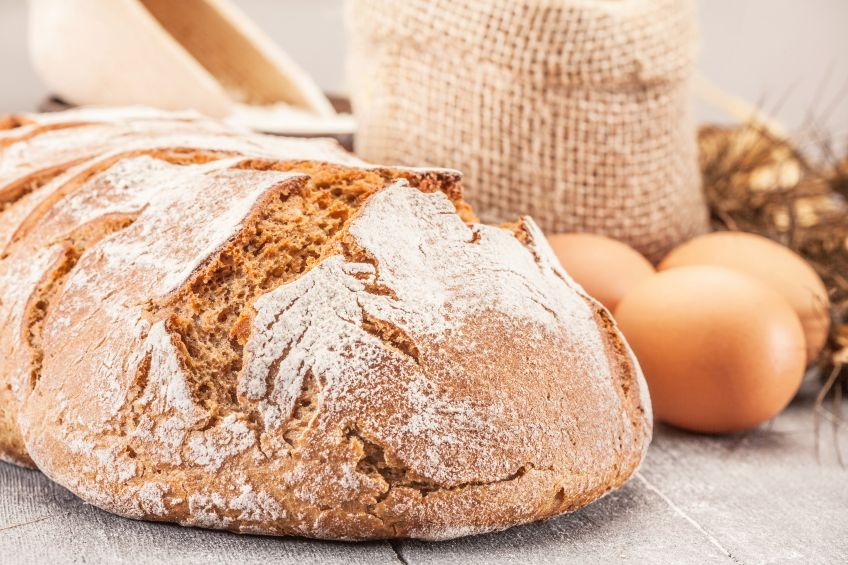

 The warm smell of fresh cookies or a rising loaf of bread can make any kitchen feel like home. But when you think about your health goals, you might wonder if baking fits into a nutritious eating plan.
 Healthy baking relies on three key ingredient swaps: using whole grains and high-fiber flours instead of refined options, selecting fats that support heart health, and replacing processed sugars with natural alternatives.
 Simple substitutions can transform standard baked goods into nutrient-dense options by replacing refined ingredients with whole food alternatives. Strategic swaps address three key areas: flour base, sweeteners, and fat sources, while incorporating functional ingredients adds extra vitamins, minerals, and fiber.
 Baked goods can fit into a nutritious diet when you choose recipes that emphasize whole grains, natural sweeteners, and nutrient-dense ingredients. Many traditional treats have healthier versions that maintain taste while reducing refined sugars and processed flours.
 Special diet baking replaces traditional ingredients with alternatives that meet specific health needs, from removing gluten proteins to eliminating animal products or reducing carbohydrate intake. These modifications require understanding ingredient functions and how substitutes affect texture, rise, and flavor in finished baked goods.
 Savory baked goods provide nutritious alternatives to traditional carb-heavy snacks by incorporating vegetables, whole grains, and protein-rich ingredients that support sustained energy and satiety. These recipes work well for meal prep, side dishes, and portable snacks.
 Making baked goods healthier requires the right equipment, smart storage methods, and ingredient techniques that preserve both nutrition and taste.
 Baked goods can fit into your healthy eating plan when you make smart choices about ingredients and portions. The key is understanding that not all baked items affect your body the same way.


