What Should I Grill Tonight Healthy: Nutritious Grilling Ideas
Grilling tonight doesn’t have to mean sacrificing your health goals.
You can prepare nutritious, flavorful meals on the grill by choosing lean proteins like chicken breast, fish, or shrimp, pairing them with colorful vegetables, and using herbs and marinades instead of heavy sauces.
The grill actually offers natural advantages for healthy cooking since it requires minimal added fats and allows excess fat to drip away from foods.
Your grill can handle more than just burgers and hot dogs. From lemon-herb chicken to teriyaki tuna kabobs, grilled vegetables with Mediterranean flavors, and even fresh fruit desserts, you have countless options that are both good for you and full of taste. The high heat of grilling brings out natural sweetness in vegetables and creates appealing char marks on proteins without adding unnecessary calories.
This guide walks you through selecting the right ingredients, mastering healthy grilling techniques, and preparing complete meals that work for weeknight dinners or weekend gatherings. You’ll find specific recipes for poultry, seafood, vegetables, and lean meats, plus side dishes that complement your main courses without adding excess calories or unhealthy fats.
How to Choose Healthy Grilling Options
Making smart choices at the grill starts with selecting lean proteins, fresh produce, and skipping heavily processed items. These simple swaps transform your cookout into a nutritious meal without sacrificing flavor.
Selecting Lean Proteins for the Grill
Chicken breasts, thighs, and drumsticks work well on the grill when you keep the skin on during cooking but remove it before eating. This method locks in moisture while cutting saturated fat.
Fish like salmon and tuna steaks hold up to direct heat. Thinner varieties such as tilapia and flounder need aluminum foil to prevent them from falling apart.
For beef and pork, look for cuts labeled “loin” or “round” and choose “select” or “choice” grades instead of “prime.” Ground beef should be 90% lean at minimum, with 93-95% lean being even better for burgers.
Turkey patties made from ground turkey stay moist when you mix in minced mushrooms and onions. Firm or extra firm tofu provides a plant-based option that chars nicely.
A proper portion of protein measures about 4 ounces raw, roughly the size of a deck of cards. This amount fills one-fourth of your plate, leaving room for whole grains and vegetables.
Picking Fresh, Seasonal Produce
Asparagus, bell peppers, zucchini, eggplant, mushrooms, and corn on the cob develop a smoky char when grilled directly. Brush them with olive oil or use a grill basket sprayed with cooking spray to prevent sticking.
Potatoes, squash, and onions become tender and sweet over medium heat. Thread smaller vegetables onto skewers for easy turning, and soak wooden skewers in water for 10 minutes to stop them from burning.
Fill half your plate with grilled vegetables and fruits to balance your meal. This ratio gives you fiber, vitamins, and minerals while keeping calories in check.
Fresh fruit transforms into dessert on the grill. Watermelon slices, pineapple spears, and nectarine halves caramelize as their natural sugars heat up, creating sweetness without added sugar.
Avoiding Processed Meats and Heavy Sauces
Hot dogs, sausages, and pre-marinated meats often contain high amounts of sodium and preservatives. These processed options can spike your blood pressure and add empty calories to your meal.
Store-bought barbecue sauces pack surprising amounts of sugar and salt. A single tablespoon can contain 7-10 grams of added sugar and 200-400 milligrams of sodium.
Make your own marinades using 1/2 cup of liquid per pound of protein, focusing on acid (like lemon juice or vinegar), oil, and salt-free spices. Discard marinade after use since it contains bacteria from raw meat.
Create dry rubs with salt-free seasonings such as paprika, garlic powder, cumin, chili powder, or rosemary mixed with black pepper. One tablespoon seasons a pound of protein without adding sodium.
A squeeze of fresh lemon or lime often provides enough flavor without condiments. When you do use sauces, measure out small amounts rather than pouring freely.
Essential Tips for Healthy Grilling
Grilling healthy meals requires attention to preparation, flavoring, and cooking methods. Clean equipment, the right seasonings, and proper temperature control make the difference between nutritious grilled food and dishes with harmful compounds.
Prepping the Grill for Healthier Results
Clean your grill grates before and after each use to remove burnt residue from previous cooking sessions. These leftover particles contain compounds that can transfer to your fresh food and create off-flavors.
Use a wire brush on hot grates to scrub away debris more easily. For stuck-on residue, heat the grill for 10-15 minutes, then scrape thoroughly. A clean surface prevents flare-ups and ensures even heat distribution.
Oil your grates lightly after cleaning to prevent sticking without adding excessive fat. Fold a paper towel, dip it in high-heat oil like canola or grapeseed, and use tongs to rub it across the grates. This thin coating stops delicate proteins like fish from tearing when you flip them.
Best Marinades and Seasonings
Create marinades with acidic ingredients like citrus juice, vinegar, or wine combined with olive oil and fresh herbs. These mixtures add flavor while forming a protective barrier that reduces harmful compound formation during high-heat cooking.
Marinate chicken and other proteins for at least 30 minutes or up to overnight in the refrigerator. Mix ingredients like lemon juice, minced garlic, rosemary, thyme, and Dijon mustard for a basic formula that works with most meats.
Salt-free spice rubs using paprika, cumin, garlic powder, and chili powder give you flavor control without excess sodium. Apply one tablespoon of dry rub per pound of protein for balanced seasoning.
Never reuse marinades that touched raw meat. Set aside a portion before adding your protein if you want a sauce for serving.
Safe Grilling Techniques
Set up dual heat zones on your grill with one hot area for searing and one moderate area for finishing. This method lets you develop char without excessive burning that creates unwanted compounds.
Trim visible fat from meat before grilling and remove poultry skin after cooking to reduce flare-ups caused by dripping fat. Use a digital thermometer to check doneness: 165°F for chicken, 145°F for fish, and 125-160°F for beef depending on preference.
Flip foods with long-handled tongs instead of forks to keep juices inside. Avoid pressing down on burgers or chicken with a spatula, which squeezes out moisture and flavor.
Healthy Grilled Chicken Recipes
Grilled chicken recipes offer high protein content with minimal added fats while delivering bold flavors through marinades and seasoning techniques. These options work well for weeknight meals and provide versatility across different cuisines.
Grilled Lemon Herb Chicken Skewers
Lemon herb chicken skewers combine citrus acidity with fresh herbs to create a light, protein-rich meal. You’ll need boneless chicken breast cut into 1-inch cubes, fresh lemon juice, olive oil, garlic, and herbs like rosemary, thyme, or parsley.
The marinade should sit for at least 30 minutes but works best after 2-4 hours in the refrigerator. Thread the chicken onto metal or pre-soaked wooden skewers, leaving small gaps between pieces for even heat distribution.
Grill over medium-high heat for 10-12 minutes, rotating every 3 minutes until the internal temperature reaches 165°F. The lemon’s acidity helps tenderize the meat while the herbs add aromatic flavor without extra calories.
Serve these skewers with grilled vegetables or over a bed of greens for a complete meal. Each serving provides approximately 25-30 grams of protein with less than 200 calories when prepared without excess oil.
Greek Chicken Kabobs and Souvlaki
Greek chicken kabobs feature a Mediterranean-style marinade of olive oil, lemon juice, oregano, and garlic. Traditional souvlaki uses similar ingredients but often includes yogurt in the marinade for added tenderness.
You can prepare these with chicken breast or thighs, depending on your preference for leaner or more flavorful meat. The yogurt-based marinade creates a tangy coating that caramelizes slightly during grilling.
Key marinade components:
Plain Greek yogurt (for souvlaki variation)
Fresh lemon juice
Dried oregano
Minced garlic
Salt and pepper
Grill the kabobs for 12-15 minutes, turning frequently to prevent burning. Pair them with tzatziki sauce, which adds protein and probiotics without heavy calories. You can also serve greek chicken over a grilled chicken salad with cucumbers, tomatoes, and feta cheese for a complete Mediterranean meal.
Teriyaki and Chili Lime Chicken
Teriyaki chicken requires a balance of soy sauce, ginger, garlic, and a small amount of honey or brown sugar for glazing. You can reduce the sugar content by using low-sodium soy sauce and limiting sweeteners to 1-2 teaspoons per serving.
Chili lime chicken offers a spicier alternative with fresh lime juice, chili powder, cumin, and cayenne pepper. This combination creates a zesty flavor profile without adding significant calories.
For teriyaki, brush the glaze during the final 5 minutes of grilling to prevent burning the sugars. Chili lime chicken works best when marinated for 1-2 hours before grilling, allowing the spices to penetrate the meat.
Both preparations work well with chicken breast for lower fat content or thighs for richer flavor. The teriyaki version pairs well with stir-fried vegetables, while chili lime chicken complements Mexican-inspired sides like grilled corn or black beans.
Grilled Chicken Thighs and Breast Options
Grilled chicken thighs contain more fat than breast meat but offer enhanced flavor and moisture retention during cooking. Boneless, skinless thighs provide approximately 180 calories and 20 grams of protein per 4-ounce serving.
Chicken breast remains the leanest option with roughly 120 calories and 26 grams of protein per serving. The lower fat content means you need to monitor cooking time carefully to prevent dryness.
For grilled chicken thighs, cook for 6-7 minutes per side over medium heat until the internal temperature reaches 165°F. Chicken breast requires 5-6 minutes per side and benefits from pounding to even thickness before grilling.
Both cuts work well in a grilled chicken caesar salad when sliced and served over romaine lettuce. You can meal prep either option by grilling multiple servings at once and storing them in the refrigerator for up to 4 days. Season both cuts with simple salt, pepper, and garlic powder for a versatile base that works with various side dishes and flavor profiles.
Nutritious Grilled Seafood and Fish
Fish and seafood offer lean protein with omega-3 fatty acids while absorbing smoky grill flavors quickly. These options cook in under 15 minutes and pair well with fresh salsas and vegetables.
Grilled Salmon and Salmon with Mango Salsa
Salmon provides 22 grams of protein per 3-ounce serving along with heart-healthy omega-3s. You can grill salmon fillets skin-side down for 6-8 minutes without flipping to keep the flesh moist.
Season your salmon with salt, pepper, and lemon before placing it on a preheated grill at medium-high heat. The natural oils in salmon prevent sticking and create a crispy exterior.
Mango salsa adds vitamins A and C while cutting through the richness of the fish. Dice fresh mango, red onion, jalapeño, and cilantro, then mix with lime juice and salt. The sweet-spicy combination works particularly well with salmon’s fatty texture.
You can also try cedar plank grilling for added smoky flavor. Soak the plank for one hour, then place seasoned salmon on top and grill covered for 12-15 minutes.
Grilled Shrimp and Shrimp Skewers
Shrimp cooks in just 2-3 minutes per side and contains only 84 calories per 3-ounce serving. Thread large shrimp onto skewers to prevent them from falling through grill grates.
Preparation tips for grilled shrimp:
Remove shells but leave tails on for easier handling
Marinate for 15-30 minutes maximum (longer breaks down the texture)
Use metal skewers or soak wooden ones for 30 minutes
Season your shrimp with garlic, olive oil, and paprika for a simple preparation. You’ll know they’re done when they turn pink and opaque throughout.
Create variety by alternating shrimp with bell peppers, onions, and cherry tomatoes on skewers. This adds fiber and vitamins while making a complete meal on one stick.
Fish Tacos and Mahi Mahi Tacos
Mahi mahi has a firm texture that holds up well on the grill without falling apart. This white fish contains 20 grams of protein per serving with only 1 gram of fat.
Grill mahi mahi fillets for 4-5 minutes per side until they reach an internal temperature of 145°F. The mild flavor accepts bold seasonings like cumin, chili powder, and lime zest.
Serve grilled fish in corn tortillas with shredded cabbage for crunch and fiber. Add Greek yogurt mixed with lime juice instead of sour cream to reduce calories while maintaining creaminess. Top with fresh cilantro, diced tomatoes, and avocado slices for healthy fats.
You can substitute tilapia or halibut if mahi mahi isn’t available at your market.
Flavorful Grilled Vegetable Recipes
Grilled vegetables develop a smoky char and caramelized sweetness that transforms their natural flavors. These recipes use simple seasonings like olive oil, herbs, and vinegar to enhance each vegetable’s unique taste and texture.
Grilled Zucchini and Zucchini Salad
You should slice zucchini lengthwise into quarter-inch planks to maximize grill contact and prevent pieces from falling through the grates. Brush both sides with olive oil and season with salt and pepper before placing them directly on a preheated grill over medium-high heat.
Cook for 3-4 minutes per side until you see distinct grill marks and the flesh becomes tender. The zucchini should maintain a slight firmness rather than turning mushy.
For zucchini salad, cut the grilled planks into bite-sized pieces while still warm. Toss with fresh lemon juice, minced garlic, chopped basil, and crumbled feta cheese. Add cherry tomatoes and a drizzle of balsamic vinegar for extra flavor. This salad works well both warm and at room temperature, making it practical for meal prep.
Grilled Asparagus and Grilled Asparagus with Parmesan
Trim the woody ends off asparagus spears by bending each stalk until it naturally snaps. Thicker spears work better on the grill because they won’t overcook as quickly as thin ones.
Toss the asparagus with olive oil, salt, and pepper in a large bowl. Place the spears perpendicular to the grill grates to prevent them from falling through. Grill for 5-7 minutes, rolling them occasionally until they develop a light char and become crisp-tender.
For grilled asparagus with parmesan:
Grate fresh parmesan cheese over the hot asparagus immediately after removing from the grill
Add a squeeze of fresh lemon juice
Sprinkle with red pepper flakes for heat
Drizzle with aged balsamic vinegar
The cheese melts slightly from the residual heat, creating a savory coating that complements the vegetable’s natural earthiness.
Grilled Corn, Corn Salad, and Grilled Cabbage
Leave corn in the husk and soak it in cold water for 15 minutes before grilling. This steaming method keeps the kernels moist while the husk protects them from burning. Alternatively, remove the husk completely, brush the corn with oil, and grill it directly for a more intense char.
Turn the corn every 3-4 minutes for even cooking over medium heat. Total cook time is 12-15 minutes for husked corn and 8-10 minutes for unhusked.
Corn Salad Recipe:
Ingredient
Amount
Preparation
Grilled corn kernels
4 ears
Cut from cob
Red onion
¼ cup
Diced
Cilantro
¼ cup
Chopped
Lime juice
2 tablespoons
Fresh
Olive oil
1 tablespoon
Extra virgin
Mix all ingredients and add diced avocado and black beans for a complete side dish.
Cut cabbage into 1-inch thick wedges, keeping the core intact so the pieces hold together. Brush with oil and grill cut-side down for 5-6 minutes until charred. Flip and cook another 4-5 minutes. The cabbage develops a sweet, nutty flavor and maintains a pleasant crunch.
Grilled Eggplant and Grilled Peppers
Slice eggplant into half-inch rounds and salt both sides generously. Let them sit for 20 minutes to draw out excess moisture and bitterness. Rinse off the salt and pat the slices completely dry before grilling.
Brush the eggplant with olive oil and grill for 4-5 minutes per side until the flesh is golden brown and creamy. The natural bitterness disappears and the texture becomes silky when properly cooked. Finish with fresh herbs like oregano or thyme.
Cut bell peppers into quarters and remove all seeds and white membranes. Place them skin-side down on the grill over high heat for 6-8 minutes until the skin blackens and blisters. Transfer to a covered bowl for 10 minutes to steam, which makes the charred skin easy to peel off.
The peeled peppers have a sweet, smoky flavor that works well in salads, sandwiches, or as a standalone side dish. Dress them with olive oil, garlic, and balsamic vinegar while still warm so they absorb the flavors.
Lean and Healthy Grilled Meat Recipes
Lean meats deliver high protein with less fat, making them ideal for healthy grilling. The right cuts and cooking methods keep calories low while maximizing flavor.
Turkey Burgers and Turkey Burger Recipes
Ground turkey contains about 170 calories and 21 grams of protein per 4-ounce serving when you choose 93% lean. Grilled turkey burgers cook best at medium-high heat for 5-6 minutes per side until they reach 165°F internal temperature.
Mix spinach directly into your turkey burger mixture to add nutrients without extra calories. Chopped spinach adds iron, vitamin K, and fiber while keeping the patties moist during grilling.
Shape patties slightly larger than your bun since turkey shrinks more than beef. Create a small indent in the center to prevent the burgers from puffing up on the grill.
Season generously with garlic powder, onion powder, and black pepper before grilling. Turkey’s mild flavor needs more seasoning than beef to create satisfying taste.
Grilled Pork Chops and Pork Tenderloin
Pork tenderloin ranks as one of the leanest meats available, with only 3 grams of fat per 3-ounce serving. This cut rivals chicken breast for low-fat protein while offering different flavors.
Boneless pork chops need 4-5 minutes per side on medium-high heat. Look for chops at least 1 inch thick to prevent drying out during cooking.
Brine pork in saltwater for 30 minutes before grilling to lock in moisture. This step makes leaner cuts stay tender without added fats or oils.
Grilled pork tenderloin cooks in 15-20 minutes total when you sear all sides then move to indirect heat. Let it rest 5 minutes after removing from the grill for juicier results.
Carne Asada and Grilled Flank Steak
Flank steak contains 192 calories per 4-ounce serving with 24 grams of protein. This lean cut develops deep flavor when marinated in citrus, garlic, and cilantro for carne asada.
Slice flank steak against the grain after grilling to break up muscle fibers. This technique makes the naturally chewy cut much more tender to eat.
Grill flank steak over high heat for 4-5 minutes per side for medium-rare. Overcooking makes this lean cut tough and dry.
Marinate for at least 2 hours or overnight in lime juice and spices. The acid tenderizes the meat while infusing flavor throughout.
Grilled Steak and Thai Steak Salad
Sirloin and strip steaks offer leaner options than ribeye, with sirloin containing about 200 calories per 4-ounce portion. These cuts still provide rich beef flavor without excess marbling.
Thai steak salad combines grilled beef with fresh vegetables, herbs, and a tangy lime dressing. This preparation adds volume and nutrients while keeping portions of meat moderate.
Grill steak to medium-rare (130-135°F) for the most tender texture. Slice thinly across the grain and serve over mixed greens, cucumber, tomatoes, and mint.
The salad format stretches 4-6 ounces of steak into a filling meal. Add fish sauce, lime juice, and chili flakes to the dressing for authentic Thai flavors.
Creative Side Dishes and Salad Ideas
Grilled meals become complete with sides that add nutrition, color, and fresh flavors. Pairing protein-rich salads with grilled fruit creates balanced plates that satisfy different taste preferences.
Grilled Chicken Salad and Quinoa Salad
Grilled chicken salad works as both a side and main dish when you combine sliced chicken breast with mixed greens, cherry tomatoes, and cucumbers. The smoky flavor from the grill adds depth without extra calories or fat. Dress it lightly with olive oil and lemon juice to keep it healthy.
Quinoa salad brings protein and fiber to your meal. Cook quinoa according to package directions, then mix it with diced bell peppers, red onion, and fresh herbs like parsley or cilantro. Add a simple vinaigrette made from lime juice and olive oil.
You can prep both salads ahead of time. The quinoa salad tastes better after the flavors blend for an hour. Keep dressing separate until serving to maintain crispness.
Peach Salad, Grilled Peaches, and Grilled Pineapple
Grilled peaches develop natural sweetness as their sugars caramelize over heat. Cut them in half, remove the pit, and grill cut-side down for 3-4 minutes. Serve them warm alongside grilled meats or over arugula with goat cheese.
Peach salad combines fresh peach slices with spinach, toasted almonds, and a balsamic glaze. The combination of sweet fruit and tangy dressing creates contrast. Add grilled peaches instead of raw ones for deeper flavor.
Grilled pineapple requires 2-3 minutes per side on medium-high heat. The grill marks add visual appeal while the heat intensifies the tropical taste. Use it as a side dish or dice it for topping grilled fish or chicken.
Grilled Fruit and Mango Salsa
Grilled fruit includes options like watermelon, strawberries, and nectarines. Each type needs different cooking times based on water content and firmness. Watermelon takes just 1-2 minutes per side, while firmer fruits need longer.
Mango salsa pairs well with grilled proteins. Dice fresh mango and combine it with red onion, jalapeño, cilantro, and lime juice. The sweet and spicy combination cuts through rich meats. You can also grill the mango first for a smoky version that adds complexity to the salsa.
Mix different grilled fruits together for a varied side dish that provides vitamins and natural sweetness without added sugar.
Bacon Wrapped Asparagus and Grilled Romaine
Bacon wrapped asparagus combines vegetables with savory meat. Wrap 3-4 asparagus spears with one bacon strip and secure with toothpicks. Grill over medium heat for 8-10 minutes, turning occasionally until the bacon crisps.
Grilled romaine lettuce seems unusual but creates a warm salad base. Cut romaine heads in half lengthwise, brush with olive oil, and grill cut-side down for 2-3 minutes. The outer leaves char slightly while the inside stays crisp. Top with parmesan cheese and a drizzle of balsamic vinegar for a simple Caesar-style preparation that uses minimal ingredients.
Easy and Balanced Outdoor Grill Meals
Grilling healthy meals doesn’t require complicated recipes or hours of prep work. Quick marinades, simple seasoning combinations, and strategic protein-vegetable pairings let you create nutritious dinners in 30 minutes or less.
Easy Outdoor Grill Recipes for Busy Nights
Foil packet meals eliminate cleanup while keeping ingredients moist. Place chicken breast with bell peppers, onions, and a tablespoon of olive oil in aluminum foil, seal the edges, and grill for 20-25 minutes. The same method works for fish like mahi mahi or salmon paired with asparagus and lemon slices.
Kabobs require minimal knife work but deliver maximum flavor. Thread pre-cut vegetables like zucchini, mushrooms, and cherry tomatoes onto skewers with cubed pork, shrimp, or beef. A simple marinade of lime juice, cilantro, and garlic needs just 15 minutes to penetrate the ingredients before grilling.
Marinated proteins simplify weeknight cooking when you prep the night before. Buttermilk-based marinades tenderize chicken while adding flavor. Italian dressing works as an instant marinade for shrimp or vegetables, eliminating the need to measure individual spices.
Mix-and-Match Grilled Dinner Combinations
Pair any lean protein (chicken breast, pork chops, tuna steaks, flat iron steak) with two grilled vegetables and one starch for balanced nutrition. Grilled zucchini and pattypan squash complement herb-rubbed pork chops served alongside couscous. Grilled asparagus and cabbage pair well with teriyaki-glazed fish over rice.
Build complete meals by layering grilled ingredients into salads, tacos, or grain bowls. Grilled steak sliced over mixed greens with avocado creates a protein-rich salad. Grilled vegetables and shrimp wrapped in warm tortillas with salsa verde make quick fish tacos. Stone fruits grilled with balsamic syrup add natural sweetness to finish any combination.
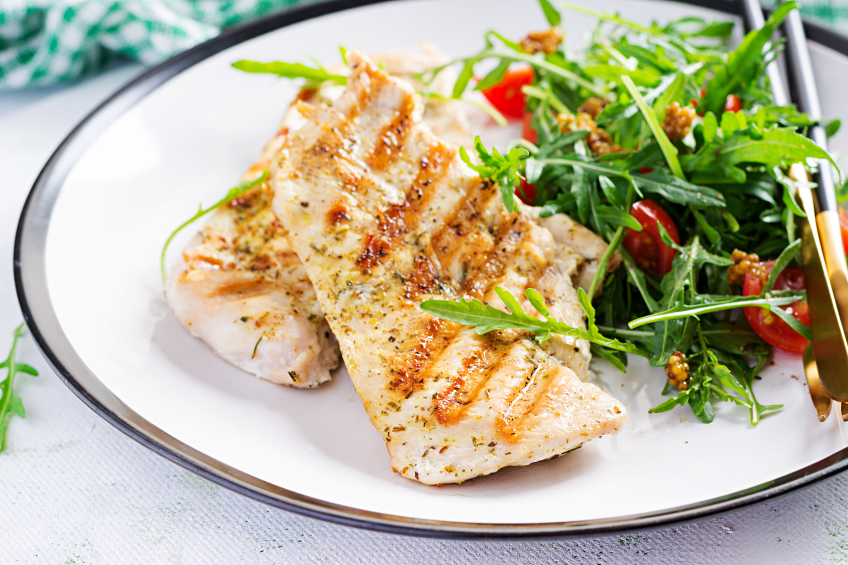

 Grilling tonight doesn’t have to mean sacrificing your health goals.
 Making smart choices at the grill starts with selecting lean proteins, fresh produce, and skipping heavily processed items. These simple swaps transform your cookout into a nutritious meal without sacrificing flavor.
 Grilling healthy meals requires attention to preparation, flavoring, and cooking methods. Clean equipment, the right seasonings, and proper temperature control make the difference between nutritious grilled food and dishes with harmful compounds.
 Grilled chicken recipes offer high protein content with minimal added fats while delivering bold flavors through marinades and seasoning techniques. These options work well for weeknight meals and provide versatility across different cuisines.
 Fish and seafood offer lean protein with omega-3 fatty acids while absorbing smoky grill flavors quickly. These options cook in under 15 minutes and pair well with fresh salsas and vegetables.
 Grilled vegetables develop a smoky char and caramelized sweetness that transforms their natural flavors. These recipes use simple seasonings like olive oil, herbs, and vinegar to enhance each vegetable’s unique taste and texture.
 Lean meats deliver high protein with less fat, making them ideal for healthy grilling. The right cuts and cooking methods keep calories low while maximizing flavor.
 Grilled meals become complete with sides that add nutrition, color, and fresh flavors. Pairing protein-rich salads with grilled fruit creates balanced plates that satisfy different taste preferences.
 Grilling healthy meals doesn’t require complicated recipes or hours of prep work. Quick marinades, simple seasoning combinations, and strategic protein-vegetable pairings let you create nutritious dinners in 30 minutes or less.


