Advantages and Disadvantages of Baking: A Comprehensive Guide for Home Cooks
Baking is a popular cooking method that uses dry heat in an oven to prepare a wide range of foods. From bread and pastries to vegetables and meats, this technique plays a major role in kitchens around the world. Understanding how baking works can help you make better choices about preparing meals.
Like any cooking method, baking offers both benefits and drawbacks that affect your food quality, time, and energy use.
Some foods turn out better when baked, while others need faster cooking methods. The way you bake can influence nutrition, taste, and how much effort you need to put into meal preparation.
This article explores how baking affects flavor, cooking time, ingredient choices, and your overall cooking experience. You’ll learn about the health aspects of baked foods and how this method can build your skills in the kitchen. Whether you bake regularly or are just starting out, knowing these factors will help you decide when baking is the right choice for your needs.
Enhances Flavor and Texture of Food
Baking transforms your ingredients through dry heat, creating rich flavors and appealing textures that other cooking methods can’t match. The consistent oven temperature allows sugars and proteins to caramelize, which develops deeper tastes in your food.
When you bake, moisture evaporates from the surface of your food. This creates a crispy, golden exterior while keeping the inside moist and tender. Think of freshly baked bread with its crunchy crust and soft center.
The dry heat method brings out natural sweetness in vegetables like carrots and sweet potatoes. Your food also develops complex aromas that make meals more enjoyable.
Baking works especially well for creating specific textures you want in your dishes:
Crispy exteriors on roasted vegetables
Flaky layers in pastries
Firm but tender proteins like chicken or fish
Chewy or crispy cookies depending on baking time
The controlled temperature means your food cooks evenly throughout. You get reliable results without needing to constantly watch or flip your ingredients. This gentle cooking process preserves the natural structure of your food while enhancing its best qualities.
Promotes Even Cooking Through Consistent Heat
Baking surrounds your food with heat from all sides inside the oven. This creates a stable cooking environment that delivers uniform results throughout your dish.
The enclosed oven space allows heat to move around food through radiation and convection. Your dish receives warmth from multiple directions instead of just one heat source. This method eliminates the problem of hot spots that can burn some areas while leaving others raw.
When you bake large cuts of meat or casseroles, every part cooks at the same rate. You won’t end up with dried edges and an undercooked center. The steady temperature means you don’t need to constantly flip or rotate your food.
Key benefits include:
No undercooked or overcooked portions
Less hands-on monitoring required
Better results for thick or layered dishes
Consistent browning on all surfaces
Baking works especially well for foods that need thorough cooking all the way through. Bread develops an even crumb structure, while roasted vegetables soften uniformly. This reliability makes baking a dependable method when you need predictable outcomes.
Retains Moisture in Baked Goods
Baking helps your food keep its natural moisture better than many other cooking methods. The controlled heat of an oven creates an environment where moisture stays trapped inside your baked goods.
When you bake items like bread or cakes, the outer layer forms a crust that acts as a barrier. This barrier locks moisture inside while your food cooks. The steam created during baking also helps keep the inside tender and moist.
You can boost moisture retention by choosing the right ingredients. Sugar binds water molecules and keeps your baked goods soft for longer periods. Adding ingredients like sour cream or applesauce to your recipes increases moisture content naturally.
The way you store your baked items matters too. When you put bread or cakes in airtight containers right after cooling, you prevent moisture from escaping. This keeps your baked goods fresh and prevents them from becoming dry or stale.
Your baking temperature and time also affect moisture levels. Lower temperatures for longer periods help moisture distribute evenly throughout your food. This creates a better texture and prevents dry spots from forming.
Allows Use of Healthy Ingredients Like Whole Grains
Baking gives you control over ingredients, making it easy to add whole grains to your diet. You can swap refined flour for whole grain alternatives in breads, muffins, cookies, and pastries.
Whole grains contain the entire kernel, which means you get more fiber, vitamins, and minerals in your baked goods. These nutrients support better digestion and help control blood sugar levels. Regular consumption may reduce your risk of heart disease and type 2 diabetes.
When you bake with whole grain flour, you’ll notice a nutty flavor that adds depth to your recipes. Start by mixing all-purpose flour with whole grain flour to keep a lighter texture while getting nutritional benefits. You can gradually increase the whole grain portion as you get comfortable with the results.
Key whole grains you can use:
Whole wheat flour
Oat flour
Barley flour
Brown rice flour
Rye flour
Keep in mind that whole grain flour behaves differently than refined flour. Your baked goods may need slight adjustments to ingredient ratios or baking times, especially with freshly milled or small-batch grains.
Produces Appealing Aromas That Improve Appetite
Baking creates pleasant smells that make you want to eat more. When you bake foods like bread, cookies, or roasted meats, a chemical process called the Maillard reaction happens. This reaction produces compounds that create those tempting scents you smell coming from your oven.
These aromas work directly on your brain and body. Research shows that food scents can regulate appetite-related chemicals in your system and affect your nervous system. The smell of baked goods can stimulate your taste buds before you even take a bite.
This effect offers clear benefits when you’re preparing meals.
The appetizing smells can:
Make food more enjoyable and satisfying
Increase your interest in eating
Enhance the overall flavor experience
Create anticipation for the meal
The compounds produced during baking include furans, pyrazines, and other structures that your nose recognizes as pleasant. You’ll notice these scents most strongly in toasted bread, roasted coffee, and fresh cookies. These aromas signal to your body that flavorful food is ready, which naturally increases your appetite and makes eating more pleasurable.
Requires Longer Cooking Times Compared to Frying
Baking takes more time than frying to cook the same foods. When you fry chicken or fish, the hot oil transfers heat quickly to the food’s surface, often finishing in minutes. Baking the same items can take 30 to 45 minutes or longer.
You need to plan your meals differently when you choose to bake. Frying works well when you’re in a hurry because the high heat cooks food fast. Baking requires patience as the dry heat from your oven slowly cooks food through.
The time difference becomes clear with specific foods. Fried chicken pieces might be ready in 12 to 15 minutes, while baked chicken needs 35 to 40 minutes at standard temperatures. French fries take about 3 to 4 minutes in hot oil but need 25 to 30 minutes in the oven.
Your cooking schedule matters when picking between these methods. Baking works better when you can start early and wait for your food to finish. If you need dinner ready quickly, frying delivers faster results.
Energy Consumption Is Higher Due to Oven Use
Baking requires significant electricity compared to other cooking methods. Your oven draws considerable power to maintain high temperatures for extended periods, which directly impacts your utility bills.
Electric ovens consume between 2,000 and 5,000 watts per hour depending on their size and model. Gas ovens use less electricity for operation but still require energy for ignition systems and fans.
The baking process demands more energy than quick-cooking methods for several reasons:
Ovens need 10-15 minutes of preheating before use
Heat escapes each time you open the door
Longer cooking times mean continuous energy draw
Insulation quality affects how much power is needed to maintain temperature
Older ovens perform worse than newer models because their insulation degrades over time. This wear leads to increased heat loss and higher electricity usage.
Your choice of baking temperature also matters. Higher settings require more power to reach and maintain. Convection ovens can reduce energy use slightly by cooking food faster with circulating air, but they still consume more power than stovetop cooking or microwaving.
Limited Suitability for Quick Meals
Baking is not the best choice when you need to prepare food quickly. The method requires extended cooking times that make it impractical for rushed situations or last-minute meals.
Most baked dishes need at least 20 to 45 minutes in the oven. Complex recipes like roasts or casseroles can take over an hour to finish cooking. This time frame doesn’t work well when you’re hungry and need food ready fast.
You also need to factor in preheating time. Your oven typically needs 10 to 15 minutes to reach the right temperature before you can even start cooking.
Other cooking methods work better for quick meals:
Stir-frying cooks food in just 5 to 10 minutes
Pan-frying produces ready-to-eat results in 10 to 15 minutes
Boiling can prepare vegetables and pasta in under 15 minutes
Baking requires planning ahead. You need to consider total cooking time plus preparation and preheating when deciding what to make for dinner. This makes baking less suitable for weeknight dinners or situations where time is limited.
Potential for overcooking or drying out food
Baking poses a real risk of removing too much moisture from your food. When you bake items for too long or at temperatures that are too high, the food loses water and becomes dry or tough.
This problem happens because baking uses dry heat that pulls moisture from food over time. Foods with low water content face the biggest challenge. Meats can turn chewy and vegetables can become shriveled if you leave them in the oven past their ideal cooking time.
You need to watch your food carefully during baking. Different foods require different temperatures and times, which makes it easy to miscalculate. A few extra minutes can turn a moist chicken breast into a dry, hard piece of meat.
The issue gets worse with smaller or thinner foods that cook faster. These items have less margin for error. Your baked goods can also suffer, turning from perfectly golden to burnt and dried out in just minutes.
Using a thermometer helps you avoid overcooking. Checking your food regularly and following tested recipes reduces the risk of drying out your meals.
Requires Precise Temperature Control for Best Results
Baking demands accurate oven temperatures to achieve the results you want. Even small changes of 10 to 15 degrees can affect how your food turns out.
Different baked goods need specific temperature ranges to work properly. Bread typically requires temperatures between 160 and 250 degrees Celsius. Cakes need controlled heat to rise correctly and develop the right texture.
You should use an oven thermometer to check your actual oven temperature. Many ovens run hotter or cooler than the dial shows. This tool helps you maintain the exact heat your recipe needs.
Temperature control affects several key outcomes in your baking:
The rise and structure of breads and cakes
The color and browning of the crust
The final texture of your baked goods
Whether items are cooked through properly
Without proper temperature management, you might face collapsed cakes or undercooked centers. Your baked goods could brown too quickly on the outside while staying raw inside. This makes baking less forgiving than cooking methods where you can easily adjust as you go.
Health Implications of Baking
Baking affects your health through the ingredients you choose and how the cooking process changes food’s nutritional content. The method itself uses less fat than frying, but what you put in your recipes determines whether baked foods support or harm your health goals.
Nutritional Aspects of Baked Foods
Baking preserves more nutrients than boiling or frying. Vitamins and minerals stay in your food because they don’t leach into water or get destroyed by excessive heat from oil.
The cooking method requires minimal added fats. You can bake chicken, fish, and vegetables with little to no oil, which keeps calorie counts lower than fried versions.
Key nutritional benefits:
Proteins become easier to digest when baked
Natural flavors intensify without needing extra salt or sauces
Fat content stays controlled when you use parchment paper instead of butter
However, baking at high temperatures can reduce some heat-sensitive vitamins like vitamin C and certain B vitamins. The nutrient loss remains less significant than other cooking methods.
Dietary Considerations
Your ingredient choices make baked foods either healthy or problematic. Commercial baked goods typically contain high amounts of refined sugar, white flour, and unhealthy fats that add empty calories to your diet.
When you bake at home, you control what goes into your food. You can swap refined flour for whole grains, reduce sugar content, and choose healthier fat sources like olive oil.
Smart ingredient swaps:
Use whole wheat flour instead of all-purpose flour
Replace butter with mashed bananas or applesauce in sweet recipes
Cut sugar amounts by one-third without major taste changes
Watch your portion sizes with baked desserts and breads, as they still contain significant calories even when made with better ingredients.
Influence on Culinary Skills and Creativity
Baking develops precise technical abilities while creating opportunities to explore new flavor combinations and presentation styles. These dual benefits make it a valuable practice for expanding your cooking capabilities.
Building Baking Techniques
Baking requires you to master specific methods that transfer to other areas of cooking. You learn to measure ingredients accurately, which builds attention to detail. Temperature control becomes second nature as you monitor oven settings and recognize when baked goods reach proper doneness.
Working with dough teaches you about gluten development and proper mixing techniques. You develop hand skills through kneading, folding, and shaping. Timing skills improve as you coordinate multiple steps in recipes with strict sequences.
Key technical skills you gain:
Understanding ingredient ratios and their effects
Reading visual and tactile cues for doneness
Managing multiple cooking stages simultaneously
Using specialized tools like stand mixers and pastry cutters
These foundational abilities apply across different cooking styles and help you execute recipes with greater precision.
Encouraging Experimentation
Baking provides a framework for creative exploration once you understand basic principles. You can modify flavor profiles by adding spices, extracts, or citrus zests to standard recipes. Ingredient substitutions let you test alternatives like different flours or sweeteners.
Decoration offers unlimited creative potential. You control visual presentation through frosting techniques, garnishes, and plating choices. Combining textures and flavors in layered desserts develops your ability to balance components.
Starting with proven recipes gives you confidence to make small adjustments. Each successful modification builds your understanding of how ingredients interact and encourages bolder innovations.
FAQ: Advantages and Disadvantages of Baking
Baking is a popular cooking method used for everything from bread to desserts. While it has many benefits, there are also some drawbacks to consider. Here’s a clear and reader-friendly FAQ.
What Are the Advantages of Baking?
Baking offers several benefits:
Uses little to no added oil
Lower in fat compared to frying
Helps retain nutrients in some foods
Allows better control over ingredients
Can produce consistent and even results
What Are the Disadvantages of Baking?
Despite its benefits, baking also has some downsides:
Can be time-consuming
Requires precise measurements
Some nutrients may be lost due to heat
Not all foods are suitable for baking
Is Baking Healthier Than Other Cooking Methods?
Baking is generally healthier than frying because it uses less fat. However, the overall healthiness still depends on the ingredients used.
Does Baking Reduce Nutritional Value?
Some heat-sensitive vitamins, like vitamin C, may be reduced during baking. However, many nutrients remain, and the impact is usually moderate.
Is Baking Good for Weight Management?
Baking can support weight management when healthier ingredients and portion control are used. However, baked goods high in sugar and fat can still be calorie-dense.
Why Is Baking Considered a Healthy Cooking Method?
Baking avoids excessive oil and allows food to cook evenly, making it a cleaner and often healthier option compared to frying.
Is Home Baking Better Than Store-Bought?
Yes, home baking is often healthier because you can:
Control sugar and fat levels
Choose better-quality ingredients
Avoid preservatives and additives
Can Baking Be Unhealthy?
Yes, baking can be unhealthy if recipes include high amounts of sugar, butter, or refined ingredients. The method itself is healthy, but the ingredients matter.
What Are the Main Challenges of Baking?
Precision is required
Timing must be accurate
Mistakes can affect the final result significantly
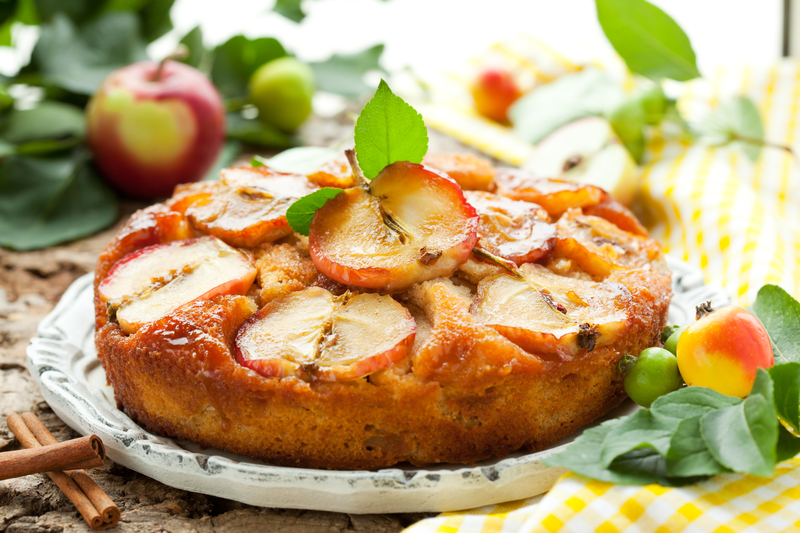

 Baking is a popular cooking method that uses dry heat in an oven to prepare a wide range of foods. From bread and pastries to vegetables and meats, this technique plays a major role in kitchens around the world. Understanding how baking works can help you make better choices about preparing meals.
 Baking transforms your ingredients through dry heat, creating rich flavors and appealing textures that other cooking methods can’t match. The consistent oven temperature allows sugars and proteins to caramelize, which develops deeper tastes in your food.
 Baking surrounds your food with heat from all sides inside the oven. This creates a stable cooking environment that delivers uniform results throughout your dish.
 Baking helps your food keep its natural moisture better than many other cooking methods. The controlled heat of an oven creates an environment where moisture stays trapped inside your baked goods.
 Baking gives you control over ingredients, making it easy to add whole grains to your diet. You can swap refined flour for whole grain alternatives in breads, muffins, cookies, and pastries.
 Baking creates pleasant smells that make you want to eat more. When you bake foods like bread, cookies, or roasted meats, a chemical process called the Maillard reaction happens. This reaction produces compounds that create those tempting scents you smell coming from your oven.
 Baking takes more time than frying to cook the same foods. When you fry chicken or fish, the hot oil transfers heat quickly to the food’s surface, often finishing in minutes. Baking the same items can take 30 to 45 minutes or longer.
 Baking requires significant electricity compared to other cooking methods. Your oven draws considerable power to maintain high temperatures for extended periods, which directly impacts your utility bills.
 Baking is not the best choice when you need to prepare food quickly. The method requires extended cooking times that make it impractical for rushed situations or last-minute meals.
 Baking poses a real risk of removing too much moisture from your food. When you bake items for too long or at temperatures that are too high, the food loses water and becomes dry or tough.
 Baking demands accurate oven temperatures to achieve the results you want. Even small changes of 10 to 15 degrees can affect how your food turns out.
 Baking affects your health through the ingredients you choose and how the cooking process changes food’s nutritional content. The method itself uses less fat than frying, but what you put in your recipes determines whether baked foods support or harm your health goals.
 Baking develops precise technical abilities while creating opportunities to explore new flavor combinations and presentation styles. These dual benefits make it a valuable practice for expanding your cooking capabilities.


