How to Bake Salmon at 400: Perfect Timing and Temperature Guide
Baking salmon at 400 degrees gives you tender, flaky fish in just 12 to 15 minutes. This temperature works well because it cooks the salmon evenly without drying it out. You get moist fish with a lightly browned surface that looks and tastes great.
The general rule is to bake salmon fillets at 400 degrees for 12 to 15 minutes, or about 4 to 6 minutes per half-inch of thickness, until the internal temperature reaches 145 degrees Fahrenheit.
Thicker fillets need more time, while thinner pieces cook faster. Using a thermometer helps you avoid overcooking.
This guide walks you through everything you need to know about baking salmon at this temperature. You’ll learn which cuts work best, how to season your fish, and what mistakes to avoid. You’ll also find tips for cooking frozen salmon and creative ways to serve your finished dish.
Why Bake Salmon at 400 Degrees?
Baking salmon at 400°F creates a cooking environment that cooks the fish quickly while keeping it moist inside. This temperature prevents the common problems of dried-out or unevenly cooked fish that happen at higher or lower temperatures.
Benefits of Baking at 400°F
When you bake salmon at 400 degrees, the fish cooks in 12 to 15 minutes for standard fillets. This speed helps lock in moisture before the delicate proteins have time to dry out.
The heat at this temperature renders the natural fats in the salmon properly. These fats keep the fish tender and add flavor while it cooks. You’ll notice the difference in texture compared to fish baked at other temperatures.
Your salmon reaches the safe internal temperature of 145°F without overcooking the outer layers. The even heat distribution at 400°F means the center finishes cooking at nearly the same time as the edges. This prevents that tough, rubbery texture that happens when the outside overcooks before the inside is done.
The Maillard reaction happens at this temperature, which creates light browning on the surface. This adds depth to the flavor without charring or burning the fish.
400°F vs Other Temperatures
Baking salmon at 400°F takes about 12-15 minutes, while lower temperatures like 350°F require 20-25 minutes. The longer cooking time at lower heat often dries out the fish, even though it seems gentler.
Higher temperatures above 425°F cook salmon in under 10 minutes but create problems. The outside can become dry and crusty before the center reaches 145°F. You have less room for error with timing.
At 375°F, you need to add 5-8 minutes to your cooking time. This extended exposure to heat pulls more moisture from the fish. The texture becomes less flaky and more dense.
The 400°F sweet spot gives you enough time to develop flavor on the surface while the inside stays moist. You can use a thermometer to check doneness without worrying about rapid temperature changes that happen at higher settings.
How Long to Bake Salmon at 400
Baking salmon at 400°F typically takes 10-15 minutes depending on thickness, with the goal of reaching an internal temperature of 125-135°F for moist, flaky results.
Guidelines by Thickness and Weight
A standard 4-6 ounce salmon fillet that’s about 1 inch thick needs 12-15 minutes at 400°F. Thinner fillets under 1 inch cook faster, usually around 10-12 minutes.
Thicker cuts over 1 inch require 15-20 minutes to cook through properly. You can use the rule of 12-15 minutes per inch of thickness as your baseline timing guide.
Weight matters less than thickness when determining cook time. A 6-ounce fillet that’s thin will finish before a 4-ounce fillet that’s especially thick.
Quick Reference by Thickness:
Under 1 inch: 10-12 minutes
1 inch: 12-15 minutes
Over 1 inch: 15-20 minutes
Internal Temperature for Doneness
Pull your salmon from the oven when it reaches 125-130°F in the thickest part. The temperature will continue rising to 130-135°F as it rests, giving you perfectly cooked salmon.
Use an instant-read thermometer inserted into the thickest section for accurate readings. The FDA recommends 145°F for well-done fish, but this often results in dry, overcooked salmon.
Temperature Guide:
125-130°F: Medium-rare (moist and tender)
130-135°F: Medium (recommended for best texture)
140°F+: Well-done (risk of dryness)
Let the salmon rest 5 minutes after removing it from the oven. This allows juices to redistribute throughout the fillet.
Visual and Textural Signs of Perfection
Perfectly baked salmon turns from translucent to opaque with a light pink color throughout. The flesh should flake easily when gently pressed with a fork but still hold together.
Look for white protein (albumin) appearing on the surface—this is normal and means your salmon is nearly done. The edges will appear slightly firm while the center remains tender.
Press the top gently with your finger. It should feel firm but still have some give, similar to pressing the fleshy part of your palm below your thumb. If it feels mushy, it needs more time.
Types and Cuts of Salmon for Baking
Different types of salmon and cuts affect how your fish cooks at 400°F. Wild-caught and farmed varieties have distinct fat contents, while certain cuts require adjusted baking times.
Wild-Caught vs Farmed Salmon
Farmed salmon contains more fat than wild varieties, which helps it stay moist during baking. Atlantic salmon is almost always farmed and has a milder flavor with visible white fat lines throughout the flesh.
Wild-caught salmon is leaner and has a firmer texture. It can dry out faster at 400°F, so you need to watch the cooking time closely. Wild salmon costs more but offers stronger flavor and higher omega-3 levels.
The fat difference matters when baking. Farmed salmon can handle slightly longer cooking times without becoming dry. Wild salmon needs precise timing to avoid overcooking.
Popular Salmon Varieties
Sockeye salmon is a wild variety with bright red flesh and rich flavor. It has less fat than farmed options, so it bakes best at 12-15 minutes for a 1-inch fillet.
Atlantic salmon dominates grocery stores and is the fattiest option. Its high oil content makes it forgiving when baking at 400°F.
King salmon has the highest fat content of all types and a buttery taste. It holds up well to baking and stays moist even if slightly overcooked.
Coho salmon offers medium fat content and a balanced flavor between sockeye and Atlantic varieties.
Choosing the Right Cut
Fillets are the most common cut for baking at 400°F. They cook evenly and take 12-15 minutes for thin cuts (¾ inch) or 15-20 minutes for thicker ones (1 inch).
Salmon steaks contain the bone and are cut across the body. They need 15-25 minutes depending on thickness since the bone affects heat distribution.
Whole salmon requires 20 minutes per pound at 400°F. This cut works best for feeding groups but needs careful monitoring to ensure the thickest part reaches 145°F.
For consistent results, choose fillets of uniform thickness. This ensures all pieces finish cooking at the same time.
Step-by-Step: How to Bake Salmon at 400
Baking salmon at 400°F requires proper preparation, strategic seasoning, and the right cooking method to achieve moist, flaky results. You’ll need 10-12 minutes per inch of thickness for perfectly cooked salmon fillets.
Preparing the Salmon Fillets
Start with room temperature salmon for even cooking. Remove the fillets from the refrigerator 15-20 minutes before baking.
Pat the salmon dry with paper towels to eliminate surface moisture. This step helps seasonings stick better and promotes browning during baking.
Check for pin bones by running your fingers along the fillet. Use clean tweezers to pull out any remaining bones you find.
You can leave the skin on or remove it. The skin acts as a protective barrier that locks in moisture and prevents the fish from sticking to the pan. If you prefer skinless salmon, carefully slide a sharp knife between the flesh and skin before seasoning.
Cut fillets to similar thickness so they cook evenly. Thinner tail sections can be folded under to match the thickness of the center cut.
Seasoning and Flavor Combinations
Brush each fillet with olive oil or melted butter before adding seasonings. This creates a base layer that helps spices adhere and adds richness.
For classic seasoning, combine salt, black pepper, and garlic powder. A simple mix of 1 teaspoon salt, ½ teaspoon pepper, and ½ teaspoon garlic powder works for four fillets.
Popular flavor combinations:
Lemon herb: fresh dill, parsley, lemon zest, and juice
Garlic butter: minced garlic, melted butter, and fresh thyme
Honey soy glaze: soy sauce, honey, ginger, and sesame oil
Herb crusted salmon: breadcrumbs mixed with parsley, dill, and olive oil
Apply seasonings evenly across the top and sides. For herb crusted salmon, press the breadcrumb mixture gently onto the surface so it stays in place during baking.
Let seasoned fillets sit for 5 minutes before baking to allow flavors to absorb.
Recommended Baking Methods
Preheat your oven to 400°F before preparing the salmon. A fully heated oven ensures consistent cooking from the start.
Open pan method: Place salmon fillets on a parchment-lined baking sheet. This method works best when you want a slightly crispy exterior. Bake for 10-12 minutes per inch of thickness.
Foil packet method: To bake salmon in foil, place each fillet on a piece of aluminum foil with lemon slices and herbs. Fold the foil into a sealed packet, leaving some air space inside. This technique traps steam and keeps the fish exceptionally moist. Add 2-3 minutes to the cooking time since the foil slows direct heat transfer.
Position the baking sheet on the middle rack for balanced heat distribution. Avoid the top rack, which can overcook the surface before the inside finishes.
Insert an instant-read thermometer into the thickest part of the fillet. Remove the salmon when it reaches 135°F for medium or 145°F for well-done. The fish will continue cooking for another 2-3 degrees after you take it out.
Let the baked salmon rest for 3 minutes before serving. This allows the juices to redistribute throughout the fillet for maximum tenderness.
Expert Tips and Common Mistakes
Getting baked salmon right requires attention to a few key details. Moisture retention and proper timing make the difference between perfectly cooked salmon and a disappointing result.
Tips for Juicy, Flaky Salmon
Use a meat thermometer to check for an internal temperature of 145°F. This ensures your salmon is cooked through without guessing based on time alone.
Pat your salmon completely dry with paper towels before seasoning. Excess moisture creates steam instead of allowing the surface to develop texture.
Let the salmon rest for 3-4 minutes after removing it from the oven. The carryover cooking brings it to the perfect doneness while the juices redistribute throughout the fillet.
Season generously with salt at least 15 minutes before baking. This allows the salt to penetrate the fish and enhance its natural flavor.
Place salmon on a lined baking sheet with space between fillets. Crowding traps moisture and prevents even cooking.
Mistakes That Lead to Dry or Overcooked Salmon
Overbaking is the most common error when preparing salmon at 400°F. Thick fillets need 12-15 minutes, while thinner pieces may only need 10 minutes.
Skipping the thermometer leads to guesswork. Relying solely on visual cues often results in cooking past 145°F, which dries out the fish.
Baking straight from the refrigerator creates uneven cooking. Let your salmon sit at room temperature for 10-15 minutes before it goes in the oven.
Using high heat without oil or butter strips moisture from the surface. A light coating of fat protects the salmon and adds flavor.
Opening the oven door repeatedly drops the temperature and extends cooking time. This throws off your timing and can lead to overcooking as you compensate.
Creative Variations and Serving Suggestions
Once you master basic baked salmon at 400, you can explore different flavor combinations and learn proper storage methods to enjoy your salmon throughout the week.
Easy Salmon Recipes and Flavor Profiles
Glazed variations transform plain salmon into restaurant-quality dishes. A honey-mustard glaze combines 2 tablespoons honey with 1 tablespoon Dijon mustard and brush it on during the last 5 minutes of baking. For Asian-inspired flavor, mix 3 tablespoons soy sauce with 2 tablespoons maple syrup and 1 teaspoon minced ginger.
Mediterranean salmon recipes use fresh herbs and citrus. Top your fillets with sliced tomatoes, Kalamata olives, capers, and fresh basil before baking. Drizzle with olive oil and add a squeeze of lemon juice.
Crusted options add texture to your salmon recipe. Mix panko breadcrumbs with grated Parmesan cheese, minced garlic, and fresh dill. Press this mixture onto the salmon surface before baking for a crispy coating.
Sheet-pan dinners let you cook vegetables alongside your salmon. Add bell peppers, zucchini, and cherry tomatoes to the baking sheet, toss them in olive oil, and season everything together for a complete meal in 15-20 minutes.
How to Serve and Store Leftover Baked Salmon
Side dish pairings enhance your baked salmon meal. Roasted asparagus, steamed broccoli, or Brussels sprouts work well with the fish’s rich flavor. Serve quinoa, rice pilaf, or roasted sweet potatoes as your base. A fresh arugula salad with lemon vinaigrette balances the salmon’s richness.
Storage guidelines keep leftover baked salmon fresh for 3-4 days in the refrigerator. Let the fish cool completely, then transfer it to an airtight container. Place parchment paper between fillets to prevent sticking.
Reheating methods preserve moisture in your leftovers. Warm salmon in a 275°F oven for 10-15 minutes, covered with foil. You can also enjoy leftover baked salmon cold in salads, grain bowls, or salmon cakes. Flake the cold fish over mixed greens with cucumber and avocado, or mix it with mashed potatoes and breadcrumbs to form patties for pan-frying.
Baking Salmon from Frozen
You can bake salmon directly from the freezer without thawing, and it often produces moist, flaky results. Frozen fillets require slightly longer cooking times and need proper preparation to avoid excess moisture.
Is it Safe to Bake Frozen Salmon?
Baking frozen salmon is completely safe and recommended by food safety experts. The USDA confirms that you can cook fish from frozen as long as it reaches an internal temperature of 145°F.
Cooking from frozen actually offers benefits over thawed salmon. The frozen center prevents the outer layers from overcooking while the inside reaches the proper temperature. This results in a more evenly cooked fillet.
Before baking, remove all packaging and rinse the frozen fillets under cold water. Pat them dry with paper towels to remove ice crystals that can create steam and make your salmon soggy. Apply oil or butter to help seasonings stick to the cold surface.
Timing Adjustments for Frozen Fillets
Frozen salmon takes 18 to 22 minutes to bake at 400°F, compared to 12 to 15 minutes for thawed fillets. A standard 6-ounce fillet about one inch thick typically needs 18 minutes.
Thicker fillets or whole sides of salmon require 25 to 30 minutes at 400°F. Check the internal temperature at the thickest part starting at 18 minutes to avoid overcooking.
Frozen Salmon Baking Times at 400°F:
Individual fillets (1 inch thick): 18-22 minutes
Thick fillets (1.5+ inches): 22-25 minutes
Whole side of salmon: 25-30 minutes
For extra moisture, wrap your frozen salmon in foil with lemon and butter. This adds 2 to 4 minutes to the total cooking time but creates a steam-poached texture.
FAQ: How to Bake Salmon at 400°F
Baking salmon at 400°F is a simple and effective way to get tender, flavorful fish with a slightly crisp exterior.
How Do You Bake Salmon at 400°F?
Preheat your oven to 400°F (200°C)
Place salmon fillets on a baking sheet lined with parchment paper or foil
Season with salt, pepper, and optional herbs or lemon
Bake for 12–15 minutes for fillets, or 15–20 minutes for thicker cuts
The salmon is done when it flakes easily with a fork
How Long Should Salmon Bake at 400°F?
Thin fillets (1 inch): 12–15 minutes
Thick fillets (1.5–2 inches): 15–20 minutes
Whole salmon may take 20–25 minutes
Check doneness by ensuring the fish flakes easily and reaches an internal temperature of 145°F (63°C).
Should You Cover Salmon When Baking?
Baking uncovered gives a slightly crispy exterior
Covering with foil keeps it moist and tender
Both methods work depending on your texture preference
Do You Need Oil or Butter When Baking Salmon?
A light drizzle of olive oil or a small pat of butter helps keep salmon moist
You can also bake without added fat if using fatty salmon like Atlantic or King salmon
Can You Bake Salmon with Lemon and Herbs?
Yes! Adding lemon slices, garlic, dill, parsley, or other herbs enhances flavor and keeps the salmon moist.
How Do You Know When Salmon Is Done?
The fish should flake easily with a fork
It should appear opaque rather than translucent
Optional: Use a meat thermometer to check for 145°F (63°C) internal temperature
Can You Bake Frozen Salmon at 400°F?
Yes, but it may take 5–10 minutes longer than fresh salmon.
Baking frozen salmon works best if fillets are separated and evenly spaced.
What Side Dishes Go Well with Baked Salmon?
Roasted vegetables
Steamed or sautéed greens
Rice, quinoa, or couscous
Lemon wedges or light sauces
Can You Bake Salmon at 400°F Without Overcooking?
Yes, keep an eye on the time and check for flaking.
Thicker cuts may need a few extra minutes, but overcooking is easy to avoid at 400°F if you monitor it closely.
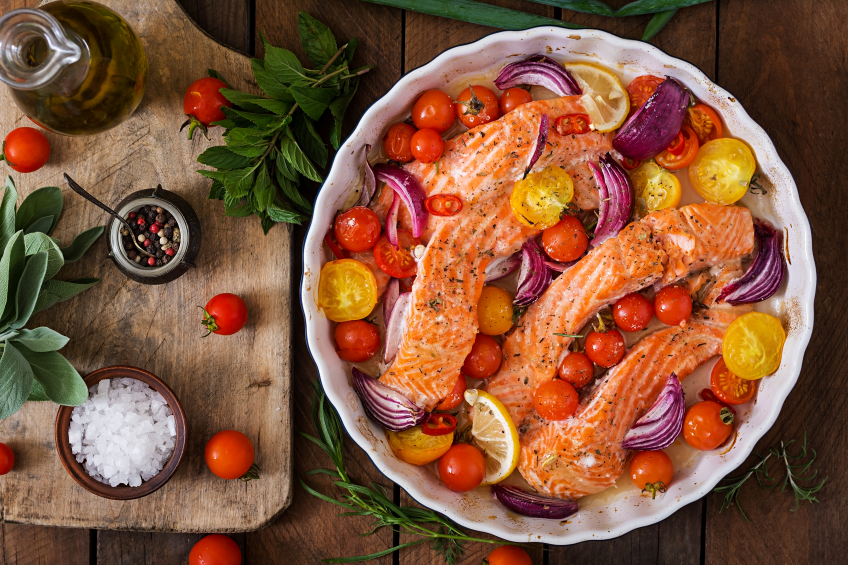

 Baking salmon at 400 degrees gives you tender, flaky fish in just 12 to 15 minutes. This temperature works well because it cooks the salmon evenly without drying it out. You get moist fish with a lightly browned surface that looks and tastes great.
 Baking salmon at 400°F creates a cooking environment that cooks the fish quickly while keeping it moist inside. This temperature prevents the common problems of dried-out or unevenly cooked fish that happen at higher or lower temperatures.
 Baking salmon at 400°F typically takes 10-15 minutes depending on thickness, with the goal of reaching an internal temperature of 125-135°F for moist, flaky results.
 Different types of salmon and cuts affect how your fish cooks at 400°F. Wild-caught and farmed varieties have distinct fat contents, while certain cuts require adjusted baking times.
 Baking salmon at 400°F requires proper preparation, strategic seasoning, and the right cooking method to achieve moist, flaky results. You’ll need 10-12 minutes per inch of thickness for perfectly cooked salmon fillets.
 Getting baked salmon right requires attention to a few key details. Moisture retention and proper timing make the difference between perfectly cooked salmon and a disappointing result.
 Once you master basic baked salmon at 400, you can explore different flavor combinations and learn proper storage methods to enjoy your salmon throughout the week.
 You can bake salmon directly from the freezer without thawing, and it often produces moist, flaky results. Frozen fillets require slightly longer cooking times and need proper preparation to avoid excess moisture.
 Baking salmon at 400°F is a simple and effective way to get tender, flavorful fish with a slightly crisp exterior.


