How to Bake Salmon: Expert Steps for Perfect, Flaky Salmon Every Time
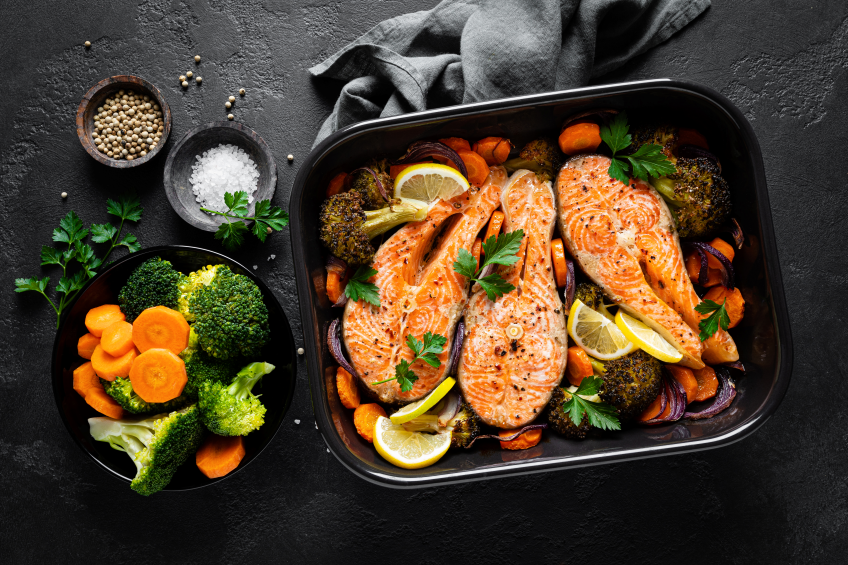
Baking salmon in the oven is one of the easiest ways to prepare this healthy fish for dinner. You can have tender, flaky fillets ready in about 15 to 20 minutes with minimal effort and cleanup.
The key to perfect oven-baked salmon is cooking it at 450 degrees F, which allows the fish to cook quickly while staying moist and developing a crispy skin.
This high-heat method locks in natural juices and creates better texture than lower temperatures.
This guide walks you through selecting quality salmon, properly preparing your fillets, and mastering the basic baking technique. You’ll also learn about different cooking methods, seasoning options, and how to store leftovers for future meals.
Why Bake Salmon?
Baking salmon is one of the easiest and most dependable ways to achieve perfectly moist, flaky fish with minimal effort. It requires no special equipment or advanced techniques—just a simple setup and consistent heat to do the work for you.
When you wrap the salmon in foil or parchment, you create a sealed environment that gently steams the fish as it cooks. This method locks in moisture, preventing the salmon from drying out while ensuring even cooking throughout. The result is tender, delicate flesh every time.
This enclosed “packet” method also enhances flavor. As the salmon cooks, herbs, citrus, garlic, and glazes release their aromas into the trapped steam, allowing those flavors to fully infuse the fish—more effectively than open roasting or pan-frying.
If you prefer to avoid foil, parchment paper is an excellent alternative. You can line a baking sheet or create a parchment pouch to keep the salmon from direct contact with metal. It offers the same moisture-retaining benefits while still allowing the ingredients to meld beautifully.
Benefits at a glance:
Beginner-friendly and low-effort
Even, consistent cooking
Moist, flaky texture
Excellent flavor absorption
Choosing the Best Salmon for Baking
Wild vs. Farmed Salmon
Wild salmon comes from ocean fisheries and offers a leaner texture with firmer flesh. These fish develop their color and flavor from natural diets of krill and small crustaceans. Farmed salmon grows in controlled environments and contains more fat due to high-protein feed, resulting in a richer taste and softer texture.
Wild-caught Alaskan salmon provides the highest quality standards in North America. You’ll pay more per pound for wild options, but the cleaner flavor profile works well with simple seasonings. Farmed Atlantic salmon costs less and remains available year-round, making it the most common choice in grocery stores.
Types of Salmon for Baking
Sockeye salmon stands out as the best all-purpose baking choice because it balances fat content with affordability. This species delivers strong, meaty flavor and forgives slight overcooking better than leaner varieties. Look for deep red flesh from edge to edge when selecting your fillet.
King salmon contains the highest fat content, creating exceptionally moist results but carrying premium prices. Coho salmon offers the leanest option and dries out quickly in the oven, making it better suited for smoking or dips. Atlantic salmon (typically farmed) provides mild flavor and consistent availability. Chum salmon works for budget-conscious cooking but has the palest color and lowest oil content.
Salmon Type
Fat Content
Best Use
Price Point
King
Highest
Special occasions
$$$$
Sockeye
Medium
Everyday baking
$$$
Coho
Low
Smoking, dips
$$
Atlantic
Medium-high
Versatile cooking
$$
Chum
Lowest
Budget meals
$
Selecting Fresh or Frozen Salmon
Fresh salmon fillets should smell like clean ocean water, not fishy or ammonia-like odors. Press the flesh gently—it should bounce back immediately without leaving an indentation. Skin-on, center-cut fillets with even thickness throughout ensure consistent cooking.
Frozen salmon maintains quality if flash-frozen shortly after catch. Check packaging for ice crystals or freezer burn, which indicate poor storage conditions. Thaw frozen fillets in your refrigerator overnight rather than at room temperature to prevent bacterial growth.
Choose whole fillets over pre-portioned pieces when possible, as larger cuts retain moisture better during baking. Copper River sockeye represents premium wild-caught quality if your budget allows.
Preparing Salmon for Baking
Getting your salmon ready involves removing bones, deciding whether to keep the skin, and optionally using brines or marinades to enhance moisture and flavor.
Trimming and Deboning
Run your fingers along the salmon fillet to locate any pin bones that remain after butchering. Use clean fish tweezers or needle-nose pliers to grip each bone firmly and pull at a slight angle in the direction the bone naturally points. Most salmon fillets contain 15-20 pin bones concentrated in the thickest part of the flesh.
Trim away any brown or gray fat along the belly section if present, as this tissue can taste fishy when cooked. Remove any ragged edges or thin tail portions that would overcook before the thicker parts finish baking. For a whole side of salmon, you may need to spend 5-10 minutes on this process to ensure every bone is removed.
Skin-On vs. Skinless Preparation
Skin-on salmon provides a protective barrier during baking that keeps the flesh moist and prevents sticking to the pan. The skin crisps at temperatures above 400°F and contains omega-3 fatty acids plus collagen. Place skin-on salmon directly on a lined baking sheet with the skin facing down.
Skinless fillets cook faster and absorb marinades more readily throughout the entire surface. Pat skinless pieces completely dry with paper towels before seasoning, as excess moisture prevents proper browning. Lightly oil your baking sheet or use parchment paper to prevent skinless salmon from sticking during cooking.
If you purchase skin-on salmon but prefer it removed, slide a sharp knife between the skin and flesh at one end, then hold the skin taut while angling the blade parallel to cut through.
Brining and Marinating
A basic brine consists of 4 tablespoons salt dissolved in 4 cups cold water, with the salmon submerged for 30 minutes before patting dry. Brining increases moisture retention by 10-15% and seasons the fish throughout rather than just on the surface. Rinse the salmon after brining to prevent overly salty results.
Marinades containing acid (lemon juice, vinegar) or enzymes (pineapple, ginger) should contact salmon for only 15-30 minutes to avoid mushy texture. Oil-based marinades with garlic, herbs, or soy sauce can be applied for up to 2 hours refrigerated. Reserve some unmarinated portions when using acidic mixtures on a whole side of salmon, as different thickness areas absorb liquid at different rates.
Pat marinated salmon dry before baking to achieve better surface browning and prevent steaming.
How to Bake Salmon: Step-by-Step Guide
Baking salmon is a simple, reliable method that delivers moist, flaky results when done correctly. Success comes down to three essentials: using the right ingredients and tools, cooking at the proper temperature for the correct amount of time, and applying seasoning that enhances the fish’s natural flavor.
Ingredients and Essential Tools
Start with four 6-ounce salmon fillets. Wild-caught salmon tends to have a firmer texture and more pronounced flavor, while farmed salmon is typically milder and richer due to its higher fat content.
A meat thermometer is highly recommended to ensure accurate doneness without overcooking.
For basic seasoning, you’ll need 2 tablespoons olive oil, 2 tablespoons fresh lemon juice, 2 cloves garlic (minced), and 1 teaspoon each of salt, black pepper, and paprika.
Optional ingredients for added flavor include 1 tablespoon Dijon mustard, 1 tablespoon honey, 1 teaspoon dried oregano or thyme, and ½ teaspoon red pepper flakes. Fresh herbs like dill or parsley work well for garnish after baking.
Oven Temperature and Timing
Preheat your oven to 400°F (200°C), which allows the salmon to cook evenly while retaining moisture.
Bake the fillets for 12–15 minutes depending on thickness—about 12 minutes for a 1-inch thick fillet and closer to 15 minutes for thicker cuts.
The salmon is done when it reaches an internal temperature of 145°F (63°C); the flesh should appear opaque and flake easily with a fork.
Remove it from the oven as soon as it’s done and let it rest for 2–3 minutes so the juices can redistribute.
Seasoning and Flavoring Techniques
Pat the salmon dry with paper towels before seasoning to help the oil and spices adhere better.
Brush each fillet lightly with olive oil, then season evenly with salt, pepper, and paprika.
Add minced garlic and drizzle with fresh lemon juice for brightness.
For variation, mix honey and Dijon mustard and brush it over the salmon before baking, or experiment with spices like smoked paprika, cayenne, or a splash of soy sauce for a deeper flavor.
Always place the fillets skin-side down, as the skin helps protect the fish from direct heat and keeps it moist during cooking.
Example Method: Lemon Herb Baked Salmon (Foil Packet)
Let the salmon sit at room temperature for about 10 minutes while the oven preheats to 400°F (200°C).
Lay a few sprigs of fresh rosemary and slices of lemon on a foil-lined baking sheet, then place the salmon on top.
Drizzle with olive oil, season with salt and pepper, add minced garlic, and top with more rosemary and lemon slices.
Squeeze fresh lemon juice over everything, then fold the foil into a loose, sealed packet, leaving some space inside for air circulation.
Bake on the middle rack for 12–15 minutes, then carefully open the foil to avoid steam.
For a lightly golden finish, switch the oven to broil and cook uncovered for 2–3 minutes, watching closely so nothing burns.
Let the salmon rest briefly before serving, then finish with fresh herbs and an extra squeeze of lemon if desired.
Tips for Best Results
Always use a meat thermometer for precision: 125–130°F for medium-rare or around 135°F for medium. Adjust cooking time slightly based on the thickness of your fillets. Avoid overcooking, as salmon will continue to cook slightly after being removed from the oven.
Cooking Methods Beyond Traditional Baking
You can adapt standard oven techniques to cook salmon from frozen or switch to high-heat broiling for faster results with caramelized edges.
Baking Salmon from Frozen
Frozen salmon fillets bake directly in the oven without thawing. Add 5-10 minutes to your standard cooking time and verify the internal temperature reaches 145°F with a food thermometer.
Pat any ice crystals off the surface with a paper towel before seasoning. Frozen fish releases more moisture during cooking, so place it on a wire rack over a baking sheet to prevent sogginess.
The thicker the fillet, the more time you’ll need to add. A one-inch frozen piece typically requires 20-25 minutes at 400°F compared to 12-15 minutes for thawed fish.
Broiling and Sheet Pan Variations
Broiling uses direct overhead heat to cook salmon in 6-8 minutes while creating a browned, slightly crispy top layer. Position your oven rack 4-6 inches below the heating element and preheat the broiler for 5 minutes.
Sheet pan cooking combines salmon fillets with vegetables like broccoli or asparagus on a single pan. Everything roasts together at 425°F for 15-18 minutes, creating a complete meal with minimal cleanup.
Brush glazes like miso butter or honey mustard onto your salmon during the last 3-4 minutes of broiling to prevent burning. The high heat caramelizes sugars quickly, so watch carefully to avoid charring.
Alternative Ways to Cook Salmon
Air fryers produce crispy-skinned salmon in under 10 minutes, while poaching creates tender fish perfect for cold salads and meal prep storage.
Air Fryer Salmon
Air fryers cook salmon at 400 degrees Fahrenheit for 7 to 10 minutes, delivering results similar to oven roasting with less energy use. You can place frozen fillets directly in the basket after coating them lightly with oil and your preferred seasonings.
The circulating hot air creates a crispy exterior while keeping the interior moist. Pat your salmon dry before cooking to achieve maximum crispiness on the skin. Season the fillets with salt, pepper, and any dry spices you prefer before placing them skin-side down in the basket.
Check for doneness at the 7-minute mark by inserting a fork into the thickest part. The fish is ready when it flakes easily and reaches an internal temperature of 145 degrees Fahrenheit.
Salmon for Salads and Meal Prep
Poached salmon works best for salads and meal prep because it stays moist when refrigerated and served cold. Cook the fillets in lightly seasoned broth at a gentle simmer for 8 to 12 minutes depending on thickness.
You can prepare poached salmon up to three days in advance and store it in an airtight container. The gentle cooking method prevents the fish from drying out during storage, unlike high-heat methods that can become tough when chilled.
Flake the cooled salmon over mixed greens, grain bowls, or pasta salads. Add it to lunch containers with vegetables, quinoa, or rice for ready-to-eat meals throughout the week.
Serving, Storing, and Reheating Baked Salmon
Baked salmon remains fresh in the refrigerator for 3-4 days when stored correctly, and pairs well with vegetables, grains, and salads for complete meals.
Serving Suggestions and Side Dishes
Serve your salmon recipe immediately after it comes out of the oven for the best texture and temperature. Roasted asparagus, Brussels sprouts, or green beans complement the fish’s rich flavor without overpowering it.
Grain-based sides like quinoa, rice pilaf, or couscous absorb the salmon’s natural juices and create a balanced plate. Fresh salads with lemon vinaigrette add brightness and cut through the fish’s natural oils.
Garlic mashed potatoes or roasted sweet potatoes work well for heartier meals. You can also serve baked salmon over pasta with a light cream sauce or alongside steamed broccoli with butter. Keep side dishes simple to let the salmon remain the focus of your meal.
Proper Storage and Reheating Tips
Place cooled baked salmon in an airtight container within two hours of cooking. Store it on a middle shelf in your refrigerator at 40°F or below.
For freezing, wrap individual portions in plastic wrap, then place them in freezer bags for up to 3 months. Label containers with the date to track freshness.
Reheat salmon in a 275°F oven for 10-12 minutes until it reaches 125°F internally. Cover the fish with foil to prevent drying. The microwave works in a pinch—use 30-second intervals at 50% power with a damp paper towel covering the fish.
Creative Leftover Ideas
Flake leftover baked salmon into salmon cakes by mixing it with breadcrumbs, eggs, and seasonings, then pan-frying until golden. This transforms the texture completely and creates a new meal.
Add cold salmon to pasta salads with cucumber, dill, and a yogurt-based dressing. Mix it into scrambled eggs or omelets for a protein-rich breakfast.
Use flaked salmon as a pizza topping with capers and red onion, or blend it into cream cheese for a quick spread. You can also toss it with mixed greens, avocado, and cherry tomatoes for lunch bowls.
Frequently Asked Questions
What Oven Temps Work Best For Baking Salmon?
Use 375°F to 425°F (190–220°C) depending on texture you want.
375°F (190°C): gentler heat, more even cooking, good for covered or sauced fillets.
400–425°F (200–220°C): quicker cook, browner top, better if you want a light crust.
Check internal temperature of 125–130°F (52–54°C) for medium doneness.
How Do You Get Salmon Skin Crisp In The Oven?
Pat the skin dry and season it lightly with salt.
Place the fillet skin-side down on a hot, lightly oiled pan or baking sheet.
Bake at a higher temp (400–425°F) and finish under the broiler for 1–2 minutes if needed.
Let the fish rest skin-side up for a minute so steam doesn’t soften the skin.
What Are Interesting Glazes You Can Try On Baked Salmon?
Honey-mustard: equal parts honey and Dijon with a splash of lemon.
Soy-ginger: soy sauce, grated ginger, a little brown sugar, and sesame oil.
Maple-dijon with garlic: maple syrup, mustard, and minced garlic.
Brush glazes on in the last 5–10 minutes of baking to avoid burning.
How Long Should You Bake A Salmon Fillet?
Use thickness to judge time: about 4–6 minutes per half-inch (1.25 cm).
Common example: a 1-inch (2.5 cm) fillet takes about 12–15 minutes at 400°F.
Test doneness by flaking with a fork or checking internal temp (125–130°F for medium).
Which Herbs And Spices Pair Well With Baked Salmon?
Use fresh or dried herbs lightly to complement the fish:
Fresh: dill, parsley, chives, basil.
Dried or ground spices: smoked paprika, black pepper, garlic powder, lemon zest.
Combine herbs with citrus or olive oil to make a quick herb rub or finishing drizzle.
Can You Share A Healthy, Tasty Baked Salmon Recipe?

 Baking salmon in the oven is one of the easiest ways to prepare this healthy fish for dinner. You can have tender, flaky fillets ready in about 15 to 20 minutes with minimal effort and cleanup.
 Baking salmon is one of the easiest and most dependable ways to achieve perfectly moist, flaky fish with minimal effort. It requires no special equipment or advanced techniques—just a simple setup and consistent heat to do the work for you.
 Getting your salmon ready involves removing bones, deciding whether to keep the skin, and optionally using brines or marinades to enhance moisture and flavor.
 Baking salmon is a simple, reliable method that delivers moist, flaky results when done correctly. Success comes down to three essentials: using the right ingredients and tools, cooking at the proper temperature for the correct amount of time, and applying seasoning that enhances the fish’s natural flavor.
 You can adapt standard oven techniques to cook salmon from frozen or switch to high-heat broiling for faster results with caramelized edges.
 Air fryers produce crispy-skinned salmon in under 10 minutes, while poaching creates tender fish perfect for cold salads and meal prep storage.
 Baked salmon remains fresh in the refrigerator for 3-4 days when stored correctly, and pairs well with vegetables, grains, and salads for complete meals.


