How to Bake Potatoes: The Complete Guide to Perfect Results
A perfectly baked potato seems simple, but getting crispy skin and a fluffy inside takes the right approach.
To bake potatoes in the oven, puncture them with a fork, coat them with oil, and bake at 375°F on a wire rack for about an hour until a fork slides easily into the center.
This method creates the ideal texture without any fuss.
You’ll learn how to pick the right potatoes, prepare them properly, and bake them using different methods. The guide covers everything from basic oven baking to quicker techniques when you’re short on time.
Beyond the basics, you’ll discover topping combinations that turn a simple baked potato into a complete meal. You’ll also find tips for storing leftovers and avoiding common mistakes that lead to tough skins or dense centers.
Choosing the Best Potatoes for Baking
Russet potatoes are your best choice for baking because they have high starch content and low moisture, which creates that fluffy inside and crispy skin everyone loves. Other varieties like red potatoes work too, but they give you different textures.
Russet vs Idaho Potatoes
Russet potatoes are the top pick for baking potatoes. They have dry, starchy flesh that gets light and fluffy when you bake them. The skin crisps up nicely in the oven.
Idaho potatoes are actually a type of Russet grown in Idaho. They work just as well for baking as regular Russets. Both varieties have the same low moisture and high starch content you need.
You can use either one and get great results. Look for potatoes that feel firm and have smooth skin. Avoid any with green spots, sprouts, or soft areas.
The size matters too. Pick potatoes that are similar in size so they all finish cooking at the same time.
Red and Other Potato Varieties
Red potatoes have waxy skin and hold their shape well when cooked. They work for baking, but they won’t give you that fluffy texture. Instead, you’ll get a denser, creamier center.
Yukon Gold potatoes are another option. They have a buttery flavor and fall somewhere between starchy and waxy. When baked, they’re less fluffy than Russets but still tasty.
Sweet potatoes are great for baking too. Pick ones that are similar in size so they cook evenly. Smaller sweet potatoes can dry out while larger ones are still cooking.
These varieties are better for dishes where you want potatoes to keep their shape, like potato salad or smashed potatoes.
Best Potatoes for Fluffy Texture
Russet potatoes give you the fluffiest texture after baking. Their high starch content breaks down during cooking and creates air pockets inside.
The low moisture in Russets means the inside gets dry and light instead of dense and wet. This texture soaks up butter, sour cream, and other toppings perfectly.
For the fluffiest results, bake your Russets in their skin without wrapping them in foil. Pierce the skin a few times with a fork before baking. This lets steam escape and keeps the texture light.
Idaho potatoes work equally well since they’re basically Russets. Both types are also your best bet for making mashed potatoes with that same fluffy consistency.
Preparation Steps for Baking Potatoes
Getting your potatoes ready the right way makes all the difference between a fluffy, crispy baked potato and a disappointing one. The prep work takes just a few minutes but sets you up for the perfect baked potato recipe.
Cleaning and Scrubbing Potatoes
Start by washing your russet potatoes under cool running water. Use your hands or a vegetable brush to scrub away any dirt stuck to the skins.
Pat each potato completely dry with a clean kitchen towel. This step matters because dry skins crisp up better in the oven than wet ones.
Check each potato for eyes or small sprouts. Use the tip of a potato peeler or a small paring knife to dig these out. They won’t hurt you, but they don’t taste good and can create tough spots.
Make sure you pick potatoes that are similar in size so they finish baking at the same time.
Pricking and Oiling
Grab a dinner fork and poke each potato 10 to 12 times all over. Push the fork about an inch deep into the flesh. This creates escape routes for steam as the potato bakes.
These holes prevent your potatoes from exploding in the oven. More importantly, they let moisture escape, which gives you a lighter and fluffier inside texture.
After poking, rub each potato with a thin layer of oil.
You can use:
Vegetable oil
Olive oil
Bacon grease (for extra flavor)
Use about 1/4 teaspoon per potato. The potatoes should look slightly shiny but not dripping. This coating makes the skins crispy and golden instead of tough and dull.
Salting and Seasoning
Sprinkle salt generously over the oiled potato skins. The oil helps the salt stick, though some will still fall off during baking.
The salt on the outside won’t season the inside of your potato at all. It only adds flavor to the skin, making it taste better and look more appetizing when it comes out of the oven.
Some people worry about salt falling off, but that’s normal. Just be generous when you apply it.
You can add other seasonings like black pepper, garlic powder, or paprika if you want extra flavor on the skin. Keep it simple though since you’ll add toppings after baking.
Avoiding Foil for Crispier Skins
Skip the aluminum foil completely when learning how to bake a potato. Wrapping potatoes in foil traps steam inside, which makes the flesh dense and gummy instead of light and fluffy.
The potato skin is a natural wrapper that works perfectly on its own. Plus, you can eat the skin, especially when it gets crispy and salty.
Foil also prevents the skin from crisping up. Your perfect baked potato needs direct heat from the oven to develop that golden, crunchy exterior.
Place your prepared potatoes directly on a wire rack set over a baking sheet. The rack lets hot air circulate all around each potato for even cooking. If your oven racks are clean, you can set the potatoes right on them instead.
How to Bake Potatoes in the Oven
Baking potatoes in the oven takes 45 to 60 minutes at 400°F for medium-sized russets. The key is proper preparation, the right temperature, and knowing when they’re perfectly done.
Oven Temperatures and Timing
Set your oven to 400°F for the best results. This temperature creates fluffy insides and crispy skin without drying out the potato.
Baking times vary by potato size:
Small potatoes (6-8 oz): 35-45 minutes
Medium potatoes (8-10 oz): 45-55 minutes
Large potatoes (14-16 oz): 60-75 minutes
You can bake at different temperatures if needed. At 350°F, add 15-20 minutes to the cooking time. At 425°F, reduce the time by about 10 minutes. Just remember that 400°F gives you the most consistent results.
Place your potatoes directly on the oven rack or on a wire rack set over a baking sheet. Don’t crowd them together or they’ll steam instead of bake. Space them at least an inch apart for proper air circulation.
Checking for Doneness
Don’t rely only on the timer to know when your potatoes are ready. Look for wrinkled, slightly loose skin as the first sign they’re done.
Give each potato a gentle squeeze with an oven mitt. It should give easily under light pressure and might even crack open a bit. A fork or skewer should slide into the center with almost no resistance.
Listen closely and you might hear a faint hissing sound from the steam escaping. For absolute certainty, use an instant-read thermometer. The internal temperature should read between 208°F and 211°F at the center.
Tips for Fluffy and Crispy Results
Before baking:
Poke each potato 10-12 times with a fork, going about an inch deep
Rub with oil or bacon grease (about 1/4 teaspoon per potato)
Sprinkle generously with salt
The fork holes let steam escape, which makes the inside lighter and fluffier. They also prevent your potato from exploding in the oven.
Skip the foil completely. Wrapping potatoes traps moisture and creates dense, gluey flesh instead of the fluffy texture you want. The potato skin is already a natural wrapper.
When serving, split the potato open with a fork instead of cutting it with a knife. This creates a craggy, flour-like texture that absorbs butter and toppings better.
Alternative Methods for Baking Potatoes
You don’t need a traditional oven to make fluffy baked potatoes with crispy skin. An air fryer gives you oven-quality results in less time, while microwaves and slow cookers offer hands-off convenience when you’re short on time or counter space.
Air Fryer Baked Potatoes
Air fryer baked potatoes cook faster than oven-baked ones and use less energy. They come out with crispy skin and fluffy insides in about 40 to 50 minutes.
Start by preheating your air fryer to 400°F. Wash your russet potatoes and pat them dry with a paper towel.
Rub each potato with a thin layer of olive oil and sprinkle with kosher salt. Use a fork to pierce the skin several times so steam can escape during cooking.
Place the potatoes in the air fryer basket without overcrowding. Most air fryers fit 2 to 4 potatoes at once, depending on their size. Cook for 40 to 50 minutes until the skin is crispy and a fork slides easily into the center.
The exact time depends on potato size and your specific air fryer model. Check them at 40 minutes and add more time if needed.
Microwave and Slow Cooker Variations
Microwave method is the fastest option when you need a baked potato in 10 to 15 minutes. Pierce the potato skin with a fork, place it on a microwave-safe plate, and cook on high for 5 minutes.
Flip it over and cook for another 3 to 5 minutes until soft. The skin won’t get crispy, but the inside will be just as fluffy as other methods.
Slow cooker method works great when you want dinner ready when you get home. Rub your potatoes with oil and salt, pierce them with a fork, and place them in the slow cooker.
You can stack them slightly if needed. Cook on high for 3 to 4 hours or low for 6 to 8 hours. If you want crispy skin, put them under your broiler for a few minutes after they’re done cooking.
Baked Potato Toppings and Serving Ideas
Once your potato is perfectly baked, the toppings turn it into a complete meal. You can stick with simple classics or go all out with loaded combinations that pack in flavor and protein.
Classic Baked Potato Toppings
The traditional toppings are popular for good reason. They’re simple, tasty, and always work well together.
Butter is the foundation. Add a pat while the potato is hot so it melts into the fluffy flesh. Sour cream adds tang and creaminess that balances the potato’s starch.
Cheddar cheese melts beautifully and brings sharp, savory flavor. Shredded works best because it distributes evenly. Bacon bits add crunch and smoky richness.
Chives or green onions provide a mild onion flavor and fresh color. Salt and pepper are essential for bringing out the potato’s natural taste.
These basics can be mixed and matched based on what you have. Even just butter and salt makes a satisfying baked potato.
Loaded and Specialty Options
Loaded baked potato toppings transform your side dish into dinner. Chili with cheese and sour cream creates a hearty meal in one potato.
Broccoli and cheese is a classic combination. Steam the broccoli until tender, then pile it on with melted cheddar. Add bacon for extra flavor.
For a Mexican-style potato, use taco meat, pepper jack cheese, jalapeños, avocado, and cilantro. Top with sour cream and salsa.
Buffalo chicken works great on potatoes. Shred rotisserie chicken, toss it in buffalo sauce, and add blue cheese dressing and celery.
Try pulled pork with barbecue sauce, grilled corn, and green onions for a smoky option. Pizza-style uses marinara sauce, mozzarella, and pepperoni.
You can also make breakfast potatoes with scrambled eggs, cheese, and sausage. Sweet options work too with brown sugar, cinnamon, and marshmallows on sweet potatoes.
Creating a Potato Bar
A potato bar lets everyone customize their own meal. It’s perfect for feeding groups with different tastes.
Bake your potatoes ahead of time and keep them warm. Set them out as the centerpiece of your spread.
Prepare your toppings in small bowls. Include a variety of cheeses (cheddar, mozzarella, pepper jack), proteins (bacon, chili, pulled pork, rotisserie chicken), and vegetables (broccoli, tomatoes, green onions, jalapeños).
Add sauces like sour cream, barbecue sauce, ranch dressing, and hot sauce in squeeze bottles or bowls. Include butter, salt, and pepper too.
Arrange everything on a counter or large table. Put the potatoes in the center with toppings spread around them. Label each item so guests know what they’re choosing.
Provide forks and napkins nearby. Your guests can build their perfect loaded baked potato exactly how they want it.
Creative Baked Potato Recipes
Once you master basic baked potatoes, you can turn them into complete meals with creative recipes. Twice-baked potatoes add cheese and toppings for a richer side dish, baked sweet potatoes offer a naturally sweet alternative, and potato soup lets you use leftover baked potatoes in a warming bowl.
LOADED POTATO SKINS WITH CHEESE AND SOUR CREAM
Loaded potato skins are a crispy, cheesy snack that’s perfect for parties or game day. The potato skins are baked until crisp, then filled with melted cheese, crispy bacon, and topped with green onions and a dollop of sour cream. They’re easy to make and always a crowd-pleaser.
Basic steps:
Bake whole potatoes at 400°F for about 45–60 minutes until tender
Cut in half lengthwise and scoop out most of the flesh, leaving a thin layer on the skin
Brush with olive oil, season with salt, and bake skin-side up for 10–15 minutes until crispy
Fill with shredded cheddar and crumbled bacon
Bake for another 5–10 minutes until the cheese is melted and bubbly
Top with chopped green onions and sour cream before serving
Twice-Baked Potatoes
Twice-baked potatoes take your basic baked potato and transform it into a creamy, cheese-filled dish. You bake the potatoes once, scoop out the insides, mix them with butter, sour cream, cheese, and seasonings, then bake them again.
The result is a crispy potato skin shell filled with fluffy, flavorful mashed potato. This recipe works perfectly as a make-ahead side dish since you can prep them hours before and bake them when needed.
Basic steps:
Bake potatoes at 400°F for about an hour
Cut in half lengthwise and scoop out the insides
Mash with butter, sour cream, shredded cheddar, salt, and pepper
Fill the skins and top with more cheese
Bake for 15-20 minutes until golden
Add bacon bits, chives, or green onions for extra flavor. You can also mix in different cheeses like gruyere or pepper jack for variety.
Baked Sweet Potatoes
Baked sweet potatoes cook the same way as regular potatoes but offer a naturally sweet, creamy texture. Pierce the skin a few times with a fork, then bake at 400°F for 45-60 minutes until soft.
The natural sugars caramelize during baking, creating a sweet flavor without any added sugar. Sweet potatoes work well with both savory and sweet toppings.
Savory options:
Black beans, salsa, and avocado
Chili and cheese
Greek yogurt and chickpeas
Sweet options:
Butter and cinnamon
Marshmallows and pecans
Honey and walnuts
Baked sweet potatoes are loaded with vitamins A and C. They have more moisture than regular potatoes, so they create a softer, creamier texture when baked.
Potato Soup with Baked Potatoes
Potato soup becomes easier when you start with baked potatoes instead of raw ones. The baking process adds a deeper flavor that boiling can’t match.
Scoop the flesh from 4-5 large baked potatoes and mash roughly. Heat butter in a pot, cook diced onions until soft, then add flour to make a roux. Pour in chicken or vegetable broth and milk, stirring until smooth.
Add your mashed baked potato and simmer for 10-15 minutes. The potato flesh will break down and thicken the soup naturally. Season with salt, pepper, and garlic powder.
Top each bowl with shredded cheese, crispy bacon, sour cream, and green onions. You can also blend half the soup for a creamier texture while leaving some chunks for variety. This soup freezes well for up to three months.
Storing, Reheating, and Using Leftover Baked Potatoes
Leftover baked potatoes stay fresh in the fridge for 3-4 days when stored properly, and you can bring them back to life using your oven, microwave, or air fryer. The key is cooling them completely before storage and choosing the right reheating method for your needs.
How to Store Baked Potatoes
Let your baked potatoes cool completely at room temperature before storing them. This step prevents condensation inside your storage container, which can make the potatoes soggy and promote bacterial growth.
Wrap each cooled potato in aluminum foil or plastic wrap to lock in moisture. This keeps them from drying out in the fridge.
Place the wrapped potatoes in an airtight container or resealable plastic bag. Store them in the refrigerator within 2 hours of baking to keep them safe to eat.
Storage timeline:
Refrigerator: 3-4 days
Freezer: 1-3 months (texture may change slightly)
Label and date your stored potatoes, especially if you’re freezing them. This helps you track freshness and use them before quality declines.
Reheating Methods
Oven method gives you the best results for crispy skin and fluffy insides. Preheat your oven to 350°F and place potatoes on a baking sheet. Heat for 15-20 minutes until warmed through.
Microwave method works fastest when you’re short on time. Place your potato on a microwave-safe plate and cover it with a damp paper towel. Heat in 30-second intervals until hot, which prevents drying out.
Air fryer method creates the crispiest exterior. Preheat to 350°F and heat for 5-10 minutes, turning occasionally for even heating.
Skillet method works great for sliced or diced potatoes. Add butter or olive oil to your pan and cook until heated through and slightly crispy.
The internal temperature should reach 165°F for food safety. Don’t use high heat, which dries out your potatoes and makes them tough.
Freezing and Using Leftovers
To freeze baked potatoes, wrap each one individually in plastic wrap, then in aluminum foil. Place wrapped potatoes in a freezer bag and remove as much air as possible.
Frozen baked potatoes work best when cut up for recipes rather than served whole. The texture changes slightly after freezing, making them better for casseroles, breakfast hashes, or twice-baked potato dishes.
Thaw frozen potatoes in the refrigerator overnight before reheating. You can also reheat them directly from frozen by adding 5-10 minutes to your normal reheating time.
Ways to use leftover baked potatoes:
Dice and pan-fry for breakfast potatoes
Scoop out the insides for twice-baked potatoes
Slice and layer in casseroles
Mash and mix into potato pancakes
Discard any potatoes that develop green spots or an off smell. These are signs of spoilage or harmful bacteria.
FAQ: How to Bake Potatoes
Baked potatoes are a simple, delicious, and versatile dish. Whether you like them crispy on the outside or soft and fluffy inside, here are the most common questions answered.
How Do You Bake Potatoes in the Oven?
To bake potatoes:
Preheat your oven to 200°C (400°F)
Wash and dry the potatoes
Pierce them with a fork
Rub with a little oil and salt (optional)
Bake for 45–60 minutes until tender
How Long Does It Take to Bake Potatoes?
Baking time depends on size:
Small potatoes: 40–45 minutes
Medium potatoes: 45–60 minutes
Large potatoes: 60–75 minutes
They’re done when a fork easily goes through the center.
What Temperature Is Best for Baking Potatoes?
A temperature of 200°C (400°F) is ideal. It ensures a crispy skin and fluffy interior.
Should You Wrap Potatoes in Foil?
It’s not necessary.
Foil keeps the skin soft
Baking without foil gives you a crispy skin
Do You Need to Poke Holes in Potatoes Before Baking?
Yes, piercing potatoes with a fork allows steam to escape and helps prevent them from bursting in the oven.
Can You Bake Potatoes Without Oil?
Yes, you can bake potatoes without oil. However, adding a little oil helps create a crispier skin.
How Do You Know When Baked Potatoes Are Done?
The skin should be slightly crispy
The inside should be soft and fluffy
A fork or knife should slide in easily
Can You Bake Potatoes Faster?
Yes, you can speed up the process by:
Microwaving them for 5–10 minutes before baking
Cutting them in half (though this changes texture)
What Are the Best Potatoes for Baking?
Starchy potatoes like russet potatoes are best because they become soft and fluffy when baked.
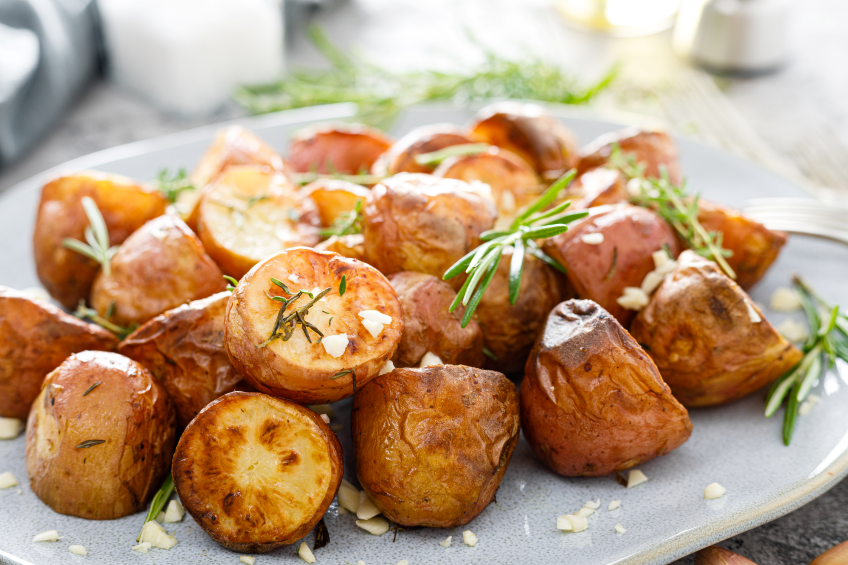

 A perfectly baked potato seems simple, but getting crispy skin and a fluffy inside takes the right approach.
 Russet potatoes are your best choice for baking because they have high starch content and low moisture, which creates that fluffy inside and crispy skin everyone loves. Other varieties like red potatoes work too, but they give you different textures.
 Getting your potatoes ready the right way makes all the difference between a fluffy, crispy baked potato and a disappointing one. The prep work takes just a few minutes but sets you up for the perfect baked potato recipe.
 Baking potatoes in the oven takes 45 to 60 minutes at 400°F for medium-sized russets. The key is proper preparation, the right temperature, and knowing when they’re perfectly done.
 You don’t need a traditional oven to make fluffy baked potatoes with crispy skin. An air fryer gives you oven-quality results in less time, while microwaves and slow cookers offer hands-off convenience when you’re short on time or counter space.
 Once your potato is perfectly baked, the toppings turn it into a complete meal. You can stick with simple classics or go all out with loaded combinations that pack in flavor and protein.
 Once you master basic baked potatoes, you can turn them into complete meals with creative recipes. Twice-baked potatoes add cheese and toppings for a richer side dish, baked sweet potatoes offer a naturally sweet alternative, and potato soup lets you use leftover baked potatoes in a warming bowl.
 Leftover baked potatoes stay fresh in the fridge for 3-4 days when stored properly, and you can bring them back to life using your oven, microwave, or air fryer. The key is cooling them completely before storage and choosing the right reheating method for your needs.
 Baked potatoes are a simple, delicious, and versatile dish. Whether you like them crispy on the outside or soft and fluffy inside, here are the most common questions answered.


