What Are the Pros and Cons of Charcoal Briquettes? A Comprehensive Guide
Charcoal briquettes are one of the most common fuels for backyard grilling, but many people don’t fully understand what they’re actually burning. These compressed blocks of charcoal dust, binders, and additives power millions of cookouts each year. Before you fire up your grill for your next barbecue, you should know what you’re working with.
Charcoal briquettes offer consistent heat and longer burn times at a lower cost, but they contain chemical additives that can affect food flavor and produce more ash than natural alternatives.
The choice between briquettes and other fuel types depends on what matters most to you when grilling. Some people prioritize convenience and price, while others care more about pure wood flavor and minimal chemicals.
This guide walks you through everything from the basic composition of briquettes to how they compare with lump charcoal and other options. You’ll learn about different briquette types, when each works best, and what health and environmental factors you should consider before buying your next bag of fuel.
What Are Charcoal Briquettes?
Charcoal briquettes are compressed blocks of carbonized materials bound together into uniform shapes for grilling and heating. They differ from natural lump charcoal in their composition, manufacturing methods, and burning characteristics.
Definition and Basic Composition
Charcoal briquettes consist of charcoal particles combined with sawdust, wood chips, coal dust, and binding agents compressed into pillow-shaped blocks. The primary ingredient comes from wood scraps and sawdust sourced from lumber industry byproducts.
Manufacturers add binders like starch to hold the compressed materials together during formation. Some briquettes contain limestone or borax as whitening agents that produce the characteristic ash coating when burned.
The uniform size and density of briquettes create predictable burning patterns compared to irregularly shaped alternatives. Standard briquettes measure approximately 2 inches across and weigh around 0.5 to 0.75 ounces each.
Manufacturing Process
The production of charcoal briquettes begins with carbonization, where wood materials are heated to high temperatures in low-oxygen environments. This process removes moisture and volatile compounds, leaving behind carbon-rich char.
The carbonized material gets ground into fine particles and mixed with binding agents and other additives. You’ll find that manufacturers then compress this mixture under high pressure using briquetting machines that form the distinctive shapes.
After compression, the briquettes undergo a drying phase to remove excess moisture and harden the binding agents. The finished products are packaged and distributed to retailers for consumer use.
Comparing Charcoal Briquettes and Lump Charcoal
Lump charcoal consists of pure hardwood pieces that have been carbonized without additives or compression. Hardwood charcoal burns hotter than briquettes, reaching temperatures up to 1000°F compared to the 800°F typical of briquettes.
Briquettes provide longer burn times due to their dense composition and uniform structure. You can expect briquettes to burn steadily for 8-10 hours, while lump charcoal typically lasts 2-3 hours under similar conditions.
The price difference reflects these performance variations, with lump charcoal costing 20-40% more per pound than standard briquettes. Briquettes offer more consistent heat distribution across your cooking surface because of their uniform size and composition.
Primary Pros of Charcoal Briquettes
Charcoal briquettes deliver steady heat for extended periods while remaining affordable and simple to manage. Their manufactured composition provides predictable performance that addresses common grilling challenges.
Consistent Heat and Temperature Control
Briquettes maintain stable temperatures between 225°F and 275°F for several hours without fluctuation. The uniform shape and density of manufactured briquettes create predictable heat zones in your grill. This stability matters most when smoking brisket or ribs, where temperature swings ruin the final texture.
Temperature management benefits:
Compressed charcoal dust burns at a regulated pace
Standard sizing allows precise calculation of how much charcoal to use per cooking session
Binders prevent rapid combustion that causes temperature spikes
You can arrange briquettes in specific patterns to create two-zone or three-zone cooking setups. The manufacturing process ensures each piece contains similar energy content, eliminating hot spots that cook food unevenly.
Longer Burn Time
A standard load of briquettes provides 3 to 4 hours of usable heat compared to 1 to 2 hours from lump charcoal. The compressed structure and added binders slow the combustion rate. This extended duration reduces the need to add fresh grilling fuel mid-cook.
Long smoking sessions for pork shoulder or whole chickens require fuel that won’t burn out quickly. Briquettes deliver this reliability without constant monitoring. You’ll use roughly 30 fewer briquettes during a 6-hour cook compared to achieving the same duration with repeated lump charcoal additions.
The burn longer characteristic also means less disruption when cooking for large groups. Opening the grill to refuel drops internal temperatures by 50°F to 75°F, requiring 15 to 20 minutes to recover.
Cost-Effectiveness
Briquettes cost $0.50 to $1.00 per pound versus $1.50 to $2.50 per pound for lump charcoal at most retailers. A 20-pound bag provides enough bbq charcoal for 8 to 10 typical grilling sessions. The price advantage becomes significant for weekly grillers or those preparing food for events.
Budget-conscious cooks appreciate that briquettes produce more total BTUs per dollar spent. The manufacturing process uses sawdust and coal dust that would otherwise go to waste, keeping production costs low. Wide availability at grocery stores, hardware shops, and gas stations prevents price inflation from limited supply.
Natural briquettes without chemical accelerants cost slightly more but still undercut premium lump charcoal pricing.
Ease of Use and Storage
Briquettes light reliably using a charcoal chimney or charcoal starter without lighter fluid. The uniform shape allows you to stack them in a stable pyramid for efficient ignition. A full chimney of briquettes reaches cooking temperature in 15 to 20 minutes.
Storage requirements are minimal since briquettes resist moisture absorption better than lump charcoal when kept in sealed containers. Their compact shape maximizes storage density in garages or sheds. A single 20-pound bag occupies approximately 0.8 cubic feet of space.
The standardized dimensions let you measure exact quantities for different recipes. Most grilling guides specify briquette counts rather than weights, simplifying preparation for beginners.
Main Cons of Charcoal Briquettes
Charcoal briquettes contain manufactured additives that can affect food taste, require more time to reach cooking temperature, generate significant ash residue, and deliver a milder smoke profile compared to natural wood alternatives.
Presence of Additives and Binders
Manufacturers add chemical compounds to briquettes during production to hold the compressed charcoal dust together. These binders typically include starch, limestone, borax, or sodium nitrate. Some brands incorporate ignition aids like paraffin wax or petroleum-based accelerants to simplify lighting.
These additives can release chemical odors when burning, particularly during the first 10-15 minutes of heating. The fumes may impart unwanted flavors to your food if you start cooking before the briquettes fully ash over. You’ll notice this issue most when grilling delicate proteins like fish or chicken that absorb surrounding flavors easily.
Fillers such as coal dust or mineral additives reduce the percentage of actual carbon in each briquette. This dilution means you’re burning less pure fuel and more binding materials with each cooking session.
Slower Ignition and Preheating
Briquettes need 15-20 minutes to reach optimal cooking temperatures, compared to 10-12 minutes for lump charcoal. The compressed density and binder content create a barrier that slows heat penetration to the core of each piece.
You must wait for the outer gray ash layer to form completely before placing food on the grate. Starting too early exposes your meal to incomplete combustion byproducts from the additives in briquettes. This extended wait time becomes inconvenient when you’re hungry or managing multiple dishes with different cooking schedules.
Increased Ash Production
Briquettes generate approximately 10-15% of their weight in ash, while lump charcoal produces only 2-6%. The binders and fillers don’t burn completely, leaving behind mineral residue that accumulates in your grill’s bottom pan.
This ash buildup restricts airflow through the grate vents when it exceeds half an inch in depth. Reduced oxygen flow lowers combustion efficiency and makes temperature control more difficult during long cooking sessions. You’ll need to clean your grill more frequently to maintain proper ventilation and prevent ash from blowing onto food surfaces.
The fine powder consistency of briquette ash also makes cleanup messier than the chunky residue from natural wood charcoal.
Less Pronounced Smoky Flavor
Briquettes deliver a weaker smoked flavor because the additives and binders dilute the wood content that creates aromatic compounds. The manufacturing process removes volatile organic compounds that contribute to the traditional barbecue taste profile.
Your grilled foods will have a more neutral flavor compared to cooking over pure hardwood lump charcoal. This difference matters most when preparing meats like brisket or ribs where smoke penetration defines the final result. The mild smoke output makes briquettes less suitable for authentic barbecue styles that depend on wood smoke as a primary seasoning element.
Types of Charcoal Briquettes and Alternatives
Charcoal briquettes come in several forms, each made from different materials that affect burn time, heat output, and cost. Traditional compressed briquettes differ significantly from hardwood, coconut shell, and specialty wood options in both performance and environmental impact.
Traditional Charcoal Briquettes
Traditional charcoal briquettes are manufactured from compressed charcoal dust mixed with binding agents and fillers. You’ll find these widely available at grocery stores and hardware retailers at the lowest price point among all charcoal options.
These briquettes burn at a consistent temperature for 8-10 hours, making them ideal for long cooking sessions. The uniform shape and size ensure predictable heat distribution across your grill surface.
The manufacturing process includes additives like starch, borax, limestone, and sodium nitrate to hold the briquette shape and improve ignition. These chemical binders can produce unwanted flavors in your food and release more smoke during the initial lighting phase. You’ll also notice they take 15-20 minutes to reach cooking temperature, which is longer than most alternatives.
Hardwood Charcoal Briquettes
Hardwood charcoal briquettes are made from compressed hardwood lump charcoal without coal or petroleum-based additives. You get a cleaner burn that doesn’t impart chemical flavors to your food.
These briquettes reach higher temperatures than traditional options, typically 700-900°F, which makes them excellent for searing steaks. The natural wood composition enhances the flavor profile of grilled meats and vegetables with subtle smoky notes.
The main drawback is a shorter burn time of 3-5 hours compared to traditional briquettes. You’ll pay 30-50% more for hardwood varieties, which can add up if you grill frequently. They also produce less ash than traditional briquettes, reducing cleanup time after cooking.
Coconut Shell Charcoal Briquettes
Coconut shell charcoal briquettes are produced from carbonized coconut shells, making them a sustainable choice since they use agricultural waste. These briquettes burn for 4-6 hours at temperatures exceeding 800°F with minimal smoke production.
You’ll notice they generate significantly less ash than wood-based options, typically only 2-5% of the original weight. The high carbon content creates intense, consistent heat perfect for Korean BBQ and other high-temperature cooking methods.
Limited regional availability remains a challenge in many areas, and prices run 40-60% higher than traditional briquettes. The harder density means they require more time to ignite initially, often needing a chimney starter or electric starter for best results.
Wood Briquettes and Special Varieties
Wood briquettes are compressed blocks made from sawdust, wood chips, or other lumber industry byproducts without chemical additives. You can find varieties made from specific woods like oak, hickory, or mesquite that add distinct flavors to grilled food.
Sawdust briquettes offer consistent quality since they’re manufactured under controlled conditions. They produce more ash than coconut shell options but less than traditional charcoal briquettes, requiring moderate cleanup.
Mixed biomass briquettes combine materials like rice husks, coffee grounds, or agricultural waste with wood products. These specialized options appeal to environmentally conscious grillers looking to reduce waste. The ignition time varies by composition, with denser varieties taking 20-25 minutes to reach optimal cooking temperature.
Comparing Charcoal Briquettes vs Lump Charcoal
Briquettes and lump charcoal differ in composition, burn characteristics, and practical handling, which directly affects your grilling results. Briquettes contain compressed charcoal dust with binders and additives, while lump charcoal consists of pure carbonized hardwood pieces.
Heat Output and Cooking Performance
Lump charcoal ignites faster and reaches temperatures between 1000-1200°F, making it ideal for grilling steaks that need intense searing heat. The irregular shapes create better airflow in charcoal grills, allowing temperature adjustments within minutes.
Briquettes burn at lower temperatures around 800-1000°F but maintain steady heat for 2-3 hours longer than lump. This consistent burn works better for charcoal smokers and extended cooking sessions.
The density of briquettes provides predictable heat distribution across your cooking surface. Lump charcoal burns 25-30% faster, requiring more frequent refueling during multi-hour cooks.
Flavor Impact and Food Results
Natural hardwood lump charcoal produces minimal chemical taste since it contains no additives or fillers. The pure wood composition adds a distinct smoky flavor during outdoor grilling without masking your food’s natural taste.
Briquettes can introduce slight chemical notes from binding agents, though premium brands minimize this effect. Some manufacturers add coal dust or limestone, which affects flavor profiles on delicate foods like fish or vegetables.
The choice between charcoal vs briquettes for flavor depends on your sensitivity to subtle taste differences and cooking duration.
Ease of Handling and Clean-Up
Briquettes produce 3-4 times more ash than lump charcoal, requiring frequent removal from ash catchers to maintain proper ventilation. The uniform shape makes them easier to stack and arrange in chimney starters.
Lump charcoal creates less residue but breaks into smaller fragments during transport and handling. You’ll find cleanup faster with lump since minimal ash accumulates in your grill’s bottom.
Briquettes cost 30-40% less per pound and burn longer, offsetting their higher ash production for budget-conscious grillers. Lump charcoal’s irregular sizing makes portion control less precise than uniform briquettes.
Choosing the Right Charcoal for Your Needs
Your choice between briquettes and lump charcoal should match your cooking method, budget constraints, and access to specific products. Different grilling scenarios require different fuel characteristics to achieve optimal results.
Best Applications for Briquettes
Briquettes excel in cooking scenarios that demand steady temperatures over extended periods. Your charcoal smoker will perform best with briquettes because they maintain consistent heat for 3-4 hours without requiring additional fuel. When smoking brisket or ribs, this reliability prevents temperature fluctuations that can ruin your cook.
Low-and-slow barbecue sessions benefit most from briquette use. You’ll find that brands like Kingsford provide uniform sizing that creates predictable airflow patterns in your grill. This consistency matters when you’re cooking chicken, pork shoulder, or other meats that need several hours at 225-250°F.
Briquettes work well for beginners learning temperature control. The compressed sawdust and binders create a slower burn rate that gives you more time to adjust vents and dampers. Your margin for error increases significantly compared to the rapid heat changes possible with lump charcoal.
When to Use Lump Charcoal Instead
High-heat searing requires lump charcoal’s ability to reach temperatures above 700°F. You’ll achieve better crust formation on steaks when using pure hardwood lump that burns hotter than any briquette can match. The irregular pieces create varying heat zones that let you move food between intense and moderate temperatures.
Quick grilling sessions under 45 minutes favor lump charcoal because it ignites faster in your charcoal starter. Vegetables, burgers, and thin cuts of meat cook before the fuel burns out completely.
Purists prefer lump charcoal when smoke flavor matters most. The absence of binders and additives means only hardwood smoke touches your food, which becomes particularly important for delicate fish or competition-level barbecue.
Factors: Budget, Availability, and Sustainability
Briquettes cost 30-50% less per pound than lump charcoal at most retailers. Your fuel expenses decrease significantly during frequent grilling, especially for longer cooks where briquettes already outperform lump on burn time.
Local availability often determines practical choices more than performance preferences. Big-box stores stock major charcoal brands year-round, while specialty lump products may require online ordering with shipping costs.
Sustainability concerns point toward natural lump charcoal made from mill waste or sustainably harvested hardwood. You’ll produce less ash with lump charcoal, reducing cleanup time and waste volume. Some briquette manufacturers now offer versions without petroleum-based binders, though these premium options narrow the price advantage over lump.
Health, Safety, and Environmental Considerations
Charcoal briquettes contain chemical additives that can affect air quality and human health, require proper ventilation during use, and carry environmental consequences from production to disposal.
Potential Health Risks of Additives
Briquettes contain binders, fillers, and ignition accelerants that release harmful compounds when burned. During combustion, these additives emit carbon monoxide (CO), volatile organic compounds (VOCs), and polycyclic aromatic hydrocarbons (PAHs). PAHs are particularly concerning because they can increase cancer risk with repeated exposure.
Indoor use without adequate ventilation poses serious dangers. Carbon monoxide is an odorless gas that can cause headaches, dizziness, and death in enclosed spaces. Restaurant workers who handle charcoal grilling for several hours face higher exposure to cooking fumes and associated respiratory problems.
The smoke from briquettes penetrates food and surrounding air with microscopic particles. These particles can travel deep into your lungs, especially when you grill in poorly ventilated areas. Even short-term exposure may trigger respiratory issues in sensitive individuals.
Safe Use and Proper Ventilation
You must never use charcoal briquettes indoors or in enclosed spaces like garages or tents. Outdoor grilling requires positioning your grill at least 10 feet away from buildings and overhanging structures. Cross-ventilation helps disperse harmful gases before they accumulate to dangerous levels.
Wait for briquettes to develop a light gray ash coating before cooking to reduce initial smoke production. Keep children and pets away from active grills to prevent burn injuries. Store unused briquettes in a dry location away from ignition sources and flammable materials.
Dispose of ash only after it has cooled completely for at least 48 hours. Place cooled ash in a metal container with a tight-fitting lid, as hidden embers can reignite.
Environmental Impact and Sustainability
Briquette production contributes to deforestation when manufacturers source wood charcoal from unsustainably managed forests. The carbonization process releases greenhouse gases including CO2 and methane into the atmosphere. Mass clearing of trees for charcoal production destroys wildlife habitats and reduces biodiversity.
Some manufacturers now use agricultural waste, sawdust, or recycled wood products as base materials. These alternatives reduce pressure on forest resources but still require chemical binders to form compressed briquettes. Transportation of heavy briquette bags from production facilities to retail locations adds to their carbon footprint.
Briquette ash contains concentrated minerals and trace metals that can contaminate soil if disposed improperly. You should check local regulations for proper ash disposal methods in your area.
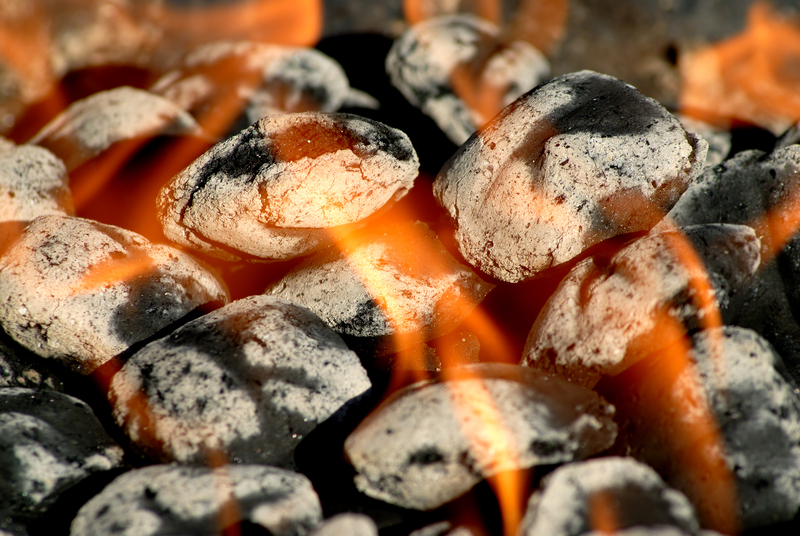


 Charcoal briquettes are compressed blocks of carbonized materials bound together into uniform shapes for grilling and heating. They differ from natural lump charcoal in their composition, manufacturing methods, and burning characteristics.
 Charcoal briquettes deliver steady heat for extended periods while remaining affordable and simple to manage. Their manufactured composition provides predictable performance that addresses common grilling challenges.
 Charcoal briquettes contain manufactured additives that can affect food taste, require more time to reach cooking temperature, generate significant ash residue, and deliver a milder smoke profile compared to natural wood alternatives.
 Charcoal briquettes come in several forms, each made from different materials that affect burn time, heat output, and cost. Traditional compressed briquettes differ significantly from hardwood, coconut shell, and specialty wood options in both performance and environmental impact.
 Briquettes and lump charcoal differ in composition, burn characteristics, and practical handling, which directly affects your grilling results. Briquettes contain compressed charcoal dust with binders and additives, while lump charcoal consists of pure carbonized hardwood pieces.
 Your choice between briquettes and lump charcoal should match your cooking method, budget constraints, and access to specific products. Different grilling scenarios require different fuel characteristics to achieve optimal results.
 Charcoal briquettes contain chemical additives that can affect air quality and human health, require proper ventilation during use, and carry environmental consequences from production to disposal.


