Is Char Grilled Meat Carcinogenic? Health Risks and Safety Tips
Grilling season brings a common worry: does that smoky, charred meat on your plate increase your cancer risk?
Yes, char grilled meat can contain carcinogenic compounds, but the actual cancer risk in humans remains unclear and depends on many factors including how often you eat it and how you prepare it.
When meat cooks at high temperatures or over open flames, certain chemicals form that have been shown to cause cancer in laboratory animals. The science behind grilled meat and cancer is more complex than simple yes or no answers.
Two main types of compounds form during high-heat cooking: heterocyclic amines (HCAs) and polycyclic aromatic hydrocarbons (PAHs). While these chemicals can damage DNA in lab studies, research on actual human cancer risk shows mixed results.
Some studies link heavy consumption of well-done grilled meats to higher cancer rates, while others find no clear connection.
How Grilling Forms Potential Carcinogens
When you grill meat at high temperatures, chemical reactions occur that create two main types of compounds linked tocancer risk.
These reactions happen because of the intense heat, the dripping of fat and juices, and smoke exposure during cooking.
What Happens During High-Temperature Cooking
Grilling meat at high temperatures (above 300°F) changes its chemical structure. This creates the browned or charred surface that adds flavor, but it also produces harmful compounds that can damage DNA, especially when meat is cooked for longer or to well-done.
Two main carcinogens form during grilling: Heterocyclic Amines (HCAs) and Polycyclic Aromatic Hydrocarbons (PAHs). HCAs develop inside the meat when amino acids, sugars, and creatine react under high heat, while PAHs form on the surface when smoke from dripping fat sticks to the meat, especially in charred areas.
The higher the temperature and the longer the cooking time, the more these compounds build up. While studies show HCAs and PAHs can cause mutations in lab settings, researchers are still working to understand their exact impact on cancer risk in humans.
Role of Smoke, Fat, and Juices in Carcinogen Production
Fat and juices play a direct role in creating PAHs on your grilled meat. When fat drips onto hot coals or flames, it creates smoke.
This smoke carries PAHs upward, where they stick to the surface of your food. Fattier cuts of meat produce more smoke and therefore more PAHs.
The flare-ups you see while grilling happen when fat ignites, creating intense bursts of smoke and heat. These flare-ups deposit extra PAHs onto your meat.
Smoking and barbequing meat for long periods increases PAH exposure. The continuous smoke from these cooking methods coats meat with these compounds throughout the cooking process.
Red Meat, Processed Meat, and Cancer Risk
Red meat and processed meats both raise your cancer risk, but processed meats pose a greater threat. The way these meats are prepared and preserved creates harmful compounds that can damage your cells over time.
Red Meat Consumption and Colorectal Cancer
Red meat, including beef, pork, and lamb, is linked to an increased risk of colorectal cancer. Health experts recommend limiting consumption to 12–18 ounces of cooked meat per week—about the size of four palm-sized portions. Compounds formed during digestion can damage cells in the colon and rectum over time, but small portions a few times per week are considered safe when balanced with vegetables, whole grains, and plant-based proteins.
Processed meats, such as smoked, cured, salted, or chemically preserved products, carry an even higher risk. Smoking and preservatives like nitrites create cancer-causing compounds, including PAHs, which deposit on the meat surface and in charred areas. Studies show processed meats are more strongly linked to colorectal cancer than fresh red meat. Experts advise eating these foods only occasionally and pairing small portions with fiber-rich vegetables to reduce harm.
High-Risk Foods: Hot Dogs, Bacon, and Sausages
Hot dogs, bacon, and sausages rank among the highest-risk processed meats. These products undergo heavy processing and often contain multiple preservatives.
Common high-risk processed meats include:
Hot dogs and frankfurters
Bacon
Sausages
Ham
Salami and pepperoni
Corned beef
Beef jerky
Your colorectal cancer risk increases with each serving of these foods you eat per week. Even small amounts add up over time when consumed regularly. You can replace these items with fresh poultry, fish, or plant-based alternatives.
Grilled portobello mushrooms, fish, or chicken breast provide satisfying options without the added cancer risk from processing and preservatives.
Types of Carcinogenic Compounds in Grilled Meats
When you grill meat at high temperatures, two main types of cancer-causing chemicals form: heterocyclic aromatic amines (HCAs) and polycyclic aromatic hydrocarbons (PAHs).
These compounds develop through different cooking processes and affect your body in distinct ways.
Overview of HCAs and PAHs
HCAs form when amino acids, sugars, and creatine in muscle meat react at high temperatures. You’ll find these compounds primarily in beef, pork, fish, and poultry cooked above 300°F through methods like grilling or pan frying.
PAHs develop through a different process. When fat and juices from your meat drip onto flames or hot surfaces, they create smoke. This smoke contains PAHs that stick to the meat’s surface.
The amount of these compounds depends on three factors: the type of meat you cook, your cooking method, and how well-done you want it. Well-done, grilled, or barbecued chicken and steak contain high levels of HCAs.
Meats cooked for long periods or exposed to smoke have more PAHs. Unlike HCAs, which appear mainly in cooked meat, PAHs also show up in cigarette smoke, car exhaust, and other smoked foods.
Specific HCAs: PhIP and Other Heterocyclic Aromatic Amines
PhIP (2-amino-1-methyl-6-phenylimidazo[4,5-b]pyridine) is the most common heterocyclic aromatic amine in grilled meats. Research shows it exposes men to higher cancer risk, particularly for colorectal and prostate cancers.
Other HCAs include MeIQx (2-amino-3,8-dimethylimidazo[4,5-f]-quinoxaline) and similar compounds. These heterocyclic aromatic amines don’t directly damage your DNA. Your body must first process them through specific enzymes in a step called bioactivation.
The amount of enzyme activity varies from person to person. This means two people eating the same grilled steak might face different cancer risks based on their body’s ability to process these compounds.
How PAHs Differ From Other Carcinogens
PAHs work differently than HCAs in your body. They come from smoke and flames rather than chemical reactions within the meat itself. You’re exposed to PAHs from multiple sources beyond food.
They appear in environmental pollution, making it hard for researchers to determine how much comes from grilled meat alone. PAHs require bioactivation like HCAs, but they affect different organs.
Animal studies link them to leukemia and tumors in the digestive tract and lungs. The charred or blackened parts of your meat contain the highest PAH levels, which is why removing these sections reduces your exposure.
Scientific Evidence on Grilled Meat and Cancer
Animal studies show clear DNA damage from grilling compounds, but human research reveals a more complex picture. Your individual genetics and cooking habits play a significant role in determining your actual cancer risk.
Animal Studies Versus Human Studies
Laboratory studies with animals provide the clearest evidence linking grilled meat compounds to cancer. When researchers expose animals to heterocyclic amines (HCAs) and polycyclic aromatic hydrocarbons (PAHs), these chemicals damage DNA and cause tumors to develop.
The results are consistent and reproducible in controlled settings. Human studies show a different pattern. You can’t expose people to high levels of carcinogens in controlled experiments for ethical reasons. Instead, researchers rely on observational studies that track what people eat over time.
These studies suggest links between grilled meat consumption and certain cancers, particularly colorectal and pancreatic cancers, but the evidence is less definitive than animal research. The gap between animal and human studies exists because your real-world diet is complex.
You don’t eat only grilled meat, and your body processes these compounds differently than laboratory animals.
Epidemiological Findings on Grilled Meat Intake
Population studies have found associations between frequent consumption of well-done, charred meat and increased cancer risk. Research by Robert Turesky and other scientists has identified PhIP (a specific HCA) in cooked meats and linked it to prostate cancer risk.
Studies show that PhIP levels can be measured in your hair, providing evidence of long-term exposure. Some research indicates that eating charred, smoked, and well-done meat may raise your risk for pancreatic cancer and colorectal cancer.
The International Agency for Research on Cancer classifies red meat as “probably carcinogenic to humans.” However, these findings show correlation, not direct causation.
The risk appears dose-dependent. If you occasionally eat grilled meat, your cancer risk differs significantly from someone who consumes charred meat daily.
Influence of Genetics and Individual Differences
Your genetic makeup affects how your body processes HCAs and PAHs from grilled meat. Certain enzyme variations determine how quickly you metabolize these compounds or how effectively you repair DNA damage they cause.
This means two people eating identical amounts of grilled meat face different cancer risks. Research shows that genetic differences in enzymes like NAT2 and CYP1A2 influence your prostate cancer risk when you consume cooked meat.
If you carry specific gene variants, you may be more susceptible to the carcinogenic effects of HCAs. Your overall diet and lifestyle also matter.
Eating antioxidant-rich foods alongside grilled meat may provide some protection. Your body’s ability to eliminate toxins, influenced by both genetics and health status, plays a role in cancer causation.
Guidelines and Recommendations From Health Authorities
Health organizations haven’t set specific limits on HCAs and PAHs in grilled meat. Instead, they offer guidance on lowering cancer risk throughcooking methods and changes in meat consumption.
National Cancer Institute and American Institute for Cancer Research Guidance
The National Cancer Institute doesn’t issue federal guidelines for eating foods containing HCAs and PAHs. Still, they recommend a few practical cooking strategies to minimize your exposure.
You might choose to avoid direct exposure of meat to open flames or hot metal surfaces. Shortening cooking times, especially at high temperatures, is also a sensible way to limit HCA and PAH formation.
The American Institute for Cancer Research suggests using marinades before grilling and opting for lower temperatures. They also advise removing any charred portions from meat before eating.
Gravy made from meat drippings is best avoided, since it often contains concentrated levels of harmful compounds. Both organizations highlight the value of balancing your plate with grilled vegetables and fruits alongside meat. This approach could help reduce your overall exposure to potential carcinogens from charred meat.
International and Federal Recommendations on Meat Consumption
The International Agency for Research on Cancer classified red meat as “probably carcinogenic to humans” back in 2015. This was based on a review of population studies and lab research.
The World Cancer Research Fund and American Institute for Cancer Research released a 2007 report recommending a limit on red and processed meats, including smoked varieties. Their focus remains on reducing overall meat intake, not setting specific limits for HCAs and PAHs.
No federal agency currently mandates maximum levels of these chemicals in food. The emphasis stays on adjusting your cooking practices and how often you eat certain meats, rather than enforcing strict regulations.
Safer Grilling and Risk Reduction Strategies
There are simple ways to reduce harmful compounds in grilled meat. Marinating with herbs and spices, managing cooking time and temperature, trimming fat, and adding more plant-based foods to your plate can all help lower cancer-causing chemicals.
Marinate Before Grilling and Use of Herbs and Spices
Marinating your meat for at least 30 minutes before grilling can cut harmful compounds by up to 90 percent. The marinade acts as a kind of shield between the meat and intense heat.
Acidic ingredients like vinegar, lemon juice, or wine change the pH of meat and help prevent the formation of heterocyclic amines (HCAs). Olive oil coats the meat, offering some extra protection from direct flames.
Herbs and spices bring powerful antioxidants to the table. Rosemary, garlic, and turmeric are especially effective at lowering these harmful chemicals.
Skip sugary marinades that tend to burn and create more charring. A blend of olive oil, citrus juice, fresh herbs, and spices offers both protection and flavor.
Shorten Grill Time, Cut Meat Smaller, and Flip Frequently
The less time your meat spends on the grill, the fewer harmful compounds form. You could pre-cook meat partially in your microwave or oven before finishing it on the grill to limit exposure to flames and smoke.
Cutting meat into smaller pieces or threading them onto skewers with vegetables helps them cook faster. This also lets you add more cancer-fighting vegetables to your meal.
Flip your meat often to avoid burning and charring. Using lower heat settings and moving hot coals to the side of your grill—so food cooks in the center away from direct flames—can help.
Turn meat frequently enough to ensure even cooking without developing burnt spots.
Limit Charred Portions and Trim Fat
Trim visible fat from meat before grilling to prevent flare-ups that create smoke and polycyclic aromatic hydrocarbons (PAHs). Fat drippings onto flames produce smoke that deposits these carcinogens onto your food.
Always cut away charred or burnt portions before eating. The blackened, crispy parts contain the highest concentration of HCAs and PAHs. Even if you like the smoky flavor, these sections carry the most risk.
Try to keep your grill temperature moderate instead of extremely hot. Lower flames reduce both charring and flare-ups, while still cooking meat thoroughly.
Include More Fruits, Vegetables, and Plant-Based Foods
Grilled vegetables and fruits don’t form HCAs or PAHs, since they lack the muscle proteins that lead to those compounds. These plant foods are packed with fiber, vitamins, and antioxidants that may help lower cancer risk.
Load your grill with:
Vegetables: bell peppers, zucchini, mushrooms, asparagus, corn, eggplant, onions
Toss vegetables in olive oil and whatever seasonings you like before grilling. You might try plant-based burgers made from legumes, or grill firm cheeses like halloumi, which actually hold their shape over the heat.
Try to fill at least two-thirds of your plate with these plant foods. This can make it easier to limit red and processed meats while still getting nutrients that support your body’s defenses.
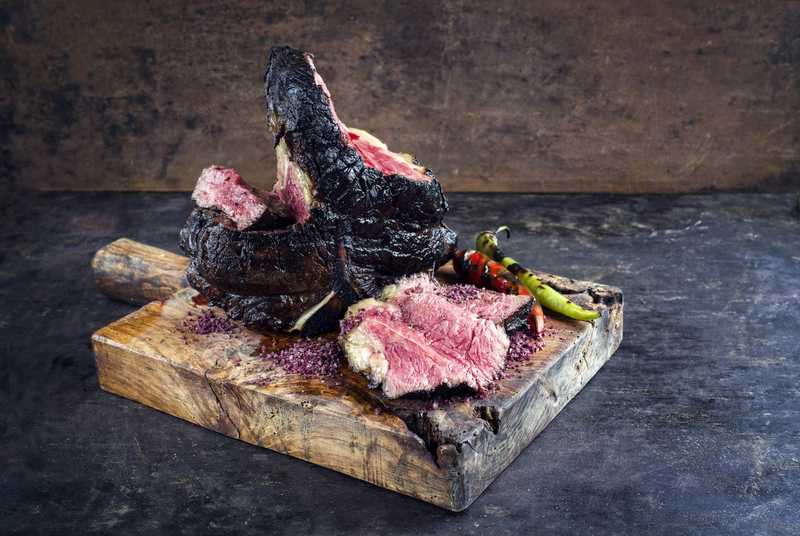

 Grilling season brings a common worry: does that smoky, charred meat on your plate increase your cancer risk?


