What 5 Things Affect the Baking Process? Key Factors Explained
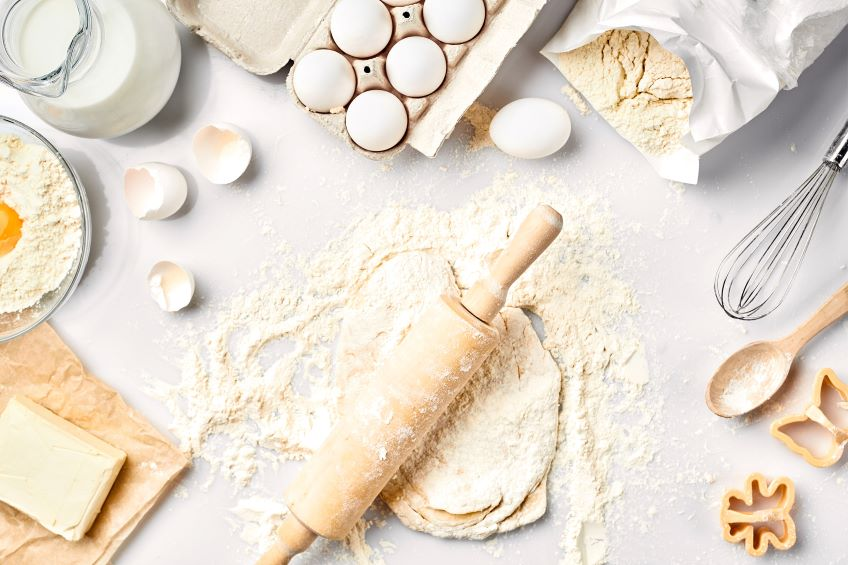
Baking turns simple ingredients into bread, cakes, and pastries through a series of controlled changes. When you mix flour with water, add heat, and combine other ingredients, you start chemical reactions that create the textures and flavors you want. But getting good results takes more than following a recipe.
Five main things affect how your baked goods turn out: the quality and type of ingredients you use, the leavening agents that make dough rise, how you mix everything together, the temperature of your kitchen and oven, and the precise measurements of each ingredient.
Each factor plays a specific role in the final product. The type of flour changes the structure, while the amount of baking powder affects how much your cake rises.
Understanding these factors helps you bake better and fix problems when they happen. You can adjust your technique when your kitchen is warm or cold, pick the right flour for what you’re making, and know why your bread didn’t rise. This guide breaks down each factor so you can improve your baking skills.
Ingredient Quality and Type
The ingredients you choose directly determine your baked goods’ texture, structure, and flavor. Fresh, high-quality ingredients perform their chemical functions more effectively than stale or low-grade alternatives.
Impact of Flour Varieties
Bread flour contains 12-14% protein, which creates strong gluten formation needed for chewy breads and pizza dough. The higher protein content develops a robust gluten matrix that traps gases during fermentation.
All-purpose flour has 10-12% flour protein, making it suitable for cookies, muffins, and quick breads. This moderate protein level provides adequate structure without excessive toughness.
Cake flour contains only 7-9% protein, producing tender baked goods with a delicate crumb. The lower protein prevents extensive gluten development, resulting in softer textures ideal for cakes and pastries.
Whole wheat flour includes the bran and germ, adding fiber and nutrients but creating denser products. The bran pieces cut through gluten strands during mixing, weakening the gluten matrix and reducing rise.
Protein content determines how much water flour absorbs and how much gluten forms when mixed with liquid. Different recipes require specific flour types to achieve proper texture and structure.
Role of Sugars and Sweeteners
Sugar does more than sweeten—it tenderizes by interfering with gluten formation and retains moisture through hygroscopic properties. Granulated sugar creates crisp textures in cookies while aerating batters when creamed with fats.
Brown sugar contains molasses, adding moisture and creating chewier textures with caramel notes. Light brown sugar has 3.5% molasses content, while dark brown sugar contains 6.5%.
Honey adds moisture and creates browning due to its fructose content, which caramelizes at lower temperatures than sucrose. You must reduce oven temperature by 25°F when substituting honey for sugar.
Different sweeteners affect spread, color, and shelf life. Liquid sweeteners like honey and molasses require recipe adjustments to balance moisture content and maintain proper dough consistency.
Function of Fats and Oils
Fats create tender products by coating flour proteins and preventing complete gluten development. Butter adds flavor and creates flaky layers through its solid fat crystals, which melt during baking to leave air pockets.
Shortening produces extremely tender results because it’s 100% fat with no water content. It creams well with sugar but lacks butter’s flavor contribution.
Margarine contains water and emulsifiers, affecting texture differently than pure fats. Oil creates moist, dense crumbs because it coats flour particles more thoroughly than solid fats.
The type of fat you select changes both texture and flavor profiles in your final product.
Contribution of Eggs and Liquids
Egg yolks contain lecithin, which emulsifies fats and liquids while adding richness and color. The fat content tenderizes while proteins coagulate during baking to set structure.
Egg whites provide leavening when whipped, protein for structure, and moisture without added fat. They strengthen the structure of baked goods through protein coagulation.
Liquids in baking hydrate flour proteins to enable gluten formation and dissolve sugar and salt. Water produces crispier crusts, while milk adds fat and sugar that create softer textures and enhanced browning.
The ratio of eggs to liquids affects whether you get a tender crumb or firm structure. Recipes balance these ingredients to achieve specific textural goals.
Leavening Agents and Fermentation
Leavening agents create the light, airy texture in baked goods by producing gases that cause dough and batter to expand. These agents work through biological processes like yeast fermentation or chemical reactions from baking powder and baking soda.
Yeast and Biological Leaveners
Yeast is a living organism that feeds on sugars in your dough and releases carbon dioxide gas during fermentation. You’ll find two main types in most recipes: active dry yeast and instant yeast.
Active dry yeast needs to dissolve in warm water before mixing with other ingredients. Instant yeast can go directly into your dry ingredients without this step. Both produce the same results when used correctly.
Sourdough represents another biological leavener that uses wild yeast and bacteria from a starter culture. This creates a tangy flavor while also raising your dough. Other biological leaveners include buttermilk and yogurt, which contain bacteria that produce carbon dioxide when combined with baking soda.
These natural leaveners require time and specific temperatures to work properly. The living organisms are sensitive to heat and cold, so you need to store them correctly and activate them within the right temperature range.
Baking Powder and Baking Soda
Baking soda is pure sodium bicarbonate that produces carbon dioxide when it contacts an acid like lemon juice, vinegar, or buttermilk. This reaction happens immediately when wet ingredients meet dry ingredients.
Baking powder contains both sodium bicarbonate and an acid (usually cream of tartar). It also includes cornstarch to keep the ingredients dry. Most baking powder is double-acting, meaning it releases gas twice: once when mixed with liquid and again when exposed to oven heat.
Key differences:
Baking soda needs an acidic ingredient to activate
Baking powder works on its own
Baking soda is four times stronger than baking powder
Quick breads like muffins and pancakes rely on these chemical leaveners because they don’t require fermentation time. The chemical reaction happens fast, so you should bake immediately after mixing your batter to capture the gas bubbles.
Fermentation and Proofing
Fermentation occurs when yeast consumes sugars and produces carbon dioxide and alcohol. This process develops flavor and creates the gas pockets that make bread rise.
Bulk fermentation is the first rise after you mix your dough. During this stage, gluten strands relax and strengthen while yeast multiplies. This typically takes 1-2 hours at room temperature, though cold fermentation in your refrigerator can extend this to 12-72 hours for deeper flavor.
Proofing time refers to the final rise after you shape your dough. This second fermentation usually lasts 30-90 minutes. Your dough should roughly double in size and spring back slowly when poked.
Temperature controls fermentation speed. Warmer conditions (75-80°F) speed up yeast activity, while cooler temperatures slow it down. Too much heat kills yeast, and too little cold makes it dormant.
Oven spring is the rapid expansion that happens in the first few minutes of baking. The heat causes a final burst of yeast activity and gas expansion before the heat kills the yeast and sets your dough’s structure.
Mixing Methods and Techniques
The way you combine ingredients determines gluten formation, air incorporation, and the final structure of your baked goods. Each mixing technique serves a specific purpose, from building strong gluten networks in bread to keeping cake batters tender.
Mixing and Kneading
Mixing brings ingredients together, while kneading develops the gluten network that gives bread its structure. When you add water to flour and begin working the dough, proteins combine to form gluten strands.
Kneading aligns these strands and strengthens them through physical manipulation. You can knead by hand using a push-fold-turn motion, or use a stand mixer with a dough hook. The process typically takes 8-10 minutes by hand or 5-6 minutes by machine.
For bread making, proper kneading creates an elastic dough that traps gas bubbles during fermentation. The windowpane test checks gluten development: stretch a small piece of dough until it forms a thin, translucent membrane without tearing.
Different recipes require different kneading times. Artisan breads often need less kneading, while sandwich breads benefit from more extensive gluten development.
Creaming and Whisking
The creaming method combines fat and sugar by beating them together until light and fluffy. This technique traps air bubbles in the fat, which expand during baking to create a tender crumb structure. You should cream butter and sugar for 3-5 minutes until the mixture turns pale yellow.
Whisking incorporates maximum air into ingredients through rapid circular motions. When you whisk egg whites or cream, you create a foam structure that adds volume to cakes and mousses.
These mixing techniques work differently than kneading. They minimize gluten development while maximizing air incorporation. Use room temperature ingredients for best results, as cold butter won’t trap air effectively.
Effects of Overmixing
Overmixing develops too much gluten, creating tough, dense baked goods with a rubbery texture. Muffins, quick breads, and cakes suffer most from this problem because they need a tender crumb structure.
The muffin method specifically calls for minimal mixing—just until dry ingredients are moistened. You should see small lumps in the batter. Overmixed muffins develop tunnels and a chewy texture instead of a light, fluffy crumb.
Stop mixing as soon as you no longer see dry flour. For cake batters using the creaming method, mix just until ingredients combine after adding flour. Each extra stroke develops more gluten and removes air you worked hard to incorporate.
Temperature and Baking Environment
Temperature affects every stage of baking, from how ingredients behave to the final texture and color of your baked goods. Both your oven’s accuracy and the room temperature where you prepare dough influence the results.
Oven Temperature Accuracy
Most home ovens display temperatures that differ from their actual internal heat by 25 to 50 degrees Fahrenheit. This variation changes baking time and can lead to undercooked centers or over-browned exteriors.
An oven thermometer provides the real temperature inside your oven. Place it in the center of the middle rack and check it after preheating for 20 minutes. If your oven runs hot, reduce the recipe temperature by the difference shown. If it runs cold, increase it.
Convection ovens circulate air with a fan, which speeds up heat transfer and typically requires reducing temperatures by 25 degrees Fahrenheit. The moving air removes moisture from surfaces faster, creating better browning and crispier crusts. Regular monitoring helps you adjust recipes to your specific equipment.
Heat Transfer and Distribution
Heat moves through your baked goods in three ways: conduction from the pan, convection from circulating air, and radiation from oven walls. Dark metal pans absorb more heat than light-colored or glass pans, which affects browning speed.
Uneven heat distribution creates hot spots that bake some areas faster than others. Rotating pans halfway through baking time helps compensate for these temperature differences. Most ovens have hotter zones near the back or top.
The rack position changes how heat reaches your food. Upper racks receive more radiant heat from the top element, while lower racks get more heat from the bottom. Center racks provide the most balanced heat for even baking.
Temperature Control in Baking
Room temperature affects how quickly dough rises and how ingredients mix. Warm kitchens (above 75°F) speed up yeast fermentation and can cause dough to overproof. Cold rooms (below 68°F) slow rising times and may require extended proofing.
Ingredient temperature matters before mixing begins. Cold butter creates flakier pastries because it doesn’t blend completely into flour. Room temperature eggs and dairy mix more evenly into batters.
Opening your oven door drops the internal temperature by 25 to 75 degrees, depending on how long it stays open. This temperature loss extends baking time and can affect moisture retention in delicate items like soufflés or cakes that rely on consistent heat to set their structure properly.
Chemical Reactions During Baking
Baking triggers four main chemical reactions that transform raw ingredients into finished products. These reactions create structure, color, flavor, and texture in your baked goods.
Maillard Reaction and Browning
The Maillard reaction occurs when proteins and sugars interact under heat, typically starting at 280 degrees Fahrenheit. This reaction creates the golden-brown color on bread crusts, cookies, and pastries.
The process produces hundreds of flavor compounds that give baked goods their distinct taste. You’ll notice this reaction most on the surface of your baked items where temperatures are highest. Amino acids from proteins combine with reducing sugars to form new molecules responsible for color and flavor.
The Maillard reaction differs from caramelization because it requires both proteins and sugars. Time and temperature control affect how much browning occurs. Higher oven temperatures speed up this reaction, while lower temperatures slow it down.
This reaction stops when your baked goods cool below the activation temperature. The compounds formed during this process contribute to the flavor profile you taste in finished products.
Caramelization and Flavor Development
Caramelization begins at 356 degrees Fahrenheit when sugar molecules break down from heat exposure. This reaction releases water that turns into steam while creating new flavor compounds.
Diacetyl forms during the early stages of caramelization, giving your baked goods a butterscotch flavor. The process continues as sugars break down further, producing bitter and sweet notes. You’ll see caramelization on the darkest parts of your baked items.
This reaction only involves sugars and doesn’t require proteins like the Maillard reaction does. Different sugars caramelize at different temperatures, which affects your final product. The longer sugars are exposed to heat, the darker and more bitter the flavor becomes.
Caramelization adds complexity to the taste of cakes, cookies, and pastries. This chemical reaction creates the deep brown color on surfaces exposed to direct heat.
Starch Gelatinization
Starch gelatinization happens when starch granules absorb water and swell in the presence of heat. This process starts around 140 degrees Fahrenheit and creates structure in your baked goods.
The granules burst and release starch molecules that form a gel network. This network traps water and provides the firm texture in bread and cakes. Gelatinization is responsible for transforming wet batter into solid, sliceable products.
When baked goods cool, a process called retrogradation occurs where starch molecules realign. This is why bread becomes firmer as it ages. The gel formed during gelatinization holds the structure of your finished product together.
Different starches gelatinize at different temperatures based on their source. Wheat starch behaves differently than corn or potato starch during baking. The amount of water available affects how completely gelatinization occurs.
Protein Denaturation and Coagulation
Protein denaturation occurs when heat causes protein structures to unfold and lose their original shape. This process begins around 140 degrees Fahrenheit and continues as temperature increases.
Eggs are the primary source of proteins that denature during baking. The unfolded proteins then bond together in a process called coagulation, forming a solid network. This network gives structure to custards, cakes, and other baked goods.
Gluten proteins in flour also denature and coagulate during baking. These proteins create the framework that holds gas bubbles produced by leavening agents. The coagulated protein network sets as baking continues, making your product firm.
Over-mixing can cause proteins to coagulate too early, resulting in tough textures. Temperature control ensures proteins denature and coagulate at the right time during the baking process.
Measurement and Ingredient Ratios
Getting measurements right determines whether your baked goods turn out light and fluffy or dense and heavy. The balance between flour, fat, liquid, and leavening agents controls the final texture and structure.
Precision and Kitchen Tools
A kitchen scale gives you the most accurate measurements for baking. Measuring by weight instead of volume removes the guesswork from how much flour you actually add to your recipe.
Cup measurements can vary by up to 20% depending on how you scoop the flour. When you pack flour into a measuring cup, you add more than when you spoon it in lightly.
Digital scales measure ingredients in grams or ounces. This method works especially well for sticky ingredients like honey or peanut butter that don’t pour easily from measuring cups.
Your measuring cups and spoons need regular checks for accuracy. Metal and plastic versions can wear down over time and give you incorrect amounts.
Impact of Ratios on Texture and Structure
Ingredient ratios control the structure of baked goods more than any single ingredient. A basic cake uses a 1:1:1:1 ratio of flour, sugar, butter, and eggs by weight.
Too much flour compared to liquid creates dry, crumbly results. Too much liquid makes batter spread thin and produces flat, dense products.
The baker’s percentage method compares all ingredients to the flour weight at 100%. If your recipe calls for 500 grams of flour and 300 grams of water, the water is at 60%.
Changing fat content affects tenderness. Recipes with higher fat ratios produce softer, more tender baked goods. Lower fat ratios create chewier textures with more structure.
FAQ: What 5 Things Affect the Baking Process?
Baking is both a science and an art, and small changes can make a big difference in the final result.
What Are the 5 Main Factors That Affect the Baking Process?
The five key factors are:
Ingredients
Temperature
Measurements
Mixing method
Baking time
Each of these plays a crucial role in how your baked goods turn out.
How Do Ingredients Affect Baking?
Ingredients determine the structure, flavor, and texture of your baked goods. For example:
Flour provides structure
Sugar adds sweetness and moisture
Eggs help bind ingredients together Using the wrong type or amount can change the final result.
Why Is Temperature Important in Baking?
Temperature affects how ingredients react and bake.
Oven temperature controls how quickly food cooks
Ingredient temperature (like butter or eggs) impacts texture Incorrect temperatures can lead to undercooked or uneven results.
How Do Measurements Impact Baking Results?
Baking requires precise measurements. Even small changes can:
Affect texture
Alter consistency
Change how the batter or dough rises Using measuring tools correctly is essential.
Why Does Mixing Method Matter?
How you mix ingredients affects the final texture.
Overmixing can make baked goods tough
Undermixing can lead to uneven texture Different recipes require different techniques (e.g., folding vs. beating).
How Does Baking Time Affect the Outcome?
Baking time determines whether your food is properly cooked.
Too little time → undercooked or soggy
Too much time → dry or burnt Following recommended times helps achieve the best results.
Can Small Changes Ruin a Recipe?
Yes, even small changes in any of these factors can significantly affect the outcome, especially in precise recipes like cakes or pastries.
How Can You Improve Your Baking Results?
Follow recipes carefully
Measure accurately
Preheat your oven
Use quality ingredients
Keep an eye on baking time
Is Baking More Precise Than Cooking?
Yes, baking is generally more precise because it relies on chemical reactions that require exact ratios and conditions.

 Baking turns simple ingredients into bread, cakes, and pastries through a series of controlled changes. When you mix flour with water, add heat, and combine other ingredients, you start chemical reactions that create the textures and flavors you want. But getting good results takes more than following a recipe.
 Leavening agents create the light, airy texture in baked goods by producing gases that cause dough and batter to expand. These agents work through biological processes like yeast fermentation or chemical reactions from baking powder and baking soda.
 The way you combine ingredients determines gluten formation, air incorporation, and the final structure of your baked goods. Each mixing technique serves a specific purpose, from building strong gluten networks in bread to keeping cake batters tender.
 Temperature affects every stage of baking, from how ingredients behave to the final texture and color of your baked goods. Both your oven’s accuracy and the room temperature where you prepare dough influence the results.
 Baking triggers four main chemical reactions that transform raw ingredients into finished products. These reactions create structure, color, flavor, and texture in your baked goods.
 Getting measurements right determines whether your baked goods turn out light and fluffy or dense and heavy. The balance between flour, fat, liquid, and leavening agents controls the final texture and structure.


