How Long Does It Take for Caffeine to Kick In? Timing & Impact Explained
You take a sip of coffee and wonder when you’ll finally feel more awake.
Most people begin to notice caffeine’s effects within 10 to 15 minutes of drinking coffee, with peak alertness occurring 45 to 60 minutes after consumption.
The exact timing depends on several factors unique to your body and the type of caffeine you consume.
Your body processes caffeine differently than the person sitting next to you at the coffee shop. Some people feel energized almost immediately, while others wait longer for that familiar boost. Understanding how caffeine works in your system helps you time your intake for maximum benefit.
This article explores the science behind caffeine absorption and breaks down what influences how quickly it affects you. You’ll learn how your metabolism, food intake, and caffeine source change the timeline, plus discover how long those effects last and when they start to fade.
How Long Does It Take for Caffeine to Kick In?
Caffeine effects begin within 10 minutes of consumption, with peak caffeine concentration occurring 45 minutes after drinking coffee or tea. The timeline varies based on consumption method and individual metabolism.
Timeline of Effects
You’ll notice the first caffeine effects approximately 10 minutes after your initial sip. This happens because caffeine absorbs rapidly through your stomach and small intestine into your bloodstream.
The absorption rate differs between consumption methods. Coffee and other liquid forms deliver caffeine faster than solid alternatives. Caffeine tablets take 60 to 75 minutes to reach peak concentration in your blood, compared to 45 minutes for beverages.
Your body processes caffeine with a half-life of roughly six hours. This means 50% of the caffeine from a 4pm coffee remains in your system at 10pm. Individual factors like body weight, liver function, and tolerance levels affect how quickly you metabolize caffeine.
Peak Caffeine Kick
Your caffeine concentration reaches its maximum level 45 minutes after drinking coffee or caffeinated beverages. At this point, you experience the strongest effects on alertness and energy levels.
The peak differs when you consume caffeine in tablet form, occurring between 60 and 75 minutes. Both delivery methods achieve the same maximum caffeine level in your bloodstream. The difference lies only in timing.
Your caffeine kick intensity depends on dosage and consumption habits. Regular caffeine users develop tolerance, requiring higher amounts to achieve the same effects as occasional consumers.
Early Sensations and Placebo
The 10-minute window when you first feel caffeine effects contains both physiological and psychological components. Your body begins absorbing caffeine immediately, but the concentration remains relatively low during this initial period.
Expectation plays a role in early sensations. You may attribute increased alertness to caffeine before blood levels rise significantly. This doesn’t diminish the real effects that follow as absorption continues.
The transition from early sensations to full effects happens gradually. Your caffeine concentration builds steadily from that first 10-minute mark until reaching its 45-minute peak, creating a progressive increase in alertness and energy.
The Science of Caffeine Absorption
When you consume caffeine, it enters your bloodstream through your digestive tract and travels to your brain where it blocks adenosine receptors that normally signal drowsiness.
How Caffeine is Absorbed
Caffeine enters your body through the stomach and small intestine lining. The small intestine handles most of the absorption work because its large surface area allows molecules to pass into your bloodstream quickly.
Your digestive system treats caffeine as a water-soluble compound. This means it dissolves easily and doesn’t need to be broken down by enzymes before absorption. The process starts within minutes of consumption.
Different forms of caffeine absorb at different rates:
Coffee and energy drinks: peak blood concentration at 45 minutes
Caffeine tablets: peak concentration at 60-75 minutes
Caffeine gum or chews: faster absorption through mouth tissues
Time-release supplements: extended absorption over several hours
Food in your stomach can slow down caffeine absorption. An empty stomach allows caffeine to reach peak levels faster than when consumed with a meal.
Pathway to the Brain
Once caffeine enters your bloodstream, it travels throughout your entire body. Your blood carries it across the blood-brain barrier, a protective shield that blocks many substances from reaching brain tissue.
Caffeine crosses this barrier easily because of its molecular structure. It’s a small molecule that can slip through the barrier without needing special transport mechanisms. This crossing typically begins within 10 minutes of consumption.
Role of Adenosine Receptors
Adenosine is a chemical in your brain that builds up throughout the day and makes you feel tired. It attaches to specific receptors on brain cells to trigger drowsiness and slow down neural activity.
Caffeine has a similar shape to adenosine. When caffeine reaches your brain, it occupies adenosine receptors without activating them. This blocking action prevents adenosine from making you feel sleepy.
Your brain cells remain active because the normal sleep signals can’t get through. This is why caffeine effects include increased alertness and reduced fatigue rather than direct stimulation.
Key Factors Affecting Onset
Caffeine absorption speed depends on the form you consume it in, your genetic makeup, and whether you’ve eaten recently. These variables can shift onset time from 10 minutes to over an hour.
Caffeine Content and Form
The amount of caffeine you consume directly influences how quickly you notice effects. A 200mg dose produces faster, more noticeable results than a 50mg dose because higher concentrations accelerate absorption rates.
Liquid forms like coffee and energy drinks enter your bloodstream within 15 minutes. Caffeine pills take 30 to 75 minutes to reach peak levels because they must dissolve in your stomach first. The delayed release from tablets means you’ll wait longer for the same effect, even when caffeine content matches a cup of coffee.
Tea contains L-theanine alongside caffeine, which modulates the stimulant’s impact and creates a gentler onset. This amino acid smooths out the typical caffeine spike without reducing total absorption time.
Individual Metabolism and Genetics
Your CYP1A2 enzyme determines whether you’re a fast or slow caffeine metabolizer. Fast metabolizers break down caffeine efficiently and feel effects sooner but for shorter durations. Slow metabolizers experience delayed onset with prolonged effects.
Body mass affects concentration in your bloodstream. Smaller individuals reach peak caffeine levels faster at the same dose compared to larger people. Age also plays a role, with younger adults processing caffeine more efficiently than older individuals.
Regular caffeine users develop tolerance that dampens both the intensity and speed of effects. Your body adapts to consistent intake, requiring higher doses to achieve the same onset speed you experienced as an occasional user.
Impact of Food and Timing
Drinking caffeine on an empty stomach produces the fastest absorption, with effects appearing in 10 to 15 minutes. Coffee with food slows the process by 30 to 60 minutes as your digestive system prioritizes breaking down nutrients before processing caffeine.
The type of food matters. High-fat meals create the longest delays because fats slow gastric emptying. Protein-rich foods have moderate effects, while simple carbohydrates cause minimal slowdown.
Time of day affects your cortisol levels, which interact with caffeine absorption. Consuming caffeine when your natural cortisol peaks (typically upon waking) can reduce perceived effectiveness because your body is already in an alert state.
Caffeine Sensitivity and Metabolism
Your body’s response to caffeine depends on genetic factors, accumulated tolerance, and personal characteristics that determine how quickly you process and react to this stimulant.
Genetic Variation
The CYP1A2 enzyme in your liver controls how fast your body breaks down caffeine. People inherit different versions of the gene that produces this enzyme, creating two distinct groups: fast metabolizers and slow metabolizers.
Fast metabolizers process caffeine efficiently and clear it from their system within 2-4 hours. Slow metabolizers need 8-12 hours to eliminate the same amount.
Your genetic makeup also affects caffeine sensitivity through adenosine receptors in your brain. Some people carry gene variants that make these receptors more responsive to caffeine’s blocking effects, causing stronger reactions to smaller doses.
Roughly 50% of the population are slow metabolizers, which explains why identical coffee servings produce vastly different experiences between individuals.
Caffeine Tolerance
Regular caffeine consumption changes how your brain responds to it. Your body compensates by creating more adenosine receptors, requiring higher doses to achieve the same alertness.
Tolerance develops within 1-2 weeks of daily use. Someone drinking coffee daily might need 200mg to feel awake, while an occasional user feels effects from just 50mg.
Taking a 7-14 day break from caffeine can reset your tolerance levels. Your sensitivity returns to baseline during this period, making smaller amounts effective again.
Age and Lifestyle Influences
Caffeine metabolism slows as you age because liver enzyme production decreases. Adults over 65 metabolize caffeine 33% slower than those in their 20s.
Pregnancy reduces caffeine clearance by 50%, extending its half-life from 5 hours to 10-18 hours. Smoking accelerates metabolism by 50%, while oral contraceptives slow it by 25%.
Body weight affects individual metabolism rates since larger people have more blood volume for caffeine to distribute through. Medications like antibiotics and antidepressants can interfere with the CYP1A2 enzyme, slowing breakdown significantly.
Duration and Decline of Caffeine Effects
Caffeine remains active in your body for several hours after the initial effects kick in, with the stimulant gradually declining through a predictable metabolic process. Your body processes caffeine at a consistent rate, though individual factors can speed up or slow down how quickly the effects fade.
Typical Duration in the Body
Caffeine effects typically last between 3 to 5 hours for most people. You’ll notice the stimulant effects begin within an hour after consumption and can persist for several hours before wearing off completely.
Your body needs significantly longer to fully clear caffeine from your system. The total clearance time ranges from 10 to 12 hours after your last caffeinated drink. This extended presence explains why an afternoon coffee can still interfere with your sleep at night.
Caffeine Half-Life
The half-life of caffeine is approximately 6 hours in most adults. This means that 50 percent of the caffeine from your drink remains circulating in your system six hours after consumption.
If you drink coffee at 4pm, half of that caffeine is still active in your body at 10pm. After another 6 hours, a quarter of the original caffeine dose remains. Your liver breaks down caffeine through specific enzymes, and the rate varies based on factors like genetics, medications, and pregnancy status.
Heavy smokers process caffeine twice as fast as non-smokers, while pregnant women metabolize it much slower.
The 90-Minute Coffee Rule
The 90-minute coffee rule suggests waiting at least 90 minutes after waking before consuming caffeine. Your body produces cortisol naturally in the first hour or two after waking, providing natural alertness without caffeine.
Drinking coffee during this cortisol peak can lead to caffeine-induced jitters and reduced effectiveness of the caffeine later. When you delay your first cup, you allow your natural cortisol levels to decline first. This timing helps you avoid building caffeine tolerance and maximizes the energizing effects when you actually need them.
The rule also prevents the mid-morning crash that occurs when caffeine effects wear off while your cortisol remains elevated.
Optimizing Your Caffeine Kick
Strategic timing and consumption methods can maximize caffeine’s benefits while minimizing unwanted side effects. The way you consume caffeine with food, when you drink your morning coffee, and how you manage your intake directly affects both the intensity and quality of the caffeine kick.
Best Practices for Timing
Consume caffeine 15-30 minutes before you need peak mental or physical performance. This timing accounts for the absorption period and ensures you hit maximum blood caffeine levels right when you need them most.
Avoid caffeine within 8 hours of bedtime to prevent sleep disruption. Even if you don’t feel stimulated, enough remains in your system to interfere with sleep quality and depth.
Space multiple servings at least 3-4 hours apart to maintain steady energy without overshooting your tolerance. Back-to-back consumption leads to diminishing returns and increases crash severity.
Take planned breaks from caffeine every few weeks. Your body builds tolerance quickly, requiring more caffeine to achieve the same effect over time.
Morning Coffee Strategies
Wait 60-90 minutes after waking before drinking your morning coffee. Cortisol levels naturally peak within the first hour of waking, and adding caffeine during this window wastes its effectiveness.
Drink water before your first cup to combat overnight dehydration. Dehydration amplifies caffeine’s diuretic effects and can worsen jitters.
Pair caffeine with protein or healthy fats to slow absorption and extend the energy boost. This combination reduces the sharp spike-and-crash pattern that occurs on an empty stomach.
Avoiding Caffeine Jitters
Start with lower doses if you’re sensitive to caffeine. Most people tolerate 100-200mg well, while doses above 400mg daily increase anxiety and tremor risk.
Always consume caffeine with food to buffer absorption rates. An empty stomach causes rapid caffeine uptake, leading to shakiness and heart palpitations in sensitive individuals.
Stay hydrated throughout the day with at least 8 glasses of water. Caffeine increases fluid loss, and dehydration intensifies side effects like headaches and nervousness.
Reduce your dose immediately if you experience persistent anxiety, racing heartbeat, or digestive issues. These symptoms indicate you’ve exceeded your personal tolerance threshold.
FAQ: How Long Does Caffeine Take To Kick In?
How Long Does It Take For Caffeine To Start Working?
Most people feel caffeine within 10–15 minutes of consumption, though the initial effects may be mild.
When Does Caffeine Reach Peak Effect?
Caffeine typically peaks at:
45–60 minutes for coffee and tea
60–75 minutes for caffeine tablets
This is when alertness is strongest.
Why Do I Sometimes Feel Caffeine Almost Immediately?
Early effects can be partly psychological (placebo effect) along with the first stages of absorption.
How Is Caffeine Absorbed In The Body?
Caffeine is absorbed through the stomach and small intestine, enters the bloodstream, and reaches the brain where it blocks adenosine receptors, reducing tiredness.
Does The Type Of Caffeine Source Affect How Fast It Works?
Yes:
Liquids: fastest
Tablets: slower
Gum/Chews: very fast
Time-Release: gradual
Does Food Affect How Quickly Caffeine Kicks In?
Yes:
Empty stomach: faster (10–15 minutes)
With food: slower (30–60 minutes)
High-fat meals: slowest
How Long Do Caffeine Effects Last?
Caffeine effects usually last 3–5 hours, depending on your body.
What Is Caffeine’s Half-Life?
Caffeine has a half-life of about 6 hours, meaning half remains in your system after that time.
Why Does Caffeine Affect People Differently?
Differences depend on:
Genetics
Body size
Age
Tolerance
Lifestyle habits
What Are Fast And Slow Caffeine Metabolizers?
Fast metabolizers: quicker effects, shorter duration
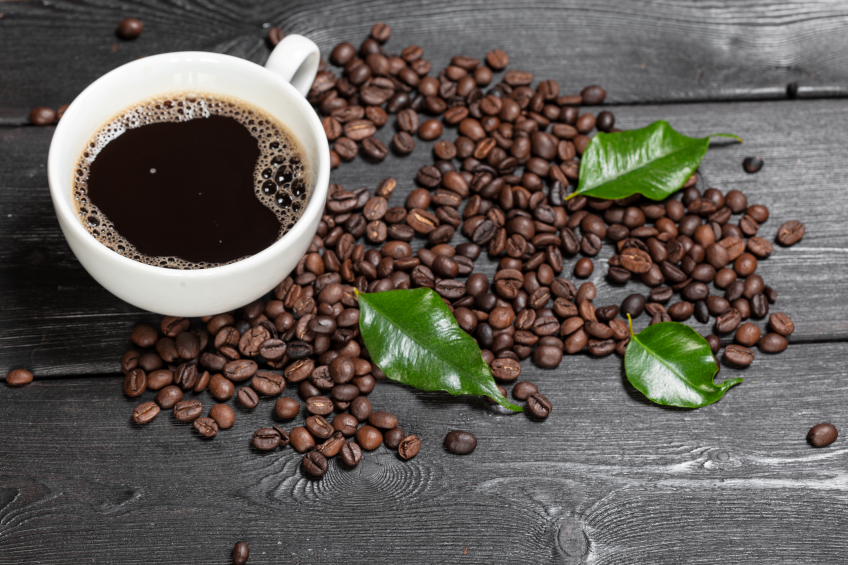

 You take a sip of coffee and wonder when you’ll finally feel more awake.
 Caffeine effects begin within 10 minutes of consumption, with peak caffeine concentration occurring 45 minutes after drinking coffee or tea. The timeline varies based on consumption method and individual metabolism.
 Caffeine absorption speed depends on the form you consume it in, your genetic makeup, and whether you’ve eaten recently. These variables can shift onset time from 10 minutes to over an hour.
 Your body’s response to caffeine depends on genetic factors, accumulated tolerance, and personal characteristics that determine how quickly you process and react to this stimulant.
 Caffeine remains active in your body for several hours after the initial effects kick in, with the stimulant gradually declining through a predictable metabolic process. Your body processes caffeine at a consistent rate, though individual factors can speed up or slow down how quickly the effects fade.
 Strategic timing and consumption methods can maximize caffeine’s benefits while minimizing unwanted side effects. The way you consume caffeine with food, when you drink your morning coffee, and how you manage your intake directly affects both the intensity and quality of the caffeine kick.


