Why Does Food Taste Better on a Charcoal Grill? The Science Behind the Flavor
There’s a reason why food from a charcoal grill tastes different from other cooking methods.
The better taste comes from a combination of high heat, smoke, and chemical reactions that happen when food cooks over burning charcoal.
When charcoal burns, it creates smoke that contains flavor compounds that get absorbed into your food, while the intense heat triggers reactions that create new tastes and textures.
The difference between charcoal-grilled food and food cooked on a gas grill or in your kitchen is noticeable. Charcoal grilling exposes your food to smoke from burning wood or charcoal, which releases compounds that add depth to the flavor. At the same time, the high temperatures cause reactions on the surface of your food that create a browned, flavorful crust.
Understanding why charcoal makes food taste better involves looking at the science of cooking, the types of fuel you use, and the techniques that bring out the best flavors. This article will explain the chemistry behind charcoal grilling, how smoke affects taste, and what you can do to make your grilled food even better.
What Sets Charcoal Grills Apart
Charcoal grills create a cooking environment that gas grills cannot replicate through their use of burning fuel, smoke production, and adjustable airflow systems. These elements work together to produce higher temperatures and distinct flavors.
Differences Between Charcoal and Gas Grills
The fuel source creates the primary distinction between these two grilling methods. Charcoal grills burn hardwood or briquettes at temperatures between 500°F and 700°F, while gas grills typically reach 400°F to 550°F. This temperature difference affects how quickly your food develops a seared crust.
Gas grills use propane or natural gas burners that provide instant, adjustable heat. You turn a knob to control the flame directly. Charcoal grills require you to manage heat through fuel amount and air vent positioning, which takes more skill but offers greater temperature range.
Burning charcoal releases volatile organic compounds including phenols and aldehydes that deposit on food surfaces. Gas combustion produces primarily water vapor and carbon dioxide, which don’t contribute flavor compounds. Your food on a charcoal grill absorbs these smoke particles throughout the cooking process.
Influence of Grill Design and Airflow
Air vents control how much oxygen reaches your burning charcoal, which directly affects heat intensity. Opening the bottom vents increases airflow and raises temperature, while closing them reduces heat. Top vents regulate smoke flow and prevent buildup that can make food taste bitter.
The bowl shape of most charcoal grills creates convection currents that circulate hot air and smoke around your food. This design cooks food through radiation from the coals below, convection from hot air, and conduction through the grates. The distance between your food and the coals changes heat intensity—closer placement increases searing capability.
Water pans placed near the coals add moisture to the cooking environment and help stabilize temperature swings. Some charcoal grill designs include adjustable grate heights that let you move food closer to or farther from the heat source during cooking.
Role of Temperature Control
Managing temperature on a charcoal grill requires monitoring fuel consumption and adjusting air vents throughout your cooking session. You add more charcoal to maintain heat or spread coals apart to reduce it. This manual process gives you control over cooking zones with different heat levels.
Your grill needs proper ventilation to maintain consistent temperatures. Restricted airflow causes incomplete combustion and produces excess smoke. Opening vents too wide burns through fuel quickly and creates hot spots.
Using a thermometer helps you track internal grill temperature rather than guessing based on visual cues. The Maillard reaction that creates browning and flavor development occurs most effectively between 300°F and 500°F. Your ability to hold temperatures in this range determines how well your food develops that characteristic grilled taste and texture.
Flavor Chemistry Behind Charcoal Grilling
When you grill food over charcoal, three main chemical processes create the distinctive taste: proteins and sugars react to form savory flavors, sugars break down into sweet compounds, and smoke particles bond with the food’s surface.
The Maillard Reaction and Browning
The Maillard reaction starts when your food reaches temperatures above 300°F on a charcoal grill. This chemical process occurs between amino acids in proteins and sugars in the food. The reaction creates hundreds of new flavor compounds that give grilled meat its savory taste and brown color.
Charcoal grills reach higher temperatures than gas or electric grills, which speeds up the Maillard reaction. The intense heat forms a crispy, brown crust on the outside of your food. This crust contains melanoidins, which are brown pigments that add depth to the flavor.
The reaction produces different compounds depending on the specific amino acids and sugars in your food. Beef develops different browning flavors than chicken because each meat contains unique proteins. These compounds create the savory taste that makes grilled food more appealing than food cooked at lower temperatures.
Caramelization and Sweetness
Caramelization happens when sugars in your food break down under high heat, typically starting around 320°F. This process is separate from the Maillard reaction because it only involves sugars, not proteins. The heat breaks sugar molecules apart and reforms them into new compounds.
When you grill vegetables or meat with marinades, you notice a sweet, complex flavor that comes from caramelization. The process creates carbonyls and other molecules that add sweetness and a golden-brown color. Onions, peppers, and corn develop especially strong caramelized flavors on a charcoal grill.
The high heat from charcoal makes caramelization happen faster and more completely than other cooking methods. This creates a balance between sweet and savory notes in your grilled food.
Formation of Unique Smoky Flavors
Smoke from burning charcoal contains hundreds of compounds that stick to your food’s surface. The most important flavor compounds are phenols, which create spicy and sweet notes, and carbonyls, which add woody aromas. Organic acids in the smoke provide a mild tang that balances the richness of grilled meat.
As fat drips onto hot coals, it vaporizes and creates additional smoke. This smoke carries flavor particles back up to your food. The particles dissolve into the fat and moisture on the food’s surface, which locks in the smoky flavor.
Different types of wood used to make charcoal produce different smoke compounds. Hardwood charcoal releases more phenols than briquettes, which creates a stronger smoke flavor. The longer your food stays on the grill, the more smoke compounds it absorbs, but too much smoke exposure can create bitter flavors from excessive phenol buildup.
How Smoke Enhances Grilled Food
Smoke transforms grilled food by depositing flavor compounds onto the surface, creating the distinctive taste that charcoal grilling provides. The chemical makeup of smoke and how it interacts with food determines the final flavor profile.
Compounds Responsible for Smoke Flavor
Wood and charcoal smoke contains hundreds of chemical compounds that create smoky flavors. Phenolic compounds like guaiacol and syringol are the primary sources of smoke taste. Guaiacol produces the classic smoky, spicy notes you recognize in grilled food. Syringol adds sweetness and complexity to the overall flavor.
Lignans break down during combustion and contribute to the depth of smoke flavor. Carbonyls in smoke bring fruity and sweet notes that balance the heavier smoky tastes. Organic acids provide mild tartness that cuts through rich, fatty foods.
The concentration of these compounds depends on the fuel source. Hardwood charcoal produces more phenolic compounds than briquettes. The temperature at which wood burns also affects which compounds form in the smoke.
How Food Absorbs Smoke
Food absorbs smoke through condensation of vapor particles on its surface. Moisture on the food’s exterior helps smoke compounds stick and penetrate. Fats in meat dissolve smoke particles, which is why fattier cuts often taste smokier.
The absorption rate depends on cooking time and temperature. Longer cooking periods allow more smoke to accumulate on food. Cold or room-temperature food absorbs smoke better than food that starts hot.
Surface texture matters for smoke absorption. Foods with rough or porous surfaces capture more smoke particles than smooth ones. This is why meat with a dry exterior develops stronger smoky flavors than wet meat.
Managing Flare-Ups and Charring
Flare-ups occur when fat drips onto hot coals and ignites. These sudden flames can create excessive charred areas on food. While light charring adds flavor, heavy charring produces bitter, acrid tastes and may create harmful compounds in charred meat.
You can control flare-ups by trimming excess fat before grilling and using indirect heat zones. Move food away from flames when flare-ups happen. Keep a spray bottle of water nearby to manage small flares without extinguishing the coals.
To avoid charring while keeping smoke flavor, maintain moderate temperatures between 225°F and 375°F. Use a two-zone fire setup with coals on one side. Position food over indirect heat to absorb smoke without burning.
Charcoal and Wood: Types and Their Impact
Different types of charcoal and wood create distinct flavors and heat levels when grilling. The fuel you choose affects cooking temperature, burn time, and the taste profile of your food.
Lump Charcoal vs Briquettes
Lump charcoal is made from pure hardwood pieces that have been burned in a low-oxygen environment. It burns hotter than briquettes, reaching temperatures between 1000°F and 1400°F, and lights faster with less ash production.
Briquettes are manufactured from compressed wood byproducts, sawdust, and binding agents. They burn at lower, more consistent temperatures around 800°F to 1000°F. Briquettes provide longer burn times, typically lasting two to three times longer than lump charcoal.
Your choice between these charcoal types depends on your grilling needs. Lump charcoal works well for high-heat searing and quick-cooking foods. Briquettes suit longer cooking sessions where steady heat matters more than peak temperature.
Mesquite and Hardwood Varieties
Mesquite produces a strong, savory smoke, making it ideal for beef and game meats. Its intense smoke can easily overwhelm delicate proteins like fish or chicken if used too heavily.
Hardwoods such as oak and hickory provide medium-intensity smoke with balanced flavors. Oak burns clean and hot, suitable for most grilling applications, while hickory adds a rich, hearty aroma that complements pork and poultry.
Apple and cherry wood generate milder, subtly sweet smoke that enhances lighter meats, fish, and vegetables without overpowering their natural flavors.
Adding Wood Chips for Extra Flavor
Wood chips give you more control over smoke flavor when added to your existing charcoal. Soak chips in water for 30 minutes before use to slow their burn rate and extend smoke production.
Different wood chips create specific flavor profiles:
Hickory: Bold, bacon-like taste for pork and ribs
Mesquite: Intense, earthy flavor for beef
Apple: Mild, fruity sweetness for poultry and fish
Cherry: Subtle sweetness with light smoke for most meats
Place wood chips directly on hot coals or use a smoker box for gas-assisted charcoal grills. Add chips gradually throughout cooking rather than all at once to maintain consistent smoke levels. Start with one to two handfuls and adjust based on your taste preferences.
Grilling Techniques That Maximize Flavor
Proper grilling techniques control heat distribution and smoke exposure to create better-tasting food. The way you position food on the grill and manage temperature directly affects texture, browning, and flavor development.
Direct and Indirect Cooking Methods
Direct grilling places food directly over the heat source. This method works best for foods that cook quickly, like burgers, thin steaks, and sliced vegetables. The high heat creates a crispy exterior through the Maillard reaction while keeping the inside moist.
Indirect grilling positions food away from the heat source, using the grill like an oven. You place charcoal on one side and food on the other. This technique suits thicker cuts of meat, whole chickens, and dense vegetables that need longer cooking times without burning.
Temperature zones matter for both methods. A well-managed charcoal grill should have a hot zone (450°F to 600°F) for searing and a cooler zone (250°F to 350°F) for slower cooking. You can move food between zones as needed.
The Art of Searing
Searing creates a browned crust on the surface of grilled meat through rapid heat exposure. Heat the grill to at least 500°F before you place food on the grates. Pat meat dry before grilling because moisture prevents proper browning.
Place your steak or other meat on the hottest part of the grill. Don’t move it for 2-3 minutes to allow the crust to form. Flip once and sear the other side for the same duration.
The Maillard reaction happens when amino acids and sugars react under high heat. This chemical process produces hundreds of flavor compounds that give grilled meat its characteristic taste. Let meat sit at room temperature for 20-30 minutes before grilling because cold meat straight from the refrigerator won’t sear properly.
Optimizing Grilled Steak and Vegetables
Grilled steak requires different heat management than vegetables. Start steak over direct high heat to sear both sides, then move it to indirect heat to finish cooking to your preferred doneness. Use a meat thermometer to check internal temperature rather than guessing.
Grilled vegetables need consistent medium-high heat (around 400°F to 450°F). Cut them into uniform sizes so they cook evenly. Parboil dense vegetables like potatoes before grilling.
Oil your vegetables lightly before placing them on the grill. This prevents sticking and helps with browning. Cook dense vegetables like carrots and peppers for 8-10 minutes. Softer vegetables like zucchini and tomatoes only need 4-6 minutes.
Health and Safety Considerations
Charcoal grilling creates two main types of harmful compounds through high-heat cooking: heterocyclic amines (HAs) and polycyclic aromatic hydrocarbons (PAHs). These compounds form when meat contacts open flames and high temperatures, but you can reduce your exposure through specific grilling practices.
Understanding Heterocyclic Amines and PAHs
Heterocyclic amines form when amino acids and sugars in meat react at temperatures above 300°F. Higher temperatures and longer cooking times develop more HAs in your food. These compounds appear primarily in the charred, dark portions of grilled meat.
Polycyclic aromatic hydrocarbons develop when fat and juices from meat drip onto hot charcoal. The rising smoke from these drippings contains PAHs, which then stick to the surface of your food. Char marks that create the appealing crust on grilled meat also form PAHs.
Research studies have raised health concerns about both compounds. How often you eat charcoal-grilled food and how you prepare it determine your exposure.
Tips to Reduce Harmful Compounds
Trim excess fat from meat before grilling to lower your exposure to HAs and PAHs. This reduces the amount of fat that drips onto the charcoal and creates smoke.
Marinate your meat for at least 30 minutes before grilling to cut HA formation by up to 90%. Choose marinades with acidic ingredients like vinegar or lemon juice.
Additional protective measures include:
Precook meat partially in an oven or microwave to reduce grill time
Use indirect heat to keep flames and smoke away from food
Flip meat frequently to prevent charring
Remove any charred or blackened portions before eating
Choose leaner cuts of meat like chicken breast or fish
Grill at lower temperatures when possible and avoid pressing meat with a spatula, which releases more fat onto the coals.
Other Factors That Influence Taste
While charcoal creates a distinctive smoky flavor, how you prepare grilled food, the sensory elements at play during cooking, and even the social context of the grilling experience heavily influence the final taste.
Role of Marinating and Preparation
Marinating changes how your food tastes on the grill by adding layers of flavor before cooking begins. When you soak meat in a mixture of oil, acid, herbs, and spices, it breaks down proteins and allows flavors to penetrate deeper.
The marinade ingredients react with high heat to create new taste compounds. Acids like vinegar or citrus based marinade help tenderize meat while adding brightness. Oils carry fat-soluble flavors and prevent sticking.
Your preparation choices directly affect the barbecue flavor. Dry rubs form a flavorful crust when they caramelize on the meat’s surface. The combination of your seasoning choices and charcoal smoke creates the complete taste profile that defines grilled food.
Proper preparation also affects moisture retention. When you let meat rest after marinating, the flavors distribute evenly throughout.
The Sensory Experience: Aroma and Texture
Your taste buds work together with your sense of smell to create the full flavor of grilled food. The aroma from charcoal smoke and searing meat triggers your brain before you take the first bite.
Charcoal grilling produces a crispy, caramelized exterior while keeping the inside tender. This texture contrast makes each bite more satisfying. The high heat creates char marks that add both visual appeal and a slightly bitter note that balances the meat’s richness.
The sounds of meat sizzling and fat dripping onto hot coals enhance your perception of flavor. Your brain associates these sensory cues with delicious food, which makes the taste seem better. Smoke particles that reach your nose contain the same compounds that flavor the food, preparing your taste buds for what comes next.
Psychological Aspects and Social Rituals
Grilling outside changes your perception of taste through psychological factors. During barbecue season, you associate the act of grilling with relaxation, warm weather, and social gatherings.
You invest effort into starting charcoal and tending the fire, which makes the meal feel more valuable. This investment of time and attention creates a sense of accomplishment that enhances your enjoyment of the food.
Social interactions during barbecue gatherings influence how you experience grill flavor. When you share food with friends and family, you link positive emotions to the taste. The outdoor setting and informal atmosphere also affect your mood, which changes how your brain processes flavors.
The ritual of charcoal grilling carries cultural significance in many communities. These traditions add meaning to the meal beyond just nutrition, making the food taste better through association and memory.
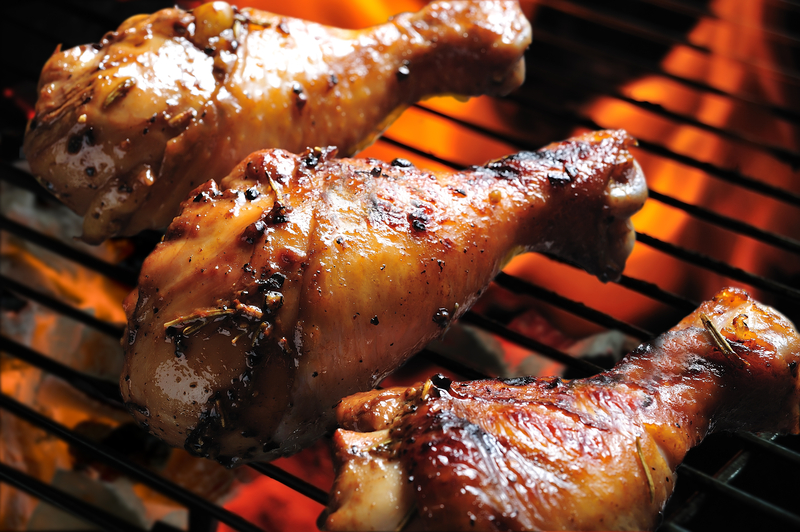


 Charcoal grills create a cooking environment that gas grills cannot replicate through their use of burning fuel, smoke production, and adjustable airflow systems. These elements work together to produce higher temperatures and distinct flavors.
 When you grill food over charcoal, three main chemical processes create the distinctive taste: proteins and sugars react to form savory flavors, sugars break down into sweet compounds, and smoke particles bond with the food’s surface.
 Smoke transforms grilled food by depositing flavor compounds onto the surface, creating the distinctive taste that charcoal grilling provides. The chemical makeup of smoke and how it interacts with food determines the final flavor profile.
 Different types of charcoal and wood create distinct flavors and heat levels when grilling. The fuel you choose affects cooking temperature, burn time, and the taste profile of your food.
 Proper grilling techniques control heat distribution and smoke exposure to create better-tasting food. The way you position food on the grill and manage temperature directly affects texture, browning, and flavor development.
 Charcoal grilling creates two main types of harmful compounds through high-heat cooking: heterocyclic amines (HAs) and polycyclic aromatic hydrocarbons (PAHs). These compounds form when meat contacts open flames and high temperatures, but you can reduce your exposure through specific grilling practices.
 While charcoal creates a distinctive smoky flavor, how you prepare grilled food, the sensory elements at play during cooking, and even the social context of the grilling experience heavily influence the final taste.


