What Meat to Cook on Charcoal? Ultimate Guide to the Best Choices
Charcoal grilling brings out rich, smoky flavors that really make meat stand out. The intense heat and natural smoke create a taste that gas grills just can’t match.
That said, not every cut of meat behaves the same way over charcoal, as some cuts thrive on high heat, while others need a more careful approach.
The best meats for charcoal grilling include steaks like ribeye and flank, chicken pieces, pork chops, ribs, hamburgers, and even whole turkey.
Each one asks for its own heat zones and timing to really shine.
Knowing which cuts work best and how to handle them helps you get the most from your grill. The right meat and a good approach can turn a basic cookout into something memorable.
This guide covers what you need to know about cooking meat on charcoal. You’ll see why charcoal matters, how to pick fuel, and which grilling methods suit different meats.
There are also tips on prep, safety, and a few tools that can make grilling smoother.
Why Charcoal Grilling Elevates Meat
Charcoal grilling transforms ordinary meat through high heat, real smoke, and classic cooking methods. Burning charcoal and wood together bring out flavors you just can’t get elsewhere.
Benefits of Charcoal Grilling
Your charcoal grill gets hotter than most other cooking options. This heat sears steaks, chicken, and pork, sealing in their juices.
The high temperatures create a crust outside while keeping the inside tender. Ribeye steaks and pork chops, for instance, develop a caramelized surface that adds a lot of texture and flavor.
Charcoal grilling lets you control cooking zones. You can set up hot spots for searing and cooler areas for slower cooking. This is especially useful for thicker cuts that need a gentler finish after the initial sear.
The burning process adds depth to grilled meats without chemicals. Your food soaks up the essence of charcoal as it cooks, building layers of flavor that are hard to beat.
How Charcoal Adds Smoky Flavor
When charcoal burns, it releases smoke particles that stick to the meat’s surface. These particles carry the signature grilled flavor.
Fat dripping onto the coals creates even more smoke. That smoke rises and coats the meat, adding another layer of flavor. It happens throughout the grilling process, deepening the smoky tastewith every minute.
Different charcoals affect the final result. Lump charcoal burns hotter and gives a stronger smoky note, while briquettes offer a milder smoke that’s good for chicken and fish.
Adding wood chips can boost smokiness. Hickory, mesquite, and applewood each bring their own flair to beef, pork, or poultry.
Charcoal vs. Gas Grilling for Meats
Charcoal grills bring outauthentic smoky flavors that gas grills struggle to match. The burning coals create real smoke, while gas mostly offers direct heat.
Temperature control is a bit different, too. Charcoal can reach over 700°F, giving you a great sear on steaks. Gas grills usually top out at lower temps.
Key Differences:
Flavor: Charcoal gives a smoky, rich taste; gas is cleaner and milder
Heat Level: Charcoal reaches higher temps for better searing
Cooking Style: Charcoal needs more attention; gas is easier to control
Setup Time: Charcoal takes 15-20 minutes; gas is instant
Charcoal grills help meat develop a better crust and those classic char marks. The exposure to burning coals and smoke creates the grilled taste that many people look for in burgers, ribs, and steaks.
Choosing the Right Charcoal for Grilling
The charcoal you pick affects grill temperature, burn time, and flavor. Lump charcoal and briquettes each suit different cooking styles, and how you light them matters as well.
Lump Charcoal Advantages
Lump charcoal is made from natural hardwood, with no chemicals or fillers. It lights quickly and burns hotter, reaching up to 1,000°F.
This makes lump charcoal ideal for fast, high-heat cooking like searing steaks or grilling burgers. It leaves less ash behind, so cleanup is easier and airflow is better. The wood itself adds a mild smoky flavor.
The downside? Lump charcoal burns out faster, so you might need to add more for longer sessions. The uneven pieces can make temperature control tricky if you’re new to grilling.
Briquettes for Consistent Cooking
Briquettes are compressed charcoal with additives that help them burn evenly. They hold a steady temperature around 400°F to 500°F for a couple of hours.
This makes briquettes good for longer cooks like smoking ribs or roasting whole chickens. Their uniform size means more predictable heat, which helps if you’re still learning grill control. Briquettes are usually cheaper and easy to find.
Some briquettes have lighter fluid mixed in, but these can add a chemical taste. If you care about flavor, look for natural briquettes without additives.
Lighting Methods: Chimney Starter and Lighter Fluid
A chimney starter is a metal cylinder that lights charcoal using crumpled newspaper underneath. Fill the top with charcoal, light the paper, and wait 15 to 20 minutes for glowing coals with white ash.
This method avoids chemical flavors. Chimney starters are affordable and last a long time.
Lighter fluid is faster but can leave a petroleum taste if overused or if you don’t let it burn off. If you use it, apply to the charcoal, wait 30 seconds, then light. Let it burn off for at least 10 minutes before cooking. Never add lighter fluid to burning coals—it’s dangerous.
Best Meats to Cook on Charcoal
Charcoal grilling works especially well with beef steaks, pork, chicken, and ground meats. Each one responds differently to the heat and smoke.
Steaks: Top Cuts for Charcoal Grilling
Ribeye is a standout for charcoal grilling. Its marbling keeps it juicy even over high heat. You’ll get a flavorful crust outside while it stays tender inside.
Sirloin is leaner but still delivers. It costs less than ribeye, though it needs attention to avoid overcooking.
Prime rib steak and prime rib cuts offer rich flavor. Thicker cuts benefit from a two-zone setup—sear over direct heat, finish over indirect.
Flank steak should be marinated before grilling, but the payoff is big flavor. Slice thin against the grain after cooking for the best texture. The high heat from charcoal gives it great char marks.
For grilling steaks, season with salt and pepper at least. Let the meat come to room temperature before grilling.
Pork: Ribs, Chops, and More
Pork ribs are excellent on charcoal. The fat renders slowly over indirect heat. Babyback ribs need 3-4 hours of low and slow cooking for tenderness.
Pork chops cook quickly over direct heat. Choose bone-in, at least 1 inch thick, for juicier results.
The fat in pork makes it a good match for charcoal grilling. Apply a dry rub a few hours before cooking to let flavors soak in. Wood chips can add extra smoke.
For ribs, use indirect heat—coals on one side, meat on the other, lid closed. For chops, sear both sides over direct heat, then finish on indirect if needed.
Chicken: Whole, Breasts, and Thighs
Grilled chicken thighs have more fat than breasts, so they’re harder to overcook. Thighs stay moist and develop crispy skin over charcoal.
Chicken breasts need care to avoid drying out. Pound to even thickness or butterfly for even cooking. Brining helps them stay moist.
Marinate chicken for 2-4 hours before grilling. Acids in marinades help tenderize and add flavor.
Whole chicken cooks best over indirect heat. While it takes a bit longer, this method helps achieve evenly cooked meat with crispy skin all around. Use a meat thermometer to ensure the internal temperature reaches 165°F for safe, juicy results.
Keep the skin on while grilling to protect the meat and create a crispy outside.
Sausages and Burgers
Sausages are simple to grill. Pre-cooked sausages just need browning, while raw ones need thorough cooking. Roll them for even color.
Burgers made from good ground beef (80/20 fat) stay juicy. Form patties about 3/4 inch thick, with a slight indent in the center to keep them flat.
Grilled burgers get a flavorful crust from charcoal’s high heat. Avoid pressing them with your spatula, as that squeezes out juices.
Both sausages and burgers go over direct heat. Sausages need 10-15 minutes, turning often. Burgers take about 4-5 minutes per side for medium. These options keep charcoal grilling approachable for quick meals or big gatherings.
Preparation and Seasoning Techniques
Proper seasoning transforms grilled meat from ordinary to exceptional. The right combination of marinades, dry rubs, and essential ingredients like salt, herbs, and oil creates layers of flavor that work with the natural smokiness from charcoal grilling.
Marinades and Flavors for Grilled Meats
Marinades infuse meat with flavor and help tenderize tougher cuts. A basic marinade usually combines an acid, oil, and seasonings.
Soy sauce, vinegar, or lemon juice serve as the acidic component, breaking down muscle fibers. Oil helps distribute flavors and keeps meat moist during grilling.
For beef, try mixing soy sauce with garlic, onion, and a splash of vinegar. Chicken works well with lemon juice, herbs, and olive oil.
Marinate thin cuts for 2-4 hours, and thicker cuts can go up to 24 hours in the fridge. The acid mainly penetrates the outer layers, making each bite more flavorful.
Be careful not to reuse marinade that’s touched raw meat unless you boil it first for safety.
Using Dry Rubs and Spices
Dry rubs create a flavorful crust on grilled meat without adding moisture. A mix of paprika, garlic powder, brown sugar, and salt makes a balanced blend.
The sugar caramelizes during grilling, creating a rich exterior. Apply dry rub at least 30 minutes before grilling, though overnight gives deeper flavor.
Press the rub firmly into the meat’s surface to help it stick.
Here are some common dry rub ingredients:
Paprika for color and mild heat
Brown sugar for sweetness and caramelization
Garlic powder and onion powder for savory depth
Salt to enhance natural meat flavors
You can brush on barbecue sauce during the final minutes of cooking to add a last layer of flavor without burning the sugars.
Essential Ingredients: Salt, Herbs, and Oil
Salt is the most important seasoning for grilled meat. It draws out moisture, then the meat reabsorbs it along with the salt, enhancing flavor throughout.
Apply salt 40 minutes before grilling or just before cooking. Herbs like rosemary, thyme, and oregano add aromatic notes that pair well with charcoal smoke.
Fresh herbs give a brighter flavor, while dried herbs are more concentrated. Chopped fresh garlic and onion add pungent, bold flavors.
Oil has several purposes. Lightly coat meat with oil to prevent sticking and help seasonings adhere.
Oil also helps with browning. Use oils with high smoke points, like vegetable or avocado oil, especially for charcoal grilling.
Charcoal Grilling Methods and Techniques
Mastering charcoal grilling means learning to control heat and use different cooking zones. The technique you choose depends on what you’re grilling and how much heat it needs.
Direct Grilling for High-Heat Cooking
Direct grilling puts food right over hot coals. This method is best for thin cuts like steaks, burgers, chops, and chicken breasts that cook quickly.
The high heat sears the surface, creating a crust and locking in juices. You’ll see those classic grill marks when it’s done right.
Best practices for direct grilling:
Keep the grill grate clean before cooking
Preheat coals until they’re covered with gray ash
Place meat directly over the hottest part of the coals
Flip food only once or twice to reduce moisture loss
Watch for flare-ups from dripping fat
This method requires attention. Thin cuts can overcook fast, so keep an eye on them.
A meat thermometer helps you check doneness without cutting into the meat.
Indirect Grilling and Two-Zone Fire
A two-zone fire gives you more control over temperature. Arrange hot coals on one side of the grill, leaving the other side empty.
The coal side is for searing, while the empty side creates a cooler zone for gentle cooking. This setup is key for larger or thicker cuts like whole chickens, ribs, and thick steaks.
Setting up your two-zone fire:
Push all lit coals to one side of the grill
Place a drip pan on the empty side to catch juices
Position food over the cooler zone for indirect grilling
Close the lid to keep temperature steady
With this technique, you can sear meat over direct heat, then move it to the cooler zone to finish cooking. The lid circulates heat around the food, almost like an oven.
Enhancing Flavor with Wood Chips
Wood chips add smoky flavor beyond what charcoal alone gives. Different woods bring different tastes to your grilled meat.
Soak wood chips in water for 30 minutes before using them. This helps them smolder and smoke instead of catching fire. Drain them before adding to your coals.
Popular wood chip options:
Hickory: Strong, bacon-like flavor for pork and beef
Scatter soaked chips directly on hot coals. Add them at the start or partway through for a lighter smoke flavor.
Too many chips can make things bitter, so start with a handful and see what you like.
Tools, Safety, and Grilling Best Practices
The right tools and proper safety steps help you grill meat safely and well on charcoal. A meat thermometer prevents undercooking, and using separate tools for raw and cooked food stops bacteria from spreading.
Must-Have Grilling Tools
Have two sets of long-handled tongs and spatulas—one for raw meat, the other for cooked food. This helps prevent cross-contamination.
A meat thermometer is essential. Charcoal grills brown meat quickly outside, but the inside may still be undercooked. The thermometer tells you when it’s safe to eat.
Get a grill thermometer to monitor your cooking temperature. Most charcoal grills don’t have built-in gauges, so this tool helps keep heat steady.
Cook beef, pork, and lamb steaks to 145°F, then let them rest for three minutes. Ground meats need 160°F, and all chicken must hit 165°F.
Never rely on color alone to tell if meat is done. Insert your thermometer into the thickest part, away from bone or fat.
Check several spots on larger cuts to be sure they’re cooked evenly. Keep raw meat cold until you’re ready to grill.
Don’t leave food out for more than two hours, or one hour if it’s hot outside. Use clean plates and utensils for cooked food—never put grilled meat back on the plate that held it raw.
Cleaning and Maintaining Your Grill
Clean grates while they’re still warm after each use. A wire brush removes stuck-on food and keeps flavor pure.
Empty ash after the grill cools completely. Too much ash blocks airflow, making temperature control tougher.
Check your grill’s vents to make sure they open and close smoothly. Inspect grates for rust or damage before each session.
Every few months, deep clean your grill by removing the grates and scrubbing all interior surfaces.
Beyond Meat: Other Great Foods for the Charcoal Grill
Your charcoal grill isn’t just for meat. Vegetables develop a smoky flavor that brings out their sweetness, and seafood cooks quickly over hot coals, picking up a nice char.
Vegetables and Sides
Vegetables get richer and more flavorful on a charcoal grill. High heat caramelizes their sugars and adds a smoky note.
Grilled corn on the cob is a classic. Grill it directly on the grates with the husks on, or remove the husks and wrap in foil. It takes about 15 to 20 minutes over medium heat.
Bell peppers, zucchini, and eggplant also work well. Cut them into thick slices so they don’t fall through the grates.
Brush asparagus spears and mushrooms with olive oil and season with salt and pepper before grilling, as they are quick-cooking options that benefit from simple preparation.
Thread smaller vegetables like cherry tomatoes or mushrooms onto skewers to make flipping easier and prevent them from falling into the coals.
Potatoes take more time. Par-boil them first or wrap in foil to help them cook through without burning outside.
Seafood Options
Seafood cooks quickly on a charcoal grill and picks up those smoky flavors that are hard to replicate elsewhere.
It’s important to keep a close eye on it—sometimes it goes from just right to overdone before you know it.
Set them on a clean, oiled grate and cook for 3 to 4 minutes on each side. When they’re done, the fish should flake apart with a fork.
Shrimp are even faster—they only need 2 to 3 minutes per side.
Threading them onto skewers makes flipping less of a hassle. Leaving the shells on helps lock in moisture and adds a bit of flavor.
Whole fish like trout or snapper are a solid choice for charcoal grilling because using a fish basket or a layer of foil prevents sticking, allowing the skin to get crisp while the inside stays moist.
Lemon, herbs, and a bit of butter are all you really need for seasoning—sometimes simple is best.
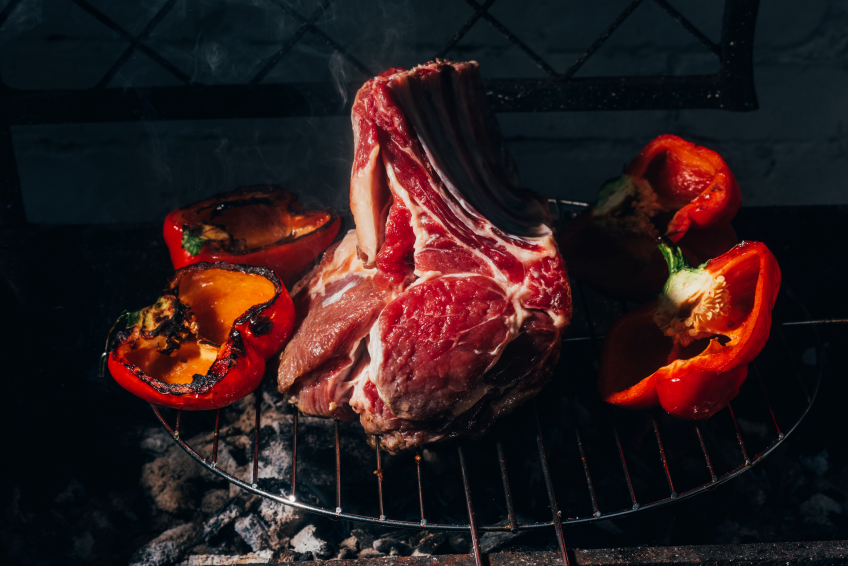


 Charcoal grilling transforms ordinary meat through high heat, real smoke, and classic cooking methods. Burning charcoal and wood together bring out flavors you just can’t get elsewhere.
 The charcoal you pick affects grill temperature, burn time, and flavor. Lump charcoal and briquettes each suit different cooking styles, and how you light them matters as well.


 The right tools and proper safety steps help you grill meat safely and well on charcoal. A meat thermometer prevents undercooking, and using separate tools for raw and cooked food stops bacteria from spreading.
 Your charcoal grill isn’t just for meat. Vegetables develop a smoky flavor that brings out their sweetness, and seafood cooks quickly over hot coals, picking up a nice char.


