Is Instant Coffee Bad for You? A Science-Based Health Guide
Instant coffee gets a bad reputation, but the science tells a different story.
Instant coffee is not bad for you and offers many of the same health benefits as regular brewed coffee, including antioxidants and protection against certain diseases.
While it does contain slightly less caffeine and somewhat more acrylamide than fresh-brewed coffee, these differences fall well within safe consumption ranges.
You might reach for instant coffee because it’s quick and convenient, but you may wonder if you’re sacrificing your health for that convenience. The reality is more nuanced than simple good-or-bad labels suggest.
Understanding what instant coffee actually contains and how it affects your body can help you make informed choices about your daily caffeine habit.
This article breaks down the nutritional facts, compares caffeine levels to regular coffee, examines both potential risks and proven benefits, and shows you how to select and prepare instant coffee in the healthiest way possible.
Whether you’re a daily instant coffee drinker or considering making the switch, you’ll learn exactly what this popular beverage does for your body.
What Is Instant Coffee?
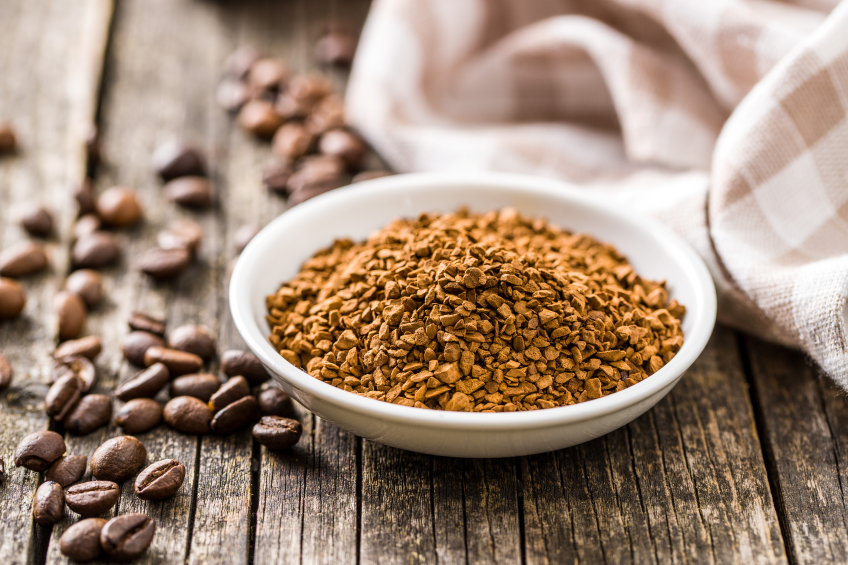
Instant coffee is a type of coffee made from dried coffee extract that dissolves quickly in water. The product is manufactured by brewing concentrated coffee and removing the water through specialized drying processes.
How Instant Coffee Is Made
The production starts with brewing ground coffee beans into a highly concentrated extract. This extract is much stronger than the coffee you would normally drink at home.
Manufacturers then remove the water from this concentrated extract using industrial drying methods. The result is either a fine powder or small granules that dissolve instantly when you add hot water.
The process preserves the coffee’s quality, aroma, and flavor while creating a shelf-stable product. You only need to add one teaspoon of instant coffee powder to a cup of hot water to make a drink. The strength adjusts easily by using more or less powder per cup.
Spray-Drying vs. Freeze-Drying Methods
Spray-drying involves spraying coffee extract into hot air, which rapidly dries the liquid droplets. The hot air turns the extract into fine powder or small pieces within seconds.
Freeze-drying freezes the coffee extract first, then cuts it into small fragments. These fragments dry at low temperatures under vacuum conditions, creating a different texture than spray-dried coffee.
Both methods maintain the antioxidants and nutrients found in brewed coffee. Freeze-dried instant coffee typically has a richer flavor and better aroma retention, but spray-drying is faster and more cost-effective for manufacturers.
Differences Between Instant and Regular Coffee
Instant coffee contains 30-90 mg of caffeine per cup, while regular coffee has 70-140 mg per cup. Each cup of instant coffee has only 7 calories plus small amounts of potassium, magnesium, and niacin.
The convenience factor sets instant coffee apart since it requires no brewing equipment or waiting time. Regular coffee needs a coffee maker, filters, and several minutes of preparation.
Instant coffee may contain up to twice as much acrylamide as fresh, roasted coffee due to the processing methods. However, instant coffee can have higher amounts of certain antioxidants than other brews because of how it’s manufactured.
Nutritional Profile of Instant Coffee
Instant coffee provides minimal calories while delivering antioxidants and small amounts of essential nutrients. The processing methods used to create instant coffee can actually concentrate certain beneficial compounds compared to regular brewing.
Calories and Major Nutrients
One standard cup of instant coffee contains only 7 calories when prepared with one teaspoon of powder and water. This makes it a low-calorie beverage choice for your daily routine.
You’ll get small amounts of potassium, magnesium, and niacin (vitamin B3) in each cup. These micronutrients exist in minimal quantities, so instant coffee shouldn’t be considered a significant source of vitamins or minerals in your diet. The product contains no fat, protein, or sugar when consumed black.
Adding milk, cream, or sweeteners will change the nutritional values substantially. The powder itself dissolves completely in water without leaving behind grounds or sediment.
Antioxidants and Chlorogenic Acid
Instant coffee ranks as a major source of antioxidants in modern diets. The spray-drying and freeze-drying processes used to manufacture instant coffee may preserve or even enhance certain antioxidant compounds.
Chlorogenic acid stands out as one of the primary beneficial compounds in coffee. This antioxidant helps protect your cells from damage and contributes to coffee’s health benefits. Research shows that instant coffee can contain higher amounts of specific antioxidants than other brewing methods due to its concentrated production process.
The antioxidant content in your cup helps combat oxidative stress in your body. These compounds remain stable during the manufacturing process and storage.
Comparison of Nutrients With Brewed Coffee
Instant coffee and brewed coffee share similar antioxidant profiles, though the concentrations differ. Regular coffee typically contains 70-140 mg of caffeine per cup, while instant coffee provides 30-90 mg per teaspoon of powder.
The lower caffeine content in instant coffee offers an advantage if you’re sensitive to stimulants. Both types deliver comparable health-promoting antioxidants, making them nutritionally equivalent in most respects.
Instant coffee contains up to twice as much acrylamide as fresh roasted coffee due to the additional processing steps. However, the levels in both types remain well below amounts considered harmful to human health.
Caffeine Content: Instant Coffee vs. Regular Coffee
Instant coffee delivers about 62 mg of caffeine per 8-ounce cup, while regular brewed coffee contains approximately 95 mg. The processing methods used to create instant coffee reduce its caffeine levels compared to traditional brewing.
How Much Caffeine Is in Instant Coffee?
An 8-ounce serving of instant coffee contains 62 mg of caffeine on average. Regular brewed coffee of the same size provides 95 mg, making instant coffee about 35% lower in caffeine content.
The reduction occurs during spray-drying or freeze-drying processes. During spray-drying, brewed coffee gets misted into hot, dry air where water evaporates and leaves behind crystallized coffee. Freeze-drying involves brewing coffee into a concentrated extract, freezing it into thin layers, breaking it into granules, then removing liquid through sublimation.
Different brands and production methods affect the final caffeine levels. Instant coffee typically ranges from 30-90 mg per serving depending on the brand and how much powder you use. Brewed coffee varies between 70-140 mg based on brewing strength and bean type.
Caffeine Sensitivity and Side Effects
Healthy adults can safely consume up to 400 mg of caffeine daily, which equals about 6 cups of instant coffee. You may prefer instant coffee if you experience jitters, anxiety, or shakiness from regular coffee since the lower caffeine content reduces these symptoms.
Pregnant women should limit caffeine intake to 200 mg or less per day. Research links higher caffeine consumption during pregnancy to low birth weight, preterm birth, and pregnancy loss. Women at increased risk for bone fractures should also monitor their caffeine intake carefully.
If you’re sensitive to caffeine, switching to decaf or herbal tea eliminates these side effects entirely.
Potential Health Risks of Instant Coffee
While instant coffee offers convenience and similar benefits to regular coffee, it contains higher levels of certain compounds and may include additives that warrant consideration.
Acrylamide in Instant Coffee
Acrylamide forms when coffee beans undergo high-temperature roasting. Instant coffee contains up to twice the amount of this chemical compared to freshly brewed coffee due to its additional processing steps.
This compound appears in many everyday foods and products. Studies link overexposure to potential nervous system damage and increased cancer risk in laboratory animals.
The acrylamide levels you consume through instant coffee remain well below amounts shown to cause harm in humans. Your daily exposure from coffee represents a small fraction of concerning threshold levels established by research.
Additives and Flavored Instant Coffee
Many instant coffee products contain added ingredients beyond pure coffee. Common additives include sugar, artificial sweeteners, vegetable oils, maltodextrin, and various stabilizers.
Flavored instant coffee typically has the highest additive content. These products may include corn syrup solids, partially hydrogenated oils, and artificial flavoring agents that add calories and potentially unhealthy fats to your beverage.
Reading ingredient labels helps you identify pure instant coffee versus products with extensive additives. Some brands market “pure” or “100% coffee” options that contain only freeze-dried or spray-dried coffee extract.
Other Possible Side Effects
Each teaspoon of instant coffee powder delivers 30-90 mg of caffeine. Excessive consumption may trigger anxiety, sleep disruption, restlessness, stomach upset, tremors, and rapid heartbeat in sensitive individuals.
Your caffeine tolerance determines how instant coffee affects you. People with low tolerance or certain medical conditions should monitor their intake or choose decaffeinated versions.
Instant coffee’s acidity can aggravate acid reflux or stomach irritation in some people. The pH level remains similar to regular coffee, so if brewed coffee bothers your stomach, instant coffee likely will too.
Health Benefits of Instant Coffee
Instant coffee provides similar health advantages to regular brewed coffee, including antioxidant protection and potential disease prevention. The processing methods used to create instant coffee preserve most of the beneficial compounds found in fresh beans.
Antioxidant Properties
Instant coffee serves as a major source of antioxidants in your diet. These compounds help protect your cells from damage caused by harmful molecules. One cup of instant coffee made with one teaspoon of powder contains only 7 calories while delivering powerful antioxidant benefits.
The processing methods for instant coffee—spray-drying and freeze-drying—may actually increase certain antioxidant levels compared to regular brewing. Chlorogenic acid, one of the primary antioxidants in coffee, remains present in instant varieties. Your body uses these antioxidants to fight oxidative stress and reduce inflammation.
Instant coffee also provides small amounts of essential nutrients including potassium, magnesium, and niacin (vitamin B3).
Mental and Metabolic Effects
Caffeine in instant coffee improves brain function and mental alertness. One teaspoon of instant coffee powder typically contains 30-90 mg of caffeine, which is less than the 70-140 mg found in regular coffee. This moderate caffeine content can enhance your focus without causing excessive jitters.
Your metabolism receives a boost from instant coffee consumption. The caffeine increases your metabolic rate and helps your body burn fat more efficiently. Regular intake may support weight management efforts when combined with a balanced diet.
Mental health benefits include a lower risk of depression and improved mood. The stimulant effects of caffeine contribute to these psychological benefits.
Impact on Disease Risk
Drinking 3-5 cups of instant coffee daily links to the strongest protective effects against various health conditions. Your risk of developing type 2 diabetes decreases with regular instant coffee consumption. Studies show coffee drinkers experience better blood sugar control over time.
Liver health improves with instant coffee intake. Your chances of developing cirrhosis and liver cancer reduce when you drink coffee regularly. The protective compounds in instant coffee support liver function and reduce inflammation in liver tissue.
Neurodegenerative disease risk decreases among instant coffee drinkers. Research indicates lower rates of Alzheimer’s and Parkinson’s disease in people who consume coffee daily. These protective effects may extend your lifespan and improve your quality of life as you age.
How to Prepare and Choose Instant Coffee Wisely
Making instant coffee correctly and selecting quality products can help you get the most health benefits while avoiding unnecessary additives. The right preparation method and brand selection make a difference in both taste and nutritional value.
Steps to Make Instant Coffee
Add one teaspoon of instant coffee powder to 6-8 ounces of hot water between 195-205°F. Water that’s too hot can burn the coffee and create a bitter taste.
Stir the mixture for 5-10 seconds until the powder fully dissolves. You can adjust the coffee strength by using more or less powder based on your caffeine tolerance.
Add milk or cream after the powder dissolves to prevent clumping. If you want to reduce calories, skip sweeteners or use small amounts of natural options like honey.
Tips for Healthier Choices
Choose freeze-dried instant coffee over spray-dried varieties when possible. Freeze-dried products better preserve antioxidants and result in lower acrylamide levels during processing.
Limit your intake to 3-5 cups per day to stay within the optimal range for health benefits. Each teaspoon contains 30-90 mg of caffeine, so track your total daily caffeine from all sources.
Avoid instant coffee products with added sugars, artificial flavors, or creamers already mixed in. These additions increase calories and may contain unhealthy trans fats or excessive sodium.
Selecting Instant Coffee Brands
Read ingredient labels carefully to ensure your coffee contains only 100% pure beans, without fillers or additives. Some brands may include chicory, maltodextrin, or other bulking agents to cut costs, so choosing trusted options matters. For a wholesome choice, 365 by Whole Foods Market offers quality coffee made from pure beans.
Check the manufacturing date on instant coffee products, as flavor and antioxidant potency diminish over time. Once opened, store jars in airtight containers, away from light and moisture, to maintain freshness for up to two years.
FAQ: Is Instant Coffee Bad for You?
Instant coffee is a quick and convenient way to enjoy your daily caffeine fix. But many people wonder whether it’s as healthy as regular brewed coffee.
Is Instant Coffee Bad for You?
Instant coffee is not bad for you when consumed in moderation.
It contains antioxidants and can be part of a healthy diet, similar to regular coffee.
Is Instant Coffee Worse Than Regular Coffee?
Instant coffee is slightly lower in antioxidants and caffeine, but it’s not significantly worse.
For most people, the health differences are minimal.
How Much Caffeine Is in Instant Coffee?
Instant coffee typically contains 30–90 mg of caffeine per cup, which is less than brewed coffee.
This makes it a good option if you want lower caffeine intake.
Does Instant Coffee Contain Harmful Chemicals?
Instant coffee contains small amounts of acrylamide, a compound formed during roasting.
However, the levels are low and considered safe for consumption.
Can Instant Coffee Be Harmful to Your Health?
Drinking too much instant coffee may cause:
Insomnia
Anxiety
Digestive issues Moderate consumption is generally safe for healthy adults.
Is Instant Coffee Bad for Your Heart?
No, moderate instant coffee consumption is not linked to heart disease.
In some cases, coffee may even support heart health.
Does Instant Coffee Raise Cholesterol?
Instant coffee is lower in compounds that can raise cholesterol compared to unfiltered coffee, making it a better choice for those concerned about cholesterol levels.
Is Instant Coffee Good for Weight Loss?
Instant coffee can support weight loss when consumed without added sugar or cream.
It’s low in calories and may slightly boost metabolism.
Is Instant Coffee Safe During Pregnancy?
Instant coffee is safe in small amounts.
Pregnant individuals should keep caffeine intake below 200 mg per day.
Does Instant Coffee Have Any Nutritional Benefits?
Instant coffee still provides antioxidants and small amounts of nutrients.
While slightly lower than fresh coffee, the difference is not major.
Who Should Avoid Drinking Instant Coffee?
You may need to limit or avoid instant coffee if you:
Are sensitive to caffeine
Have acid reflux or stomach issues
Have been advised by a doctor to reduce caffeine intake

 Instant coffee gets a bad reputation, but the science tells a different story.
 Instant coffee is a type of coffee made from dried coffee extract that dissolves quickly in water. The product is manufactured by brewing concentrated coffee and removing the water through specialized drying processes.
 Instant coffee provides minimal calories while delivering antioxidants and small amounts of essential nutrients. The processing methods used to create instant coffee can actually concentrate certain beneficial compounds compared to regular brewing.
 Instant coffee delivers about 62 mg of caffeine per 8-ounce cup, while regular brewed coffee contains approximately 95 mg. The processing methods used to create instant coffee reduce its caffeine levels compared to traditional brewing.
 While instant coffee offers convenience and similar benefits to regular coffee, it contains higher levels of certain compounds and may include additives that warrant consideration.
 Instant coffee provides similar health advantages to regular brewed coffee, including antioxidant protection and potential disease prevention. The processing methods used to create instant coffee preserve most of the beneficial compounds found in fresh beans.
 Making instant coffee correctly and selecting quality products can help you get the most health benefits while avoiding unnecessary additives. The right preparation method and brand selection make a difference in both taste and nutritional value.
 Instant coffee is a quick and convenient way to enjoy your daily caffeine fix. But many people wonder whether it’s as healthy as regular brewed coffee.


