How to Bake Chicken Thighs: The Complete Oven Guide
Baking chicken thighs in your oven creates tender, flavorful meat with crispy skin using minimal effort and ingredients. This cut of chicken works well for weeknight dinners because it stays moist during cooking and costs less than other parts of the bird.
To bake chicken thighs, preheat your oven to 400°F and cook bone-in, skin-on thighs for 40 to 45 minutes or boneless, skinless thighs for 20 to 25 minutes until they reach an internal temperature of 165°F.
The process requires just a few basic seasonings and one baking sheet.
This guide covers everything you need to know about selecting the right type of thighs, preparing them with the best seasonings, achieving crispy skin while keeping the meat juicy, and storing leftovers properly. You’ll learn the exact temperatures and timing that work for different cuts, plus how to pair your baked chicken with sides for complete meals.
Understanding Chicken Thighs for Baking
Chicken thighs come in four main variations that affect cooking time, texture, and flavor. The bone and skin determine moisture retention and how crispy the final result becomes.
Bone-In vs. Boneless Chicken Thighs
Bone-in chicken thighs weigh between 4 to 8 ounces and take longer to cook than boneless cuts. The bone conducts heat through the meat’s center, helping it cook evenly while adding flavor during baking. You’ll need to insert your thermometer into the thickest part without touching the bone to get an accurate temperature reading.
Boneless chicken thighs cook faster at 425°F in approximately 25 minutes. They’re easier to slice and portion for meal prep. These cuts work best when you need quick-cooking protein for grain bowls, wraps, or salads where presentation matters.
Skin-On vs. Skinless Chicken Thighs
Skin-on chicken thighs create a crispy, golden exterior when baked at high temperatures like 500°F. The skin acts as a protective layer that bastes the meat with its rendered fat during cooking. Starting skin-side up on a preheated baking sheet helps achieve maximum crispiness.
Skinless chicken thighs absorb marinades better and contain less fat. They benefit from coating in olive oil before baking to prevent drying. Without the skin’s protection, you need to monitor cooking time more carefully to avoid overcooking.
Why Chicken Thighs Stay Juicy and Tender
Dark meat contains more intramuscular fat than white meat, which keeps baked chicken thighs moist during cooking. This higher fat content provides natural flavor without requiring heavy seasoning or sauces. The muscle fibers in thigh meat are also less prone to drying out compared to breast meat.
Thighs reach safe consumption at 165°F internal temperature while maintaining tenderness. When properly cooked, the meat should feel responsive to touch rather than firm. Clear juices running from the thickest part indicate doneness, while pink or red liquid means more cooking time is needed.
Essential Ingredients and Seasonings
The right combination of seasonings and fats transforms basic chicken thighs into a flavorful meal. Quality ingredients matter less than proper application and understanding which seasonings complement chicken’s natural taste.
Key Seasonings for Flavorful Chicken Thighs
Garlic powder and onion powder form the foundation of most chicken thigh seasonings because they distribute evenly across the meat’s surface without burning at high temperatures. Salt penetrates the meat to enhance natural flavors while drawing moisture to the surface, which helps create crispy skin when properly dried before cooking.
Black pepper adds heat and depth without overwhelming the chicken’s taste. You need approximately 1 teaspoon of salt and 1/2 teaspoon of black pepper per pound of chicken thighs for balanced seasoning.
Paprika serves a dual purpose by adding subtle sweetness and creating golden-brown color on the skin during baking. Smoked paprika offers a deeper flavor profile if you prefer a more robust taste.
Using Herbs and Spices for Chicken Thighs
Dried oregano and thyme work better than fresh herbs for baked chicken thighs because they withstand high heat without burning. These Mediterranean herbs complement chicken without requiring exact measurements—approximately 1/2 teaspoon of each provides noticeable flavor in a standard recipe using six thighs.
Fresh herbs burn easily at temperatures above 375°F, making them unsuitable for crispy-skin preparations. Dried herbs contain concentrated oils that release gradually during the cooking process.
Cayenne pepper or red pepper flakes add heat when mixed into your base seasoning at 1/4 to 1/2 teaspoon per batch. Pre-made chicken seasoning blends simplify the process but often contain salt, requiring you to adjust additional salt accordingly.
Recommended Oils and Fats
Olive oil helps seasonings adhere to chicken skin while promoting browning at high temperatures. You need approximately 2 tablespoons for six chicken thighs to create an even coating.
Avocado oil tolerates higher heat than olive oil with a smoke point of 520°F compared to olive oil’s 375-405°F, making it ideal for cooking above 400°F. Butter burns at baking temperatures required for crispy skin, though you can brush it on during the final minutes of cooking for added richness.
The chicken’s own fat renders during cooking, so additional oils serve primarily as carriers for dry seasonings rather than preventing dryness.
How to Bake Chicken Thighs: Step-by-Step
Properly preparing and arranging chicken thighs before baking ensures crispy skin and evenly cooked meat. The process involves trimming excess parts, applying seasonings strategically, and positioning thighs for optimal heat circulation.
Preparation and Trimming
Remove chicken thighs from refrigeration 20-30 minutes before cooking to bring them closer to room temperature. Pat each piece completely dry with paper towels, focusing on the skin side where moisture prevents crisping.
Use kitchen shears to trim excess skin that hangs beyond the meat edges. Remove any visible fat deposits larger than a quarter-inch. Check for leftover feather pieces or bone fragments along the edges and cut them away.
Inspect each thigh for the small piece of cartilage near the joint end and trim if it protrudes. Leave the skin attached but ensure it covers the meat evenly without bunching in one area.
How to Season Chicken Thighs
Mix 1 teaspoon salt, ½ teaspoon garlic powder, ½ teaspoon onion powder, ½ teaspoon paprika, and ¼ teaspoon black pepper per pound of chicken in a small bowl. Drizzle 1 tablespoon olive oil over 4-6 thighs before applying the spice blend.
Lift the skin gently without tearing it and rub seasoning directly onto the meat underneath. Sprinkle additional seasoning over the skin surface and press it in with your fingers. Coat the underside of each thigh with remaining spices for complete flavor coverage.
Arranging Chicken for Optimal Results
Place thighs skin-side up in a 9×13-inch baking pan or rimmed baking sheet with at least 1 inch of space between each piece. Position them in a single layer without overlapping or touching to allow air circulation.
Set a wire rack inside your pan for crispier results, elevating thighs ½ inch above the surface. Angle the meatiest part toward the oven’s center where heat concentrates. Avoid crowding more than 8 thighs in a standard pan, which traps steam and prevents browning.
Baking Times and Temperatures
Getting the temperature and timing right ensures chicken thighs come out juicy with properly rendered skin and safe internal temperatures. The specific cut you’re working with significantly impacts how long the chicken needs in the oven.
How Long to Bake Chicken Thighs
At 425°F, boneless chicken thighs require 25 to 30 minutes to cook through. Bone-in, skin-on thighs need approximately 30 minutes at 500°F or 35 to 45 minutes at 375°F.
Lower temperatures extend cooking time but reduce the risk of drying out the meat. At 350°F, bone-in thighs take 40 to 50 minutes based on USDA guidelines for 4-to-8-ounce portions. The 400°F range produces results in 30 to 40 minutes for bone-in cuts.
Size directly affects duration. Smaller thighs finish faster than larger ones, even at identical temperatures. Preheating your baking sheet before adding the chicken can reduce overall cooking time and improve skin crispness.
Internal Temperature Guidelines
Your chicken thighs are done when they reach 165°F at the thickest part. Use an instant-read thermometer for the most accurate measurement.
Insert the thermometer into the thickest section of the meat, avoiding bone contact on bone-in cuts since bones conduct heat differently and give false readings. For boneless thighs, simply probe the center.
If you don’t have a thermometer, cut a small incision in the thickest area. Clear juices indicate doneness, while red or pink juices mean the meat needs more time. The exterior should appear opaque and golden-brown rather than translucent.
Differences for Boneless, Skinless, and Bone-In Cuts
Bone-in chicken thighs take longer to cook because bones act as insulators, slowing heat transfer to the surrounding meat. The bone itself needs time to heat through, adding 10 to 20 minutes compared to boneless cuts at the same temperature.
Skinless chicken thighs cook slightly faster than skin-on varieties since you remove a protective layer. However, you sacrifice the crispy texture and fat that keeps the meat moist during baking. Boneless, skinless thighs represent the fastest-cooking option, finishing in as little as 20 to 25 minutes at higher temperatures.
Skin-on thighs benefit from higher initial temperatures to render fat and crisp the skin without overcooking the meat underneath.
Tips for Crispy and Juicy Oven Baked Chicken Thighs
Achieving crispy skin requires proper moisture removal and heat management, while keeping meat juicy depends on using bone-in cuts and monitoring internal temperature. A broiler finish provides an additional layer of crispness when needed.
Secrets for Crispy Skin
Pat your chicken thighs completely dry with paper towels before cooking. Surface moisture prevents browning and creates steam instead of crisp skin.
Trim excess loose skin hanging off the edges of each thigh. These thin pieces burn before the rest of the skin crisps properly.
Start bone-in, skin-on thighs in a cold skillet on the stovetop, then transfer to a 425°F oven. The cold pan allows fat to render slowly without splattering, creating a golden exterior similar to croissant texture.
Leave the thighs undisturbed for 10 minutes while searing skin-side down. Moving them too early prevents proper browning and disrupts the crisping process.
How to Avoid Dry Chicken
Use bone-in chicken thighs instead of boneless cuts. The bone conducts heat evenly through the meat and keeps it moist during cooking.
Cook your thighs to an internal temperature of 165°F measured at the thickest part. Overcooking past this temperature dries out the meat regardless of your preparation method.
The uneven thickness of chicken thighs makes stovetop-only cooking difficult without pounding the meat flat. Finishing in the oven provides gentle, surrounding heat that cooks the meat through without drying the thinner portions.
Finishing Chicken Thighs Under the Broiler
Place your baked thighs under the broiler for 2-3 minutes if the skin needs additional crisping. Position the rack 6 inches from the heating element to prevent burning.
Watch the chicken closely during broiling since the high heat can char the skin quickly. Remove the pan as soon as you see the desired golden-brown color.
Skip the broiler if your skin already achieved crispness during baking. Additional heat at this stage only risks drying out your tender chicken thighs.
Serving Suggestions and Meal Ideas
Baked chicken thighs work well with starchy sides that absorb pan drippings, fresh vegetables that add texture contrast, and grain-based dishes that round out the protein. These combinations create balanced weeknight meals that require minimal additional prep time.
Pairing Chicken Thighs with Side Dishes
Mashed potatoes make an ideal pairing because their creamy texture soaks up the rendered fat and seasoning from the chicken. Rice pilaf offers a lighter alternative that still captures flavorful juices while adding herbs like parsley or thyme.
Roasted vegetables such as carrots, Brussels sprouts, or asparagus complement the rich meat when tossed in olive oil and roasted at 425°F during the final 20 minutes of cooking. Green salads with lemon vinaigrette provide a crisp, acidic counterpoint that cuts through the fatty skin.
Pasta dishes like buttered noodles or orzo with garlic create a simple base that doesn’t compete with the chicken’s seasoning. Bread options including dinner rolls or garlic bread help you use every drop of pan drippings without waste.
Easy Weeknight Dinner Ideas
You can prepare a complete meal by placing chicken thighs on a sheet pan with potatoes and vegetables for a one-dish dinner. This method reduces cleanup time and allows all components to finish cooking simultaneously.
Serve the chicken over couscous or quinoa for a faster alternative to rice that cooks in under 10 minutes. Add a bagged salad mix and store-bought dressing to complete the plate in less than five minutes of active prep.
For meal prep purposes, bake multiple batches on Sunday and pair with different sides throughout the week. The chicken stays moist in airtight containers for three days when refrigerated properly.
Leftover Baked Chicken Thigh Recipes
Shred leftover chicken and mix it into chicken salad with mayonnaise, celery, and grapes for lunch sandwiches. The meat also works in tacos when warmed with taco seasoning and served with traditional toppings.
Dice cold chicken thighs and add them to pasta dishes, grain bowls, or Caesar salads for quick protein. You can incorporate the meat into soups or stews during the final 10 minutes of cooking to prevent drying out.
Slice the chicken and layer it in sandwiches with pesto, mozzarella, and tomatoes on ciabatta bread. The crispy skin remains flavorful even when reheated at 350°F for 10 minutes.
Storing and Reheating Baked Chicken Thighs
Properly stored baked chicken thighs last 3-4 days in the refrigerator, and reheating them correctly preserves the crispy skin and moist meat you worked to achieve.
Proper Storage Techniques
Transfer your baked chicken thighs to an airtight container once they’ve cooled to room temperature. Leaving them uncovered in the refrigerator will dry out the meat and make the skin soggy.
Store the thighs within two hours of cooking to prevent bacterial growth. Place the container on a shelf rather than in the door, where temperature fluctuates more.
For longer storage, freeze the chicken thighs in freezer-safe bags or containers for up to 3 months. Remove as much air as possible before sealing to prevent freezer burn.
Thaw frozen chicken thighs in the refrigerator overnight before reheating. Never thaw at room temperature, as this creates conditions for harmful bacteria to multiply.
How to Reheat for Best Texture
Reheat chicken thighs in a 350°F oven for 15-20 minutes until the internal temperature reaches 165°F. Place them in a baking dish with a tablespoon of chicken broth or water, then cover with foil to trap moisture.
Remove the foil during the last 5 minutes to restore crispy skin. An air fryer offers faster results at 350-375°F for 5-8 minutes, maintaining or improving the exterior crispness through circulating hot air.
Use a meat thermometer to verify the internal temperature rather than guessing by time alone. The microwave works in a pinch but requires covering the chicken with a damp paper towel and reheating in 1-2 minute intervals to avoid rubbery texture.
Never reheat chicken thighs more than once, as repeated heating degrades both quality and safety.
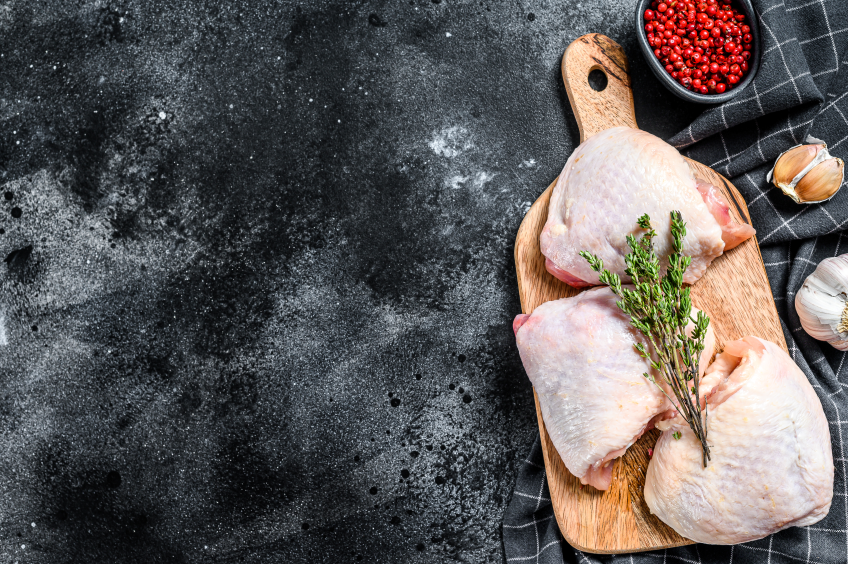

 Baking chicken thighs in your oven creates tender, flavorful meat with crispy skin using minimal effort and ingredients. This cut of chicken works well for weeknight dinners because it stays moist during cooking and costs less than other parts of the bird.
 Chicken thighs come in four main variations that affect cooking time, texture, and flavor. The bone and skin determine moisture retention and how crispy the final result becomes.
 The right combination of seasonings and fats transforms basic chicken thighs into a flavorful meal. Quality ingredients matter less than proper application and understanding which seasonings complement chicken’s natural taste.
 Properly preparing and arranging chicken thighs before baking ensures crispy skin and evenly cooked meat. The process involves trimming excess parts, applying seasonings strategically, and positioning thighs for optimal heat circulation.
 Getting the temperature and timing right ensures chicken thighs come out juicy with properly rendered skin and safe internal temperatures. The specific cut you’re working with significantly impacts how long the chicken needs in the oven.
 Achieving crispy skin requires proper moisture removal and heat management, while keeping meat juicy depends on using bone-in cuts and monitoring internal temperature. A broiler finish provides an additional layer of crispness when needed.
 Properly stored baked chicken thighs last 3-4 days in the refrigerator, and reheating them correctly preserves the crispy skin and moist meat you worked to achieve.


