
 Gas grills have become the go-to choice for millions of backyard cooks across America.
People prefer gas grills because they offer quick startup, precise temperature control, and hassle-free cooking without the mess of charcoal or long wait times.
In 2020 alone, gas grills made up a significant portion of the more than 14 million grills sold. That says a lot about how popular they’ve become for outdoor cooking.
You might wonder what makes gas grills stand out from charcoal or pellet options. Honestly, it comes down to convenience and performance.
Gas grills let you start cooking within minutes. You can adjust heat levels with a simple turn of a knob and clean up quickly when you’re done grilling.
This guide will walk you through everything you need to know about gas grills. You’ll get a feel for their key benefits, cooking features, how they compare to other grill types, and what to consider before buying one.
Whether you’re new to grilling or looking to upgrade, understanding why gas grills work so well will help you make the right choice for your outdoor cooking needs.
Core Benefits of Gas Grills
 Gas grills deliver practical advantages that make outdoor cooking easier and more predictable. You get fast heat, better control over cooking temperatures, even heat distribution, and lower ongoing costs compared to other fuel types.
Convenience and Fast Start-Up
You can start cooking on a gas grill in about 10 minutes. Just turn the knob, press the ignition button, and the burners light up instantly.
There’s no need to arrange charcoal or deal with lighter fluid. You skip the 20-30 minute wait that charcoal grills require before they’re ready for food.
When you’re done grilling, cleanup is pretty quick. No messy ash or used charcoal to worry about—just turn off the gas, brush the grates, and close the lid.
Gas grills connect to either propane tanks or natural gas lines. Propane tanks are portable and easy to refill at most gas stations and hardware stores.
Natural gas hookups provide unlimited fuel without tank swaps. That’s a big plus if you grill a lot.
Precise Temperature Control
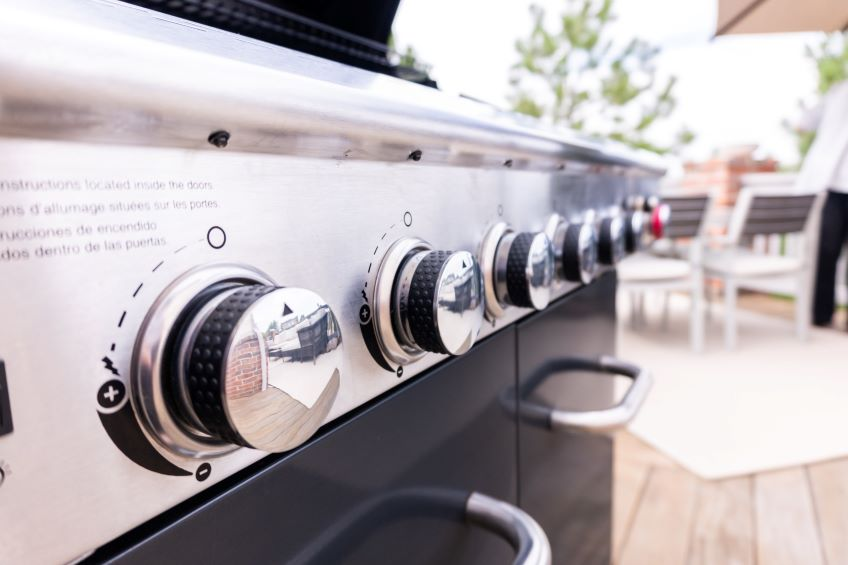
Gas grills give you adjustable burner knobs that work like your kitchen stove. You turn the knobs to increase or decrease heat within seconds.
This control lets you set specific temperature zones across your cooking surface. Sear steaks over high heat on one side, cook veggies over medium on the other—easy.
Temperature accuracy matters for different foods:
- Burgers need 375-400°F
- Chicken requires 350-375°F
- Fish cooks best at 325-350°F
- Steaks sear at 450-500°F
You can adjust temperatures quickly if food cooks too fast or too slow. That means fewer burnt burgers and more consistent results every time you grill.
Consistent and Even Heating
Gas burners distribute heat evenly across the cooking grates. The flames spread out under the whole surface, so you don’t get annoying hot spots or cold zones.
Multiple burners let you create different heat zones for various cooking methods. Use direct heat for searing and indirect for slow cooking—all on the same grill.
The steady flame maintains your set temperature throughout the cooking process. You don’t get those sudden drops like when charcoal burns down or wind messes with the coals.
Lower Fuel Costs Over Time
Propane and natural gas usually cost less per cooking session than charcoal. A standard 20-pound propane tank gives you 18-20 hours of cooking and costs about $15-25 to refill.
Charcoal bags that last as long can set you back $20-40. Plus, you need a new batch of charcoal every time, while a single propane tank lasts for several cookouts.
Natural gas costs even less if your home already has a gas line. You pay for what you use, just like your stove—no tanks to swap out.
Gas grills have higher upfront costs but save you money over years of use. The fuel efficiency and longer lifespan of gas grills help offset the initial investment.
Versatility and Cooking Features
 Gas grills offer cooking capabilities that go way beyond basic grilling. With multiple burners, accessory options, and built-in extras, you can prep full meals outdoors.
Multiple Burners and Zone Cooking
Most gas grills come with two or more burners you can control separately. This lets you create different temperature zones on the same cooking surface.
Sear steaks over high heat on one side, cook veggies at a lower temp on the other. That’s zone cooking, and it means you can prepare several dishes at once without burning anything.
Common burner configurations include:
- 2-burner models for basic grilling
- 3-4 burner models for medium cooking spaces
- 5+ burner models for large grilling stations
The independent burner controls mean you don’t have to pick one temperature for everything. Adjust each burner to match what you’re cooking—makes life easier.
Accessory Options: Rotisserie Kits and Smoker Boxes
Gas grills accept accessories that expand what you can cook. A rotisserie kit attaches to your grill and slowly turns meat as it cooks, perfect for whole chickens and roasts.
Smoker boxes add wood chips to your gas grill setup. Fill the box, place it over a burner, and the smoke flavors your food, giving you a taste that’s close to traditional smoking.
Many rotisserie kits include a motor and spit rod that can handle up to 20 pounds. Smoker boxes typically sit directly on the grill grates or flavor bars.
Side Burners and Warming Racks
A side burner turns your grill into a full outdoor kitchen. You can heat sauces, boil water, or cook side dishes while your main course grills.
Warming racks sit above the main cooking surface. They keep finished food hot without overcooking it, and they’re handy for toasting buns or warming plates.
These features make it easier to serve everything at the same temperature. Your grilling station just feels more efficient when you’re not cooking items one at a time.
Ease of Use and Maintenance
 Gas grills start instantly with a button push and heat up in about 10 minutes. Cleanup is easier than with other grill types since you just wipe down drip trays instead of dealing with ash.
Simple Ignition and Rapid Preheating
You can light a gas grill with a single button press or knob turn. If the igniter fails, just use a long-reach lighter to get the burners going—no need to fuss with charcoal lighting techniques or lighter fluid.
Most gas grills reach cooking temperature in roughly 10 minutes. That means you spend less time waiting and more time actually grilling.
Temperature control is straightforward:
- Turn knobs to adjust heat instantly
- Multiple burners for different heat zones
- No guesswork about adding or removing fuel
Your propane tank connects right to the grill and gives you steady fuel throughout cooking. You won’t need to pause mid-cookout to add more charcoal.
Some homes can connect their propane gas grill directly to a natural gas line for even more convenience. That’s pretty slick if you ask me.
Minimal Cleanup and Drip Trays
Gas grills need far less maintenance than charcoal options. Just remove the drip trays and empty the collected grease after cooking.
Most models have removable grease trays that slide out easily. Your main cleaning job is scrubbing the grill grates with a brush and wiping down surfaces—no ash to scoop out between cookouts.
You can clean the grates while they’re still warm by brushing them down before you turn off the burners. Many gas grills have detachable parts that make deep cleaning simpler when needed.
The grill cools down quickly after you shut off the gas, so you can cover it and finish cleanup faster than with charcoal grills that stay hot for hours.
Gas Grills Versus Other Grill Types
 Gas grills and charcoal grills each bring different strengths to outdoor cooking. The main differences come down to how easy they are to use, the flavor they create, and how much time you want to spend setting up and cleaning.
Comparing Gas and Charcoal Grills
Gas grills heat up quickly and let you start cooking within 10 to 15 minutes. Just turn a knob, press the ignition, and you’re ready to go.
Charcoal grills need 20 to 30 minutes for the coals to reach the right temperature. Temperature control is simpler with gas grills—you just adjust the burners to raise or lower heat instantly.
Charcoal grills require you to move coals around or adjust vents to change temperature, which takes practice. Cleanup favors gas grills too: brush the grates, empty a small drip pan, and you’re done.
Charcoal grills leave ash that you need to dispose of after every use. Multi-fuel grills offer both options in one unit, with a charcoal tray or separate fuel zones, so you can switch between gas and charcoal depending on your mood.
Taste and Smoky Flavor Differences
Charcoal grills create a distinct smoky flavor that a lot of grill fans prefer. The burning coals produce smoke that gets into the meat, adding depth to the taste.
Gas grills produce cleaner heat without much smoke. You can add wood chips or pellets to a smoke box on your gas grill to create more flavor, which helps bridge the gap between gas and charcoal.
Fish and vegetables often taste better on gas grills because the mild heat doesn’t overpower their natural flavors. Grills and smokers that use charcoal give you the most intense smoke taste, while gas models are better if you want food to taste like itself rather than the fuel.
Popular Types and Innovations in Gas Grills
 Gas grills come in different fuel types and sizes to match your cooking needs and space. Modern models include advanced features like powerful sear burners and precise temperature monitoring that make grilling easier and more accurate.
Natural Gas Grills and Propane Grills
When you’re shopping for a gas grill, you’ll pick between two main fuel types. Propane grills use portable tanks that can be refilled or swapped at most hardware stores and gas stations.
These grills are flexible. You can move them around your yard or even toss them in the car for a camping trip.
Natural gas grills, on the other hand, hook straight into your home’s gas line with a permanent connection. No more lugging tanks or worrying about running out of fuel halfway through dinner.
The biggest drawback?
Once you install a natural gas grill, it’s not going anywhere.
Propane usually costs more per BTU than natural gas. But you skip the installation costs that come with natural gas.
Natural gas grills need a professional setup to connect safely to your home’s system. Most major brands—think Weber Spirit—offer both fuel types for their most popular grills.
High-End, Built-In, and Portable Models
Built-in gas grills are permanent. They’re made for outdoor kitchens or patios, usually with stainless steel and a seamless look with your counters and cabinets.
These models pack serious heat, often between 40,000 and 100,000 BTUs.
Freestanding grills? They’re what most folks buy. These come with wheeled carts and side shelves, so you can roll them wherever you want.
High-end freestanding options from the big brands have multiple burners, rotisserie kits, and fancier materials.
Portable gas grills are perfect for tailgating, camping, or squeezing onto a tiny balcony. Most weigh less than 50 pounds and run off those little propane canisters.
Even though they’re small, a lot of portable models still hit 10,000 to 20,000 BTUs. Not bad for something you can carry with one hand.
Latest Features: Sear Burners and Built-In Thermometers
Sear burners crank out heat from 800°F to 900°F. That gets you those steakhouse crusts everyone talks about.
These burners are set apart from the main cooking area and use focused flames for direct, high-heat searing. You’ll see them standard on lots of top gas grills in 2025.
Today’s built-in thermometers are smarter, with digital displays and multiple probes so you can check different foods at once.
Some even link to smartphone apps, letting you check temps without lifting the lid. It’s a game changer if you hate overcooked steaks or chicken (nobody wants dry meat).
Modern gas grills toss in extras like LED lights for grilling at night, self-cleaning systems that burn off gunk, and modular grates you can swap for griddles or wok rings. It’s honestly kind of wild how much you can customize now.
Considerations and Potential Drawbacks
 Gas grills come with a higher upfront price tag and ongoing fuel costs. You’ve also got to keep an eye on safety issues—things like gas storage and potential leaks aren’t something to take lightly.
Initial Cost and Fuel Supply
You’ll usually pay about 20% more for a gas grill compared to charcoal. Solid models with good materials start near $500, while the bells-and-whistles versions can jump past $1,500.
Don’t forget about fuel costs. A standard 20-pound propane tank runs $15-25 to refill and lasts roughly 18-20 hours of grilling.
If you grill a lot, you’ll be refilling that tank several times each season. It adds up.
Fuel Supply Options:
- Propane tanks: Portable, but you’ll need to keep an eye on the level and refill them
- Natural gas line: Super convenient, but you’ll pay for installation ($200-500) and can’t move the grill later
- Backup tank: Honestly, a must if you don’t want to run out halfway through a cookout
You’ll want to plan ahead for propane exchanges or refills—especially right before holidays or during peak grilling season. Natural gas setups skip that hassle, but you lose the option to move your grill around.
Safety and Gas Leaks
Gas leaks are nothing to mess with—they can lead to fires or even explosions. Before you fire up the grill, check your propane tank connections by dabbing some soapy water on the joints and keeping an eye out for bubbles.
Always store propane tanks upright, out in the open air. Garages or tight spaces? Not a good idea. Make sure tanks are kept away from heat sources and direct sunlight, too.
Give your hoses a once-over every year. Look for cracks, holes, or any signs of wear.
Safety Checklist:
- Test connections with soap solution monthly
- Replace damaged hoses immediately
- Turn off gas at the tank after each use
- Keep a fire extinguisher nearby
Most newer grills come with features like automatic shut-off valves and leak detectors. Even so, it’s still on you to handle fuel safely and keep up with regular maintenance.