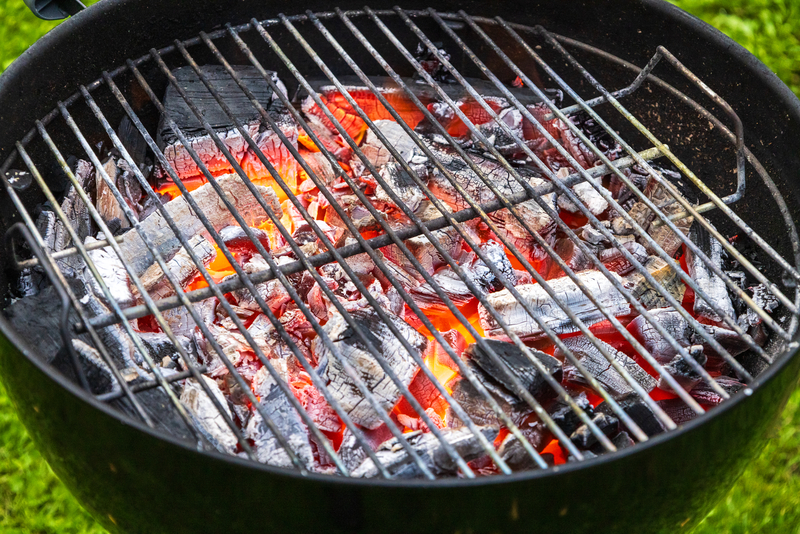


A charcoal grill that gets too hot can ruin your meal by burning the outside of your food while leaving the inside raw. This is a common frustration, but you can fix it with a few practical steps.
If your charcoal grill is too hot, close the vents to reduce airflow, move coals to one side to create indirect heat zones, or add a water pan to absorb excess heat and stabilize temperatures.
Managing heat on a charcoal grill takes practice. Once you get the hang of temperature control, your food turns out better every time.
Too much heat leads to burnt steaks and wasted meals. Recognizing when your grill is overheating—and knowing what to do—makes all the difference at your next cookout.
This guide covers how to spot an overheated grill and what steps you can take to cool it down. You’ll also find tips for keeping temperatures steady and preventing future flare-ups.
Recognizing an Overheated Charcoal Grill
 An overheated charcoal grill shows clear warning signs. Understanding these helps you avoid ruined meals and safety risks.
Common Signs of Excessive Heat
Thick white smoke pouring from your grill signals excessive heat. This is different from the thin blue smoke you want during normal grilling.
High flames leaping from the grill mean temperatures are too hot for controlled cooking. If you see these, your grill is likely above safe cooking ranges.
Flare-ups happen when grease ignites from extreme heat. These sudden bursts of fire mean you need to act quickly.
If food starts to char within the first few minutes, that’s a sign of too much heat. Browning should take time; rapid blackening means your grill is overheating.
The grill might feel unusually hot even when you’re standing several feet away. Ideally, you should be able to hold your hand about five inches above the grate for three to four seconds at proper cooking temperatures.
Risks of a Too-Hot Grill
A charcoal grill that’s running too hot burns food outside while leaving the inside raw. This uneven cooking is especially risky with chicken and pork.
Physical dangers include:
- Burns from touching overheated surfaces
- Fire hazards from uncontrolled flames
- Damage to the grill’s internal components
- Warping of metal grates and parts
The charcoal burns up too quickly at extreme temperatures. This wastes fuel and shortens your cooking time.
Your grill’s warranty might not cover damage from overheating. Heat stress can crack porcelain coatings and weaken metal structures over time.
Dangers of Overcooking and Charring
Charring creates harmful compounds on your food. These black, burnt areas contain substances that pose health risks if consumed regularly.
Overcooking dries out meat and strips away natural flavors. A steak cooked at excessive heat loses moisture fast and ends up tough.
Vegetables can become bitter and inedible when exposed to too much heat. The natural sugars burn instead of caramelizing, creating unpleasant flavors.
Health concerns from charred food:
- Formation of potentially harmful chemicals
- Loss of nutritional value
- Increased risk from consuming burnt portions frequently
Intense heat destroys the natural juices and fats that make grilled food appealing. You end up with meals that are dry, flavorless, and sometimes unsafe to eat.
Immediate Steps to Lower Grill Temperature
 If your charcoal grill gets too hot, you need to act fast to save your food. The quickest ways to cool it down involve adjusting vents, spreading out hot coals, removing extra fuel, or adding a water pan.
Adjusting Grill Vents and Airflow
Close your grill vents to reduce oxygen flow to the burning charcoal. Start by partially closing both the top and bottom vents to slow down combustion.
The bottom vent controls air intake, while the top vent manages exhaust. Close the bottom vent halfway and watch the temperature for 5-10 minutes.
If it’s still too hot, close the top vent to about one-quarter open. Never close both vents completely while cooking, as this can cause smoke to build up and extinguish your fire. Adjusting airflow is a safe method for both charcoal briquettes and lump charcoal.
Spreading Out Hot Charcoal
Spread your hot coals across a larger area of the charcoal grate to reduce heat concentration. Use long-handled tongs to carefully separate coals and create space between them.
This reduces heat intensity at any single point. Move coals toward the edges, leaving the center with fewer coals for indirect heat.
You can create a two-zone setup by pushing all coals to one side. This gives you a hot zone for searing and a cooler zone for gentler cooking.
Removing Excess Charcoal
If spreading out coals doesn’t lower the temperature enough, take some out. Use a charcoal chimney or metal bucket with sand to safely hold the hot coals you remove.
Wear heat-resistant gloves and use long tongs to transfer coals from the grill to your container. Remove coals gradually and check the temperature after each removal.
Start by taking out about 25% of your coals, then wait a few minutes to see the effect. Make sure the ash catcher below your grate stays clear to maintain ventilation. Never place hot coals on grass, wood, or in regular trash bins.
Using a Water Pan for Heat Control
Place a metal pan filled with water on the charcoal grate next to your coals. The water absorbs heat and releases steam, helping regulate temperature and adding moisture.
Use a disposable aluminum pan that can hold at least 2-3 cups of water. Position it away from direct flames but close enough to affect the overall temperature.
This method works best for longer cooking sessions where you need steady, lower heat. Check the water level every 30-45 minutes and refill as needed. Pair this with vent adjustments for better control.
Monitoring and Managing Heat Accurately

Getting accurate temperature readings helps you catch overheating early. A reliable thermometer tells you what’s happening inside your grill before food burns.
Using a Grill Thermometer
A grill thermometer is the most reliable way to track your cooking temperature. Insert an instant-read thermometer through the grate to check the temperature where your food actually cooks.
This is more accurate than guessing based on the exterior. For continuous monitoring, use a probe thermometer that stays in place during cooking.
Position the probe at grate level, away from direct contact with coals. Check the temperature every 10-15 minutes if your grill is running hot.
Digital thermometers with preset alarms can alert you when temperatures climb too high. Set the alarm 25-50°F below your maximum target to give yourself time to adjust vents.
Infrared and Lid Thermometers for Precise Readings
An infrared thermometer measures surface temperature instantly without contact. Point it at different spots on your grate to find hot and cool areas.
Lid thermometers built into your grill measure dome temperature, not grate-level heat. The cooking surface often runs 50-75°F hotter than the lid reading.
Use your lid thermometer as a general guide, but verify with a grate-level reading. Comparing both helps you understand the real temperature difference.
Preventing a Charcoal Grill from Getting Too Hot in the Future
 Setting up your grill properly and choosing the right fuel can prevent temperature problems. Using correct charcoal arrangement and grilling techniques keeps your grill steady.
Proper Arrangement of Charcoal for Two-Zone Cooking
A two-zone fire setup gives you more control over heat levels. Push all your lit charcoal to one side to create a hot zone for searing.
The empty side becomes your cool zone for slower cooking. Move food between zones as needed.
If something starts to burn, slide it to the indirect side. For thick cuts, sear over direct heat first, then finish on the cool side.
Start with fewer coals than you think you’ll need. You can always add more, but removing hot coals is harder and messier.
Stack your coals in an even layer on one side. Uneven piles create hot spots that make control difficult.
Indirect Grilling Techniques
Indirect grilling keeps food away from direct flames and helps prevent overheating. Place your food on the grate opposite the coals, not directly above them.
Keep the lid closed to maintain steady heat. Opening the lid too often causes temperature swings.
The indirect heat circulates around the food like an oven. Position a drip pan under your food on the cool side to catch grease and prevent flare-ups.
Add water to the pan to help stabilize temperatures and add moisture. Monitor the distance between your food and the heat source.
Most charcoal grills have adjustable grates. Raise the grate if temperatures start to climb too high.
Fuel Management and Quality Charcoal Choices
The best charcoal depends on your cooking needs. Briquettes burn longer and more steadily at moderate temperatures, while lump charcoal burns hotter but faster.
Use quality charcoal without additives or chemicals. Cheap options often burn unevenly and cause temperature spikes.
Natural hardwood charcoal gives you better heat control. Start with the right amount of fuel for your cook time.
For quick grilling under 30 minutes, use about 25-30 briquettes. For longer cooks, start with 50-75 briquettes.
Add more charcoal before temperatures drop too low. Adding fresh coals to dying embers is easier than cooling down an overheated grill. Place new coals on the edges so they heat up gradually.
Safe Grilling and Flare-Up Management

When a charcoal grill gets too hot, you’re suddenly dealing with flare-ups and smoke that can ruin a meal. Knowing how to control sudden flames, keep smoke in check, and protect your food from harsh heat keeps your grilling safe and your food cooked just right.
Preventing and Handling Flare-Ups
Flare-ups happen when fat or oil drips onto hot charcoal and catches fire. These quick bursts of flame can burn your food almost instantly.
The best way to reduce flare-ups is to trim extra fat from meat before grilling. Keep a spray bottle of water nearby to handle small flames without dropping the grill temperature too much.
Set up your grill with two zones—one side hot, the other cooler with fewer coals. If flames break out, move your food to the cooler zone until things calm down.
To prevent flare-ups:
- Remove extra fat from meat before grilling
- Don’t use too much oil or marinade
- Keep the grill lid open a bit so you can keep an eye on things
- Never leave your grill alone
If a flare-up happens, shift your food away from the flames right away. Briefly closing the lid helps cut off oxygen and puts out the fire. Use your spray bottle only if you have to, since too much water can make ash stick to your food.
Minimizing Excessive Smoke
Lots of smoke usually means fat is burning on the coals or the grill needs cleaning. Heavy smoke can leave a bitter taste on your food.
Clean your grill grates before each use to get rid of old grease and leftover bits. These burn at high heat and make thick smoke. A grill brush works best while the grates are still a little warm.
Spread your coals out to avoid hot spots that quickly burn drippings. When fat can drip between the coals instead of onto a solid layer, there’s less smoke.
Pick leaner cuts of meat if you can, or put fattier pieces over the cooler side of your grill. That way, fat melts slowly and doesn’t make huge smoke clouds.
Protecting Food from High Heat
Grilling over high heat can burn the outside of your food and leave the inside undercooked. A two-zone setup is your best tool when things get too hot.
Start thick cuts over direct heat to sear, then move them to indirect heat to finish. This helps avoid burning and ensures even cooking. A meat thermometer is more reliable than just watching the clock—check the internal temperature to be sure.
When food is on the cooler side, keep the lid closed. That traps heat and cooks food evenly, away from direct flames.
Protective techniques:
- Rotate food often to avoid hot spots
- Use foil as a shield for delicate foods
- Cook vegetables in a grill basket slightly above the grates
- Add sauces only in the last few minutes
Check your food regularly during high-heat grilling. It cooks faster than you might expect, so don’t rely too much on standard times.
Advanced Heat Management Tips for Charcoal Grilling

Controlling grill temperature isn’t just about vents. The fuel you use, how you light it, and keeping your grill clean all matter for preventing too much heat.
Strategic Use of Chimney Starters and Lighter Cubes
A chimney starter gives you more control over how much charcoal you light at once. Fill it halfway for moderate heat instead of all the way up, so you don’t start with too many hot coals.
Lighter cubes offer a cleaner, steadier way to light charcoal than lighter fluid. Just one or two cubes under the chimney are enough for even lighting. They burn at a steady pace and don’t cause flare-ups that can make the grill too hot.
Wait for the coals to get a light gray ash coating before you dump them into the grill. If you add them too early, they’ll keep heating up and could get hotter than you want. The chimney makes it easy to see when they’re ready.
Cleaning Ash and Maintaining the Grill
Ash buildup blocks airflow and makes temperature control tough. Empty the ash catcher before every grilling session for better ventilation. Too much ash can also trap heat and keep coals hot longer than needed.
Clean the charcoal grate often to get rid of old pieces and debris. A clogged grate limits oxygen and creates uneven heat. Use a wire brush to clear the grate between uses.
Check the vents for ash that might keep you from closing them all the way. Even a partly blocked vent won’t let you cut airflow enough to lower the temperature. A clean grill responds better to any adjustments you make.
Choosing Between Briquettes and Lump Charcoal
Charcoal briquettes like Kingsford burn at lower, steadier temperatures than lump charcoal. They usually reach around 400-500°F, while lump charcoal can climb to 700-800°F.
Briquettes are a good choice if you want more control over heat and longer cooking times. They make it easier to maintain a consistent temperature.
Lump charcoal, on the other hand, ignites quickly and burns hotter. That can make it trickier to manage if your grill overheats.
It also burns out faster. Sometimes, letting the coals die down is actually helpful if you need to lower the temperature.
The uneven sizes of lump charcoal pieces can cause unpredictable heat spots. This can be frustrating if you’re after precision.
Don’t mix old charcoal with new for recipes where temperature control is important. Partially used coals burn at different rates, which leads to uneven heat.
It’s better to save leftover charcoal for high-heat searing, where exact temperatures aren’t as critical.