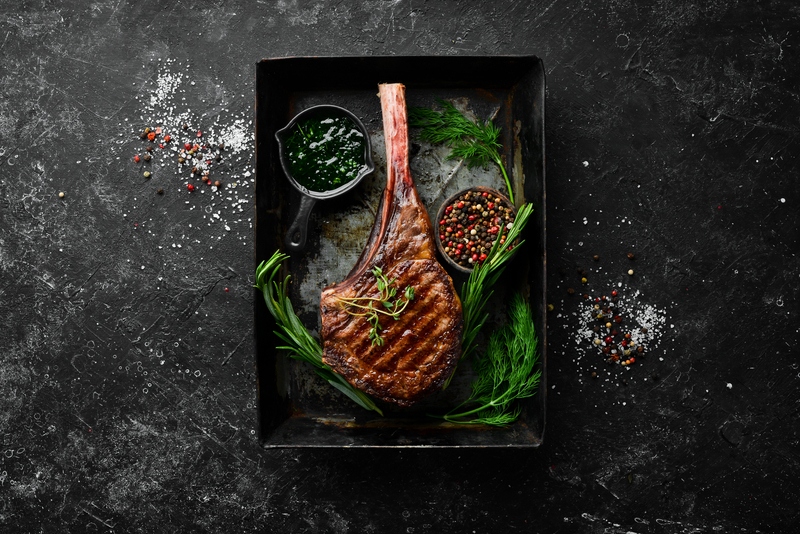

 Charcoal grilling gives meat a smoky flavor that’s tough to beat. The heat and wood smoke work together, making for results that gas grills just can’t quite match.
When you pick the right cuts and cook them properly, charcoal grilling turns simple ingredients into something special.
The best meats for charcoal grilling include ribeye steak, chicken thighs, pork chops, baby back ribs, hamburgers, flank steak, and whole turkey.
These cuts handle high heat well and soak up that signature smoky flavor. Each one needs its own approach for best results—different temps, different tricks.
Essential Benefits of Charcoal Grilling

Charcoal grilling transforms meat through high heat and natural smoke. This method creates distinct tastes and textures you just can’t get elsewhere.
Unique Smoky Flavor and Texture
Charcoal grilling gives your meat a smoky flavor from burning natural hardwood charcoal. When fat drips onto hot coals, it creates smoke that wraps the meat in those rich, layered flavors.
This smoke bonds with the meat’s surface, building up a taste that’s hard to replicate indoors. Plus, the high heat creates a crispy, caramelized crust on the outside, locking in juices and giving a satisfying contrast in texture.
Steaks get better sear marks, chicken skin crisps up, and ribs develop that bark everyone wants. The temperature from charcoal can get hotter than most gas grills, so your meat cooks faster and keeps its moisture.
Outdoor Cooking Experience Advantages
Cooking on a charcoal grill connects you with outdoor traditions and social gatherings. Lighting coals and managing the fire is oddly satisfying, turning meal prep into part of the fun.
Charcoal grills need no gas lines or electricity, so you can cook at the beach, park, or anywhere you feel like setting up. That freedom is a big plus for tailgates or camping trips.
The glow of the coals, the rising smoke—there’s something about it that draws people in. The grill becomes a natural gathering spot, and the process itself is half the entertainment.
Why Meats Respond Well to Charcoal
Meats have proteins and fats that react to the dry, intense heat of charcoal. That quick sear on the outside triggers the Maillard reaction, browning proteins and building deep, savory flavors.
Charcoal lets you set up high-heat zones for searing and low-heat areas for slow-cooking. Thick cuts like ribeye or New York strip get a proper crust while staying juicy inside.
The radiant heat cooks meat more evenly than a direct flame. Burgers, hot dogs, and kabobs get consistent heat, avoiding raw centers. Even fish and scallops can come out great if you place your coals right.
Flavor Enhancement with Wood Chips
Adding wood chips to charcoal brings in extra layers of flavor. Different woods mean different vibes—hickory for bold, smoky notes, fruitwoods like apple or cherry for a bit of sweetness.
Soaking wood chips before tossing them on the coals helps them smolder and smoke longer. Dry chips catch fast and give you a quick hit of smoke, which is nice for shorter cooks.
Mixing wood chips with your charcoal lets you tweak the final taste. Mesquite is strong and earthy, great for beef, while oak is more balanced. Try out combos and see what sticks—it’s half the fun.
Top Meats for Charcoal Grilling

Charcoal grilling really brings out the best in beef cuts like ribeye and flank steak. Chicken thighs and breasts get crispy skin and stay juicy inside.
Pork chops and baby back ribs turn out tender when you manage the heat right.
Best Beef Cuts for Grilling
Ribeye steak is a classic for the grill, mainly because of all that marbling. The fat melts and keeps things juicy, adding tons of flavor.
New York strip and sirloin are thick enough to sear without overcooking. Grill these at 450°F to 500°F, about 4-5 minutes per side.
Flank steak and skirt steak are leaner, so they cook fast. Marinades help, and you want to hit 130°F to 135°F for a nice medium-rare.
Prime rib steak is best with a two-zone setup. Sear it first, then finish over indirect heat. Burger patties do well over direct heat—just don’t press them down or you’ll lose the juices.
Chicken Varieties for Charcoal Grills
Chicken thighs are forgiving thanks to their fat content. They stay juicy and need to reach 175°F inside for safety.
Chicken breasts are leaner, so keep an eye on them. Aim for 165°F and use a two-zone fire to avoid drying them out.
Drumsticks and other bone-in chicken pieces start skin-side down over direct heat, then move to indirect to finish. That gives you golden skin and cooked-through meat.
Whole chicken takes a couple hours on indirect heat. Make sure the breast hits 165°F and thighs reach 175°F.
Pork Cuts That Shine on Charcoal
Pork chops are great on a two-zone fire. Sear each side, then finish over indirect heat until you hit 145°F.
Pork steaks have enough fat to stay moist and pick up plenty of smoke. The best pork cuts keep some fat, which helps prevent drying out.
Let pork chops rest for a few minutes after cooking. That little wait makes a big difference in how juicy and flavorful they turn out.
Outstanding Pork Ribs and Alternatives
Baby back ribs are a favorite for charcoal grilling, especially if you want that fall-off-the-bone feel. Rub them the day before for extra flavor.
Pork ribs need low and slow: 250°F to 275°F on indirect heat for a few hours. Keep them bone-side down and steady on the temp.
When ribs reach 190°F to 203°F and have a bit of give, they’re done. For more flavor, brush on barbecue sauce near the end and move them over direct heat to caramelize. The charcoal smoke really makes a difference here.
Flavor-Boosting and Specialty Meats

Lamb, sausages, and duck all bring something bold to the charcoal grill. These aren’t your everyday picks, but they’re worth a shot if you want to try something new with charcoal’s smoky heat.
Lamb and Lamb Chops
Lamb chops are made for charcoal grilling. Their fat keeps them moist, even over high heat.
Grill them over direct heat at 450°F to 500°F, about 3-4 minutes per side for medium-rare (130°F to 135°F). Season lamb chops with salt, pepper, and rosemary. That charcoal smoke just works with lamb’s flavor.
For thicker chops, start with a sear and finish over indirect heat. Let them rest a bit after grilling to keep things juicy.
Sausages and Bratwurst
Sausages and bratwurst are easy and packed with flavor. Grill over medium, indirect heat (300°F to 350°F) so the casings don’t burst.
Turn them every few minutes for even cooking. They take about 15-20 minutes to hit 160°F inside. For a charred finish, move them to direct heat for the last couple minutes.
Bratwurst gets even better if you put a pan of beer and onions on the grill. The steam keeps them moist, and the charcoal gives a smoky touch.
Duck and Gourmet Options
Duck breast is something special on the grill. Its dark meat and thick fat layer make it perfect for charcoal.
Score the skin, then start skin-side down over medium heat (350°F to 375°F). Cook for 6-8 minutes until the skin’s crisp, then flip and finish for another 4-5 minutes. Aim for 135°F for medium-rare.
Duck goes well with fruit glazes or just salt and pepper. The charcoal smoke brings out its gamey flavor without going overboard.
Grilling Seafood and Non-Red Meats

Seafood and poultry are lighter options for the charcoal grill. They can turn out great, but you really have to watch the timing and temps so you don’t overdo it.
Shrimp and Shellfish
Shrimp cook in no time on a charcoal grill—usually just 5 or 6 minutes. Threading large shrimp onto skewers helps with flipping and keeps them from slipping through the grates.
Give shrimp a dusting of salt, pepper, and a light brush of oil. Medium-high heat is best to avoid overcooking.
Scallops are a little fussier. You’ll want to pat them dry with paper towels before they hit the grill.
Cover both sides with a generous layer of salt and pepper. This helps with flavor and gives you that nice crust.
Lay scallops straight onto the grill and try not to move them around. Let them go for 2 to 3 minutes per side—any longer and you’re risking rubbery disappointment.
Lobster tails take a bit more time, around 10 minutes total. Split them lengthwise and start shell-side down so the meat doesn’t scorch.
Fish Fillets and Salmon
Fish fillets cook depending on thickness. A half-inch fillet needs about 6 or 7 minutes.
Thicker fillets, up to an inch, are closer to 10 minutes.
Salmon is honestly perfect for charcoal grilling. Its natural oils keep it moist and help the outside crisp up.
Grill salmon skin-side down first—it protects the delicate flesh. Here’s a tip: grill salmon with the skin on for best results.
To avoid sticking, use a fish basket or lay fillets on oiled foil. Whole fish about an inch thick takes roughly 10 minutes.
If you’ve got a two-inch thick whole fish, expect closer to 25 minutes. Fish cubes for kabobs or tacos? Eight minutes is usually enough.
Check that the fish flakes easily with a fork—that’s your sign it’s ready.
Special Grilled Meats
Chicken should hit an internal temp of 165°F for safety. Smoked turkey needs the same temp when you finish it on the grill.
For accuracy, avoid poking the thermometer into bones. Chicken thighs are a better bet than breasts on charcoal grills—they’ve got more fat and stay juicier.
Grill thighs for 10 to 12 minutes per side. The extra fat really helps keep things moist.
Hot dogs are quick—just 5 minutes over medium heat. Give them frequent turns for even char without splitting the skins.
Preparation and Seasoning for Charcoal Grilled Meats

Getting your meat ready for the charcoal grill isn’t complicated, but it helps to break it down: pick a marinade, choose seasonings, and add some finishing touches. Every step adds something—flavor, texture, or just a bit of extra care.
Choosing the Right Marinade
A good marinade does two things: it flavors the meat and helps tenderize tougher cuts.
Most marinades are built from three things—an acid, oil, and seasonings. Acid (like vinegar, citrus, or wine) helps break down tough fibers.
The oil carries flavors and keeps things moist. Seasonings give you control over the final taste.
For thin cuts like chicken breasts or pork chops, 2 to 4 hours in the marinade is plenty. Thicker cuts—ribeyes, pork ribs—can go 4 to 24 hours, but don’t push it or you’ll end up with mushy meat.
Take your meat out of the fridge about 30 minutes before grilling. Pat it dry with paper towels for better grill marks and fewer flare-ups.
Selecting Proper Seasonings and Rubs
Dry rubs are great for a flavorful crust. They stick to the surface and get nice and toasty on a hot grill.
A basic rub?
Salt, black pepper, garlic powder. You can toss in paprika for color, brown sugar for a little sweetness, or cayenne if you like heat.
Rub it in at least 30 minutes before cooking. For bigger cuts, overnight works too.
Figure about a tablespoon of rub per pound of meat. Press it in so it stays put. Salt is key—it keeps the meat juicy.
Some folks skip the fancy stuff and just use salt and pepper. Sometimes that’s all you need to let the meat and smoke shine.
Recommended Sauces and Finishes
Barbecue sauce is best brushed on near the end. The sugar in most sauces will burn if it goes on too early.
Brush on sauce during the last 5 to 10 minutes. That’s enough time for it to caramelize without burning. Extra sauce can go on the side.
Different meats work with different sauces. Barbecue sauce is classic with pork ribs and chicken. Mustard sauces are great with pulled pork. Asian-style glazes—think soy and ginger—are fantastic on beef or chicken.
Let meat rest 5 to 10 minutes after grilling. It keeps the juices inside. A little melted butter or finishing sauce brushed on while it rests adds flavor and a nice shine.
Charcoal Grilling Techniques and Tools
 Getting good at charcoal grilling is mostly about heat management and having your gear ready. The right setup and knowing which approach to use for different meats can make all the difference.
Direct vs Indirect Grilling Methods
Direct grilling means putting your meat right over the hot coals. It’s perfect for quick-cooking things like steaks, burgers, hot dogs, and chicken thighs.
You’ll get good sear marks and most foods are done in 10 minutes or less.
Indirect grilling is different. You pile coals on one side and cook food on the other. This is the way to go for big cuts—whole chickens, roasts, thick steaks—that need time without burning up outside.
Create high and low heat zones by putting coals on just one side. Sear over the hot side, then finish on the cooler area. That two-zone setup gives you more control and helps avoid burnt edges.
Temperature Control and Doneness
A meat thermometer is your best friend for safety and good results. Chicken should reach 165°F inside; steaks are usually best at 145°F for medium.
Stick the thermometer in the thickest part, but don’t hit bone or fat.
Reset your thermometer between different meats. Dip it in ice water for a few seconds and wipe it off. If it reads 32°F, you’re good to go.
Use a grill thermometer to keep an eye on the overall heat. For direct grilling, aim for 450-500°F. Indirect grilling usually works best at 300-350°F.
Grill Preheating and Setup Essentials
Always give your grill 10-15 minutes to preheat before adding food. It helps with even heat and keeps things from sticking.
A chimney starter is the way to go for lighting charcoal. Fill it up, stuff newspaper underneath, and light it. In about 15-20 minutes, your coals should be covered in white ash and ready to use.
Charcoal Options:
- Briquettes: Burn longer and more evenly, good for longer cooks
- Lump charcoal: Burns hotter and faster, nice for quick grilling
If you can, skip lighter fluid. It can leave a weird taste and isn’t the safest thing to use anyway.
Must-Have Grilling Equipment
To grill with confidence, you’ll want the right tools. It’s not just about convenience—it’s about safety and getting the results you crave.
Essential grilling equipment includes:
- Long-handled tongs for turning meat without burning yourself
- Heavy spatula for large cuts and burgers
- Delicate spatula for fish and vegetables
- Instant-read meat thermometer for checking internal temperatures
- Heavy grill gloves to protect your hands from heat
- Grill brush for cleaning grates before and after cooking
- Grill basket for smaller items like shrimp, scallops, and vegetable pieces
Long handles? They’re a lifesaver when you’re dodging hot coals. And honestly, a good set of gloves makes all the difference.