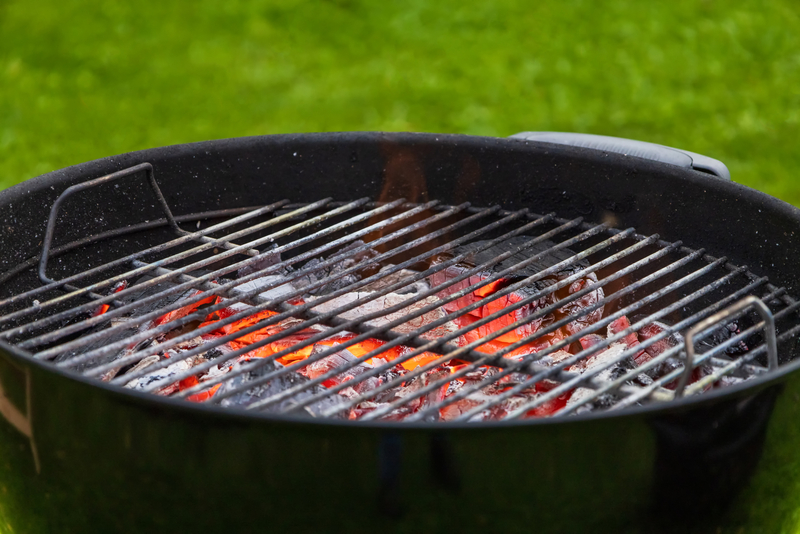

 A charcoal grill that won’t reach high temperatures creates real problems. Your food takes too long to cook, and you miss out on the seared crust that makes grilled meat taste great.
You can make your charcoal grill hotter by switching to lump charcoal, opening your air vents fully, stacking your coals properly, and keeping your grill clean.
Each method targets a specific factor that controls heat output in your grill.
This guide covers the science behind charcoal heat, the best fuel choices for high temperatures, and the setup techniques that produce maximum heat. You’ll learn how to arrange your coals, control airflow, and maintain your equipment for consistent results.
Understanding Charcoal Grill Heat
 Charcoal grills produce heat through combustion, and the temperature you achieve depends on the type of charcoal, airflow, and fuel amount. Understanding these factors helps you control temperatures for different cooking methods.
How Charcoal Grills Generate Heat
Charcoal produces heat through a chemical reaction called combustion. When you light charcoal, carbon reacts with oxygen to create heat and smoke. The temperature increases as more oxygen reaches the burning charcoal.
Lump charcoal creates heat differently than briquettes. It burns at temperatures between 800-1000°F and ignites quickly because it contains pure hardwood with no additives.
Briquettes burn at lower temperatures, typically 600-800°F. They contain compressed sawdust, coal dust, and binding agents that create a slower, steadier burn.
The amount of oxygen that reaches your charcoal directly controls how hot your grill gets. When you open the bottom and top vents, more air flows through the grill. This feeds the combustion process and raises the temperature.
Typical Temperature Ranges for Grilling
Different grilling methods require specific temperature ranges:
- Low heat (225-275°F): For smoking and slow-cooking large cuts of meat
- Medium heat (300-350°F): For cooking chicken, pork chops, and vegetables
- Medium-high heat (375-450°F): For burgers, sausages, and most everyday grilling
- High heat (450-550°F+): For searing steaks and creating grill marks
You can measure grill temperature with a built-in thermometer or by placing an oven thermometer on the cooking grate. The hand test works too—if you can hold your hand 5 inches above the grate for only 2-3 seconds, you have high heat.
Most charcoal grills reach peak temperature 20-30 minutes after lighting. This timing allows the charcoal to develop a white-gray ash coating that indicates it’s ready for cooking.
The Importance of High Heat for Cooking
High heat creates the Maillard reaction, which browns the surface of meat and develops complex flavors. This chemical process happens when proteins and sugars interact at temperatures above 300°F. Without sufficient heat, your food will steam rather than sear.
Proper searing locks in moisture by creating a flavorful crust on the exterior of meat. When you place a steak on a grill at 500°F or higher, the surface proteins coagulate quickly and form a barrier. This prevents internal juices from escaping during cooking.
High heat also reduces cooking time. A hot grill cooks a 1-inch thick steak in 6-8 minutes, while a cooler grill might take 15-20 minutes. Faster cooking times mean less moisture loss and more tender results for many cuts of meat.
Choosing the Right Charcoal for More Heat
 The type of charcoal you use directly affects how hot your grill gets. Fresh, dry charcoal stored properly will burn hotter and more efficiently than old or damp fuel.
Lump Charcoal vs. Charcoal Briquettes
Lump charcoal burns hotter than briquettes because it’s made from pure hardwood with no additives or binders. It can reach temperatures of 1000°F or higher, making it ideal for high-heat grilling and searing. Hardwood lump charcoal also lights faster and produces less ash.
Charcoal briquettes burn at lower temperatures, typically around 800°F. They’re made from compressed charcoal dust mixed with binders and additives, which helps them burn longer and more consistently. This makes briquettes better for extended cooking sessions, but they won’t give you the intense heat that lump charcoal provides.
For maximum heat, choose lump charcoal. You’ll use more of it since it burns faster, but the temperature boost is worth it for quick, high-heat cooking.
Fogo Super Premium Hardwood Lump Charcoal delivers restaurant-quality performance for grilling and smoking. Made from 100% natural hardwood, the large-sized lumps burn cleaner, longer, and hotter. Perfect for searing steaks and high-heat cooking, it provides intense heat with minimal ash and no additives. Trusted by professionals and backyard grillers alike.
Checking for Fresh, Dry Charcoal
Charcoal absorbs moisture from the air, which reduces its heat output and makes it harder to light. Fresh charcoal should feel dry to the touch and produce a sharp sound when pieces knock together.
Old or damp charcoal feels heavy and may have a dull appearance. It will smoke excessively when lit and struggle to reach high temperatures. If your charcoal has been exposed to humidity or rain, it won’t perform well even if it eventually lights.
Always check the packaging date when buying charcoal. Use charcoal within one year of purchase for best results.
Storing Charcoal for Optimal Performance
Store your charcoal in an airtight container or sealed plastic bag to keep moisture out. A metal trash can with a tight lid or a dedicated storage bin works well for larger quantities.
Keep charcoal in a dry location like a garage or shed, not outdoors where it’s exposed to weather. Elevated storage prevents ground moisture from seeping into the charcoal through the container bottom.
If you live in a humid climate, add desiccant packets to your storage container. This extra step helps maintain the charcoal’s ability to reach maximum temperatures when you’re ready to grill.
Maximizing Airflow and Ventilation
 Proper airflow directly controls how hot your charcoal grill gets. Adjusting vents, positioning charcoal away from vent openings, and keeping vents clean ensures maximum oxygen reaches the burning coals to generate higher temperatures.
Adjusting Air Vents for Higher Temperatures
Open both the bottom and top vents completely to make your charcoal grill hotter. The bottom vents supply oxygen to the burning charcoal, while the top vents allow hot air and smoke to escape, creating a draft that pulls more air through the fire.
When you fully open the bottom vents, you increase oxygen intake by allowing unrestricted airflow to the coals. This extra oxygen makes the charcoal burn faster and hotter. The top vent works with the bottom vents to create consistent airflow throughout the grill chamber.
Keep both vents open during the initial lighting phase and when you need high heat for searing. If your grill has multiple bottom vents, open all of them equally. Monitor your grill thermometer and adjust the vents gradually if temperatures climb too high.
Vent positions for maximum heat:
- Bottom vents: Fully open (100%)
- Top vents: Fully open (100%)
- Target temperature range: 450°F to 550°F or higher
Positioning Charcoal to Avoid Blocking Vents
Place your charcoal away from the vent openings to prevent blocking airflow. When charcoal or ash covers the vents, oxygen cannot reach the fire effectively, which reduces heat output.
Arrange your charcoal in the center of the grill or slightly offset from the bottom vents. Leave at least 2 inches of clearance around vent openings. For two-zone cooking setups, bank the coals on the side opposite the vents rather than directly over them.
Check the bottom of your grill before adding charcoal. Remove any ash buildup that might restrict airflow through the vents. Stack your charcoal in a pyramid or mound shape rather than spreading it flat across the entire grate, which helps concentrate heat while maintaining clear vent pathways.
Proper charcoal arrangement creates better airflow patterns that feed oxygen to the hottest part of the fire. This setup allows you to achieve and maintain higher temperatures consistently throughout your grilling session.
Cleaning Grill Vents Regularly
Clean your vents before each grilling session to remove ash, grease, and debris that restrict airflow. Blocked vents prevent oxygen from reaching the charcoal, which limits how hot your grill can get.
Remove the cooking grates and charcoal grate to access the bottom vents. Use a wire brush or scraper to clear away ash buildup from the vent openings and damper mechanisms. Check that the vent dampers move freely without sticking.
Clean the top vent by brushing away any grease or carbon deposits from the opening and damper. Wipe down the vent mechanism with a damp cloth to ensure smooth operation. Inspect the vent holes for any obstructions like solidified grease or rust.
After cooking, empty the ash catcher or bottom pan while the grill is cool. Accumulated ash from previous sessions reduces airflow efficiency and makes it harder to reach high temperatures. Regular cleaning maintains optimal ventilation and helps your grill perform at its hottest capacity.
Proper Charcoal Arrangement Techniques
 The way you arrange charcoal directly affects how hot your grill gets and how evenly it cooks food. Different stacking patterns create different heat zones and airflow patterns that control temperature.
Pyramid and Mound Methods
The pyramid method concentrates charcoal in a single mound at the center of your grill. You stack the charcoal pieces so they lean against each other, forming a cone shape that allows air to flow through the gaps between pieces. This arrangement creates maximum heat because the coals touch each other and share heat while gaps between them allow oxygen to reach the fire.
A well-built pyramid can reach higher temperatures than a flat arrangement. The shape naturally draws air up through the bottom vents and out through the top, which feeds more oxygen to the burning charcoal.
Once the coals are fully lit and covered with gray ash, you can spread them out or leave them concentrated. Keeping them in a mound maintains the highest heat for searing steaks or other foods that need intense direct heat.
The Two-Zone Setup for Heat Control
The two-zone setup divides your grill into a hot zone and a cooler zone. You pile all your lit charcoal on one side of the grill, leaving the other side empty. This gives you a hot direct-heat area for searing and a cooler indirect-heat area for slower cooking.
To set this up, place your charcoal on only half of the charcoal grate. You can add more charcoal to the hot side if you need higher temperatures or longer cooking time. The empty side stays at a lower temperature, which lets you move food away from direct heat if it starts to burn.
This arrangement works well for thick cuts of meat that need searing followed by gentle cooking. You start food over the hot zone to brown it, then move it to the cool zone to finish cooking without burning the outside.
Spacing Charcoal for Efficient Burning
Proper spacing between charcoal pieces affects both airflow and temperature. Charcoal needs gaps between pieces so oxygen can reach all surfaces and keep the fire burning hot. Pieces packed too tightly will smother each other and burn cooler.
Leave about half an inch between charcoal pieces when arranging them. This spacing allows air to circulate while keeping the coals close enough to share heat. Dense packing blocks airflow and creates uneven burning with some pieces burning out while others barely light.
When you add more charcoal during cooking, place new pieces next to lit ones with the same spacing. The new charcoal will catch fire from the burning pieces and maintain your cooking temperature without creating cold spots on the grill.
Ignition Tools and Methods
 Getting your charcoal lit properly and maintaining fuel levels throughout cooking directly impacts how hot your grill gets. The tools you use to start your fire and your timing for adding more charcoal determine whether your grill reaches peak temperatures.
Using a Chimney Starter
A chimney starter lights charcoal faster and hotter than lighter fluid or other methods. This metal cylinder holds charcoal in an upper chamber while you place crumpled newspaper or fire starter cubes in the lower chamber.
When you light the material below, flames rise through the charcoal and ignite it evenly from bottom to top. The cylinder design creates airflow that intensifies the burn.
Your charcoal is ready when flames appear at the top and the coals glow orange with white ash, typically after 15-20 minutes. Pour the fully lit coals into your grill for immediate high heat. This method produces hotter starting temperatures than gradually heating briquettes in the grill itself.
Adding More Charcoal During Grilling
Adding fresh charcoal during cooking extends your grilling time but temporarily lowers your temperature. You need to add new coals before your existing ones burn down too much, ideally when they’re still producing good heat.
Light new charcoal in a chimney starter before adding it to your grill. Unlit charcoal takes 10-15 minutes to reach full temperature and releases more smoke during the lighting process.
If you must add unlit charcoal directly to your grill, place it around the edges of your lit coals rather than on top. This positioning lets the new coals ignite gradually while your center remains hot. Add charcoal every 30-45 minutes for long cooking sessions to maintain consistent high temperatures.
Grill Configuration and Accessories
The right equipment and setup changes can increase your grill’s temperature capacity by 100°F or more. A cast iron grate, proper height adjustment, and temperature monitoring create the foundation for consistent high-heat cooking.
Switching to a Cast Iron Grate
Cast iron grates retain and distribute heat far better than standard steel grates. While most charcoal grills come with lightweight steel grates that prioritize portability, these materials simply don’t hold enough thermal energy for high-temperature cooking.
A cast iron grate maintains temperatures 50-75°F higher than steel alternatives. The dense material absorbs heat from the coals and radiates it upward to your food, creating better searing conditions. Cast iron also develops a natural non-stick surface over time when properly seasoned.
Before purchasing, measure your current grate’s dimensions carefully. If possible, buy directly from your grill’s manufacturer to ensure proper fit. Cast iron grates require more maintenance than steel, including regular seasoning with oil and thorough drying after cleaning to prevent rust.
Adjusting Cooking Surface Height
The distance between your coals and cooking surface directly controls heat intensity at the grate level. Moving your grate closer to the fuel increases temperature, while raising it reduces heat exposure.
Most adjustable grills allow grate positioning at multiple heights. For maximum heat, position the grate one inch above your coals. This distance provides intense direct heat while preventing ash from contaminating your food.
If your grill lacks height adjustment, you can modify coal placement instead. Stack charcoal higher in a pyramid or mound formation to bring the heat source closer to the grate. Leave at least one inch between the top of your coal pile and the air vents to maintain proper airflow.
Using a Grill Thermometer
A grill thermometer removes guesswork from temperature management. Built-in lid thermometers often read 50-75°F lower than actual grate temperature because they measure air temperature at the top of the grill rather than at the cooking surface.
Install a grate-level thermometer for accurate readings where your food actually cooks. Clip-on thermometers attach directly to the grate, while probe thermometers can be positioned at various heights. Digital models with wireless connectivity let you monitor temperature without opening the lid.
Target temperature ranges vary by cooking method. Direct grilling requires 450-550°F, while searing demands 600°F or higher.
Grill Maintenance Practices
 Regular maintenance directly impacts your grill’s ability to reach and maintain high temperatures. Built-up ash blocks airflow while grease and food residue reduce heat transfer efficiency.
Removing Ash and Debris
Ash buildup is the most common reason charcoal grills fail to reach proper temperatures. A layer of ash sitting in the bottom of your grill restricts oxygen flow to the coals, which suffocates the fire and prevents it from burning hot.
You should remove ash after every grilling session once the grill has cooled completely. Use a grill brush or ash tool to sweep out loose ash from the bottom of the grill basin. Pay special attention to the area around the bottom vents where ash tends to accumulate.
Check your air vents on both the top and bottom of the grill for ash blockages. Clogged vents prevent the oxygen flow needed for hot-burning coals. Use a damp rag with mild soap to wipe away any ash stuck to the vent openings.
Remove debris from the charcoal grate as well. Old bits of unburned charcoal and wood chips can block airflow between fresh coals.
Routine Deep Cleaning Tips
Deep clean your grill at least once per grilling season to maintain peak performance. This involves cleaning components that affect heat retention and airflow beyond daily ash removal.
Remove and scrub your cooking grate with a wire brush and soapy water to eliminate grease and food buildup. These deposits act as insulators that prevent heat from reaching your food properly. Rinse thoroughly and let the grate dry before your next use.
Clean the inside of the grill lid where smoke and grease accumulate. This buildup can flake off onto your food and reduce the lid’s ability to trap heat. Scrape off any loose material and wipe down with warm soapy water.
Inspect and clean the charcoal grate where you place your coals. Bent or damaged grates restrict airflow and should be replaced to restore proper oxygen circulation.
Additional Tips for Keeping Your Charcoal Grill Hot
 Keeping your grill hot requires more than just adding fuel. The way you manage the lid and preheat your grill directly affects temperature stability throughout your cooking session.
When to Keep the Lid Closed
You should keep the lid closed during most of your cooking time to trap heat inside the grill. Opening the lid releases hot air and drops the internal temperature by 50-100°F within seconds.
Close the lid when cooking thicker cuts of meat like chicken breasts, pork chops, or roasts that need sustained heat. The closed lid creates an oven-like environment that maintains consistent temperatures.
Keep the lid open only when you need direct, intense heat for quick searing. This works best for thin steaks or burgers that cook in under 5 minutes per side. The exposed coals provide maximum heat transfer without the need for trapped air circulation.
Avoiding Frequent Lid Opening
Each time you open the lid, you lose heat and disrupt the airflow pattern inside your grill. Limit lid openings to once every 10-15 minutes for checking food progress.
Plan your cooking process before you start grilling. Place all your food on the grill at once when possible, and resist the urge to check it constantly.
Use an external thermometer with a probe to monitor meat temperature without opening the lid. This tool lets you track cooking progress while maintaining stable grill temperatures. If you must open the lid, do it quickly and close it immediately to minimize heat loss.
Preheating the Grill Properly
Preheat your charcoal grill for 15-20 minutes after the coals turn red and develop a light gray ash coating. This waiting period allows the grates to heat up and ensures even cooking temperatures across the entire surface.
A properly preheated grill prevents food from sticking and provides better sear marks. The hot grates also help maintain overall grill temperature when you add cold food.
Test grate temperature by holding your hand 5 inches above the cooking surface. You should only be able to hold it there for 2-3 seconds when the grill reaches high heat (450-550°F). Add more lit charcoal if the grill doesn’t reach your target temperature during preheating.