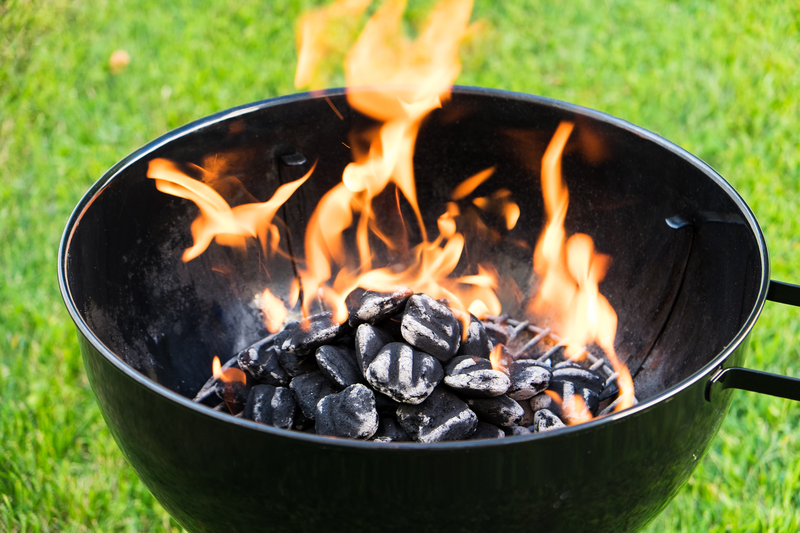


After grilling, it’s common to wonder if you can simply let the charcoal burn out by itself.
The safest approach is to let charcoal cool down naturally inside a closed grill, which usually takes 24 to 48 hours. There are quicker ways to extinguish coals if you’re in a hurry to clean up.
Your decision depends on your available time and what safety steps you’re able to follow. Understanding how charcoal burns out can help you make better choices for your grill.
Different types of charcoal cool down at their own pace. Factors that affect burn time play a role in safety and planning your grilling sessions.
This guide covers the natural burn-out process, safe ways to speed things up, and what to do with leftover charcoal. The goal is to help you avoid common mistakes and grill with more confidence.
Should You Let Charcoal Burn Out?

Allowing charcoal to burn out naturally is safest, though it takes time and can affect your cleanup routine and grill maintenance.
Benefits of Allowing Charcoal to Burn Out
Letting charcoal cool on its own is the safest method for managing your grill. You avoid the risk of burns or unexpected fires that can happen if you try to rush the cooling process.
Charcoal will consume its fuel and turn to ash over time. If you have leftover coals, they can burn down completely and cool off naturally, with no mess from water or other extinguishing methods.
This slow process gives you consistent heat right up to the end. Food residue left on the grates tends to burn off at high temperatures, making your next cleanup less of a chore.
Potential Risks and Safety Considerations
Charcoal remains hot for much longer than it appears. Even gray, ashy coals can hold heat for up to 24 hours.
If you close the grill’s lid and vents, the cooling period can stretch to two full days.
Key risks include:
- Accidental burns from coals that look harmless
- Fire hazards if hot coals touch flammable materials
- Children and pets not recognizing the danger
- Possible grill damage if coals stay hot too long
Keep your grill away from buildings, dry grass, or wooden surfaces. Never move a grill containing hot coals. Make sure everything is cold before handling ash or leaving the grill unattended.
Impact on Grilling Cleanup and Maintenance
Waiting for charcoal to burn out delays your post-grill cleanup. You can’t empty the ash or scrub the grates until the grill is fully cooled, which means your grill is out of commission for at least a day.
There’s a bit of a silver lining: the lingering heat helps burn off grease and stuck-on food, so when it’s time to clean, there’s usually less stubborn residue.
Ash removal gets easier after a full burn-out. The charcoal turns into fine, uniform ash, which is simpler to scoop out than half-burned chunks. Still, always wait for everything to reach a safe temperature before handling ash, no matter how cold it looks.
Your grill’s vents and ash catcher will fill with fine ash. Cleaning these parts regularly helps keep airflow strong for your next grilling session.
How Charcoal Burns Out: The Process Explained

Charcoal passes through several burning phases before it’s truly out. This can take anywhere from 30 minutes to several hours, depending on the situation.
The speed at which your grill cools depends on charcoal type, the amount of air reaching the coals, and how actively you manage the burn.
Stages of Charcoal Combustion
Charcoal burns in four main stages. First is ignition, when it hits 600°F to 700°F and catches fire, producing bright flames and lots of heat.
Then comes active burning, which lasts 30 minutes to 2 hours and provides steady heat for cooking. Lump charcoal burns hotter and faster than briquettes during this phase.
After active burning, the charcoal smolders. Flames die down, but the coals still give off heat—sometimes deceptively so.
The last stage is cooling down. The charcoal loses heat slowly until it’s safe to handle, which can take hours.
Factors That Affect Burn-Out Time
The type of charcoal makes a noticeable difference. Lump usually burns out faster, within 30 minutes to an hour after the main burning phase. Briquettes, which have binders and additives, burn slower and may take over two hours to cool completely.
More charcoal in the grill means more stored heat and a longer cool-down. A full load can stay warm for hours after you finish cooking.
Weather matters, too. Wind boosts oxygen flow and can make coals burn hotter and longer. Humidity slows things down, while cold air helps coals cool faster once the fire’s out.
Role of Airflow and Vent Control
Airflow is something you can actually control. Vents on your grill regulate oxygen supply. More oxygen means hotter, longer burns; less oxygen helps the charcoal die out faster.
Closing the vents cuts off oxygen and smothers the fire, which can speed up the cool-down. Open vents keep the coals burning longer by allowing more airflow.
Adjusting the vents lets you manage burn-out time. Shutting both top and bottom vents pushes charcoal into the cooling phase sooner. Still, even with vents closed, you should wait several hours before assuming the coals are completely out.
Letting Charcoal Burn Out Naturally

Letting charcoal burn out on its own is safest after grilling. It takes patience, but it helps prevent burns, flare-ups, and fire hazards that come with faster methods.
Step-by-Step Burn-Out Procedure
Once you’re done grilling, close the grill lid completely. Then, shut all the air vents to cut off oxygen to the coals.
This causes the fire to die down as the coals lose oxygen. They’ll cool down gradually over several hours.
Don’t open the lid to check on the coals—fresh oxygen can restart the fire. The entire process usually takes 12 to 24 hours, but large amounts of charcoal or windy weather can stretch it to 48 hours.
Wait until the grill feels cool to the touch before opening it. You can check by holding your hand near the grill’s exterior—no need to touch it directly.
Precautions for Safe Outdoor Cooling
Keep your grill at least 10 feet away from your house, deck, or anything flammable during the burn-out. Don’t move the grill while it’s still hot.
Set the grill on a stable, non-flammable surface like concrete or bare dirt. Avoid areas with grass, wooden decks, or dry leaves.
Children and pets should stay away from the area while the grill cools. It’s easy to forget the grill is still hot, so leave a reminder if needed.
Check the weather before starting the burn-out. High winds can carry hot embers or even tip the grill.
If severe weather is coming, don’t leave a cooling grill unattended. Strong storms can knock it over and spread hot coals.
Disposing of Ashes and Waste Properly
Wait a full 48 hours before removing ash or charcoal remnants. This allows everything to cool completely.
Use a metal scoop or trowel to remove ash, and place it in a metal container with a tight lid. Never use plastic bins or paper bags.
Keep the metal container outdoors on a non-flammable surface for at least a week. Sometimes embers stay hot for days.
Once you’re sure the ashes are cold, you can add them to your garden—wood-based charcoal ash contains potassium and can raise soil pH.
Never dispose of ashes in these locations:
- Compost bins (risk of hot spots)
- Trash bags or bins (fire hazard)
- Near buildings or structures
- On wooden surfaces
Some recycling centers accept cold charcoal ash. Check with your local waste management for details.
Faster Methods to Extinguish Charcoal Safely

If you need to put out a charcoal grill quickly, water is the fastest method, but it comes with risks. Fast extinguishing is best for emergencies or when you absolutely must move the grill right away.
Using Water and Other Quick Solutions
Pouring water directly on hot coals will cool them in minutes. Remove the cooking grate first to access the coals. Fill a metal bucket with water and pour it slowly over the coals in small amounts, stirring with a long metal tool to spread the cooling effect.
Be careful: the water creates a lot of steam, which can burn. Hot embers might splatter, so stand back and keep your face away from the steam. Pour slowly to avoid splashing.
Alternative quick solutions include:
- Smothering coals with sand or dirt
- Spreading baking soda over hot coals
- Moving coals into a metal bucket filled with water
These methods work faster than natural burn-out. Water is the quickest, but it can damage your grill from sudden temperature changes—the metal might crack or warp, and rust can develop if you don’t dry the grill thoroughly afterward.
Tools and Safety Equipment
You need specific gear to safely put out a charcoal grill with water. Heat-resistant gloves protect your hands from burns and steam.
Long-handled tongs or a metal shovel help you move coals without getting too close. Keep a metal bucket nearby for water or ash disposal.
Never use plastic containers, which can melt. A metal ash scoop makes it easier to remove cooled coals from the grill.
Essential safety equipment:
| Tool | Purpose |
|---|---|
| Heat-resistant gloves | Protect hands from burns |
| Long-handled tongs | Move hot coals safely |
| Metal bucket | Hold water or cooled ash |
| Fire extinguisher | Handle unexpected fires |
Always keep a fire extinguisher rated for all fire types within reach. Have a garden hose ready if your grill is near your house.
Wear closed-toe shoes and long pants to protect your legs from hot embers.
When to Choose Rapid Extinguishing
Choose fast extinguishing when you must put out a charcoal grill immediately. Emergency situations require quick action, such as when weather turns bad or you need to leave suddenly.
Use water dousing if you spot signs of a fire spreading beyond the grill. Rapid methods make sense when you cannot wait several hours for natural cooling.
If you need to move your grill soon or store it indoors, fast extinguishing saves time. This approach works when you do not plan to reuse the leftover charcoal.
The slower suffocation method protects your grill better and saves unused charcoal.
Only use water when the benefits of speed outweigh the risks of grill damage and wasted fuel.
Types of Charcoal and Their Burn-Out Behavior

Lump and briquettes behave differently when burning, with lump charcoal typically burning out in 1-2 hours while briquettes can last 4-6 hours or more.
The type you choose affects how long you’ll wait for complete burn-out and how you manage your grill.
Lump Charcoal Versus Briquettes
Lump charcoal comes from natural wood pieces that have been burned down in low-oxygen environments. It lights faster and burns hotter than briquettes, reaching higher temperatures quickly.
However, it burns out faster, usually within 1-2 hours. Lump creates less ash and doesn’t contain additives or binders.
This makes it easier to clean up after it burns out completely.
Briquettes are made from compressed sawdust, coal dust, and additives that help them hold their shape.
They burn more slowly and steadily, lasting 4-6 hours or longer. The additives and uniform shape help briquettes maintain consistent heat over extended periods.
Briquettes take longer to fully burn out after you finish cooking. You’ll need to wait 30-45 minutes for smaller amounts or up to 2 hours for larger quantities to extinguish completely.
Selecting the Right Charcoal for Your Needs
Choose lump charcoal when you need high heat for quick grilling sessions like steaks or burgers. You’ll deal with shorter burn times and faster burn-out periods, which means less waiting after cooking.
Pick briquettes for low-and-slow cooking methods like smoking or roasting. The extended burn time of 4-6 hours works well for long cooking sessions.
Keep in mind that briquettes take significantly longer to burn out completely after you’re done cooking. Your fuel efficiency matters too.
Briquettes give you more cooking time per pound, but lump charcoal produces less ash to dispose of once everything burns out.
Reusing and Disposing of Leftover Charcoal

You can save money and reduce waste by reusing partially burned charcoal from your grill. When you’re done grilling, proper storage keeps leftover pieces ready for your next cookout.
Safe disposal protects the environment and prevents fire hazards.
How to Store and Reuse Partially Burned Charcoal
Wait until your charcoal has completely cooled before handling it. This usually takes several hours or overnight.
Use metal tongs to remove larger pieces of charcoal that haven’t turned to ash. Store the salvaged pieces in an airtight container like a metal bin with a tight lid.
Moisture ruins charcoal and makes it unusable, so keep your container in a dry location away from rain and humidity. Keep leftover charcoal separate from new bags to avoid confusion during grilling cleanup.
You can mix these partially burned pieces with fresh charcoal for your next grilling session. The old pieces help ignite new charcoal faster and extend your overall burn time.
Only save pieces that are still solid and intact, not crumbly ash.
Environmentally Safe Disposal Tips
Let charcoal cool for at least 48 hours before attempting disposal. Pour water over the ashes to make sure they’re fully extinguished, then allow them to dry out.
Place the cooled ash in a metal container with a tightly fitting lid. Avoid using plastic bins or paper bags for this purpose.
It’s possible to add small amounts of ash to your compost pile or garden soil, since ash contains potassium and some nutrients. However, avoid using ash from charcoal briquettes that have chemicals or additives mixed in.
For larger quantities, dispose of them through your regular trash collection, but always use a sealed metal container. Never dump hot ash in trash cans, dumpsters, or outdoor areas, as this could easily cause a fire.