What Size Grill for 2 People? The Essential Guide to Choosing Right
Picking the right grill for two people seems simple until you realize how many options exist on the market. Too large and you waste fuel heating empty space. Too small and you end up cooking multiple rounds while the first batch gets cold.
For two people, a grill with 200-300 square inches of cooking surface provides enough space to prepare complete meals without excess capacity.
This size lets you cook two steaks plus vegetables at the same time, which covers most couples’ needs. The measurement refers to the primary cooking grate where food makes direct contact with heat.
Your choice depends on more than just square inches. The type of grill you select, how often you cook outdoors, and what foods you prepare all shape which model works best. This guide walks you through cooking surface calculations, grill types, essential features, and practical tips to match a grill to your specific cooking habits.
Ideal Grill Size for 2 People
A grill with 200-300 square inches of primary cooking surface meets the needs of most couples. This range allows simultaneous cooking of proteins and sides without wasting fuel or storage space.
Recommended Cooking Surface Area
For two people, 250 square inches serves as the sweet spot for cooking surface area. This size accommodates two 8-ounce steaks plus vegetables or four burgers without overcrowding.
Each person requires 75-100 square inches of space for proper heat circulation around food. Adequate spacing prevents steaming effects and ensures proper searing on meats.
A 200-square-inch grill handles basic meals like two chicken breasts or fish fillets. If you cook complete meals with multiple components simultaneously, opt for 300 square inches to avoid multiple cooking rounds.
Secondary warming racks add 50-100 square inches of space for bread or delicate items that don’t require direct heat. This extra area proves useful when preparing appetizers or keeping finished food warm.
Optimal Dimensions and Capacity
A grill measuring 18-24 inches in width provides sufficient space for two-person cooking. Depth should range between 12-18 inches to maintain efficient heat distribution.
Round kettle-style charcoal grills work well at 18-22 inches in diameter. Rectangular models perform best at approximately 20×16 inches for optimal charcoal placement and airflow.
Electric grills designed for couples typically measure 15-20 inches across. These compact dimensions fit apartment balconies while still accommodating two main protein portions plus sides.
Plan for 24-36 inches of clearance space around your grill for safe operation. Factor in this buffer zone when measuring your available patio or balcony space.
Number of Burners for Small Grills
Two burners provide the ideal configuration for couples who want cooking flexibility. This setup enables dual-zone cooking with one side for searing at high heat and another for slower finishing.
Each burner should output 8,000-12,000 BTUs for adequate temperature control. This range delivers sufficient heat for most cooking tasks without excessive fuel consumption.
Single-burner grills limit your ability to cook items requiring different temperatures simultaneously. Three or more burners add unnecessary complexity and higher costs without meaningful benefits for two-person cooking.
Look for independent controls on each burner so you can adjust temperatures separately. This feature allows you to maintain 400°F on one zone while running 250°F on another for versatile meal preparation.
How Cooking Surface Area Affects Grilling for Two
The cooking surface area determines whether you can prepare complete meals in one session or need multiple rounds of grilling. Proper spacing between food items prevents steaming while inadequate space forces sequential cooking that leaves portions cold.
Cooking Efficiency and Heat Circulation
A 200-300 square inch cooking surface maintains optimal heat distribution for two-person meals. Heat circulates around individual food items when you maintain 1-2 inches between pieces, creating proper searing conditions. Insufficient surface area forces you to crowd foods together, which traps moisture and produces steaming instead of grilling.
Each person requires 75-100 square inches of active cooking space for efficient heat exposure. Temperature variations across the cooking grate range from 50-75°F between center and edge positions. Strategic food placement compensates for these differences, but this becomes impossible when the surface is overcrowded.
Smaller surfaces concentrate heat more intensely, producing higher BTU-per-square-inch ratios that reduce cooking time by 15-20% compared to larger grills. This concentration benefits small portions but eliminates the ability to create separate temperature zones for different cooking methods.
Capacity for Proteins and Sides
A 250 square inch grill accommodates two 8-ounce steaks plus vegetables simultaneously without overlap. This capacity allows you to serve both diners at the same time rather than holding finished items while others cook. Adding sides requires an additional 50-100 square inches of secondary warming rack space.
The 200 square inch minimum handles two burgers or chicken breasts but leaves no room for accompaniments. You’ll need to cook vegetables before or after the protein, extending total preparation time by 10-15 minutes. A 300 square inch surface provides flexibility for two steaks, three types of vegetables, and bread warming positions.
Whole chickens or large roasts demand 350-400 square inches due to their dimensions and indirect heat requirements. These items exceed typical two-person grill specifications.
Importance of Adequate Spacing
Food items positioned closer than 1 inch create overlapping heat zones that prevent proper browning. The space between proteins allows hot air and smoke to contact all surfaces, developing the characteristic grill marks and flavor. Direct contact between food pieces produces pale, steamed areas instead of caramelized crusts.
Flare-ups from dripping fats spread more rapidly across crowded surfaces. Maintaining 2-inch spacing around fatty cuts like ribeye steaks contains these flames to localized areas. This spacing reduces the need for constant monitoring and repositioning during cooking.
Cross-contamination risks increase when raw and cooked items share tight quarters. Adequate spacing lets you designate specific zones for different food safety categories without worry.
Types of Grills Best Suited for Two People
Gas grills deliver precise temperature control and rapid heating, charcoal grills provide authentic smoky flavor at lower costs, and electric grills offer apartment-friendly convenience without open flames.
Gas Grills
Gas grills with two burners provide 200-300 square inches of cooking space, ideal for preparing complete meals for couples. These units heat up in 10-15 minutes and feature individual burner controls that allow simultaneous cooking at different temperatures. Most compact models produce 8,000-12,000 BTUs per burner, sufficient for searing steaks while cooking vegetables on a lower heat zone.
Push-button ignition eliminates the need for matches or lighter fluid, and cleanup requires only wiping down the grates after cooking. A 20-pound propane tank typically fuels 15-20 cooking sessions before requiring replacement. Models designed for two people measure 18-24 inches wide and fit on small patios or balconies with proper clearance.
The primary drawback involves higher upfront costs, ranging from $150-400 for quality compact models. Gas grills also produce less smoky flavor compared to charcoal alternatives.
The Monument 2-Burner Gas Grill is a compact propane grill with two stainless steel burners and about 450 sq in of cooking space, ideal for small patios and family cookouts. Its Clearview® lid lets you check food without lifting the hood, and fold-down shelves give handy prep space that stows away.
Porcelain-coated grates help with even heat and searing, while features like electronic ignition, LED control knobs, and caster wheels make it easy to use. It’s a solid choice if you want reliable everyday grilling with a few thoughtful extras.
Why it stands out: A rare Clearview® window lets you check your food without lifting the lid, while its compact two-burner design and foldable shelves offer a smart balance of performance and space-saving convenience — perfect for patios and everyday backyard grilling.
Charcoal Grills
Charcoal grills deliver superior taste through direct heat and wood smoke while maintaining purchase prices between $50-150 for kettle-style models. Round kettles with 18-22 inch diameters provide adequate cooking surface for two people, accommodating two steaks plus vegetables without overcrowding.
These grills reach temperatures up to 700°F, creating perfect searing conditions for burgers and thick-cut steaks. The confined cooking chamber concentrates heat effectively for small portions, though temperature control requires practice managing coal placement and airflow vents.
Preparation time extends to 20-30 minutes waiting for coals to reach proper heat levels. Ash removal and grate cleaning add maintenance time after each cooking session. Weather conditions affect performance, with wind and rain creating temperature inconsistencies.
This compact charcoal classic packs 250 square inches of genuine cooking space, giving you enough room for a meal for 3–5 people without taking up half your patio. It’s built from heavy-duty steel with cast iron cooking grates that help lock in that smoky, seared flavour only charcoal can deliver.
The adjustable airflow damper means you can dial in the heat for everything from quick burgers to slow-smoked ribs, and the EasyDump ash pan makes clean-up more pleasant than you’d expect for a charcoal grill. It also includes a side shelf for prep space or holding tools.
Why it stands out: great balance of size, portability, and durable construction — ideal for small backyards, balconies, or camping. Perfect if you want the classic smoky flavour in a grill that’s easy to handle.
Electric Grills
Electric grills operate from standard 120-volt outlets, heating to 400-500°F within 5-10 minutes without producing smoke or open flames. These units measure 15-20 inches across with 200-250 square inches of non-stick cooking surface, making them suitable for apartment balconies where gas and charcoal grills are prohibited.
Indoor/outdoor versatility enables year-round grilling regardless of weather conditions. The consistent temperature eliminates flare-ups that can char delicate fish or lean meats. Most models feature removable plates that clean in dishwashers.
Maximum temperatures remain lower than gas or charcoal options, limiting the ability to achieve deep searing or char marks. Electric grills require proximity to electrical outlets, restricting placement options on decks or patios. The absence of smoke produces less authentic grilled flavor compared to fuel-burning alternatives.
While its official cooking area is slightly under 250 sq in (~240 sq in), the Weber Lumin is one of the best electric options on Amazon and worth including because it’s the closest true electric grill to your size requirement available.
This plug-in grill reaches up to 600 °F, letting you sear or smoke food without propane or charcoal. It’s also versatile enough for steaming, warming, or even defrosting as you grill — perfect for apartment balconies or places with fuel restrictions.
Why it stands out: electric grilling doesn’t usually get as hot as gas or charcoal, but this model delivers strong heat and searing ability. If space, fuel type limitations, or convenience are key, this is one of the most capable small electric grills you can buy.
Key Features to Consider When Choosing a Grill
Selecting the right grill for two people requires attention to portability, heat management, and additional cooking surfaces that extend functionality without adding unnecessary bulk.
Portability and Size
A grill weighing between 20-50 pounds allows for easy relocation without sacrificing stability during cooking. Models with fold-down side shelves reduce footprint by 30-40% when stored, making them practical for apartment balconies or limited patio space.
Look for grills measuring 18-24 inches wide with wheels rated for outdoor terrain. Tabletop versions provide maximum portability at 15-30 pounds but require a stable surface for safe operation. Built-in handles positioned at balance points enable single-person transport without straining.
Storage dimensions matter more than cooking surface when space is limited. A grill that collapses to under 24 inches in height fits in standard closets or under outdoor benches. Weather-resistant materials like powder-coated steel or porcelain enamel extend lifespan when stored outdoors under a cover.
Temperature Control and Burners
Two independent burners deliver 8,000-12,000 BTUs each for effective dual-zone cooking. This configuration lets you sear steaks at 500°F on one side while warming vegetables at 300°F on the other.
Built-in lid thermometers should display accurate readings between 250°F-500°F for monitoring without opening the grill. Piezo ignition systems eliminate matches and reduce start-up time to under 30 seconds. Individual control knobs with clear temperature markings prevent guesswork during cooking.
Infrared burners distribute heat 30% more evenly than standard burners, reducing hot spots on compact cooking surfaces. Stainless steel burners resist corrosion better than cast iron alternatives in humid climates.
Secondary Cooking Areas and Racks
Warming racks add 50-100 square inches of elevated space for toasting buns or holding finished proteins. These racks typically position 3-4 inches above primary grates, keeping food warm without direct heat exposure.
Swing-away racks provide access to main cooking surfaces without removing food from secondary areas. Fixed warming racks work adequately but limit your ability to manage larger items like whole chickens. Porcelain-coated steel racks clean easier than bare metal and resist rust from moisture exposure.
Side shelves measuring 12-15 inches provide prep space for plates and utensils without requiring separate tables. Removable shelves offer storage flexibility when the grill is not in use.
Matching Grill Size to Cooking Styles and Food Choices
Different cooking methods and food types determine whether a 200-300 square inch grill provides adequate space for two people. Heat management techniques and food selection directly impact the minimum cooking surface required.
Direct vs. Indirect Heat Cooking
Direct heat cooking places food immediately above the flame or coals, requiring minimal space but limiting versatility. A 200 square inch grill accommodates two steaks or four burgers using direct heat, with each item needing approximately 75-100 square inches including spacing for proper airflow.
Indirect heat cooking demands additional surface area since food sits away from the heat source. This method works best on grills with 300-400 square inches, allowing you to position coals or active burners on one side while food cooks on the opposite zone. Whole chickens, roasts, and thick cuts benefit from indirect heat but require 150-200 square inches per item.
Single-burner grills eliminate indirect cooking options entirely. Two-burner models measuring 300+ square inches enable you to create distinct hot and cool zones, expanding your cooking repertoire beyond simple grilling to include baking, roasting, and smoking techniques.
Best Foods to Grill on Small Surfaces
Thin proteins cook efficiently on compact 200-250 square inch grills without sacrificing quality. Chicken breasts, pork chops, fish fillets, and burgers reach proper internal temperatures within 8-12 minutes, allowing you to prepare complete meals in single batches.
Ideal foods for small grills:
Hamburgers and hot dogs
Fish fillets (salmon, tilapia, mahi-mahi)
Skewered vegetables and kebabs
Boneless chicken thighs
Individual steaks under 12 ounces
Dense vegetables like bell peppers, zucchini, and asparagus fit easily on limited cooking surfaces. Cut vegetables into uniform sizes to maximize space efficiency and ensure even cooking across the grill grates. Avoid large items like whole cauliflower heads or bone-in turkey breasts that occupy excessive space and require extended cooking times.
Grill Size Considerations Beyond Cooking Area
Choosing a grill for two people requires evaluating physical dimensions, storage options, and operating costs alongside cooking surface measurements. These practical factors often determine whether a grill fits your lifestyle.
Available Outdoor Space
Measure your outdoor area before selecting a grill to ensure adequate clearance and safe operation. Most grills require 24-36 inches of open space on all sides for proper ventilation and fire safety compliance.
Apartment balconies typically accommodate grills with footprints under 20 inches wide and 18 inches deep. Check your building’s regulations, as many restrict propane tanks or open flames in multi-unit dwellings.
Patios and decks offer more flexibility for grill placement. A compact grill measuring 24 inches wide fits comfortably on a 6-foot deck while leaving room for furniture and traffic flow. Consider overhead clearance too—grills need at least 36 inches of vertical space above the cooking surface to prevent heat damage to awnings or roofs.
Storage and Mobility
Compact grills for two people weigh 20-50 pounds, making them easier to move and store than full-size models that exceed 100 pounds. Built-in wheels or folding legs add convenience for seasonal storage or transport to different cooking locations.
Tabletop models eliminate the need for permanent outdoor placement. These units fold to dimensions under 18 inches in any direction and fit inside closets or garage shelves during winter months.
Weather protection extends grill lifespan regardless of storage method. Waterproof covers prevent rust on exposed surfaces, while indoor storage in sheds or garages provides complete protection from moisture and temperature fluctuations.
Fuel Consumption and Efficiency
Small grills use 30-40% less fuel per cooking session than standard models. A 20-pound propane tank lasts 15-20 uses on a compact two-burner grill compared to 8-12 uses on larger units.
Charcoal grills designed for two people consume 2-3 pounds of briquettes per session. This amount fills an 18-22 inch kettle grill adequately without wasting unburned coals.
Electric grills eliminate fuel purchases entirely but require access to 120-volt outlets. They draw 1,200-1,800 watts during operation, adding roughly $0.20-$0.30 per hour to electricity costs based on average residential rates.
Grilling Tips for Two People
Proper preheating, surface preparation, and regular maintenance ensure consistent results when cooking for two people. These techniques prevent common problems like uneven cooking and food adhesion while extending your grill’s lifespan.
Preheating and Heat Distribution
Preheat your grill for 10-15 minutes before cooking to reach optimal temperatures of 400-450°F. This duration allows heat to distribute evenly across the cooking surface and burns off residual food particles from previous sessions.
Small grills create concentrated heat zones that require strategic food placement. Position proteins directly over burners or coals for searing, then move them to cooler edges to finish cooking. Temperature variations of 50-75°F between zones are normal in compact grills.
Test heat distribution by holding your hand 5 inches above the grates. If you can maintain position for 2-3 seconds, the temperature sits around 400°F. Areas requiring less than 2 seconds indicate hot spots above 450°F.
Close the lid during preheating to trap heat and create an oven-like environment. Open grills lose heat rapidly and take longer to reach cooking temperature, especially in windy conditions.
Preventing Food From Sticking to the Grill
Clean grates thoroughly before each use with a wire brush while the grill is hot. Scrubbing heated grates removes carbonized residue that causes adhesion more effectively than cleaning cold surfaces.
Oil the grates after cleaning by dipping folded paper towels in vegetable oil and rubbing them across the hot surface using long-handled tongs. Apply a thin, even coating rather than saturating the grates.
Fish sticks to grills because its delicate proteins bond with metal surfaces when moisture evaporates too quickly. The fish essentially welds itself to the grates through a chemical reaction between proteins and oxidized metal.
Pat proteins dry with paper towels before grilling to remove surface moisture. Excess water creates steam that interferes with proper searing and increases sticking.
Wait for proper sear formation before attempting to flip food. Proteins naturally release from grates once a crust develops, typically after 3-4 minutes of contact. Forcing premature flips tears the surface and leaves meat adhered to the grill.
Cleaning and Maintenance Best Practices
Scrape grates immediately after cooking while they remain hot. Food debris removes easily at high temperatures but hardens into stubborn residue once cooled.
Empty grease traps after every 2-3 cooking sessions to prevent flare-ups and grease fires. Built-up fat ignites easily and creates uncontrolled flames that char food.
Deep clean your grill every 5-6 uses by removing grates and scrubbing them with warm soapy water. Check burner tubes for blockages from grease or insects that restrict gas flow.
Inspect propane connections monthly for leaks by applying soapy water to hose fittings. Bubbles indicate escaping gas that requires immediate attention before operating the grill.
Cover your grill when not in use to protect it from weather damage and extend its functional lifespan. UV exposure degrades paint and plastic components, while moisture causes rust on metal surfaces.
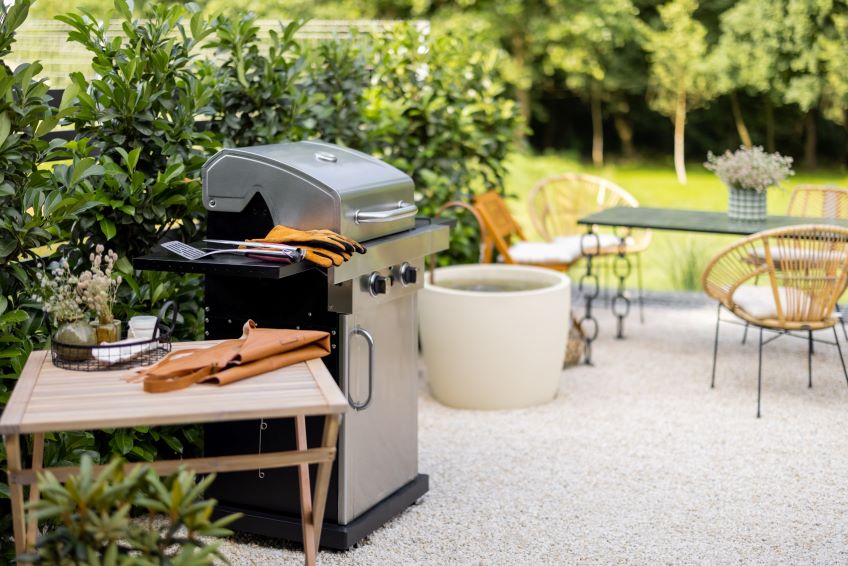


 A grill with 200-300 square inches of primary cooking surface meets the needs of most couples. This range allows simultaneous cooking of proteins and sides without wasting fuel or storage space.
 The cooking surface area determines whether you can prepare complete meals in one session or need multiple rounds of grilling. Proper spacing between food items prevents steaming while inadequate space forces sequential cooking that leaves portions cold.
 Gas grills deliver precise temperature control and rapid heating, charcoal grills provide authentic smoky flavor at lower costs, and electric grills offer apartment-friendly convenience without open flames.
 Selecting the right grill for two people requires attention to portability, heat management, and additional cooking surfaces that extend functionality without adding unnecessary bulk.
 Different cooking methods and food types determine whether a 200-300 square inch grill provides adequate space for two people. Heat management techniques and food selection directly impact the minimum cooking surface required.
 Choosing a grill for two people requires evaluating physical dimensions, storage options, and operating costs alongside cooking surface measurements. These practical factors often determine whether a grill fits your lifestyle.
 Proper preheating, surface preparation, and regular maintenance ensure consistent results when cooking for two people. These techniques prevent common problems like uneven cooking and food adhesion while extending your grill’s lifespan.


