How Long to Cook 1-Inch New York Steak on the Stove: Expert Timing Tips
Cooking a 1-inch New York steak on the stove requires precise timing to achieve your preferred level of doneness.
A 1-inch thick New York strip steak needs approximately 4-5 minutes per side over medium-high heat for medium-rare, or 3-4 minutes per side if you prefer a rarer result.
Understanding these cooking times helps you avoid the common mistakes of overcooking or undercooking this premium cut of beef.
The New York strip’s combination of marbling and texture makes it ideal for stovetop cooking, but success depends on more than just timing. You need to consider preparation methods, pan temperature, and resting periods to develop a proper crust while maintaining a juicy interior. Small variations in thickness, pan type, and heat level can affect your final results.
This guide walks you through the complete process of pan-searing a New York strip steak, from selecting the right cut to slicing it properly after cooking. You’ll learn the specific temperature ranges for each doneness level, the tools that make the biggest difference, and the techniques professional chefs use to create steakhouse-quality results at home.
Overview of New York Strip Steak
The New York strip steak comes from the short loin section of the cow and offers a balance of tenderness and beefy flavor that makes it a popular choice for stovetop cooking. Understanding the cut’s characteristics and thickness helps you achieve the best results.
What Is a New York Strip Steak?
The New York strip steak is cut from the longissimus dorsi muscle, which runs along the cow’s back in the short loin section. This muscle does minimal work during the animal’s life, resulting in a naturally tender texture with moderate marbling throughout the meat.
You’ll also see this steak labeled as strip loin, strip steak, or Kansas City strip at butcher shops and grocery stores. These names all refer to the same cut. The steak features a characteristic strip of fat along one edge that adds flavor during cooking.
The meat has a firm, dense texture compared to cuts like ribeye or tenderloin. This gives you a satisfying bite while remaining tender enough to cook quickly on the stovetop.
Boneless vs. Bone-In New York Strip
Most New York strip steaks sold for stovetop cooking are boneless, which allows for even contact with your pan surface. The boneless version cooks more uniformly and is easier to flip and handle during the cooking process.
Bone-in New York strips include a portion of the backbone attached to one side of the meat. The bone can slightly extend cooking time by 1-2 minutes since it acts as an insulator. Some cooks prefer bone-in cuts for added flavor, though the difference is subtle when cooking a 1-inch steak.
For stovetop preparation, boneless cuts are more practical and deliver consistent results across the entire steak.
Why Thickness Impacts Cooking Time
A 1-inch thick New York strip steak requires approximately 3-4 minutes per side for medium-rare when cooking on the stovetop. Thickness directly determines how quickly heat penetrates to the steak’s center.
Thicker steaks above 1.5 inches give you more control over doneness since you can develop a good crust without overcooking the interior. Thinner steaks under 1 inch cook faster and require constant attention to prevent drying out the meat.
The 1-inch thickness is ideal for stovetop cooking because it allows enough time to build a flavorful seared crust while reaching your target internal temperature. You get a better margin for error compared to thinner cuts that can overcook in seconds.
Essential Preparation Steps
Proper preparation determines whether your New York strip steak develops a restaurant-quality crust and maintains its juicy interior. These three steps create the foundation for perfectly cooked meat.
Selecting a Quality Steak
Choose a New York strip steak with abundant marbling throughout the meat. The white fat streaks running through the red muscle tissue melt during cooking and add flavor while keeping the steak moist.
Look for steaks with bright red color rather than brown or gray tones. The fat should appear creamy white or slightly yellow, not dark or discolored.
A thickness of exactly 1 inch works best for stovetop cooking because it allows you to develop a dark crust without overcooking the center. Boneless cuts cook more evenly than bone-in options when using a pan.
Bringing Steak to Room Temperature
Remove your strip steak from the refrigerator 30 minutes before cooking. A cold steak placed in a hot pan cooks unevenly, with an overcooked exterior and undercooked center.
Pat the steak completely dry with paper towels after it reaches room temperature. Surface moisture creates steam in the pan, preventing the brown crust from forming properly.
This step takes minimal effort but significantly impacts the final texture and appearance of your cooked steak.
Seasoning for Maximum Flavor
Apply coarse salt and freshly cracked black pepper generously to both sides of the steak. Use approximately 3/4 teaspoon of salt per pound of meat for adequate seasoning.
Season the steak immediately before cooking rather than hours in advance. Early salting draws moisture to the surface, which interferes with searing unless you allow enough time for the moisture to be reabsorbed (at least 40 minutes).
Press the seasoning into the meat gently with your fingers to help it adhere during cooking. Skip the oil on the steak itself—add it directly to the hot pan instead for better heat distribution.
Cooking Times and Doneness Levels
Pan-searing a 1-inch New York strip steak requires precise timing and temperature monitoring to achieve your preferred doneness. The cooking time ranges from 6 to 14 minutes total depending on how you like your steak cooked.
Recommended Stovetop Cooking Times
For a 1-inch thick New York strip on the stovetop, cook for 3 to 4 minutes per side for medium-rare in a preheated cast iron or heavy-bottomed skillet over medium-high heat. Medium doneness requires 4 to 5 minutes per side, while medium-well takes 5 to 6 minutes per side.
A rare steak needs only 2 to 3 minutes per side. Well-done steaks require 6 to 7 minutes per side, though this level of cooking will reduce the natural tenderness and juiciness of the cut.
Heat your pan until it’s smoking hot before adding the steak to create a proper sear. Flip the steak only once during cooking to develop an even crust on both sides.
Internal Temperature Guide
Medium-rare steak reaches 130 to 135°F internally and delivers optimal tenderness with a warm red center. Medium steak hits 140 to 145°F with a pink center and slightly firmer texture.
Rare steak registers 120 to 125°F with a cool red center. Medium-well measures 150 to 155°F with just a hint of pink, while well-done exceeds 160°F with no pink remaining.
The steak’s temperature will rise 5 to 10 degrees during resting, so remove it from heat when it’s 5 degrees below your target temperature.
Using a Meat Thermometer
Insert an instant-read meat thermometer into the thickest part of the steak horizontally from the side to get an accurate reading. Avoid touching bone or the pan surface, as both will give false temperature readings.
Digital instant-read thermometers provide results in 2 to 3 seconds and offer the most reliable measurements for stovetop cooking. Check the temperature starting at the minimum recommended cooking time to prevent overcooking.
Remove the thermometer between readings and wipe it clean to maintain accuracy. For consistent results across multiple steaks, check each one individually rather than assuming uniform cooking.
Step-by-Step Pan Searing Method
Pan searing a 1-inch New York strip steak requires proper heat management and timing to develop a caramelized crust while maintaining a juicy interior. The process involves three critical phases that determine the final quality of your steak.
Preheating and Choosing the Right Pan
Cast iron skillets provide superior heat retention and create the most consistent sear for your New York strip steak. Place the pan over medium-high heat for 5-7 minutes until it nearly begins to smoke.
Select a skillet that closely matches your steak’s size to prevent burned juices in exposed areas. Heavy-bottomed stainless steel pans with copper cores work as alternatives, but avoid nonstick cookware since the required temperature exceeds safe limits for most nonstick coatings.
The Lodge Seasoned Cast Iron Skilletis a durable, PFAS-free cast iron pan designed for versatile cooking. It comes pre-seasoned for a naturally non-stick surface and can be used on the stove, in the oven, on the grill, or even over a campfire.
Built to retain heat well, it’s ideal for searing, frying, baking, and everyday cooking, and it’s made to last for years with proper care.
Test pan readiness by flicking a water droplet onto the surface—it should immediately evaporate with a sizzle. Remove your steak from refrigeration 60-90 minutes before cooking to bring it closer to room temperature. Pat all surfaces completely dry with paper towels since surface moisture must evaporate before browning can occur.
Searing With High-Smoke-Point Oil
Apply 1 teaspoon of high-smoke-point oil such as avocado oil (smoke point 520°F), vegetable oil (450°F), or beef tallow (400°F) to the preheated pan. Brush the oil across the entire cooking surface to minimize splatter and create an even coating.
Season your strip steak with approximately three-quarters teaspoon of kosher salt per pound plus freshly ground black pepper immediately before placing it in the pan. Place the steak down and listen for an immediate loud sizzle—silence indicates insufficient heat.
Cook undisturbed for 3-4 minutes on the first side to develop a golden-brown crust. Flip once and sear the second side for an additional 3-4 minutes for medium-rare doneness (internal temperature of 130-135°F before resting).
Basting and Final Finishing Touches
Add 1-2 tablespoons of butter to the pan during the final minute of cooking if desired. Tilt the pan slightly and use a spoon to continuously pour the melted butter over the steak’s surface for enhanced flavor and moisture.
Ideally transfer your New York strip steak onto a steak resting rack rather than a plate to preserve maximum juiciness during the resting period. Rest for 5 minutes minimum to allow juice redistribution throughout the meat. The internal temperature will rise an additional 5°F during this carryover cooking phase, bringing medium-rare steaks to their final temperature of 135-140°F.
Resting and Slicing Your Steak
After removing your steak from the stovetop, the internal temperature continues to rise while the meat fibers relax and reabsorb moisture. Cutting into the meat immediately causes juice loss, while proper resting and slicing techniques preserve flavor and tenderness.
Carryover Cooking Explained
Your steak’s internal temperature increases by 5 to 10 degrees Fahrenheit after you remove it from the pan. This phenomenon occurs because the outer layers of meat transfer heat to the cooler center. For a medium-rare finish at 135°F, you should remove your 1-inch New York strip from the stove at 125 to 130°F.
The rate of carryover cooking depends on the steak’s thickness and how much heat energy the meat absorbed during cooking. Thicker cuts experience more dramatic temperature changes than thinner ones. Account for this rise when using a meat thermometer to check doneness during the cooking process.
How to Properly Rest Steak
Place your cooked steak on a cutting board or plate for 5 to 10 minutes before cutting. Loosely tent the meat with aluminum foil to maintain warmth without trapping steam that would soften the crust. During this period, the muscle fibers that contracted during cooking relax and redistribute their juices throughout the steak.
Skipping the rest period results in a pool of liquid on your cutting board instead of inside the meat. A 1-inch steak needs at least 5 minutes, though 8 to 10 minutes produces optimal results. The meat’s surface temperature drops slightly, making it safer and more comfortable to handle while the center stays warm.
Slicing Techniques for the Juiciest Results
Locate the direction of the muscle fibers running through your steak before cutting. Position your knife perpendicular to these grain lines and slice in smooth, controlled motions. Each piece should measure approximately 1/4 inch thick to ensure tender bites that are easy to chew.
Use a sharp knife to prevent tearing the meat fibers, which releases additional moisture. Cutting against the grain shortens the muscle fibers in each slice, reducing the amount of chewing required. For presentation, angle your knife at 45 degrees to create wider slices with more surface area.
Tips for Restaurant-Quality Results
Getting a perfect crust and tender center requires avoiding common errors and selecting the right accompaniments. Small adjustments to your cooking method and thoughtful pairing choices make the difference between a good steak and an exceptional one.
Common Mistakes to Avoid
Moving the steak too frequently prevents proper crust formation, so resist the urge to flip more than once during cooking. Cold steak straight from the refrigerator cooks unevenly, which is why bringing it to room temperature for 30 minutes matters.
Using a thin or lightweight pan leads to temperature drops when the meat hits the surface. Cast iron or heavy stainless steel maintains consistent heat for proper searing. Cutting into your New York strip steak immediately after cooking releases all the juices onto the cutting board instead of staying in the meat.
Insufficient seasoning is another frequent problem. Salt and pepper should coat both sides generously, not just a light dusting. Overcrowding the pan with multiple steaks drops the temperature and causes steaming rather than searing, so cook one steak at a time in a standard 10-12 inch skillet.
Flavor Enhancements and Sides
Adding butter, fresh thyme, and crushed garlic to the pan during the last minute of cooking creates a rich basting liquid. Spoon this mixture over the strip steak repeatedly for deeper flavor penetration.
Compound butters made with herbs, blue cheese, or roasted garlic placed on top of the resting steak melt into the meat’s surface. A squeeze of fresh lemon juice right before serving brightens the rich beef flavor without overpowering it.
Creamy mashed potatoes absorb the steak’s juices well, while roasted asparagus or Brussels sprouts add a contrasting texture. A simple arugula salad with shaved parmesan and balsamic vinaigrette cuts through the richness. Sautéed mushrooms in the same pan after removing the steak capture the browned bits for a quick, flavorful side.
Complementary Sides and Recipes
A perfectly cooked New York steak deserves sides that highlight its rich flavor without overpowering it. The right vegetables, starches, and sauces can turn a simple steak dinner into a balanced and satisfying meal. By pairing hearty textures with fresh ingredients, you can create a plate that feels both comforting and refined.
Classic choices like potatoes and roasted vegetables work especially well because they complement the steak’s bold taste. Adding a simple sauce made from the steak’s pan drippings can also bring everything together, enhancing the overall flavor of the dish.
Pairing Vegetables and Starches
To make the most of your New York steak, it’s important to serve it with sides that complement its rich and savory flavor. Potatoes are a classic choice, offering a hearty balance to the steak’s bold taste.
A baked potato is one of the simplest options. Wash and prick the potato with a fork, rub it with olive oil and salt, and bake it in the oven at 400°F for about an hour. It can cook while the steak is being prepared, making it an easy and convenient side.
For something a little more flavorful, mashed potatoes with herbs are an excellent alternative. Boil peeled and cubed potatoes until tender, then mash them with butter, milk, and chopped rosemary and thyme. The creamy texture makes them perfect for soaking up the rich flavors from the steak and any accompanying sauce.
Vegetables are another great way to round out the meal. Roasted asparagus is a simple and elegant choice that pairs beautifully with steak. Toss the asparagus with olive oil, salt, and pepper, then roast it in the oven at 400°F for about 15 minutes until tender and slightly crisp.
Sautéed mushrooms are another classic pairing. Heat butter in a pan over medium-high heat, add sliced mushrooms, and cook until they are golden and tender. Season with salt, pepper, and any herbs you enjoy to create a flavorful side that complements the steak perfectly.
Creating a Pan Sauce
A pan sauce is a simple way to elevate the flavor of your New York steak. It uses the flavorful browned bits left in the pan after cooking the steak, turning them into a rich and savory sauce.
After removing the steak from the pan, allow it to rest while you prepare the sauce. Add aromatics such as chopped onion, garlic, or shallots to the same pan and cook until they soften and release their fragrance.
Next, deglaze the pan with a liquid such as red wine or beef broth. Scrape the bottom of the pan to release the browned bits, which add depth and richness to the sauce.
Let the liquid reduce by about half, then stir in a knob of butter along with any herbs or spices you like. The result is a silky, flavorful sauce that can be spooned over the steak just before serving.
With the right sides and a simple pan sauce, a New York steak cooked on the stove can become a complete and memorable meal. Whether you choose classic baked potatoes, creamy herb mashed potatoes, roasted asparagus, or sautéed mushrooms, these pairings bring out the very best in the steak.
Maintaining and Cleaning Cookware
Choosing the right cookware is an important part of cooking a great steak on the stove. Both cast iron and stainless steel pans are popular options, each offering unique advantages in the kitchen. With proper use and care, these pans can deliver excellent results and remain reliable tools for many years.
Understanding how to maintain and use your cookware properly not only improves cooking performance but also helps extend the life of your pans. By following a few simple practices, you can keep your cookware in excellent condition while consistently preparing flavorful meals.
Caring for Cast Iron
Cast iron skillets are a favorite choice for cooking steaks because they retain heat exceptionally well and help create a rich, flavorful crust on the meat. With proper care, a cast iron pan becomes naturally non-stick and can last for generations.
Before using a cast iron skillet for the first time, it should be properly seasoned. This involves rubbing a thin layer of oil over the surface and heating the pan in the oven. Seasoning helps protect the skillet from rust while building a durable, naturally non-stick cooking surface.
Cleaning cast iron is simple when done correctly. After cooking, wipe away excess oil and food particles with a paper towel. If additional cleaning is needed, use a small amount of mild soap and warm water, but avoid soaking the pan or placing it in the dishwasher.
Once the skillet is clean, it’s important to dry it thoroughly to prevent rust. You can place it on the stove over low heat or in a warm oven for a few minutes to ensure all moisture has evaporated. With consistent care, a cast iron skillet will only improve with age and continue delivering excellent cooking results.
Proper Use of Stainless Steel
Stainless steel cookware is another excellent option for cooking steak on the stovetop. While it doesn’t retain heat quite as strongly as cast iron, it is highly durable, resistant to corrosion, and easy to maintain.
To get the best results, always preheat the pan before adding the steak. Heating the stainless steel pan over medium-high heat for a few minutes helps ensure the meat cooks evenly and develops a proper sear.
Adding a small amount of oil or butter before placing the steak in the pan helps prevent sticking. This creates a thin barrier between the meat and the metal surface while also enhancing flavor.
It’s also important not to overcrowd the pan. Cooking too many steaks at once can trap steam and prevent proper browning. If necessary, cook the steaks in batches to maintain the ideal cooking temperature.
When flipping the steak, use a sturdy metal spatula or tongs. Stainless steel pans are durable and can handle metal utensils, but it’s still best to avoid scraping aggressively.
After cooking, wipe out any remaining oil or food residue with a paper towel. If needed, wash the pan with warm water and a small amount of soap, avoiding abrasive cleaners or steel wool that could damage the surface.
By following these simple care and cooking tips, stainless steel cookware can remain in excellent condition while helping you prepare consistently delicious meals.
Storing and Reheating Leftovers
Leftover steak can be just as enjoyable as the original meal when it is stored and reheated properly. Taking the right steps helps preserve the steak’s flavor, texture, and overall quality while also keeping it safe to eat.
By following a few simple storage and reheating practices, you can avoid common problems such as dryness, toughness, or food spoilage. Proper handling ensures your leftovers remain both delicious and safe for another meal.
Best Practices for Refrigeration
Storing leftover steak correctly is essential for maintaining freshness and preventing the growth of harmful bacteria. Proper refrigeration helps preserve both the flavor and the texture of the meat.
After cooking, place the steak in an airtight container or wrap it tightly in aluminum foil before putting it in the refrigerator. This helps prevent air exposure, which can dry out the meat and reduce its quality.
Leftover steak should be refrigerated within two hours of cooking. If the surrounding temperature is above 90°F, it should be refrigerated within one hour to reduce the risk of bacterial growth.
For the best results, store the steak on the top shelf of the refrigerator, where the temperature tends to be the most consistent and coldest. Properly stored cooked steak can usually be kept in the refrigerator for up to four days.
If you plan to keep it longer than that, freezing is the better option. Freezing helps preserve the steak for extended storage while maintaining most of its flavor and texture.
Reheating Without Losing Tenderness
Reheating steak requires a gentle approach to keep it tender and flavorful. High heat can quickly dry out the meat, making it tough and less enjoyable to eat.
One effective method is reheating the steak in the oven at a low temperature. Place the steak in a preheated oven at 250°F and warm it for about 10–15 minutes, or until it reaches your desired temperature.
Another option is to reheat the steak in a skillet over low heat. Adding a small amount of liquid—such as beef broth or water—can help prevent the meat from drying out while it warms.
Although reheated steak may not be quite as juicy as when it was freshly cooked, using gentle reheating methods can help preserve much of its tenderness and flavor. By storing leftovers properly and reheating them carefully, you can still enjoy a satisfying steak meal the next day.
Nutritional Information and Health Considerations
Enjoying a steak can absolutely be part of a balanced and nutritious diet. While steak is often associated with indulgence, it also provides several important nutrients that support overall health.
The key is understanding its nutritional value and preparing it using thoughtful cooking methods. When enjoyed in reasonable portions and paired with healthy sides, steak can be both satisfying and nutritious.
Caloric and Macronutrient Breakdown
A 1-inch New York steak cooked on the stove is a rich source of high-quality protein and essential nutrients such as iron and vitamin B12. These nutrients play an important role in supporting muscle health, energy levels, and red blood cell production.
At the same time, steak is relatively calorie-dense, which means it’s best enjoyed in moderation. According to the USDA, a 3-ounce serving of cooked beef steak contains roughly 180 calories, about 25 grams of protein, and around 8 grams of fat.
From a macronutrient perspective, steak is primarily a protein-rich food. A typical 3-ounce portion of New York steak provides about 21 grams of protein, making it an excellent option for those looking to support muscle maintenance and overall satiety.
Steak contains little to no carbohydrates and only trace amounts of fiber. Because of this, it is often paired with vegetables or whole-grain sides to create a more balanced meal.
Choosing Healthier Cooking Methods
The way steak is cooked can have a significant impact on its overall nutritional profile. Selecting healthier cooking oils and using moderate seasoning can help keep the meal both flavorful and balanced.
Olive oil is one of the best choices for stovetop cooking. It is rich in monounsaturated fats, which are known to support heart health and may help manage cholesterol levels.
Vegetable oil can also be used, but it’s important to choose options that are lower in saturated and trans fats. Using just a small amount of oil is usually enough to help achieve a good sear without adding unnecessary calories.
Seasoning is another area where simple choices make a difference. Instead of relying heavily on salt, consider using herbs and spices to enhance flavor. Ingredients like garlic powder, black pepper, thyme, or rosemary can add depth without significantly increasing sodium intake.
Garlic powder is a particularly good option because it is low in calories and may offer health benefits such as supporting heart health and helping reduce inflammation.
When prepared with mindful ingredients and enjoyed in reasonable portions, a 1-inch New York steak can be a flavorful and nutritious part of a well-balanced diet.
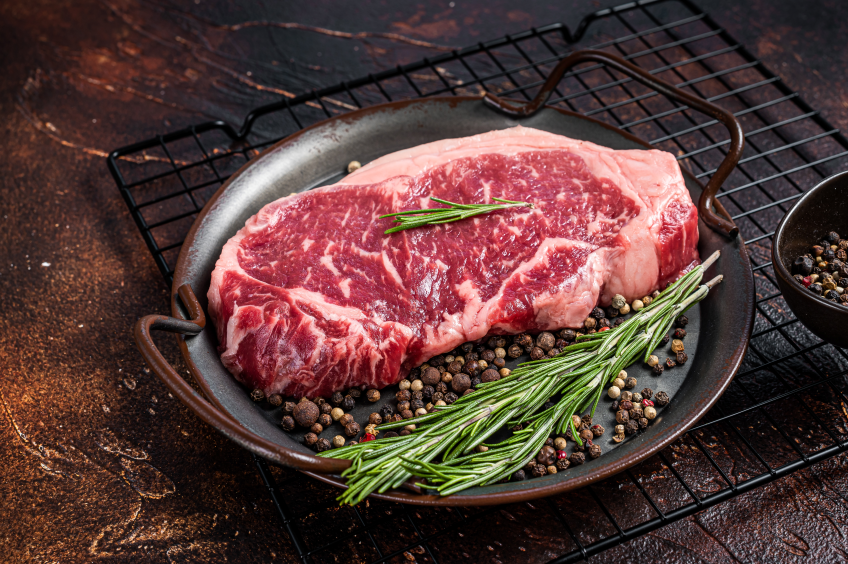


 The New York strip steak comes from the short loin section of the cow and offers a balance of tenderness and beefy flavor that makes it a popular choice for stovetop cooking. Understanding the cut’s characteristics and thickness helps you achieve the best results.
 Proper preparation determines whether your New York strip steak develops a restaurant-quality crust and maintains its juicy interior. These three steps create the foundation for perfectly cooked meat.
 Pan-searing a 1-inch New York strip steak requires precise timing and temperature monitoring to achieve your preferred doneness. The cooking time ranges from 6 to 14 minutes total depending on how you like your steak cooked.
 Pan searing a 1-inch New York strip steak requires proper heat management and timing to develop a caramelized crust while maintaining a juicy interior. The process involves three critical phases that determine the final quality of your steak.
 After removing your steak from the stovetop, the internal temperature continues to rise while the meat fibers relax and reabsorb moisture. Cutting into the meat immediately causes juice loss, while proper resting and slicing techniques preserve flavor and tenderness.


