How Do You Grill Fish Without Flipping? Expert Guide & Tips
Grilling fish without flipping protects delicate fillets from breaking apart while still cooking them evenly all the way through. Many home cooks avoid grilling fish because they worry about it sticking to the grates or falling apart when they try to turn it.
The no-flip method solves both problems by cooking the fish skin-side down on a hot, well-oiled surface until the flesh turns opaque and fully cooked.
You can grill fish without flipping by placing skin-on fillets on a preheated, oiled grill or grill pan and cooking them only on the skin side until the flesh is opaque two-thirds of the way up and reaches an internal temperature of 140 to 145°F.
This technique works best with firm white fish like cod, halibut, sea bass, or snapper that hold their shape during cooking.
This guide will walk you through the complete process, from selecting the right type of fish to mastering the cooking technique. You’ll learn what equipment makes the job easier, how to prevent sticking, and ways to add flavor that complement your perfectly grilled fish.
Benefits of Grilling Fish Without Flipping
Grilling fish without flipping protects delicate flesh while creating more consistent results. This method reduces handling, maintains structural integrity, and produces restaurant-quality presentation with less effort.
Preserving the Shape and Texture
When you grill fish without flipping, you eliminate the primary cause of broken fillets and torn flesh. Fish contains less connective tissue than meat, making it fragile when exposed to heat and prone to breaking apart during handling.
The single-sided cooking approach allows proteins to set properly without disruption. As heat penetrates from below, the flesh firms up gradually, preventing the flaking and crumbling that often occurs when you attempt to flip delicate varieties like sole, flounder, or thin salmon fillets.
This technique also maintains moisture throughout the fillet. Direct contact with the grill grates on only one side means you lose less natural fat and liquid compared to traditional flipping methods. The result is fish that stays tender and juicy rather than dry and crumbly.
Thicker cuts like swordfish, tuna, and salmon steaks benefit particularly from this approach. The consistent heat application cooks these proteins evenly without compressing the flesh or disrupting the muscle fibers.
Simplifying the Grilling Process
Grilling fish without flipping cuts your active cooking time significantly. You place the fish on the grill once and leave it there until it reaches the proper internal temperature of 145°F, eliminating the need to monitor for the perfect flipping moment.
This hands-off approach reduces stress at the grill. You don’t need to worry about timing the flip, maneuvering a spatula under delicate flesh, or watching pieces fall through the grates. Instead, you can focus on preparing sides or monitoring temperature.
The method also decreases equipment needs. You won’t require specialized fish spatulas, grill baskets, or multiple utensils to manage the cooking process. A basic setup with aluminum foil, parchment paper, or a simple fish grate works effectively for most preparations.
Achieving Crisp Skin and Beautiful Presentation
Grilling fish without flipping creates superior skin texture when you cook skin-on fillets. The continuous contact with hot grill grates renders fat and crisps the skin thoroughly, producing a crackling exterior that rivals pan-seared results.
Your presentation improves dramatically with this method. The top surface remains unmarked by grill grates, giving you a clean, professional appearance with intact shape and visible seasonings. This matters especially when serving whole fish or presentation-side-up fillets at the table.
The unflipped surface also provides a better canvas for finishing touches. You can brush on glazes, add fresh herbs, or apply compound butter during the final minutes of cooking without worrying about these additions sticking to the grill. The result is grilled fish that looks as impressive as it tastes, with clear grill marks on one side and a pristine, well-seasoned top surface.
Choosing the Right Fish for No-Flip Grilling
Thicker, firm-fleshed fish hold up best when grilling without flipping, while delicate varieties require special handling techniques. Fish with skin intact provides a natural barrier that prevents sticking and helps maintain structure during cooking.
Firm-Fleshed Fish Varieties
Salmon ranks as the top choice for no-flip grilling due to its high fat content and dense texture. The fish maintains its shape throughout cooking and develops a crispy exterior while staying moist inside. A 1-inch thick salmon fillet typically requires 8-10 minutes on the grill without turning.
Tuna and swordfish work equally well for this method. Their meaty texture resists breaking apart, and their thickness allows for even heat penetration from one side. These fish should measure at least 1 inch thick at the thickest point to ensure proper cooking.
Halibut and mahi-mahi offer firm white flesh that handles direct heat effectively. Their lower fat content means you need to monitor cooking time more closely to prevent drying. Both fish benefit from a light coating of oil before grilling.
Delicate Fish: Special Considerations
Delicate fish like sole, flounder, and tilapia can succeed with no-flip grilling when you use protective measures. Place these thin fillets on aluminum foil or parchment paper to support their fragile structure. The paper creates a barrier between the fish and grill grates.
You should keep cooking temperatures slightly lower for delicate fish—around 350°F instead of 400°F. This gentler heat prevents the fish from overcooking on the bottom before the top finishes. Thin fillets cook in just 6-8 minutes total.
Cod and snapper fall into a middle category. They’re more delicate than salmon but firmer than sole. These fish work best when cut into thicker portions of at least ¾ inch.
Skin-On vs Skinless Fillets
Skin-on fillets provide the best results for no-flip grilling. The skin acts as a protective layer that holds the flesh together and creates a crispy texture. Place the fish skin-side down on the grill and leave it there for the entire cooking time.
Skinless fillets require extra care to prevent sticking and breaking. Oil both the grill grates and the fish thoroughly before cooking. Consider using a fish basket or grilling plank for added support.
The skin also helps conduct heat evenly through the fillet. When you remove the fish from the grill, the skin often releases cleanly from the grates, making it easier to transfer to a serving plate.
Essential Equipment and Tools
The right equipment makes grilling fish without flipping straightforward and prevents common problems like sticking or breaking. A fish grilling basket, proper spatula, and well-prepared grill surface are the three key elements you need.
Using a Fish Grilling Basket
A fish grilling basket holds your fish securely between two metal grates, eliminating the need to flip individual pieces. The basket design allows heat to reach both sides of the fish while keeping it intact and preventing it from falling through the grill grates.
Choose a basket with adjustable tightness to accommodate different fish thicknesses. Oil both the inside surfaces of the basket before placing your fish to prevent sticking. The basket’s handle lets you lift and check the fish without disturbing its position.
For delicate fillets or thinner fish like sole and flounder, baskets provide essential support. You can grill the fish entirely on one side or use the basket to distribute heat evenly without traditional flipping. Clean your basket immediately after use while it’s still warm to prevent buildup.
Selecting a Fish Spatula
A fish spatula features a thin, flexible blade that slides under delicate fish without tearing the flesh. The wide surface area supports the entire fillet when you need to lift or adjust it on the grill.
Look for a spatula with a slotted design that allows grease to drain away. The angled edge helps you get underneath the fish quickly, and the flexibility lets you follow the contours of your fillet. Some grillers use two spatulas simultaneously for extra support when handling larger or particularly delicate fish.
Metal fish spatulas work best for grilling since they can withstand high heat. The long handle keeps your hands away from the flames while giving you precise control.
Importance of Grill Preparation
Your grill grates must be clean, hot, and properly oiled before adding fish. Heat the grill to 350°F to 450°F and let the grates warm completely—this creates a non-stick surface through proper searing.
Use tongs to wipe the hot grates with paper towels soaked in cooking oil. Apply oil just before adding your fish, not during preheating, as the oil needs to be fresh. This coating prevents the fish proteins from bonding with the metal.
A wire brush removes old residue that causes sticking. For the no-flip method, focus your preparation on the primary cooking surface since the fish will remain in one position throughout cooking.
Step-by-Step Guide: How to Grill Fish Without Flipping
The no-flip method relies on controlled heat distribution and proper grill preparation to cook fish evenly from one side while the closed lid circulates heat around the entire fillet. This technique works best with fillets between 3/4 to 1 inch thick and requires attention to grill temperature and timing.
Preparing the Fish
Pat your fish fillets completely dry with paper towels before seasoning. Excess moisture creates steam that prevents proper searing and increases sticking. Bring the fish to room temperature for 15-20 minutes before grilling to ensure even cooking throughout.
Season both sides generously with salt, pepper, and a light coating of oil. The oil creates a protective barrier between the fish and grill grates. For delicate white fish like cod or halibut, use about 1 tablespoon of oil per pound.
Leave the skin on when possible. The skin acts as a natural barrier that protects the flesh and prevents it from sticking to the grill. Score the skin with shallow diagonal cuts if you’re using whole fish or skin-on fillets to prevent curling during cooking.
Preheating and Oiling the Grill
Heat your grill to 400-450°F for at least 10 minutes with the lid closed. A properly preheated grill creates an instant sear that minimizes sticking. Use a grill thermometer to verify the temperature rather than guessing.
Clean the grates thoroughly with a wire brush while they’re hot. Any residue from previous cooking sessions will cause your fish to stick.
Oil the grates immediately before placing the fish. Fold a paper towel into a small square, grip it with long-handled tongs, dip it in high-smoke-point oil (canola or grapeseed), and wipe the grates in long strokes. Repeat this process 2-3 times to build up a thin, even coating.
Positioning and Cooking Techniques
Place the fish skin-side down (or presentation-side up) directly on the grill grates at a 45-degree angle to the bars. This positioning creates attractive grill marks and provides more surface contact for stability. Close the lid immediately to trap heat and create an oven-like environment.
Set a timer for 8-10 minutes per inch of thickness measured at the thickest part of the fillet. A 3/4-inch fillet needs approximately 6-7 minutes, while a 1-inch fillet requires 8-10 minutes. The closed lid circulates heat around the fish, cooking the top while the grates cook the bottom.
Resist the urge to move or check the fish during cooking. Opening the lid releases heat and extends cooking time. The fish will naturally release from the grates when the proteins have cooked sufficiently and formed a proper crust.
Monitoring Doneness
Check internal temperature by inserting an instant-read thermometer horizontally into the thickest part of the fillet. Fish is safely cooked at 145°F, though some prefer tuna and salmon at 125-130°F for a medium-rare center.
Look for visual cues when the timer goes off. The flesh should appear opaque rather than translucent, and the fish should flake easily when tested with a fork at the thickest point. The edges will look cooked and slightly firm.
Use a thin metal spatula to gently test if the fish releases from the grates. Slide the spatula under the fish at a shallow angle. If it resists, cook for another 1-2 minutes and test again. Once released, lift the fish straight up and transfer it to a serving plate.
Preventing Sticking and Common Grilling Challenges
When grilling fish without flipping, preventing the fish from sticking to the grill becomes critical since you cannot easily reposition it. Proper preparation of both the fish surface and grill grates, combined with correct heat management, determines whether your fish releases cleanly or tears apart.
Properly Oiling Fish and Grill Grates
You need to oil both the fish and the grill grates before cooking. Brush the fish with a high smoke point oil like avocado oil, grapeseed oil, or refined coconut oil. These oils can withstand temperatures between 400-450°F without breaking down.
Apply the oil generously to all exposed surfaces of the fish. Let it sit for 5-10 minutes so the oil can penetrate the surface. This creates a protective barrier between the delicate fish flesh and the hot metal.
For the grill grates, use paper towels held with tongs to apply a thin, even layer of oil across the entire cooking surface. Do this right before placing the fish on the grill when the grates are already hot. The combination of oiled fish and oiled grates significantly reduces sticking.
If you’re using a grilling basket or plank method for no-flip grilling, oil these surfaces thoroughly as well. The fish will still need its own oil coating even when using these tools.
Managing Heat Distribution
Direct high heat causes the fish to stick more readily and creates uneven cooking when you cannot flip. Set up a two-zone fire with direct heat on one side and indirect heat on the other.
Start your fish over direct heat for 2-3 minutes to create initial searing. Then move it to the indirect zone to finish cooking through. This prevents the bottom from burning while the top remains undercooked.
Monitor your grill temperature carefully. Fish cooks best between 375-425°F. Too hot and the proteins bond aggressively to the grates. Too cool and the fish steams rather than grills, making it soggy and prone to falling apart.
Handling Different Grill Types
Gas grills give you precise temperature control, making them ideal for no-flip fish grilling. Preheat all burners on high, then turn off burners on one side to create your indirect zone. Place your fish on the cooler side and close the lid.
Charcoal grills require more attention to heat zones. Bank all coals to one side of the grill. Place your fish on the grate opposite the coals. Add wood chips for smoke if desired, but keep them away from directly under the fish.
Pellet grills maintain steady temperatures automatically and work well for skin-on fillets or planked fish. Set the temperature to 400°F and position fish away from the direct flame path.
Using a Griddle Pan
If you don’t have access to an outdoor grill, you can also use a griddle pan for cooking fish. A griddle pan can provide similar results with the convenience of indoor cooking. Simply preheat the griddle pan over high heat, clean and oil it as you would with a grill, and cook the fish as desired.
This method allows for great versatility and control, making it a valuable alternative for grilling fish.
The Sensarte Nonstick Grill Pan is a versatile 11-inch griddle perfect for indoor or outdoor cooking. Its large square surface lets you grill fish, meats, and vegetables with ease, delivering delicious results without an outdoor grill.
Featuring a durable nonstick coating and convenient pour spouts, this pan ensures effortless food release and easy cleanup. It’s PFOA-free, making it a healthier choice for everyday cooking.
Ideal for everything from seared steaks to pancakes, the Sensarte grill pan combines a big cooking surface with reliable heat distribution. Whether on the stove or over an open flame, it’s a practical and flexible addition to any kitchen.
Flavoring and Serving Ideas for No-Flip Grilled Fish
No-flip grilled fish benefits from bold seasonings that penetrate the flesh and complementary sides that balance its delicate texture. The key is choosing flavors that enhance without overpowering and selecting accompaniments that create a complete meal.
Seasoning and Marinades
Old Bay seasoning works exceptionally well on white fish varieties, providing a classic seafood flavor profile with paprika, celery salt, and black pepper. Apply it generously before grilling for maximum impact.
For grilled salmon, you can use a simple combination of olive oil, minced garlic, lemon juice, and fresh dill. This mixture should sit on the fish for 15-30 minutes before grilling to allow flavors to absorb.
Compound butter adds richness and moisture to any grilled fish. Mix softened butter with herbs like parsley, tarragon, or chives, plus minced garlic and lemon zest. Place a pat on top of the fish during the last minute of cooking or immediately after removing from heat.
Cajun spice blends create a spicier option with cayenne, garlic powder, and thyme. Asian-inspired marinades using soy sauce, ginger, and sesame oil pair well with tuna and mahi-mahi.
Recommended Side Dishes
Cilantro lime rice complements grilled fish perfectly by adding brightness and a subtle citrus note. The fresh cilantro and lime juice cut through the richness of oily fish like salmon.
Grilled vegetables match the cooking method and provide color contrast on the plate. Zucchini, bell peppers, and asparagus work particularly well since they cook in similar time frames.
A light green salad with vinaigrette balances heavier fish preparations. Arugula with lemon dressing or mixed greens with cucumber and tomatoes keep the meal fresh and light.
Roasted potatoes or sweet potato wedges add substance for heartier appetites. You can season them with similar spices to create flavor continuity across the plate.
Serving Suggestions and Plating
Serve grilled fish immediately after it comes off the grill to maintain optimal temperature and texture. The fish should register 145°F internally and appear opaque throughout.
Garnish with fresh lemon wedges for guests to add brightness to their individual portions. Fresh herbs like parsley or dill sprigs add visual appeal and aromatic quality.
Place the fish on warmed plates to prevent rapid cooling. Position it slightly off-center with the best-looking side facing up, showing off any grill marks or caramelization.
For family-style service, transfer the fish to a large platter and surround it with grilled lemon slices. You can drizzle any remaining compound butter or sauce over the top just before bringing it to the table.
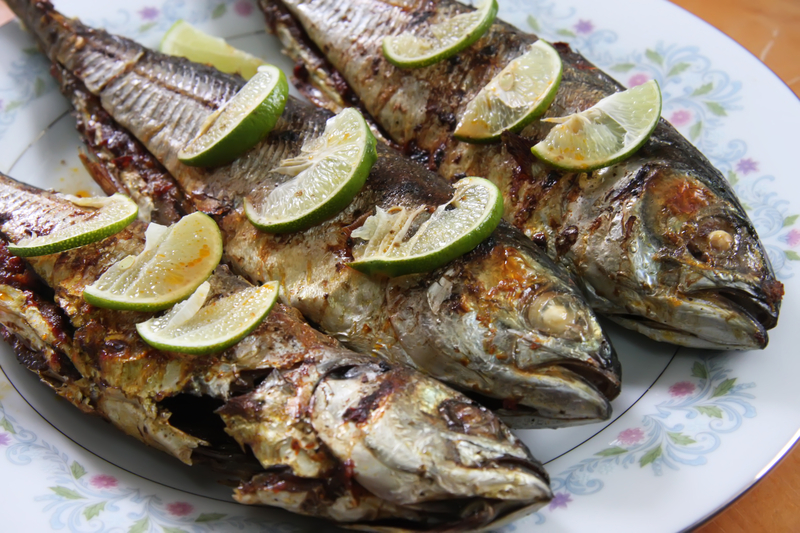


 Grilling fish without flipping protects delicate flesh while creating more consistent results. This method reduces handling, maintains structural integrity, and produces restaurant-quality presentation with less effort.
 Thicker, firm-fleshed fish hold up best when grilling without flipping, while delicate varieties require special handling techniques. Fish with skin intact provides a natural barrier that prevents sticking and helps maintain structure during cooking.
 The right equipment makes grilling fish without flipping straightforward and prevents common problems like sticking or breaking. A fish grilling basket, proper spatula, and well-prepared grill surface are the three key elements you need.
 The no-flip method relies on controlled heat distribution and proper grill preparation to cook fish evenly from one side while the closed lid circulates heat around the entire fillet. This technique works best with fillets between 3/4 to 1 inch thick and requires attention to grill temperature and timing.
 When grilling fish without flipping, preventing the fish from sticking to the grill becomes critical since you cannot easily reposition it. Proper preparation of both the fish surface and grill grates, combined with correct heat management, determines whether your fish releases cleanly or tears apart.
 If you don’t have access to an outdoor grill, you can also use a griddle pan for cooking fish. A griddle pan can provide similar results with the convenience of indoor cooking. Simply preheat the griddle pan over high heat, clean and oil it as you would with a grill, and cook the fish as desired.
 No-flip grilled fish benefits from bold seasonings that penetrate the flesh and complementary sides that balance its delicate texture. The key is choosing flavors that enhance without overpowering and selecting accompaniments that create a complete meal.


