How Long to Grill Burgers on Charcoal? A Guide to Perfectly Cooked Burgers
Grilling burgers on charcoal creates that smoky flavor and char you can’t get from a gas grill. But timing matters when you want juicy patties that aren’t raw in the middle or dried out.
For a standard ¾-inch thick burger patty, you’ll need to sear each side for 4 to 5 minutes directly over medium heat coals at around 400°F, then move the burgers to indirect heat until they reach an internal temperature of 160°F.
The total cooking time usually runs 8 to 10 minutes, though this changes based on your patty thickness and how hot your coals are.
Getting your burgers right means understanding more than just time on the grill. You’ll need to know how to set up your charcoal for the best heat, how to form and season your patties, and what techniques keep your burgers from drying out or sticking to the grates.
Grilling Time for Burgers on Charcoal
Grilling burgers on charcoal requires precise timing to achieve the right level of doneness without drying out the meat. Your cooking time depends on how thick your patties are and what internal temperature you want to reach.
Grilling Time by Level of Doneness
Cook your burgers based on the internal temperature you want to achieve. For medium-rare burgers, grill for 3-4 minutes on the first side and 3 minutes on the second side to reach 130-135°F.
Medium burgers need 4-5 minutes per side to reach 140-145°F. Medium-well burgers require 5-6 minutes per side for 150-155°F. Well-done burgers take 6-7 minutes per side to reach 160°F or higher.
Flip your burgers only once during cooking. Pressing down on the patties forces out juice and creates a drier burger. Add cheese during the last minute of cooking if you want a cheeseburger.
How Burger Thickness Affects Timing
The thickness of your patties changes how long they need on the grill. Standard 6-8 ounce burgers that are about 3/4 inch thick follow the timing guidelines above.
Thicker patties over 1 inch need more time to cook through. Add 1-2 minutes per side for every extra 1/4 inch of thickness. Thinner patties cook faster and may only need 2-3 minutes per side.
Your grill’s heat level also impacts timing. Hot coals create higher temperatures that cook faster than medium coals. Always check early to prevent overcooking.
How to Use a Meat Thermometer Accurately
Insert your meat thermometer into the center of the patty from the side. Push it horizontally into the thickest part without touching the grill grate. This gives you the most accurate internal temperature reading.
Check the temperature about 1 minute before the expected finish time. Using a meat thermometer removes the guesswork and guarantees a juicy burger every time. Visual cues alone can mislead you about doneness.
Setting Up Your Charcoal Grill
Proper grill setup determines cooking consistency and flavor development. The choice between charcoal types, lighting method, and heat zone configuration directly affects your burgers’ final quality.
Choosing Between Lump Charcoal and Briquettes
Lump charcoal burns hotter and faster, reaching temperatures around 1,000°F. It’s made from hardwood pieces with no additives, which produces a cleaner smoky flavor. You’ll need to add more charcoal during longer cooking sessions since it burns out quickly.
Charcoal briquettes maintain steady temperatures between 400-600°F for extended periods. They contain compressed sawdust and binders that create consistent heat output. This makes them better for controlling grill temperature when you’re cooking multiple batches of burgers.
For grilling burgers, briquettes offer better temperature control and longer burn times. Choose lump charcoal only if you prefer intense heat for quick searing or want a stronger wood-smoked taste.
Lighting Methods: Chimney Starter vs. Lighter Fluid
A chimney starter lights charcoal evenly without chemical flavors. Fill the cylinder with your charcoal, place crumpled newspaper or fire starters underneath, and light it. The coals turn gray with white ash in 15-20 minutes, indicating they’re ready.
Lighter fluid requires you to douse unlit charcoal, wait 30 seconds for absorption, then ignite. This method adds 5-10 minutes to your prep time as the fluid must burn off completely. Any residual petroleum taste will transfer to your burgers.
Use a chimney starter for consistent results and clean flavor. It eliminates the risk of fuel contamination and provides more reliable ignition.
Creating a Two-Zone Fire Setup
A two-zone fire setup divides your grill into high-heat and low-heat areas. After your coals ash over, push them all to one side of the grill using long tongs. This creates direct heat for searing and indirect heat for finishing.
The direct heat zone reaches 450-550°F and chars the burger exterior. The indirect zone stays around 250-350°F for cooking through without burning. You can move burgers between zones based on thickness and desired doneness.
This configuration prevents flare-ups by giving you an escape area when fat drips cause flames. It also lets you manage different doneness levels simultaneously by positioning burgers in the appropriate zone.
Prepping and Seasoning Burger Patties
The quality of your burger patties determines the final result on the grill. Ground beef selection, proper forming technique, and strategic seasoning create the foundation for juicy burgers with maximum flavor.
Selecting the Right Ground Beef
Ground chuck with an 80/20 meat-to-fat ratio delivers the best results for grilled burgers. The 20% fat content keeps burger patties moist during high-heat cooking and prevents them from drying out.
Leaner options like 90/10 ground beef produce drier burgers that lack flavor. The fat renders during grilling, creating natural juices that keep the meat tender. Ground sirloin works as an alternative, but it contains less fat and requires careful monitoring.
Buy fresh ground beef from a butcher or meat counter rather than pre-packaged options when possible. Fresh meat gives you better control over quality and ensures the beef hasn’t been sitting for extended periods.
Forming Patties for Even Cooking
Shape each patty to about ¾-inch thick for consistent cooking times on charcoal grills. Use roughly 6 ounces of ground beef per burger patty, which equals about the size of a tennis ball.
Press a shallow indent into the center of each patty using your thumb. This dimple prevents the burger from puffing up into a dome shape during grilling. The indent should be about ½-inch deep and 2 inches wide.
Handle the meat gently when forming burger patties. Overworking or compressing the ground beef creates dense, tough burgers instead of tender ones. Form the edges slightly thicker than typical to maintain structure, and keep all patties uniform in size and thickness.
Essential Burger Seasonings
Apply kosher salt and black pepper to both sides of each patty right before grilling. Use about ½ teaspoon of kosher salt per patty and ¼ teaspoon of black pepper for basic seasoning that enhances the beef flavor.
Garlic powder and onion powder add depth without moisture that could affect the sear. Mix ½ teaspoon of each per pound of meat, or sprinkle them directly on the patty surfaces. Some grillers add 1-2 teaspoons of Worcestershire sauce per pound of ground beef for umami flavor, but this works best when mixed into the meat before forming.
Season generously but avoid adding salt too early. Salt draws moisture out of the meat, which can dry out your burgers if applied more than 10 minutes before cooking.
Mastering the Grill: Techniques for Perfect Burgers
Charcoal grilling demands precise heat management and minimal handling to develop a proper crust while maintaining moisture. Strategic use of heat zones and controlled flipping creates the signature char and flavor that defines quality grilled burgers.
Searing Over Direct Heat
Position your burgers directly over hot charcoal to start the cooking process. This high-heat zone should reach 450 to 500°F for optimal searing.
The direct heat triggers the Maillard reaction, which creates the brown crust and rich flavor on your burger’s surface. Place your patties on the grate and leave them undisturbed for the recommended time based on your target doneness.
Key searing times for 1-inch patties:
Rare: 2 minutes per side
Medium-rare: 2.5 minutes per side
Medium: 3 to 3.5 minutes per side
Well-done: 4 to 4.5 minutes per side
The charcoal provides consistent radiant heat that gas grills cannot replicate. Never press down on the burgers during this phase, as you’ll squeeze out the juices that keep them tender.
Finishing with Indirect Heat
Move thicker patties to a cooler zone after searing to finish cooking without burning the exterior. This two-zone method gives you complete control over internal temperature.
The indirect heat zone sits away from the charcoal, creating an area around 300 to 350°F. Thicker burgers benefit most from this technique, as they need extra time to reach safe internal temperatures without charring.
Use a meat thermometer inserted horizontally into the thickest part of the patty. Pull burgers at 125°F for rare, 135°F for medium-rare, 145°F for medium, and 160°F for well-done. The temperature will rise another 5 degrees during resting.
Flipping and Handling Tips
Flip your burgers only once during the grilling process. Multiple flips slow down cooking and prevent proper crust formation.
Wait until the first side develops visible char marks before flipping. Use a wide spatula to support the entire patty and flip with a quick, confident motion. Avoid rotating or shifting the burger on the grate between flips.
Handle the raw patties gently before grilling to prevent dense, tough texture. Season with salt and pepper just before placing them on the grill, not earlier. Let the burgers rest for 2 to 3 minutes after removing them from heat to allow juices to redistribute throughout the meat.
Achieving Burger Perfection: Finishing Touches
Properly toasting buns, resting your burgers, and selecting toppings transform a good burger into an exceptional one. These final steps require the same attention as grilling the patty itself.
How to Toast Burger Buns on the Grill
Toasting burger buns directly on your charcoal grill adds texture and prevents soggy sandwiches. Place the buns cut-side down on the cooler zone of your grill during the last 1-2 minutes of burger cooking time.
Watch the buns carefully as they can burn quickly. You want a light golden-brown color with slight char marks. The heat caramelizes the natural sugars in the bread, creating a crispy surface that holds up against juices and condiments.
For enhanced flavor, brush the cut sides with melted butter or olive oil before toasting. This creates a richer taste and helps achieve more even browning. Remove the toasted buns immediately when they reach your desired color to prevent over-charring.
Resting and Building Your Burger
Remove burgers from the grill when they reach 5°F below your target temperature, as carryover cooking continues after removal. Cover loosely with foil and let them rest for 3-5 minutes, allowing juices to redistribute throughout the patty.
Build your burger strategically to maintain structural integrity. Place the bottom bun on your plate first, then add any wet condiments like barbecue sauce or mayo to create a moisture barrier. Add the patty next, followed by cheese if you’re adding it post-grill.
Layer cold toppings on top of the hot patty to prevent the bottom bun from getting soggy. This placement keeps the structural foundation stable while you eat.
Classic and Creative Toppings
Classic toppings include lettuce, tomato slices, onions (raw, grilled, or caramelized), and pickles. These provide textural contrast and balance the richness of the beef. Fresh iceberg or romaine lettuce adds crunch, while pickles contribute acidity.
Raw onions offer sharp bite, whereas grilled onions provide sweetness. For creative variations, consider adding avocado slices, fried eggs, or sautéed mushrooms. Condiments range from traditional ketchup and mustard to barbecue sauce, aioli, or specialty sauces.
Cheese choices extend beyond American to include cheddar, Swiss, blue cheese, or pepper jack. Apply cheese during the final minute of grilling with the lid closed, or place it on the hot patty during resting to melt from residual heat.
Troubleshooting and Pro Tips for Charcoal Grilling
Mastering charcoal grilling requires addressing common problems and implementing proven techniques. Focus on temperature control and preventing flare-ups to achieve consistent, safe results every time you grill.
Avoiding Common Mistakes
Moving your burgers too early prevents proper searing and causes sticking. Wait 3-4 minutes before flipping to allow a crust to form. Press down on burgers while grilling releases juices and creates dry, tough patties.
Inconsistent coal distribution creates hot and cold spots that cook burgers unevenly. Spread coals evenly for direct heat or bank them to one side for two-zone cooking. Add too many burgers at once and you’ll drop the grill temperature significantly.
Opening the lid repeatedly causes temperature fluctuations and extends cooking time. Check your burgers only when necessary. Without a grill thermometer, you’re guessing at temperature and risking undercooked or burnt meat.
Failing to clean your grates before cooking leads to sticking and off flavors. Oil the grates after they’re hot, not before, to prevent smoking and potential flare-ups.
Ensuring Safe and Consistent Results
Place a grill thermometer at grate level to monitor actual cooking temperature, not just lid temperature. Your target range should stay between 350-400°F for burgers. Add 5-8 fresh coals every 30 minutes to maintain steady heat during longer cooking sessions.
Keep a spray bottle of water nearby to control flare-ups from dripping fat. Aim directly at flames, not the meat itself. Move burgers to the cooler zone if flare-ups persist.
Insert your meat thermometer horizontally through the side of the patty into the center. This method gives accurate readings without creating holes that leak juices. Let charcoal ash over completely before cooking—gray-white coals indicate they’re ready.
Position your grill away from structures and overhanging branches. Keep the area clear of flammable materials. Have baking soda on hand for grease fires, never water.
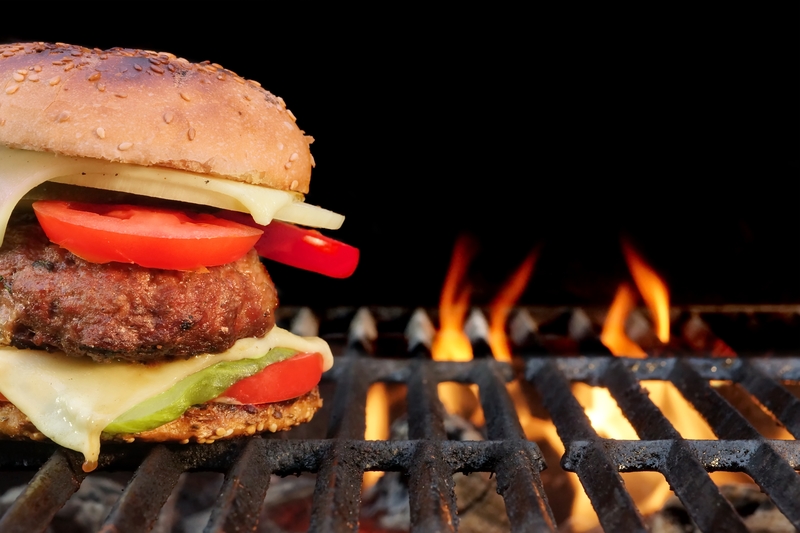


 Grilling burgers on charcoal requires precise timing to achieve the right level of doneness without drying out the meat. Your cooking time depends on how thick your patties are and what internal temperature you want to reach.
 Proper grill setup determines cooking consistency and flavor development. The choice between charcoal types, lighting method, and heat zone configuration directly affects your burgers’ final quality.
 The quality of your burger patties determines the final result on the grill. Ground beef selection, proper forming technique, and strategic seasoning create the foundation for juicy burgers with maximum flavor.
 Charcoal grilling demands precise heat management and minimal handling to develop a proper crust while maintaining moisture. Strategic use of heat zones and controlled flipping creates the signature char and flavor that defines quality grilled burgers.
 Properly toasting buns, resting your burgers, and selecting toppings transform a good burger into an exceptional one. These final steps require the same attention as grilling the patty itself.
 Mastering charcoal grilling requires addressing common problems and implementing proven techniques. Focus on temperature control and preventing flare-ups to achieve consistent, safe results every time you grill.


