Does Salmon Roe Have Heavy Metals? Safety, Risks & Nutrition
Salmon roe’s loaded with omega-3s, protein, and a bunch of important vitamins. But does it sneak in any heavy metals?
Yes salmon roe does have trace amounts of heavy metals like mercury and arsenic, but they’re usually pretty low—well under the safety limits set by food regulators.
Wild salmon roe tends to have a bit more than farmed, but both are considered safe if you eat them in normal amounts.
Heavy metals in seafood are a hot topic for anyone who cares about what goes into their body. Salmon roe actually fares better than a lot of seafood since salmon don’t sit high up on the food chain.
That means they pick up fewer toxins than those big predatory fish. Makes sense, right?
Understanding Heavy Metals in Salmon Roe
Salmon roe can pick up heavy metals from the environment and the food chain, but the levels usually stay below what regulators call dangerous. Which metals and how much? That depends on the salmon’s environment, what they eat, and whether they’re wild or farmed.
Sources of Heavy Metals in Salmon Roe
There are really two main ways heavy metals get into salmon roe: the water they swim in and the stuff they eat. If salmon live in polluted waters—think industrial muck or certain mineral-rich areas—they absorb metals right through their gills and skin.
Over time, those metals build up in their tissues. Diet matters, too. Wild salmon eat smaller fish and plankton, which might already have some metals. Farmed salmon? They get metals from their feed, which often includes fishmeal and fish oil made from smaller ocean fish.
Whatever metals salmon accumulate can end up in their eggs. Female salmon pack nutrients (and, unfortunately, contaminants) into their roe for the developing embryos. Salting and drying the roe can concentrate metals a bit more, just because there’s less water in the final product.
Types of Heavy Metals Detected
Mercury is the one people worry about most in salmon products. It shows up as methylmercury in the fish and roe. Wild salmon usually have higher mercury than farmed, with studies showing about 56.3 µg/kg in wild fish—farmed varieties are lower.
Arsenic also pops up, averaging around 2.56 mg/kg in wild salmon. Most of it is the less-dangerous organic type, not the really toxic inorganic stuff.
Other metals found in small amounts include:
Lead – Just trace amounts
Cadmium – Also low
Copper – You need some, but too much isn’t good
Zinc – Naturally in fish eggs
Nickel and Chromium – Barely there
Factors Influencing Heavy Metal Levels
Where the salmon comes from makes a big difference. Wild salmon from cleaner waters have a different contamination profile than those from industrial zones. Farmed salmon often have less mercury and dioxins since their feed is more controlled and less marine-based than wild diets.
How quickly salmon grow also matters, thanks to something called growth dilution. Farmed salmon grow fast, so metals get spread out over more body mass—lowering the concentration per kilo. Wild salmon grow slower, so they might end up with higher levels.
Farmed feed has shifted toward more plant-based ingredients, cutting down on pollutants like PCBs and dioxins that used to come from fish oil. These days, there’s less fish oil in the feed, which means less contamination compared to, say, 20 years ago.
Human health guidelines use something called TWI (tolerable weekly intake) to set safe limits. The European Food Safety Authority set a strict TWI for dioxins and dioxin-like PCBs at 2 picograms per kilogram of body weight per week. Still, salmon products—including roe—are well under the max levels for food safety.
Comparing Wild and Farmed Salmon Roe
Where your salmon roe comes from actually matters for heavy metal and contaminant levels. Wild and farmed roe each have their own patterns, thanks to different diets and environments.
Wild Salmon Roe: Heavy Metal Content
Wild salmon naturally pick up some heavy metals from the ocean. Studies say wild salmon usually have more cobalt, copper, and cadmium than farmed ones. That’s mostly from the food chain—plankton, small fish, krill, you name it.
But even then, the heavy metal levels in wild salmon roe stay within federal safety limits. Mercury and lead exposure from wild roe is pretty minimal.
The exact metal content can change depending on which ocean the salmon came from. Pacific species like coho and chum have slightly different profiles, just based on where they’ve been feeding.
Farmed Salmon Roe: Heavy Metal Content
Farmed salmon—raised in aquaculture—show a different pattern. Some studies find farmed salmon have higher organic arsenic than wild ones, probably because of the processed feed pellets.
Mercury and lead can show up in farmed roe if the fish eat feed made from fish by-products. The quality of that feed really matters. Lower-quality feed can mean higher heavy metals in the roe.
Still, none of the metal levels in farmed roe go over federal safety standards. If you’re picking from regulated farms, your risk is low.
Other Contaminants: PCBs and Dioxins
It’s not just metals—PCBs (polychlorinated biphenyls) and dioxins are worth a mention. Early research found farmed salmon had more of these industrial pollutants than wild ones, probably because of the processed feed.
Fish meal and fish oil in commercial feed can concentrate these pollutants, so farmed roe may have more. Wild roe tends to be lower in these contaminants, but it’s not zero.
Both wild and farmed salmon get exposed to industrial chemicals, depending on where they lived and what they ate. It’s kind of a mixed bag.
Health Risks and Regulatory Safety Standards
Regulatory agencies have set specific limits for heavy metals and other contaminants in seafood, salmon roe included. These standards are there to keep consumers safe, with regular testing and monitoring in place.
Safety Limits for Heavy Metals
The FDA and European Food Safety Authority both set max limits for heavy metals in fish roe. For mercury, the FDA says fish and seafood should have less than 1.0 parts per million (ppm). Salmon roe almost always comes in way below that.
Lead limits are set at 0.3 ppm for most seafood, and cadmium shouldn’t go over 1.0 ppm in roe (at least in the EU). These numbers are based on the tolerable weekly intake (TWI), which looks at long-term eating habits.
Regulators require regular testing of commercial salmon roe. Since salmon are lower on the food chain, their roe doesn’t build up as many heavy metals as bigger predator fish.
Health Impacts of Exposure
Too much mercury can mess with your nervous system, kidneys, and heart. Pregnant women and young kids are most at risk since mercury can affect brain development.
Lead exposure? That can cause blood pressure issues, kidney problems, and even reproductive trouble. Cadmium, if you get too much over time, isn’t great for your kidneys or bones either.
There’s also a microbial angle—raw or poorly processed roe can carry bacteria like Listeria monocytogenes. That’s especially risky for pregnant folks, the elderly, or anyone with a weaker immune system. Good food safety practices help keep that risk low.
Risk Assessment for Regular Consumers
If you stick to recommended serving sizes, your risk from salmon roe is low. Salmon’s short lifespan and diet mean they don’t build up a lot of toxins in their eggs.
Most health agencies actually put salmon roe in the “best choice” seafood category. You can safely eat 2-3 servings a week without getting anywhere near dangerous heavy metal levels.
Just buy from reputable sources that follow food safety rules. Commercial products get tested for metals and bacteria. Skip anything with weird additives or that’s been sitting out of the fridge—safety and quality matter.
Nutritional Benefits and Health Advantages
Salmon roe is kind of a nutritional powerhouse. It’s got loads of omega-3s, vitamins, and minerals that do your body all sorts of favors.
Key Vitamins and Minerals
One of the standouts: vitamin D. Salmon roe is one of the few foods that naturally packs a lot of it—just an ounce gives you a big chunk of your daily needs. That’s huge for bone health and your immune system.
There’s also a good dose of vitamin B12, which helps with red blood cell formation and keeps your nervous system humming. You need B12 for DNA, too.
On the mineral side, roe brings selenium (great for your thyroid and cell protection), phosphorus (bones), magnesium (energy), and iron (oxygen transport). Plus, smaller amounts of vitamin E, vitamin A, and zinc round things out.
Omega-3 Fatty Acids Content
Salmon roe has about 3.5 grams of omega-3s per ounce—more than you get from salmon meat itself. Most of those are EPA and DHA, the long-chain omega-3s your brain and heart really want.
DHA is especially important for cognitive health, and both EPA and DHA help lower blood pressure and inflammation. They can even cut your risk of blood clots.
The omega-3s in roe are mostly in the form of phospholipids, especially phosphatidylcholine. Some research suggests your body might absorb these more easily than other omega-3 sources, but honestly, the science is still evolving.
Role of Antioxidants and Astaxanthin
Astaxanthin is what gives salmon roe that wild red-orange color. It’s a super potent antioxidant, protecting your cells from oxidative stress and free radical damage. Supposedly, it even helps with eye health and might lower your risk of age-related macular degeneration.
Your skin can benefit, too—astaxanthin helps guard against UV damage. It works with vitamin E in roe to give your cells some extra backup. Together with selenium and omega-3s, you’ve got a solid antioxidant team in every bite.
All this makes salmon roe (or ikura, if you’re into Japanese food) a pretty nutrient-dense pick.
Balancing Benefits and Potential Risks
Salmon roe is packed with nutrition—omega-3s, protein, vitamins—but it’s smart to know how much to eat and what your own risk factors are if you want the benefits without worrying about heavy metals.
Optimal Serving Size and Frequency
A typical serving is about one tablespoon (16 grams), giving you roughly 1 gram of omega-3s, 40 calories, and 3 grams of protein. Not bad for such a small amount.
Most adults can eat 2-3 tablespoons per week to get the health perks, without getting close to any heavy metal limits. That lines up with general fish guidelines, but salmon roe is a bit more concentrated, so you don’t need a ton.
It’s low in carbs, so it fits a lot of diets, but you might want to watch the sodium. Depending on how it’s prepared, one tablespoon can have 240-420 mg of sodium. Cholesterol’s about 100 mg per tablespoon, still within safe limits for most people if you don’t go overboard.
Eating roe weekly at these levels is great for heart health, thanks to the omega-3s, and keeps heavy metal exposure way under the safety thresholds. Enjoy it, but maybe don’t eat the whole jar in one sitting.
Vulnerable Groups and Consumption Recommendations
Pregnant women, nursing mothers, and young kids really need to be a bit more cautious with salmon roe. Sure, the omega-3s are great for brain development, but these groups are also more vulnerable to heavy metals.
If you’re pregnant or breastfeeding, sticking to one tablespoon of good-quality salmon roe per week is considered safe. That way, you get the DHA and EPA for your baby’s brain without stressing about mercury.
For children under 12, half a tablespoon a week is the recommended limit. It’s enough for the benefits, but not so much that you need to worry.
People with heart conditions might actually benefit from a bit more—up to four tablespoons a week—because of those anti-inflammatory perks. Still, if you’re on blood thinners, it’s smart to check with your doctor since omega-3s can mess with clotting.
Interactions with Other Nutrients
Salmon roe’s nutrients tend to play well with others in your diet. Vitamin E from nuts or seeds helps keep those omega-3s stable, fighting off oxidation in your body.
If you eat salmon roe with foods high in vitamin D, you might notice better calcium absorption and stronger bones. The protein in roe also pairs nicely with complex carbs, helping keep your blood sugar on an even keel.
Iron and zinc from salmon roe get absorbed more efficiently if you throw in some vitamin C—think citrus or bell peppers. And if you’re keeping up with B vitamins from whole grains and greens, your brain’s likely to make better use of those omega-3s.
Purchasing, Storage, and Food Safety Tips
Buying salmon roe from sources you trust and storing it right is honestly half the battle. It keeps you safer from heavy metals and foodborne nasties.
Sourcing Salmon Roe Safely
Always go for salmon roe from suppliers that actually care about food safety. If you’re planning to eat it raw (like as ikura or caviar), check that it’s labeled safe for raw consumption.
Alaskan salmon roe is often a safer bet, since their fisheries have solid quality controls. Don’t be shy—ask your seller about heavy metal testing and where their roe comes from. Reputable caviar shops should have that info handy.
Check those labels for weird additives. Some roe has extra salt for preservation, while others might sneak in artificial colors or flavors. Fresh roe should smell like the ocean, not fishy or sour—trust your nose.
Skip salmon roe from sketchy vendors or unlicensed sources. The safety standards just aren’t there, and it’s not worth the risk.
Proper Storage and Handling
Keep unopened salmon roe in the coldest part of your fridge—think 28-32°F. Once you open it, try to finish it within two or three days, and always keep the container sealed tight.
If you need to store it longer, freezing works for up to six months. Use airtight or vacuum-sealed containers, and thaw it in the fridge, not on the counter.
Use clean utensils every time. Metal spoons can mess with the flavor, so stick with mother-of-pearl, plastic, or wood. Never leave roe out at room temp for more than a couple of hours.
Wash your hands well before handling. It helps keep bacteria like listeria out of your food.
Minimizing Exposure to Contaminants
Wild-caught salmon roe is usually your best bet for lower contaminants, since wild salmon are short-lived and eat lower on the food chain. That naturally limits heavy metals.
Don’t eat salmon roe every day. Mixing up your seafood choices helps lower your risk from any one source. Pregnant women and kids should stick to FDA seafood guidelines.
Keep roe separate from other foods in your fridge to avoid cross-contamination. Don’t let raw roe touch stuff like crackers or blinis until you’re ready to serve. Clean any surfaces or utensils that touch raw roe before using them for anything else.
Sustainability and Environmental Considerations
How salmon roe is harvested actually matters for the environment, and the impact depends on whether it’s wild or farmed. Each has its own set of challenges—habitat, resources, pollution, you name it.
Environmental Impact of Salmon Roe Harvesting
Wild salmon roe harvesting can put a dent in fish populations and mess with natural breeding cycles. If fisheries take salmon before they spawn, fewer eggs make it to the rivers, and that’s not great for wild stocks (which are already struggling in a lot of places).
Farmed salmon escaping into the wild can mix up the gene pool, weakening diversity. Plus, fish farms tend to create local pollution—waste and leftover feed can pile up on the ocean floor and lower oxygen levels, which hurts other marine life.
Salmon farming’s carbon footprint is partly about what they eat. Farms are moving toward more plant-based feeds to save wild fish, but that switch changes the fatty acid profile and maybe even contaminant levels of the roe you end up eating.
Aquaculture vs. Wild Harvest Sustainability
Farmed salmon actually gives you more food for every bit of resource you put in, compared to wild-caught. There’s also the bonus of a steady, year-round supply—no waiting on nature’s schedule or worrying about empty rivers.
Atlantic salmon farming has gotten a lot better at feed efficiency lately. They need less wild fish in the feed now than they did a decade ago, which is at least a step in the right direction.
Wild salmon harvesting, on the other hand, is tied to the health of ocean ecosystems and rivers. Overfishing is still a real problem in some places, even though plenty of fisheries have those strict quota systems in place.
Wild salmon have even more to deal with: habitat loss, dams popping up, and, of course, climate change making things unpredictable.
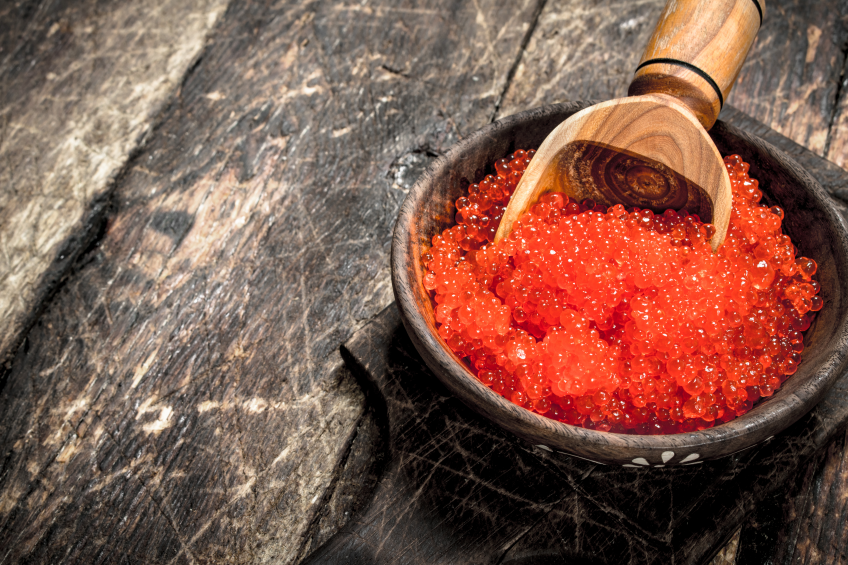

 Salmon roe’s loaded with omega-3s, protein, and a bunch of important vitamins. But does it sneak in any heavy metals?


