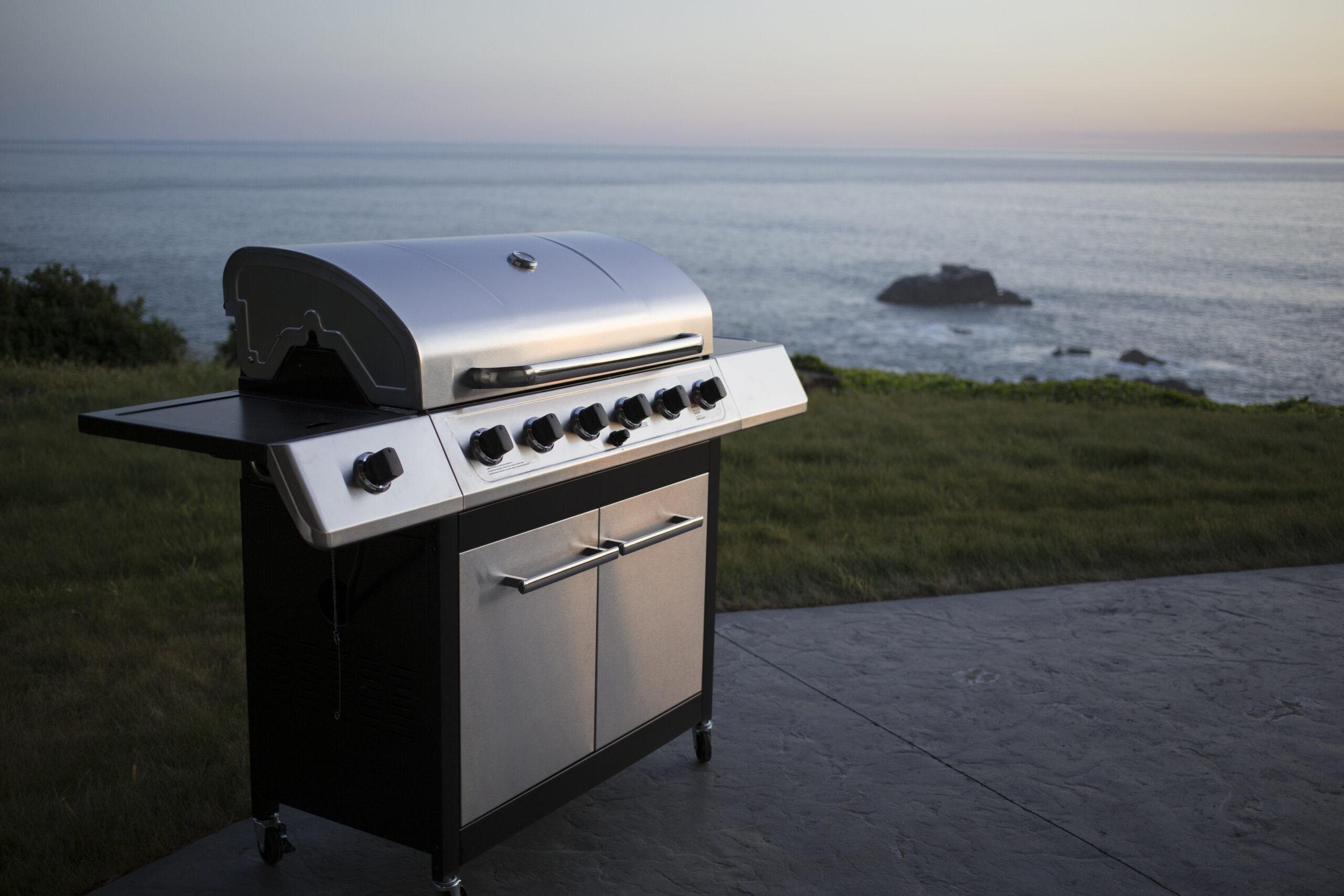
You clean your grill after every cookout, keep it covered, and still watch it rust and fall apart within a few years. Meanwhile, your neighbor is somehow still using the same grill they bought a decade ago. The difference isn’t luck—it’s about understanding what actually kills grills and how to prevent it.
Poor materials, lack of maintenance, and exposure to moisture and grease buildup cause most grills to fail early, not because they reached the end of their natural lifespan.
A basic gas grill might last 5-7 years, while a high-quality model can cook for 15 years or more. The gap between these numbers comes down to how the grill is built and how you care for it.
This article breaks down why grills don’t last, which parts fail first, and what you can do differently. You’ll learn the specific mistakes that cut grill life in half and how to spot a model that’s actually built to last.
How Long Should Grills Last?
Most gas grills last depending on materials and maintenance, while charcoal and ceramic models can exceed 15-20 years. Budget grills typically fail within 3-5 years, whereas high-end stainless steel models often reach 12-15 years or longer with proper care.
Average Grill Lifespan by Type
Gas grills average 5-7 years for mid-range models and 10-15 years for high-end stainless steel construction. Propane and natural gas versions share similar lifespans since the fuel type affects performance more than durability.
Charcoal grills last 10-15 years on average. Simple kettle-style designs lack electronic components that fail, so the firebox and grates determine total lifespan. Heavy-gauge steel models outlast thin painted versions.
Pellet grills typically last 6-10 years. The auger motor, control board, and igniter represent failure points that standard charcoal grills avoid. Electronics exposed to moisture and heat degrade faster than mechanical parts.
Electric grills last 5-8 years. Heating elements and wiring suffer from repeated thermal cycling. Indoor storage extends lifespan significantly compared to year-round outdoor exposure.
Ceramic and kamado grills can last 20+ years. The ceramic body resists rust and heat damage indefinitely, though you’ll need to replace gaskets, hardware, and grates periodically.
Difference Between Budget and High-End Grills
Budget grills under $300 use thin painted steel that rusts through in 3-5 years. Burners corrode quickly, ignition systems fail early, and spot welds break from heat stress. These models work for occasional use but lack materials for daily grilling.
High-end gas grills starting around $800-1000 use 304 stainless steel for burners, fireboxes, and frames. This grade resists corrosion in humid and coastal environments where budget grills fail rapidly. Cast stainless grates maintain heat better and last 5-7 years before replacement.
Premium models include thicker metal throughout the construction. A 16-gauge firebox outlasts 20-gauge alternatives by years. Better welds, sealed joints, and weather-resistant electronics reduce common failure points you’ll find in cheaper designs.
What Grill Warranties Really Mean
Grill warranties typically cover 1-5 years for components, with some manufacturers offering limited lifetime coverage on specific parts. Read the terms carefully since “lifetime” often means 10-15 years or requires registration within 30 days of purchase.
Burner warranties range from 3-10 years for stainless steel and 1-3 years for aluminized steel. This coverage protects against manufacturing defects but excludes corrosion from neglect or harsh climates.
Firebox and lid warranties span 5-15 years on high-end models. Budget grills rarely warrant these parts beyond 1-2 years. Rust-through coverage matters more than cosmetic surface rust, which most warranties exclude.
Warranties don’t cover normal wear items like grates, flavorizer bars, or ignition batteries. You’ll replace these parts every 2-5 years regardless of warranty length. Proper maintenance extends your grill beyond warranty periods more effectively than coverage terms alone.
The Key Reasons Grills Fail Early
Rust from poor materials, damage from improper use, or exposure to weather without protection cause most grills to fail before their time. These three factors account for the majority of early breakdowns.
Material Quality and Corrosion
Thin steel and low-grade metals corrode faster than stainless steel or ceramic. When manufacturers use painted steel or basic cast iron without protective coatings, rust starts within months of exposure to moisture.
Vulnerable grill parts include:
Burners (often the first to rust through)
Firebox and cooking chamber walls
Grates without porcelain or enamel coating
Frame and leg connections
Your grill warranty typically covers 1-3 years for basic models and 5-10 years for premium materials. But warranties rarely cover rust caused by neglect or storage issues.
Cast iron grates rust quickly without seasoning. Stainless steel resists corrosion better, but cheap grades (like 430 instead of 304) still pit and corrode in coastal or humid areas. Once rust reaches the firebox or burner tubes, you face expensive replacements and shortened grill lifespan.
Frequency and Method of Use
If you grill multiple times per week, you wear parts faster than with occasional weekend cooking. High-heat searing creates more stress on burners and grates than low-and-slow cooking.
Acidic marinades and sugary sauces speed up corrosion when left on surfaces. The combination of heat, grease buildup, and food acids eats through protective coatings on grates and flavor bars. Heavy use also clogs burner ports faster, which causes uneven flames and hot spots that warp metal components.
Your cooking style matters too. Constantly cranking all burners to maximum shortens their life compared to using moderate heat zones. Grease fires from full drip pans can warp or crack the firebox.
Environmental and Storage Conditions
Rain, snow, and humidity cut grill longevity in half without proper protection. Coastal air with salt accelerates rust on all metal surfaces, even stainless steel.
Leaving your grill uncovered year-round exposes it to moisture that seeps into burners, igniters, and electronics. Temperature swings cause metal to expand and contract, which weakens welds and connections. Winter freezing can crack porcelain coatings on grates and damage gas lines.
Storage factors that extend or shorten life:
Quality cover: Adds 3-5 years by blocking rain and UV damage
Garage or shed storage: Protects from direct weather exposure
Open patio: Full exposure reduces lifespan by 40-50%
UV rays from sun exposure fade paint and make plastic knobs brittle. Even high-quality grills deteriorate faster when stored outdoors in extreme climates without covers.
Critical Components That Wear Out
Grills fail when their core mechanical parts break down from heat stress, corrosion, and regular use. The burners, ignition systems, and cooking surfaces take the most punishment and typically need replacement before the grill’s outer structure shows significant wear.
Burners and Venturi Tubes
Burners fail when corrosion creates holes in the metal or when grease clogs the ports where flames emerge. Stainless steel burners last 10-15 years, while standard steel versions corrode in 5-7 years. You’ll notice uneven heating, yellow flames instead of blue, or weak heat output when burners wear out.
Venturi tubes connect your burners to the gas supply and mix air with fuel. These tubes collect spider webs, debris, and insect nests that block proper gas flow. When blocked, your grill produces weak flames or fails to light completely.
The burner ports clog with grease and carbon buildup during normal cooking. Salt air in coastal areas accelerates corrosion on all metal surfaces. Cast iron burners provide excellent heat but rust faster than stainless steel options without regular maintenance and protective coatings.
Igniter and Regulator Failures
Corrosion of the electrode tip or failed battery connections cause igniters to stop working. You need to replace batteries in battery-powered ignition systems every 1-2 years, while the entire igniter unit typically lasts 3-5 years. Moisture infiltration damages electronic components and creates weak sparks.
The regulator controls gas pressure from your tank to the burners. A failing regulator reduces heat output even when burners are clean and functional. You’ll notice your grill won’t reach high temperatures or maintains inconsistent flame levels.
Rubber diaphragms and springs inside regulators degrade over time. Temperature extremes crack or weaken these internal parts. Most regulators require replacement every 8-10 years, though weather and fuel quality can shorten this timeline.
Cooking Grates and Heat Deflectors
Cooking grates develop rust spots, lose their non-stick coating, and crack under thermal stress. Stainless steel grates last 7-10 years, while porcelain-coated options chip and fail in 5-7 years. Cast iron grates rust quickly without proper seasoning and storage.
Heat deflectors (also called flame tamers or flavorizer bars) sit between burners and cooking grates to distribute heat and protect burners from dripping grease. These parts corrode faster than other grill components because they handle direct flame contact and constant grease exposure. Most heat deflectors need replacement every 3-5 years.
Warped or cracked deflectors create hot spots on your cooking surface and increase flare-ups. Stainless steel deflectors resist rust better than ceramic or porcelain options but still deteriorate from repeated heating cycles.
How Grease and Buildup Shorten Lifespan
Grease buildup directly corrodes metal components and creates conditions that accelerate grill deterioration through repeated thermal stress and chemical reactions. When you don’t manage grease properly, it bakes onto surfaces and traps moisture against metal parts, leading to rust and premature failure of critical components.
Impact of Grease Trays and Grease Buildup
Your grease tray collects drippings during cooking, but when it overflows or isn’t emptied regularly, grease spreads to burners, heat shields, and the firebox bottom. This creates multiple problems for your grill’s longevity.
Baked-on grease acts as an insulator that traps heat against metal surfaces, causing warping and metal fatigue. The acids and salts in old grease also create a corrosive environment that eats through protective coatings and bare metal. When grease accumulates on burners, it blocks gas ports and creates uneven flame patterns that stress the metal unevenly.
A full grease tray also increases fire risk and causes flare-ups that damage internal components. The combination of high heat and corrosive residue can reduce your grill’s lifespan by several years compared to a properly maintained unit.
Flare-Ups and Their Dangers
Accumulated grease ignites suddenly during flare-ups, creating intense flames that exceed normal cooking temperatures. These temperature spikes can reach over 1,000°F and cause immediate damage to grates, burners, and heat shields.
Repeated flare-ups warp metal grates and cause paint to blister and peel from exterior surfaces. The intense heat degrades the protective porcelain coating on cast iron grates and accelerates oxidation of stainless steel components. Burner tubes exposed to frequent flare-ups develop hot spots that burn through the metal faster than normal wear.
Sudden temperature changes from thermal shock weaken metal through expansion and contraction cycles. Each flare-up event adds stress to already compromised components, creating a cascade of failures that shortens your grill’s functional life.
Uneven Heat and Hot Spots
Grease buildup on burners and heat shields creates hot spots by blocking proper heat distribution across the cooking surface. When gas ports become clogged with carbonized grease, some areas receive more fuel than others, leading to temperature variations of 100°F or more across your grates.
These hot spots cause localized overheating that warps grates and damages the areas directly above blocked burners. The uneven heating pattern forces certain burners to work harder to maintain temperature, increasing wear on those specific components while underutilizing others.
Hot spots also indicate that your grill is working inefficiently, which means you’re running it longer and at higher settings to compensate. This extended operation time accumulates more heat cycles and accelerates the degradation of all internal parts, reducing the overall lifespan of your grill by several years.
Maintenance Mistakes That Kill Grills
Poor maintenance practices destroy grills faster than age or frequency of use. The way you clean, inspect, and store your grill determines whether it lasts three years or fifteen.
Cleaning Habits That Extend or Shorten Life
Skipping post-cook cleaning creates grease buildup that corrodes metal and blocks burners. Brush cooking grates while they’re still warm and empty grease trays after every use.
Waiting weeks between cleanings allows food particles and fat to harden into acidic residue that eats through porcelain coatings and stainless steel. This damage starts on cooking grates and spreads to heat shields and burner tubes.
Daily cleaning should include:
Brushing grates with a wire or brass brush
Emptying grease collection systems
Wiping down the exterior
Deep clean every 4-6 uses to prevent permanent damage. Remove and soak cooking grates in warm soapy water. Scrape heat shields with a putty knife to clear carbonized grease. Check burner ports for clogs using a wire or paper clip.
Using the wrong cleaning products accelerates wear. Harsh chemicals strip protective coatings from porcelain grates. Abrasive pads scratch stainless steel, creating rough surfaces where rust forms.
Neglecting Key Grill Parts
Ignoring heat shields lets burners experience direct flame contact, which warps and corrodes the metal. Inspect these shields every season and replace them when holes or significant rust appear.
Burner tubes fail when grease, insects, or debris block the ports. Clogged burners create uneven heat and force the grill to work harder, reducing its lifespan. Remove and clean burners annually, clearing each port individually.
UV exposure and temperature cycling deteriorate gas connections. Check hoses for cracks, stiffness, or wear every three months. Apply soapy water to connections while the gas is on—bubbles indicate leaks that require immediate hose replacement.
Cooking grates rust when their coating wears through. Metal utensils or thermal shock chip porcelain-coated grates. After each deep clean, season cast iron grates with oil. Stainless steel grates last longest but still corrode when food acids sit on them.
Ignition systems stop working when grease covers electrodes or when you position them incorrectly. Clean the electrode tip and verify the gap between it and the burner measures 1/8 to 3/16 inch.
Improper Off-Season Storage
Leaving your grill uncovered exposes it to rain, snow, and UV radiation that breaks down seals and finishes. Water enters through vents and sits on burners, creating rust that spreads through the entire firebox.
Storing a grill with grease still inside attracts rodents and insects. Mice build nests in burner boxes and chew through gas lines. Spiders and wasps block burner ports, causing dangerous flashbacks when you restart the grill.
Proper storage requires:
Complete cleaning before covering
Disconnecting and storing propane tanks upright outdoors
Using a fitted, waterproof cover with ventilation
Positioning the grill on a level surface away from walls
Moisture trapped under covers without ventilation creates condensation that rusts internal components faster than direct rain exposure. Use a cover with vents that fits loosely enough for air circulation.
Extreme temperature swings crack porcelain and warp thin metal parts. Store your grill in a garage or shed when possible. If you must leave it outside, position it away from snow drifts and standing water.
High-quality grills like Weber Genesis or Napoleon Prestige models last 10-15 years with proper maintenance. Ceramic grills such as Big Green Egg or Kamado Joe regularly exceed 20 years because their thick walls resist corrosion and temperature damage.
Buying a Grill for Maximum Longevity
Material quality and construction determine how many years you’ll get from your grill. Spending more upfront on better materials and components typically extends service life from 5-7 years to 10-15 years or longer.
Evaluating Build Quality and Materials
Stainless steel grills with 304-grade components resist corrosion better than 430-grade or painted steel options. Check the thickness of the firebox and cooking grates—thicker materials withstand heat stress and physical wear longer.
Cast iron grates retain heat well but need regular seasoning to prevent rust. Stainless steel grates require less maintenance but may not distribute heat as evenly. Porcelain-coated grates offer a middle ground but chip over time, exposing metal to moisture.
Examine burner construction closely. Stainless steel or cast brass burners outlast aluminum or thin steel tubes by several years. Look for welded seams instead of crimped joints, which separate under repeated heating and cooling cycles.
Test lid hinges, handles, and control knobs before buying. Cheap plastic components fail within 2-3 years, while metal hardware lasts the life of the grill. Verify that replacement parts are available from the manufacturer for critical components.
Upgrade Options: Infrared and High-End Models
Infrared grills use ceramic or stainless steel emitters to radiate heat directly at food, reaching higher temperatures than standard burners. These systems reduce flare-ups and distribute heat more uniformly, which decreases stress on internal components.
High-end gas grills from brands like Weber Genesis, Napoleon, and Lynx feature double-walled hoods, commercial-grade burners, and lifetime warranties on major parts. These models cost $800–$3000 but typically last 12–20 years with proper care.
Premium grills include weather-resistant electronics, heavy-gauge steel frames, and Marine-grade stainless steel that handles coastal salt exposure. Built-in models with dedicated ventilation and proper installation last even longer than freestanding units.
A great example of a freestanding premium stainless steel grill is theLion L90000 40‑Inch Stainless Steel Propane Gas Grill On Cart. This model is constructed from 304 stainless steel throughout, including the exterior, cast stainless steel burners, and solid stainless grates — offering exceptional corrosion resistance and long-term durability against outdoor conditions.
It delivers roughly 90 000 BTUs of cooking power with five primary burners plus a 15 000 BTU infrared rotisserie back burner, giving both high heat for searing and an infrared option for slow-roasting. The freestanding cart configuration integrates storage drawers, doors, shelves, tool hooks, and locking casters for mobility, plus internal lighting and LED-backlit knobs for visibility during evening grilling.
Premium freestanding gas grills separate themselves through material quality, heat control, and long-term durability. High-end models use 304-grade stainless steel, double-walled hoods, and commercial-grade burners to resist corrosion and deliver consistent heat for years of use.
Here are some more examples of top-tier freestanding grills:
known for premium materials, strong heat performance, and long service life, the table below compares these grills, highlighting key differences in stainless steel quality, burner configuration, heat output, construction features, and overall longevity to help you quickly identify the best option for your outdoor cooking needs.
Match grill size to your actual cooking frequency rather than aspirational use. Larger grills require more maintenance and have more parts that can fail. A 3-4 burner model suits most households better than 6+ burner setups.
Consider your climate when selecting materials. Coastal areas demand 304 stainless steel throughout. Dry climates tolerate painted steel bodies with stainless cooking surfaces. In areas with harsh winters, you can benefit from models with easily removable components for indoor storage.
Charcoal grills like the Weber Original Kettle Premium Charcoal Grill can last 10-15 years because they lack complex mechanical parts. Gas grills offer convenience but introduce regulators, igniters, and burners that you may need to replace every 3-7 years depending on quality.

 You clean your grill after every cookout, keep it covered, and still watch it rust and fall apart within a few years. Meanwhile, your neighbor is somehow still using the same grill they bought a decade ago. The difference isn’t luck—it’s about understanding what actually kills grills and how to prevent it.
 Most gas grills last depending on materials and maintenance, while charcoal and ceramic models can exceed 15-20 years. Budget grills typically fail within 3-5 years, whereas high-end stainless steel models often reach 12-15 years or longer with proper care.
 Grills fail when their core mechanical parts break down from heat stress, corrosion, and regular use. The burners, ignition systems, and cooking surfaces take the most punishment and typically need replacement before the grill’s outer structure shows significant wear.
 Grease buildup directly corrodes metal components and creates conditions that accelerate grill deterioration through repeated thermal stress and chemical reactions. When you don’t manage grease properly, it bakes onto surfaces and traps moisture against metal parts, leading to rust and premature failure of critical components.
 Poor maintenance practices destroy grills faster than age or frequency of use. The way you clean, inspect, and store your grill determines whether it lasts three years or fifteen.
 Material quality and construction determine how many years you’ll get from your grill. Spending more upfront on better materials and components typically extends service life from 5-7 years to 10-15 years or longer.
 Match grill size to your actual cooking frequency rather than aspirational use. Larger grills require more maintenance and have more parts that can fail. A 3-4 burner model suits most households better than 6+ burner setups.


