At What Temperature Does Charcoal Catch Fire? Key Facts & Grilling Guide
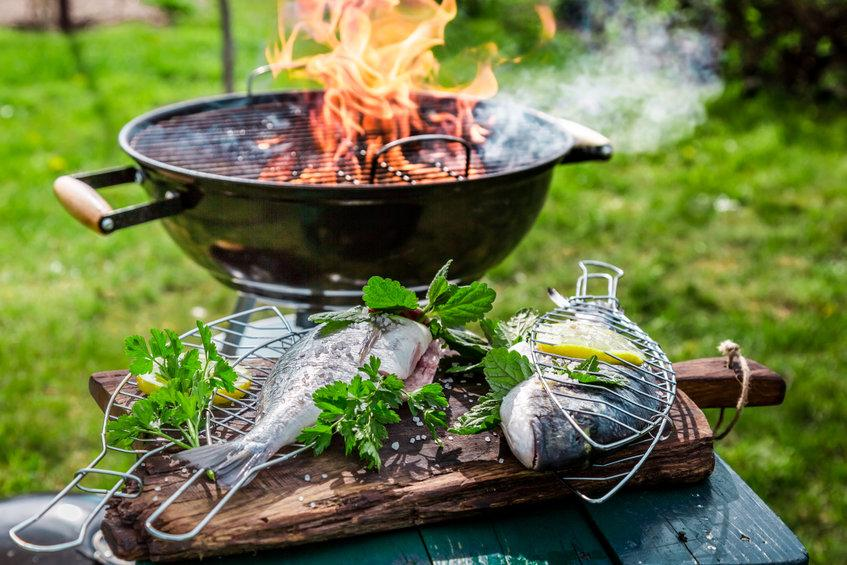
Charcoal doesn’t just burst into flames when you pour it into your grill. It needs to reach a specific temperature before it will catch fire and start producing the heat you need for cooking.
Charcoal typically catches fire at temperatures between 570°F and 750°F (300°C to 400°C), depending on the type and conditions.
Understanding this ignition point helps you light your grill more effectively and control your cooking temperature better.
The temperature at which charcoal ignites is different from how hot it burns once it’s lit. Many factors affect when your charcoal will catch fire, including the type you’re using, how much airflow it gets, and even the humidity in the air.
Knowing these details gives you better control over your grilling setup.
Understanding Charcoal Ignition Temperatures
Charcoal needs to reach specific temperatures before it starts burning on its own. The ignition process involves multiple stages, from the initial pyrolysis reactions to full combustion.
Understanding these temperatures helps you light your grill safely and efficiently.
Ignition Point of Charcoal
Charcoal typically ignites between 570°F and 750°F (300°C to 400°C) when exposed to an external heat source. This temperature range represents the point where the carbon in charcoal begins to react rapidly with oxygen and sustain combustion.
The exact ignition temperature depends on several factors. The charcoal’s density, moisture content, and particle size all affect when it will catch fire.
Lump charcoal often ignites at slightly lower temperatures than briquettes because of its higher porosity and irregular shape. Air circulation around the charcoal plays a major role in reaching ignition temperature.
More oxygen accelerates the heating process and helps the charcoal catch fire faster. This is why using a chimney starter with good airflow works better than trying to light a tightly packed pile of coals.
Differences Between Lighter and Autoignition Temperature
The lighter temperature is the minimum heat needed to ignite charcoal with an external flame or spark. For charcoal, this sits around 570°F to 750°F (300°C to 400°C).
You need a heat source like a match, lighter, or starter cube to reach this point. Autoignition temperature is higher at approximately 700°F to 800°F (370°C to 427°C).
This is when charcoal will spontaneously ignite without any flame or spark present. The material gets hot enough that it starts burning purely from ambient heat.
The difference between these two temperatures matters for safety. Once charcoal reaches lighter temperature with your starter method, it will continue burning as long as oxygen is available.
But charcoal won’t spontaneously catch fire in storage or normal conditions because it can’t reach autoignition temperature on its own.
How Pyrolysis Contributes to Combustion
Pyrolysis begins when charcoal reaches around 392°F (200°C). This chemical process breaks down the remaining organic compounds in the charcoal and releases volatile gases.
These gases are crucial because they ignite first and help raise the temperature of the solid carbon. The volatile gases burn between 480°F and 570°F (250°C and 300°C).
As they combust, they generate enough heat to push the charcoal surface past its ignition point. This creates a chain reaction where the burning gases heat more charcoal, which releases more gases.
Without pyrolysis, charcoal would be much harder to light. The released gases act as a bridge between your initial heat source and full combustion of the carbon.
This is why you might see small flames dancing above freshly lit charcoal before the coals themselves start glowing.
Color Indicators and Temperature Relationship
The color of burning charcoal tells you its approximate temperature. When charcoal first catches fire, it appears dull red, indicating temperatures around 900°F to 1,000°F (480°C to 540°C).
This is the starting point of visible combustion. As more oxygen feeds the fire, the coals turn brighter red and reach 1,000°F to 1,300°F (540°C to 700°C).
This color means the charcoal has fully ignited and is producing steady heat. You’ll see this stage when your chimney starter coals are ready to pour.
Bright orange coals signal temperatures between 1,300°F and 1,800°F (700°C and 980°C). At this point, the combustion process is running at full strength with maximum airflow.
The hottest charcoal appears orange-yellow or even white, reaching 1,800°F to 2,200°F (980°C to 1,200°C) or higher. Measuring charcoal temperature accurately requires an infrared thermometer pointed at the coal surface.
Grill dome thermometers only show air temperature, not the actual heat of the burning charcoal itself.
Types of Charcoal and Their Fire Catch Temperatures
Different types of charcoal ignite at different temperatures and burn differently once lit. Lump charcoal typically catches fire around 600-650°F, while briquettes need slightly higher temperatures of 700-750°F to ignite consistently.
Lump Charcoal Ignition and Peak Ranges
Lump charcoal ignites at approximately 600-650°F. This is pure carbonized wood with no additives or binders.
Once lit, lump charcoal reaches peak temperatures between 1,800°F and 2,000°F with good airflow. It lights faster than other types because of its porous structure and high carbon content.
The irregular shapes allow more oxygen to reach the fuel. You’ll notice lump charcoal responds quickly to vent adjustments.
It burns hot and fast but doesn’t last as long as briquettes. The ignition temperature stays consistent across different hardwood sources, though the peak heat can vary slightly based on wood density.
Charcoal Briquettes: Ignition Threshold and Stability
Charcoal briquettes catch fire at around 700-750°F. They need more heat to ignite because of the binders and additives mixed into their compressed form.
These briquettes burn at lower peak temperatures than lump charcoal, typically reaching 1,300-1,500°F. The uniform shape creates consistent heat output.
Briquettes contain wood byproducts, starch binders, and sometimes limestone or borax. The higher ignition threshold means you need a good starter method.
Once burning, briquettes maintain steady temperatures for longer periods. They respond slowly to airflow changes, which helps when you need stable heat for extended cooking.
Coconut Shell Charcoal Properties
Coconut shell charcoal ignites at temperatures similar to lump charcoal, around 600-700°F. This type comes from carbonized coconut shells rather than wood.
It burns cleaner than traditional charcoal and produces less ash. Peak temperatures reach 1,400-1,700°F with proper airflow.
The dense structure gives coconut charcoal a longer burn time than regular lump charcoal. You’ll find this type burns more consistently than wood-based lump charcoal.
It’s gaining popularity for its sustainability and performance balance between lump and briquettes.
Lump charcoal provides the highest heat but burns fastest. Briquettes offer the most stable and longest-lasting fire despite needing more initial heat to catch.
Coconut shell charcoal sits between the two, offering better burn time than lump while reaching higher temperatures than briquettes. Your choice depends on your cooking needs.
High-heat searing works best with lump charcoal. Long smoking sessions benefit from briquettes.
Coconut shell charcoal works well for medium-length grilling sessions where you want both heat and duration.
Key Factors Affecting When Charcoal Catches Fire
Several controllable variables determine when your charcoal will ignite and how quickly it reaches cooking temperature. Oxygen availability, how you arrange your coals, moisture content, and weather conditions all directly impact ignition time and charcoal temperature.
The Role of Airflow and Oxygen Availability
Oxygen is the most critical factor in charcoal ignition. Without adequate airflow, your charcoal will struggle to catch fire or may smolder instead of burning properly.
When you light charcoal, the combustion process requires a continuous oxygen supply. This is why chimney starters work so well—they create natural convection that pulls air up through the coals from the bottom.
The same principle applies to your grill vents. Opening your grill vents increases oxygen flow to the charcoal bed.
More oxygen means faster ignition and higher temperatures once the coals catch fire. Closed or partially closed vents restrict oxygen and can prevent charcoal from igniting at all.
Wind acts as a natural bellows. Light breezes can help ignition by feeding oxygen to the coals, but strong gusts can cause uneven burning or blow away lighter fluid vapors before they ignite.
Charcoal Arrangement and Heat Concentration
How you stack your charcoal before lighting it affects both ignition success and heat retention. Tightly packed coals can actually hinder initial ignition because air cannot circulate between pieces.
The best charcoal arrangement for ignition is loose and pyramid-shaped. This configuration allows air to flow through gaps between pieces while concentrating heat upward.
Each piece helps ignite its neighbors through radiant heat transfer. Once lit, your arrangement strategy shifts.
A compact pile retains heat better and maintains higher temperatures. Spreading coals out too early dissipates heat and can cause them to extinguish before they fully catch.
Different arrangements serve different purposes. Banking coals to one side creates heat zones, but always ensure at least partial contact between pieces so they continue to ignite each other during the process.
Moisture and Wet Charcoal Impacts
Wet charcoal is one of the most common ignition problems you’ll encounter. Water creates a barrier that prevents the charcoal from reaching its ignition temperature quickly.
Moisture must evaporate before charcoal can catch fire. This process absorbs energy that would otherwise go toward ignition, significantly extending lighting time.
Damp charcoal may smolder, produce excessive smoke, and fail to reach proper cooking temperatures. Store your charcoal in a dry location with a sealed lid.
Even charcoal that feels dry to the touch can absorb humidity from the air over time. If you suspect moisture contamination, spread the charcoal in direct sunlight for several hours before use.
Extremely wet charcoal may never ignite properly. The constant evaporation keeps the temperature too low for sustained combustion.
Environmental Influences: Weather and Wind
Temperature and humidity can change how quickly charcoal catches fire. Cold weather means you’re starting from a lower baseline, so it takes more energy to get charcoal ignited.
During winter, charcoal might take 30-50% longer to fully ignite compared to grilling in summer. The metal grill body acts as a heat sink, pulling warmth away from the coals.
You’ll probably need more starter fuel or a longer preheating time in colder conditions. High humidity works against you in a different way, similar to what happens with wet charcoal.
Moisture in the air settles on the charcoal, creating a thin barrier that has to evaporate before ignition. Dry, warm conditions are ideal if you want fast ignition.
Light wind can help by supplying fresh oxygen. Strong winds, though, might cool the charcoal surface too quickly or even blow away your starter fluid before you get a chance to light it.
Try positioning your grill to block excessive wind during the lighting phase.
Methods for Lighting Charcoal Safely and Efficiently
A chimney starter is widely considered the most reliable way to light charcoal. This approach avoids chemical additives and helps distribute heat evenly across all your coals.
Monitoring temperature with a grill thermometer helps you reach the right conditions for cooking.
Using a Chimney Starter
A chimney starter is essentially a metal cylinder that lights charcoal from the bottom up. Fill the top with charcoal, then place crumpled newspaper or a fire starter cube in the bottom chamber.
Light the newspaper through the vents at the base. Heat rises through the charcoal, igniting it from the bottom.
The design encourages natural airflow, so the coals ignite evenly. Within 15 to 20 minutes, the charcoal should be covered in gray ash, signaling it’s ready for cooking.
No lighter fluid is needed with a chimney starter, which keeps chemical flavors off your food and makes the process safer. When the coals are ready, pour them into your grill while wearing heat-resistant gloves.
Charcoal Chimney Techniques
Stacking charcoal properly in the chimney starter helps maximize airflow. For most grilling, fill the chimney about three-quarters full.
Overfilling restricts oxygen flow and slows down lighting. Always set the chimney on a heat-safe surface like concrete or a grill grate.
Avoid using it on wooden decks or flammable materials—the bottom gets extremely hot. Use two or three sheets of newspaper, wadded loosely, in the bottom chamber.
Compressed newspaper burns longer and steadier than tightly packed paper. Some people prefer natural fire starter cubes, which burn consistently for about 10 minutes.
Hold the chimney by its handle only, since the sides become dangerously hot. Wait until you see flames at the top before judging progress.
Grill Thermometers and Temperature Control
A grill thermometer tells you when your charcoal has reached the right temperature. Charcoal usually burns between 700°F and 1000°F when fully lit.
Your target cooking temperature depends on what you’re preparing. Insert a probe thermometer through the grill vents to check the internal temperature.
Most built-in grill thermometers measure the dome, which tends to run hotter than the cooking surface. A probe gives you more accurate readings at grate level.
Control temperature by adjusting the grill’s bottom and top vents. More oxygen means hotter fires; restricting airflow cools things down.
Spread the coals apart for lower heat or pile them together for higher heat. Wait until your thermometer reads the target temperature before adding food, which usually takes 25 to 30 minutes from lighting the chimney.
Controlling and Maintaining Optimal Grill Temperatures
Managing your charcoal grill’s temperature comes down to how you arrange your coals, where you place them, and how you use the lid. These techniques work together to give you more precise control over your cooking heat.
Two-Zone Setup for Heat Management
A two-zone fire creates two distinct cooking areas. Pile all the charcoal on one side, leaving the other side empty.
The side with charcoal becomes your direct heat zone, reaching 450-600°F. This area is best for searing steaks or getting grill marks on vegetables.
The empty side serves as your indirect heat zone, holding temperatures around 250-350°F for slower cooking. This setup lets you move food between zones as needed during cooking.
For example, you can sear a thick steak over direct heat, then slide it to the indirect side to finish without burning the outside. The two-zone method gives you flexibility to cook different foods at different speeds on the same grill.
Charcoal Placement for Desired Grill Temperature
Strategic charcoal arrangement is how you control grill heat. Spreading coals in a single layer provides moderate, even heat across the surface.
Stacking coals in a pyramid or mound generates higher temperatures, as the coals feed off each other’s heat. For lower temperatures, spread coals thinly or use fewer pieces.
The distance between coals and the cooking grate matters, although most grills keep this fixed. Adjustable grates let you raise food away from intense heat.
Keep extra charcoal handy during long cooking sessions. Adding 5-10 new briquettes every 30-45 minutes helps maintain consistent temperature.
Place new coals around the edges of the lit ones so they ignite gradually, avoiding temperature spikes.
The Role of Grill Lid and Heat Retention
The grill lid turns your charcoal grill into a kind of outdoor oven by trapping heat inside. Keeping the lid closed helps maintain stable temperatures and reduces cooking time.
Every time you open the lid, the temperature can drop 50-75°F and takes a few minutes to recover. This interrupts cooking and extends total time needed.
Check food only when necessary, closing the lid quickly after each look. Heat retention depends on your lid position and vent settings.
A closed lid with open vents keeps temperatures higher. Partially closing the top vent reduces heat but keeps smoke circulating.
The bottom vent controls oxygen flow to the coals—more oxygen means hotter fire, less oxygen means cooler temperatures.
Charcoal Grilling Safety and Best Practices
Safe grilling starts before you even light the first coal. Moisture affects ignition, proper storage prevents accidents, and picking the right fuel type impacts both safety and cooking results.
Precautions With Wet or Humid Charcoal
Wet charcoal can be unpredictable when you try to light it. Moisture trapped inside briquettes or lump charcoal can turn to steam, causing the coals to pop or crack.
These sudden reactions might send hot fragments onto nearby surfaces or even toward you. Damp charcoal takes much longer to light and won’t reach proper cooking temperatures.
You might feel tempted to add more lighter fluid to compensate, but that creates a serious fire hazard. Excess fluid can pool and ignite in large flames that are tough to control.
If your charcoal got wet, spread it out in direct sunlight for at least 24 hours before using. Make sure the pieces feel completely dry to the touch.
Charcoal that’s been soaked through may never dry properly and should be discarded instead of used.
Proper Storage to Prevent Unintended Ignition
Store charcoal in a cool, dry place away from any heat sources or open flames. Keep bags sealed tightly or transfer contents to a metal container with a secure lid.
Plastic containers can trap moisture and cause condensation. Never store charcoal near gasoline, lighter fluid, or other flammable materials.
Keep it at least 10 feet away from your house, garage walls, or wooden structures. While charcoal doesn’t spontaneously combust under normal conditions, poor storage near ignition sources increases risk.
Store charcoal away from areas where sparks might occur, like near power tools or electrical panels. Keep it off the ground on a shelf or pallet to prevent moisture from seeping up through concrete floors.
Choosing the Right Charcoal for Grilling
Charcoal briquettes offer consistent burn times and steady heat output. They’re manufactured in uniform shapes that stack well and provide predictable results.
Most briquettes contain binders and additives that help them maintain their shape and burn evenly. While some may not mind, others might hesitate because of these additives.
Lump charcoal lights faster and burns hotter than briquettes. It’s made from pure carbonized wood with no additives, which some grillers consider a plus for flavor.
Lump charcoal produces less ash. However, it burns less consistently and can require more attention during cooking.
Choose briquettes labeled as “natural” or “hardwood” if you want to avoid chemical additives. These cost a bit more but remove worries about binder residue affecting food taste.
For high-heat searing, lump charcoal gives you the temperature boost you need. For smoking or low-and-slow cooking, standard briquettes provide better temperature stability over several hours.

 Charcoal doesn’t just burst into flames when you pour it into your grill. It needs to reach a specific temperature before it will catch fire and start producing the heat you need for cooking.


