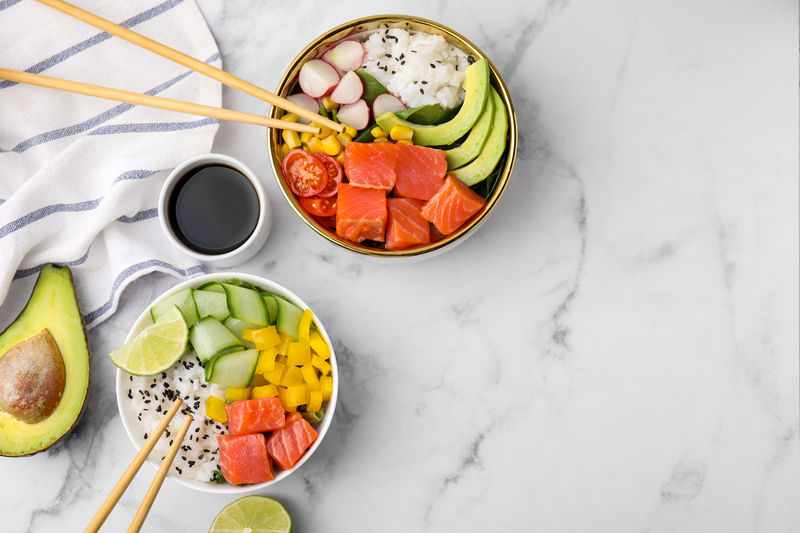
Is Poke Bowl Really Healthy? Nutrition, Risks & Smart Choices
Poke bowls can be a healthy meal—if you make thoughtful ingredient choices. They typically feature raw fish, rice, vegetables, and assorted toppings, but the nutrition can vary a lot based on what goes in your bowl.
At their core, poke bowls offer protein from fish, vitamins and minerals from vegetables, and carbohydrates from rice. But depending on your selections, you could also end up with high sodium from sauces and extra calories from oils or creamy dressings.
What you add to your poke bowl really matters. Ingredient choices affect calories, nutrients, and the overall healthiness of your meal. If you’re curious about the nutritional breakdown, potential risks, and how to make a poke bowl work for your goals, read on.
What Is a Poke Bowl?
A poke bowl is a Hawaiian dish made of cubed raw fish, rice, vegetables, and seasonings, all layered in a bowl. “Poke” (pronounced “poh-kay”) comes from the Hawaiian word for “to slice.”
Traditional Ingredients and Preparation
Classic Hawaiian poke starts with fresh, raw fish cut into cubes. Sushi-grade tuna is most common, but salmon and snapper are also used.
Authentic poke is seasoned simply—think sea salt, soy sauce, sesame oil, and sometimes crushed kukui or macadamia nuts. White rice is the traditional base.
Toppings tend to be minimal: green onions, seaweed, maybe some chili pepper. The idea is to let the fish shine, not overwhelm it with extras.
Modern Variations and Customization
Modern poke bowls are all about customization. Many restaurants let you pick your base—options like brown rice, quinoa, or mixed greens are common now.
Protein has expanded far beyond raw fish. You might find cooked shrimp, tofu, chicken, or plant-based proteins on the menu.
Toppings have exploded in variety: avocado, edamame, cucumber, pickled veggies, even crunchy bits like crispy onions or wonton strips. Sauces now range from soy and ponzu to spicy mayo or sweet teriyaki.
Nutritional Profile of Poke Bowls
Poke bowls provide a mix of protein, carbs, and fats. The exact nutrition depends on your specific choices—especially the base, protein, and toppings.
Macronutrients: Protein, Carbs, and Fats
Protein comes mainly from fish. A 4-ounce serving of salmon or tuna provides about 20-25 grams of protein. Imitation crab has less protein and fewer calories.
Carbohydrates are mostly from rice. White rice has about 45 grams of carbs per cup but little fiber. Brown rice offers the same carbs with 3-4 grams of fiber; quinoa has about 39 grams of carbs and 5 grams of fiber per cup.
Fats come from fish, avocado, and toppings. Salmon and other fatty fish supply omega-3s, which are good for your heart and brain. Avocado adds monounsaturated fats. Edamame offers a bit of healthy fat and protein. Toppings like sesame oil, nuts, and masago can significantly increase fat and calorie content, so it’s easy to go overboard if you’re not careful.
Micronutrients and Health-Boosting Compounds
Vegetables are the main source of vitamins and minerals in poke bowls. Carrots provide vitamin A; cucumber offers hydration and vitamin K; seaweed is rich in iodine, iron, and calcium.
Avocado brings potassium, folate, and vitamins E and K. Onions and radish add vitamin C and antioxidants.
Omega-3s from fish reduce inflammation, and these fish also deliver vitamin D and B vitamins, especially B12. Edamame supplies folate, vitamin K, and manganese.
Your base matters for micronutrients. Brown rice has more B vitamins and magnesium than white rice, while quinoa stands out for iron, magnesium, and zinc.
Key Health Benefits
Poke bowls can be nutrient-dense, thanks to their mix of protein, healthy fats, and fiber-rich vegetables. The fish delivers protein and omega-3s, while veggies offer fiber and antioxidants that help fight inflammation.
Rich in Protein & Omega-3s
Raw fish in poke bowls is a great source of complete protein. Salmon and ahi tuna provide all the essential amino acids needed for muscle repair and growth.
They’re also high in omega-3 fatty acids, which support heart health, help maintain healthy blood pressure, and play a role in brain function and mood.
Common protein choices:
Salmon: High in omega-3s, lower in mercury
Ahi tuna: Lean, still rich in omega-3s
Bigeye tuna: High protein, but also higher in mercury—maybe not the best everyday pick
Healthy fats in fish help your body absorb fat-soluble vitamins from veggies.
Abundance of Vegetables and Fiber
Poke bowls often include a variety of vegetables, which means more fiber and nutrients. Edamame adds plant protein and fiber, helping you feel full. Seaweed salad is a good source of iodine and minerals.
Avocado brings monounsaturated fats and potassium, both supporting heart health and blood pressure regulation.
Vegetable fiber slows digestion and helps stabilize blood sugar, preventing energy crashes. Plus, you get vitamins A, C, K, and minerals like iron and calcium.
Antioxidants and Probiotics
The colorful vegetables in poke bowls are packed with antioxidants that protect cells from damage and may reduce chronic disease risk.
Some bowls include fermented items like pickled veggies or kimchi, which provide probiotics—good bacteria for your gut. These can aid digestion and support your immune system.
Seaweed salad is unique for its antioxidants, different from those in land vegetables. The more variety in your veggies, the broader the range of protective nutrients.
Potential Health Risks and Concerns
Poke bowls aren’t always a perfect health food. Sodium from sauces, high calorie counts, mercury in certain fish, and the risks of raw seafood are all worth considering.
Sodium Content from Sauces and Toppings
Soy sauce is a major sodium source—one tablespoon has about 900 milligrams. Some bowls use even more, plus teriyaki, eel sauce, or spicy mayo, all of which add sodium.
High-sodium sauces:
Regular soy sauce
Teriyaki sauce
Eel sauce
Spicy mayo
Other mayo-based sauces
To cut sodium, opt for low-sodium soy sauce, tamari, ponzu, or coconut aminos. Asking for sauce on the side helps, too. Don’t forget, toppings like tempura flakes and crispy onions add extra salt.
Calorie Count and Portion Control
Poke bowls can range from 500 to over 1,000 calories, depending on the base, toppings, and sauces. Rice alone adds 200–300 calories per serving.
Oils and creamy sauces are calorie-dense—spicy mayo has about 100 calories per tablespoon, and sesame oil is around 120. Pre-assembled bowls often come with large portions, making it easy to overeat. Keeping portions modest, skipping fried toppings, and going light on sauces can help control calories.
Exposure to Mercury and Contaminants
Some fish used in poke bowls—like bigeye and ahi tuna—are higher in mercury. These fish accumulate mercury over time, which can be harmful if eaten frequently.
Mercury levels in common poke fish:
Fish Type
Mercury Level
Bigeye tuna
High
Ahi tuna (yellowfin)
Moderate to High
Salmon
Low
Snapper
Moderate
Mercury can damage your nervous system over time. If you eat poke bowls often, it’s smart to choose salmon or other lower-mercury fish.
Risks of Foodborne Illness
Raw fish can harbor bacteria and parasites that cause foodborne illness. Salmonella and other pathogens can survive in uncooked seafood, leading to nausea, vomiting, or diarrhea.
Pregnant or breastfeeding people, those with weakened immune systems, and young children or the elderly are at higher risk and should avoid raw fish. Even with fresh, well-handled fish, some risk remains. It’s important to buy poke from reputable places that follow food safety guidelines.
How to Build a Healthier Poke Bowl
The difference between a healthy poke bowl and a calorie bomb mostly comes down to your choices of base, protein, and sauce. Swapping wisely in these categories can cut hundreds of calories and boost nutrition.
Choosing the Right Base: Grains, Greens, and Alternatives
Mixed greens are the lowest-calorie base and offer the most vitamins and minerals per serving. You can pile them high without much concern for calories, making them ideal for nutrient density.
Brown rice is a solid choice if you want more fiber and longer-lasting fullness. It also brings B vitamins and minerals like selenium to the table.
Quinoa is worth considering for its complete protein content and lower impact on blood sugar compared to white rice. It’s a bit of a nutritional powerhouse, honestly.
Looking to cut carbs? Cauliflower rice is an easy swap, with only about 25 calories per cup—much less than the 200-plus you’ll get from white rice.
If you can’t decide between greens and grains, try mixing them. Combining brown rice with leafy greens gives you sustained energy from grains and a nutrient boost from vegetables.
Optimal Protein Choices: Fish, Plant-Based, and More
Sushi-grade tuna and salmon are top picks for protein. They’re rich in high-quality protein and omega-3 fatty acids, which are great for heart and brain health.
Wild-caught salmon usually has a better fatty acid profile than farm-raised, so keep an eye out for that option if available.
Shrimp and octopus are leaner protein alternatives. They offer plenty of protein with minimal fat, which is helpful if you’re watching calories.
For plant-based options, tofu absorbs marinades well and works as a versatile protein. Edamame brings both protein and fiber and can be tossed in as a topping for extra nutrition.
It’s best to skip spicy tuna or salmon mixes. These are often blended with mayo-based sauces that tack on unnecessary calories and fat. Stick with plain marinated fish for a cleaner bowl.
Sauce Selection and Portion Strategies
Sauce is where poke bowls can easily become calorie bombs. Creamy or sweet sauces can quickly add 300-500 calories, which is more than most people expect.
Low-sodium soy sauce, tamari, or coconut aminos are your best bets for flavor with minimal calories. Ponzu sauce is another good pick, offering citrus notes without added sugar or heavy fats.
Always ask for sauce on the side. This puts you in control—most places pour on far more than you need.
Sauce Type
Calories per 2 tbsp
Best Use
Ponzu
10-20
Everyday choice
Low-sodium soy
10-15
Light drizzle
Spicy mayo
100-140
Skip or use sparingly
Eel sauce
60-80
Occasional treat only
One tablespoon of sauce is usually enough. Mix your bowl well to distribute it evenly, and you’ll still get plenty of flavor.
Comparing Poke Bowls to Other Meals
A well-made poke bowl generally offers better portion control and nutrient balance than many popular lunch options. Customizing ingredients gives you more say over calories, protein, and sodium than you’d get from most restaurant meals.
Poke Bowls vs. Sushi Rolls
Poke bowls typically provide more protein and vegetables per serving compared to specialty sushi rolls. Sushi rolls are often heavy on white rice, with less fish and fewer vegetables.
To put it in perspective, a specialty roll may be 70% rice, 20% fish, and 10% vegetables. With a poke bowl, you can flip those ratios to get more fish and produce and less rice.
Sushi rolls sometimes hide calories in tempura, cream cheese, and mayo-based sauces—one roll can reach 500 calories or more. In a poke bowl, you see every ingredient and can choose what goes in.
Specialty rolls also tend to get topped with sweet glazes like eel sauce, which add sugar and sodium. These extras can go unnoticed unless you check the nutrition facts.
Poke Bowls vs. Fast Food and Other Bowls
A poke bowl with mixed greens, salmon, and vegetables usually lands around 400-600 calories. Compare that to a fast food burger meal with fries—those often hit 900-1,200 calories and offer far less nutritional value.
Against other bowls, poke is generally lighter than grain bowls packed with quinoa, cheese, and heavy dressings. It also beats most burrito bowls, which can top 900 calories thanks to rice, cheese, sour cream, and tortilla strips.
The quality of protein matters too. Fish provides omega-3s, which are hard to find in fast food proteins. These fats play a role in brain function and reducing inflammation.
Sodium is another consideration. Fast food meals can exceed 2,000mg of sodium per serving. With a poke bowl, you can usually keep it under 1,000mg by opting for low-sodium soy sauce and avoiding heavy marinades.
Tips for Customizing Poke Bowls for Dietary Needs
Poke bowls are highly adaptable. You can change the base, protein, toppings, and sauce to fit low-carb plans, avoid allergens, or go entirely plant-based.
Lower Carb and Grain-Free Options
Cauliflower rice is the best grain-free base for cutting carbs. It provides bulk without the starch of white or brown rice.
Leafy greens like spinach, kale, or romaine are another low-carb option. They add fiber and micronutrients without many calories or carbs.
Non-starchy vegetables can fill out your bowl—think cucumber, radishes, pickled vegetables, and seaweed salad. Edamame is a protein-rich topping that helps keep carbs in check.
Adding avocado gives you healthy fats that keep you full longer, which is especially helpful when eating fewer carbs.
For protein, choose fatty fish like salmon or tuna. These offer protein and omega-3s with zero carbs. Avoid sweet sauces and opt for lighter, sugar-free options.
Gluten-Free and Allergen-Friendly Choices
Most poke bowl staples—rice, fish, vegetables, and many toppings—are naturally gluten-free. This makes it easier to accommodate celiac disease or gluten sensitivity.
The main thing to watch is sauce. Regular soy sauce contains wheat, so ask for tamari or coconut aminos, both of which are gluten-free and taste similar to soy sauce.
Double-check that your protein wasn’t marinated in regular soy sauce. Some restaurants prep fish in advance using marinades that contain gluten.
Coconut aminos are also suitable for those avoiding soy entirely, making them a good option for multiple food sensitivities.
Imitation crab often contains gluten as a binder, so stick with real fish, tofu, or edamame. If you have severe allergies, ask about cross-contamination procedures before ordering.
Making Vegan or Vegetarian Poke Bowls
For vegan poke bowls, plant-based proteins like tofu and edamame step in for the fish. They offer a solid protein boost and essential nutrients, all without animal products.
Marinated tofu is a standout choice. It absorbs the sauce beautifully, bringing plenty of umami—honestly, you might not miss the fish.
Adding avocado gives you that creamy texture and healthy fats. It makes the bowl more filling, which is handy when you’re skipping seafood.
Seaweed salad is another smart addition. It delivers an ocean-like flavor, echoing traditional poke, and supplies minerals like iodine, which can be harder to get in vegan diets.
Don’t forget vegetables like cucumber, carrots, pickled vegetables, and green onions. They add crunch, color, and a good variety of nutrients.
For sauces, try tamari or coconut aminos—both are vegan-friendly. Watch out for creamy sauces, since many use mayo; oil-based dressings are usually a safer bet.