How Far Should a Built-In Grill Be from the House? Expert Distance & Safety Guidelines
Planning an outdoor kitchen with a built-in grill is an exciting project. It adds value and entertainment space to your home.
Before you start construction, you need to know the proper safety clearances.
Built-in grills should be placed at least 10 feet away from any structure, though some manufacturers allow a minimum of 3 feet in specific conditions.
The distance you choose matters more than you might think. Heat damage to your siding, smoke stains, and fire risks are all real concerns when a grill sits too close to your house.
Unlike portable grills that you can move around, a built-in unit stays in one spot permanently. Getting the placement right from the start is critical.
This guide covers recommended distances, safety considerations, and local regulations. You’ll find advice on balancing convenience with safety, plus some design strategies for a functional outdoor kitchen that also protects your home.
Recommended Safe Distance for Built-In Grills
Built-in grills need proper spacing from your house to prevent fire hazards, heat damage, and smoke staining. Most safety guidelines recommend at least 10 feet of clearance, though some grill manufacturers allow closer placement under specific conditions.
Industry Standard Guidelines
The U.S. Consumer Product Safety Commission (CPSC) recommends placing your grill at least 10 feet away from house walls and combustible structures. This applies to all grill types, including built-in models in outdoor kitchens.
Fire safety organizations support this 10-foot rule to protect your home from radiant heat and unexpected flare-ups. Many grill manufacturers specify a minimum of 3 feet in their manuals when adequate ventilation exists on all sides.
Your local building codes may have additional requirements for built-in grills. Check with your city or county before installing a permanent outdoor kitchen.
Some areas enforce stricter rules for gas lines and combustible materials. It’s worth double-checking before you get too far into planning.
Why 10 Feet Is the Common Rule
The 10-foot distance creates a safety buffer against several risks. Grills produce intense radiant heat that can warp or melt vinyl siding, even when flames stay controlled.
This spacing also prevents smoke from staining walls and building up under eaves. Flare-ups happen quickly when grease drips onto hot surfaces, and with 10 feet of clearance, you protect nearby structures from sparks and sudden flame increases.
This distance gives you time to respond if something goes wrong. Carbon monoxide is another concern withgas grills.
Poor ventilation near walls can trap these dangerous fumes. The 10-foot rule ensures proper airflow around your outdoor kitchen setup.
Variations by Grill Type
Gas and propane grills typically require 3 to 10 feet from combustible materials. Built-in models designed for outdoor kitchens may sit closer to walls if the manufacturer approves and you have open space on three sides.
Charcoal grills need the full 10-foot distance due to higher heat output and unpredictable ember behavior. These grills produce more smoke than gas models, so ventilation becomes even more critical.
Wood pellet grills fall between gas and charcoal requirements. They generate consistent heat but run for longer periods, which increases smoke exposure to nearby surfaces.
Plan for at least 5 to 10 feet of clearance when building your outdoor kitchen around a pellet grill.
Key Safety Reasons for Proper Grill Placement
Proper grill placement protects your home from fire damage and prevents dangerous gas buildup. It also helps maintain your property value and insurance coverage.
Preventing Fire Hazards and Siding Damage
Built-in grills generateintense heat that extends well beyond the cooking surface. Your grill can reach temperatures exceeding 500°F, and this heat can ignite nearby materials or damage your home’s exterior.
Materials at risk from grill heat include:
Vinyl siding (warps at 160°F)
Wood siding and trim
Stucco with latex paint
Window frames and glass
Wooden deck boards
Grease fires pose the greatest danger. When grease drips onto hot surfaces, it creates flare-ups that can reach 600°F in seconds.
These sudden flames can spread to combustible materials within feet of your grill. The NFPA reports that grills cause about 10,600 home fires each year.
Most of these fires happen when grills sit too close to structures. Wind can carry flames and sparks from your grill to other areas, so even small grease fires can ignite your home’s exterior within minutes if the grill is too close.
Avoiding Smoke and Carbon Monoxide Issues
Gas grills produce carbon monoxide during normal operation. This colorless, odorless gas is deadly when it enters your living spaces through windows, doors, or ventilation systems.
Carbon monoxide poisoning causes headaches, dizziness, nausea, and death. The CDC reports over 400 deaths each year from unintentional carbon monoxide poisoning.
Grilling in enclosed or semi-enclosed spaces causes many of these incidents. When you place your grill too close to your home, carbon monoxide can accumulate near windows and air intakes.
Your HVAC system can pull this gas inside through air conditioning units or ventilation openings. Smoke from your grill creates indoor air quality problems when it enters through open windows.
Covered patios, areas beneath overhangs, and spaces near basement windows are high-risk zones for gas buildup.
Maintaining Home Value and Insurance Compliance
Your insurance policy requires you to follow manufacturer clearance guidelines and local building codes. Non-compliant grill installations can void your warranty and lead to denied fire damage claims.
Insurance claims for heat damage from grilling incidents average $1,650 per claim. Your insurance company can refuse to pay if you ignored safety distances and manufacturer specifications.
Property buyers and home inspectors check outdoor installations for code compliance. A built-in grill placed too close to your home can reduce your property value and create problems during home sales.
Many homeowners associations have specific rules about grill placement beyond standard building codes. Violations can result in fines, forced removal, or legal action.
You need written approval before installing outdoor cooking equipment in most HOA communities.
Factors Influencing Built-In Grill Distance
Several factors determine the exact placement of your built-in grill. The type of fuel your grill uses, the materials around your home, and local weather patterns all play a role in finding the safest distance.
Grill Fuel Type and Heat Output
Different grill types produce different levels of heat. Gas grills typically need at least 3 feet of clearance from your house according to most manufacturers.
Charcoal grills run hotter and produce more intense heat, so they often require the full 10 feet of separation. Pellet grills fall somewhere in between these two options.
They generate moderate heat but still need at least 2 feet from combustible materials on all sides. The BTU rating of your grill matters too.
Higher BTU units produce more heat and need more space. A 60,000 BTU gas grill releases more heat than a 30,000 BTU model, so it should be placed farther from your house.
Built-in grills are permanent fixtures, so you can’t move them away from the house when you use them. Your initial gas grill placement must account for maximum heat output from day one.
Material of House and Surrounding Structures
Your home’s exterior material directly affects how far your grill should be from the house. Vinyl siding melts easily when exposed to high heat, so you must keep your grill at least 10 feet away from vinyl siding at all times.
Wood siding and wooden decks are fire hazards and need the same 10-foot rule as vinyl. Brick, stone, and stucco can handle heat better, which may allow you to place your grill closer to the house at the 3-foot minimum.
Consider nearby structures like fences, sheds, and awnings. Wooden privacy fences need the same clearance as your house, while metal or composite materials offer better heat resistance but still require adequate spacing.
Wind and Weather Considerations
Wind patterns in your yard affect grill placement. Strong winds can push flames toward your house or blow hot embers onto flammable surfaces.
Watch how wind moves through your outdoor space before you pick a final location. Position your grill so prevailing winds blow smoke and heat away from your home.
This protects your siding and prevents smoke damage to exterior walls. Rain and snow protection might tempt you to place your grill under an overhang.
If you choose this option, you need at least 8 feet of vertical clearance above the grill. The overhang material must be non-combustible, or you need to install a proper vent hood.
Regulations and Manufacturer Requirements
Built-in grill placement requires compliance with national fire codes, local ordinances, and specific manufacturer guidelines. HOA restrictions and insurance policy terms add additional layers of requirements that affect where you can install your grill.
Local Building Codes and HOA Rules
The National Fire Protection Association (NFPA) sets baseline standards for built-in grills. NFPA 1 requires you to follow manufacturer clearances for listed units and establishes specific distances for non-listed equipment.
Local building codes often impose stricter requirements than federal standards. Many jurisdictions require building permits for permanent grill installations, especially when you’re adding gas lines or electrical connections.
Common local code requirements include:
Setback distances from property lines
Specific clearances for covered patios
Gas line installation by licensed professionals
Ventilation standards for outdoor kitchens
Homeowners associations frequently add restrictions beyond building codes. Some HOAs prohibit built-in grills entirely or require architectural approval before installation.
You need written approval from your HOA before starting construction. HOA rules may specify approved materials, grill locations, or design aesthetics.
Violations can result in fines or mandatory removal of your built-in grill.
Homeowner’s Insurance Policies
Your insurance policy may require specific clearances for built-in grills to maintain coverage. Most insurers mandate compliance with manufacturer installation guidelines and local fire codes.
Insurance companies often require professional installation for built-in grills. DIY installations that don’t meet code requirements can void your policy coverage for fire damage claims.
You should notify your insurance provider before installing a built-in grill. Some policies require riders or coverage adjustments for permanent outdoor cooking structures.
Failure to report the installation could result in denied claims if damage occurs. Insurance providers may require documentation of professional installation and code compliance inspections.
Keep all permits, inspection certificates, and installation records for your policy file.
Manufacturer’s Installation Recommendations
Built-in grill manufacturers set specific clearance requirements that differ from portable grill standards. These guidelines consider the permanent installation and integrated design of built-in units.
Most built-in grills need a minimum 6-inch clearance from combustible materials when you use proper heat shields. Without heat shields, the required distance jumps to 12–24 inches, depending on the model.
Manufacturer specifications usually cover:
Side clearances for access and airflow
Overhead clearances from structures
Back clearances from walls
Counter material requirements
Brands like Weber and Napoleon publish detailed installation manuals with exact measurements for each model. Your warranty is only valid if you follow these specifications precisely.
Professional installers know these requirements well. They make sure your built-in grill meets all manufacturer standards, including proper ventilation, gas line sizing, and structural support for the grill’s weight.
Outdoor Kitchen Design and Placement Best Practices
Planning your outdoor kitchen involves more than just picking a spot for your grill. You also need to consider how close it sits to your house, what surfaces protect your space, and how people will move through the area.
Site Selection and Convenience
Your outdoor kitchen works best about 15 to 20 feet from your indoor kitchen. This keeps you safe from heat and smoke but still close enough to grab food, utensils, or supplies from inside.
Place your outdoor kitchen on level ground with good drainage. Avoid low spots where water collects after rain.
The space should have ventilation on all sides, so enclosed patios or areas with heavy overhead coverage aren’t ideal. Consider wind patterns in your yard and position the grill so smoke blows away from your house and seating areas.
Sun exposure matters too, especially if you plan to cook during peak afternoon hours. Built-in grills need at least 3 feet of clearance from any wall or structure.
Keep 10 feet of space between your grill and flammable objects like wooden fences, dry plants, or outdoor furniture.
Integrating Grill Mats and Proper Surfaces
Grill mats add a protective barrier between your cooking equipment and deck or patio surfaces. These mats resist heat, catch grease drips, and help prevent permanent stains on concrete or wood.
Pick a mat that extends at least 6 inches beyond each side of your grill. Fire-resistant materials like fiberglass or silicone are best under built-in installations.
For added protection near vinyl siding, install a metal heat shield between the grill and your house. Your outdoor kitchen floor should use non-slip, weather-resistant materials.
Concrete pavers
Natural stone
Porcelain tile rated for outdoor use
Sealed brick
Try to avoid wood decking directly under cooking areas. If you must use wood, apply a fire-resistant sealant and cover the surface with commercial-grade grill mats.
Maintaining Accessibility and Traffic Flow
Design your outdoor kitchen with clear pathways at least 4 feet wide. This allows you to move safely while carrying hot food and gives multiple people room to work.
Create separate zones for cooking, prep work, and serving. Make the grill the focal point, with counter space on both sides for ingredients and finished dishes.
Keep your most-used items within arm’s reach. Leave 3 to 4 feet of open space in front of your grill for safe operation.
This clearance stops guests from walking through your cooking zone and gives you room to step back if needed. Position the grill so the person cooking faces toward seating areas, making it easier to talk with guests while working.
Pro Tips for Built-In Grill Safety
Built-in grills require ongoing attention to safety practices beyond proper placement. Keeping your grill maintained and having the right safety equipment on hand protects your home and everyone around you.
Never Grill Indoors or Within Enclosures
Operate your built-in grill only outdoors in well-ventilated areas. Grilling indoors or in enclosed spaces can lead to dangerous carbon monoxide buildup, which poses serious health risks.
Never use your grill under enclosed patios, inside garages, or beneath covered porches with walls on multiple sides. These spaces trap harmful gases and smoke, even when they seem open.
If you have a roof or awning above your grill, make sure there’s at least 8 feet of clearance and airflow on all sides. Don’t place your grill under low-hanging branches or near combustible materials like outdoor furniture cushions or wooden fences.
Keep the area around your grill clear of leaves, debris, and anything that could catch fire. Strong winds can blow embers toward your house, so avoid grilling when conditions are unsafe.
Routine Maintenance and Cleaning
Regular cleaning prevents grease buildup that can cause dangerous flare-ups and fires. Clean your grill grates after each use and do a deep clean of all components at least once per month during grilling season.
Check gas connections, burners, and hoses for wear, cracks, or leaks before every grilling session. Use soapy water on connection points and look for bubbles that show escaping gas.
Replace damaged parts right away. Remove built-up grease from drip pans and trays often, since it ignites easily and spreads fire quickly.
Empty ash from charcoal grills completely before each use, and dispose of it in metal containers away from flammable materials.
Essential Grilling Safety Tools
Keep a fire extinguisher rated for grease fires within 10 feet of your grilling area. Make sure you know how to use it before an emergency ever happens.
Store these safety items close to your built-in grill:
Fire extinguisher (Class B or ABC rated)
Long-handled grilling tools to help you stay farther from flames
Heat-resistant gloves for handling hot surfaces
Grill brush for regular cleaning
Drip pan to catch grease
First aid kit for minor burns
If local codes allow, install a smoke detector on the exterior wall nearest your grilling area. Double-check that your indoor smoke detectors are working, since they’re the first line of warning if fire spreads toward your home.
Considering a Built-in Grill? Here’s Why Bull Outdoor Products BBQ Stands Out
Explore the winning combination of durability, advanced features, and sleek design that makes Bull Outdoor Products a top choice for your outdoor cooking space.
With a robust 75,000 BTU output, this grill head provides ample heat for various grilling techniques, including searing and slow cooking.
The Angus grill features a spacious cooking area with stainless steel grates, ensuring durability and even heat distribution.
It comes equipped with a rotisserie burner, making it ideal for rotisserie cooking, and boasts a sleek stainless steel design that adds a touch of sophistication to any outdoor kitchen.
Notable features of the Bull Outdoor Products BBQ Angus include its easy-to-use knobs for precise temperature control, a built-in thermometer for monitoring cooking temperatures, and a warming rack for added versatility.
The quality construction and attention to detail make this grill head a reliable option for those seeking a high-performance and stylish addition to their outdoor cooking setup.


 Planning an outdoor kitchen with a built-in grill is an exciting project. It adds value and entertainment space to your home.
 Built-in grills need proper spacing from your house to prevent fire hazards, heat damage, and smoke staining. Most safety guidelines recommend at least 10 feet of clearance, though some grill manufacturers allow closer placement under specific conditions.
 Proper grill placement protects your home from fire damage and prevents dangerous gas buildup. It also helps maintain your property value and insurance coverage.
 Several factors determine the exact placement of your built-in grill. The type of fuel your grill uses, the materials around your home, and local weather patterns all play a role in finding the safest distance.
 Built-in grill placement requires compliance with national fire codes, local ordinances, and specific manufacturer guidelines. HOA restrictions and insurance policy terms add additional layers of requirements that affect where you can install your grill.
 Planning your outdoor kitchen involves more than just picking a spot for your grill. You also need to consider how close it sits to your house, what surfaces protect your space, and how people will move through the area.
 Built-in grills require ongoing attention to safety practices beyond proper placement. Keeping your grill maintained and having the right safety equipment on hand protects your home and everyone around you.
 Explore the winning combination of durability, advanced features, and sleek design that makes Bull Outdoor Products a top choice for your outdoor cooking space.
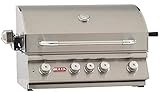 The Bull Outdoor Products BBQ Angus is a powerful and versatile built-in grill that caters to outdoor cooking enthusiasts.


