Why Does Sushi Taste So Good? Unlocking the Science and Art
Sushi tastes so good because of a scientific flavor compound called umami, which creates a savory taste that humans naturally find delicious.
Fresh fish, seasoned rice, seaweed, and soy sauce all contain high levels of umami compounds that multiply when combined, making sushi intensely flavorful.
This natural flavor boost happens without heavy sauces or complicated seasonings.
The appeal of sushi goes beyond just umami. The contrast between cool, smooth fish and slightly warm, tangy rice creates an interesting texture experience.
The fresh ingredients and careful preparation by skilled chefs ensure each piece delivers clean, balanced flavors that don’t overwhelm your taste buds.
The Science of Sushi Taste
Sushi’s delicious taste comes from specific molecules that trigger your taste receptors. Umami compounds like glutamate and inosine monophosphate work together to create intense savory flavor.
Umami: The Fifth Taste and Deliciousness
Umami is the fifth basic taste alongside sweet, sour, salty, and bitter. This savory flavor makes sushi taste deeply satisfying.
In 1909, Japanese chemist Kikunae Ikeda discovered and named umami after identifying what made fermented foods taste so good. He found that glutamate was responsible for this sensation.
However, scientists didn’t officially recognize umami as the fifth taste until 2002, when they confirmed that your tongue has specific taste receptors dedicated to detecting glutamate.
Your brain responds strongly to umami because glutamate serves as the most abundant neurotransmitter in your body. This means your body is naturally programmed to seek out and enjoy umami-rich foods.
When you eat sushi, these taste receptors activate and send pleasure signals to your brain, making each bite taste exceptionally good.
Role of IMP and Glutamate in Flavor
Inosine monophosphate (IMP) and glutamate are the two main amino acids that create umami flavor in sushi. Fish muscle contains ATP (adenosine triphosphate), which breaks down into IMP through natural enzyme activity.
This breakdown process is why the freshest fish doesn’t always taste best. A fish that was just caught has lots of ATP but very little IMP.
Your taste receptors can’t detect ATP, so the fish tastes bland and tough. After a fish is killed, enzymes in the muscle tissue convert ATP into IMP over 2-4 days.
This is when fish reaches peak flavor. The fish becomes tender, develops rich savory notes, and tastes slightly oily.
Traditional Japanese fishermen used a method called ike jime to preserve ATP by quickly spiking the fish’s brain, which prevents muscle movement and stops lactic acid release.
How Synergy Elevates Sushi Umami
When you combine glutamate and IMP together, they create a synergistic effect that multiplies umami intensity by up to seven times. This is why sushi tastes remarkably better than eating fish or rice alone.
The rice in sushi contains natural glutamate, while aged fish provides high levels of IMP. Your taste receptors respond much more strongly to this combination than to either compound separately.
Some chefs use nikiri sauce (made with dashi broth containing both kombu seaweed for glutamate and bonito flakes for IMP) instead of regular soy sauce. This adds even more umami depth without overpowering delicate fish flavors.
Essential Ingredients That Create Sushi’s Unique Flavor
Sushi’s distinctive taste comes from a precise combination of vinegared rice, fresh seafood, umami-rich seaweed, and carefully balanced condiments. These work together to create layers of savory, sweet, and tangy flavors.
Sushi Rice: Vinegared and Seasoned Perfection
The foundation of sushi is sushi rice, a short-grain variety that’s seasoned with rice vinegar, sugar, and salt. This seasoned rice provides a slightly sweet and tangy taste that balances the other ingredients.
The preparation of vinegared rice requires careful attention. The rice must be cooked to achieve a texture where each grain stays separate yet sticky enough to hold together.
The vinegar mixture gets folded into the warm rice, not stirred, to preserve the grain structure. Quality sushi rice forms the base for all types of sushi, from nigiri to maki rolls.
The rice should taste mildly seasoned on its own, never bland or overpowering.
Freshness and Texture of Fish and Seafood
Fresh fish and seafood deliver the primary flavors in sushi. The quality and freshness of these ingredients directly impact the taste and safety of your meal.
Common Types of Sushi Fish:
Salmon – Rich and buttery with a smooth texture
Tuna (maguro) – Ranges from lean to fatty cuts with clean taste
Eel (unagi) – Grilled freshwater eel with sweet glaze
Shrimp – Sweet and firm, often cooked
Mackerel – Strong, oily flavor with silver skin
Each fish offers distinct flavors and textures. Tuna roll features the clean taste of raw tuna wrapped in rice and nori.
Sashimi showcases the fish alone without rice, highlighting its pure flavor and texture. The temperature of the fish matters too.
Slightly cool fish tastes better than ice-cold fish, which dulls the flavors.
Nori and Seaweed: The Umami-Loaded Wrapper
Nori seaweed provides a crucial umami element to sushi. This dried seaweed wrapper holds maki rolls together while adding a savory, slightly salty taste that enhances the other ingredients.
High-quality nori should be dark green or black, crisp, and fragrant. Lower-quality nori tastes bland and becomes chewy quickly.
The seaweed contains natural glutamates that trigger the umami taste receptors on your tongue. Nori also adds textural contrast to sushi.
The crisp sheet provides a satisfying crunch against the soft rice and tender fish. Some sushi uses other types of seaweed as garnishes or seasonings, but nori remains the standard wrapper for maki.
Supporting Flavors: Soy Sauce, Wasabi, and Pickled Ginger
Three condiments complete the sushi experience by adding contrast and cleansing your palate between bites.
Soy sauce adds saltiness and extra umami. You should dip the fish side of nigiri lightly into soy sauce, not the rice, which absorbs too much liquid and falls apart.
Wasabi delivers a sharp, pungent heat that differs from chili peppers. Real wasabi comes from grated wasabi root and offers complex flavor beyond just spice.
Most restaurants serve a mixture of horseradish and mustard instead. The heat clears your sinuses and cuts through rich, fatty fish.
Pickled ginger (gari) serves as a palate cleanser. Its sweet and tangy taste removes lingering flavors between different types of sushi.
You eat it between pieces, not on top of your sushi. These three elements balance each bite without overwhelming the delicate fish and rice flavors.
Culinary Techniques and Skilled Sushi Chefs
The taste of sushi depends heavily on the technical skills of the chef who prepares it. Proper knife work, careful portioning, and years of training all contribute to creating sushi that tastes balanced and fresh.
Knife Skills and Fish Preparation
Your sushi tastes better when a chef uses proper knife techniques to prepare the fish. Sushi chefs train for years to learn how to cut fish at specific angles and thicknesses.
The way a chef slices the fish affects its texture on your tongue. Different types of fish require different cutting methods.
Tuna needs to be cut against the grain to make it tender. Salmon is sliced at an angle to show off its color and fat content.
A sharp knife is required for clean cuts. When a chef uses a dull knife, the fish cells get crushed and the texture becomes mushy.
Clean cuts help the fish maintain its natural flavor and appearance. The temperature of the fish also matters during preparation.
Chefs keep fish at specific temperatures to make sure it has the right firmness when you bite into it.
Portion Size and Balance
Each piece of sushi you eat should have a balanced ratio of rice to fish. Sushi chefs measure rice by feel to make sure every piece contains the same amount.
This consistency helps you taste both the rice and the topping in each bite. The rice should not overpower the fish, and the fish should not overwhelm the rice.
A typical piece of nigiri contains about 20 grams of rice and 15 grams of fish. This ratio can change slightly based on the type of fish being used.
Sushi chefs also control how firmly they press the rice. If the rice is packed too tightly, it feels heavy in your mouth.
If it’s too loose, the piece falls apart before you can eat it.
The Role of Omakase and Sushi Chef Expertise
Omakase dining lets the chef choose what you eat based on the freshest ingredients available that day. When you order omakase, the chef serves you a sequence of sushi pieces designed to build flavors throughout the meal.
The chef starts with lighter fish and moves to richer, fattier options. This order helps your palate taste each piece fully without getting overwhelmed.
Chefs with decades of experience know how to time each piece so you eat it at the perfect temperature. Traditional sushi training can take 10 years or more.
Apprentices often spend years just learning to make rice correctly before they’re allowed to handle fish. This dedicated training shows in the final product you eat.
High-end sushi restaurants feature chefs who have studied under master craftsmen. These chefs understand seasonal fish, regional differences in ingredients, and how to adjust flavors for individual preferences.
Types of Sushi and Their Flavor Profiles
Different types of sushi deliver distinct taste experiences based on their ingredients and preparation methods. The way fish, rice, and seasonings combine in each style creates unique flavor patterns that range from simple and clean to complex and bold.
Nigiri: Rice Meets Fish
Nigiri puts a slice of raw fish directly on top of a small mound of vinegared rice. This simple pairing lets you taste both elements clearly without extra ingredients getting in the way.
The fish sits at room temperature while the rice stays slightly warm. This temperature difference helps release the natural oils in the fish.
Fatty options like salmon or tuna belly taste rich and buttery, while lean white fish delivers a milder, cleaner flavor. A tiny dab of wasabi goes between the fish and rice.
The heat from the wasabi enhances the fish’s natural taste without covering it up. When you eat nigiri in one bite, the rice and fish blend together in your mouth, creating a balanced flavor that neither ingredient could achieve alone.
Maki and Temaki: Rolled Varieties
Maki rolls wrap rice and fillings in a sheet of nori seaweed. The nori adds a salty, ocean-like taste that balances the other ingredients.
Common maki rolls feature cucumber, avocado, or different types of fish. The circular shape means you get all the ingredients in every bite.
Crunchy vegetables contrast with soft rice and fish. Some maki rolls include tempura for extra crunch or cream cheese for richness.
Temaki are hand-rolled cones of nori filled with rice and toppings. The cone shape offers more nori flavor in each bite compared to maki rolls.
The ingredients stay separated until you bite down, so you experience different flavor combinations as you eat.
Sashimi: Purity of Flavor
Sashimi is sliced raw fish with no rice at all. This style puts the fish’s natural taste and texture at the forefront.
Each fish has its own character. Tuna is clean and meaty, while salmon brings more fat and a buttery feel.
Yellowtail tastes mild and a bit sweet. You dip sashimi in soy sauce and wasabi for extra salt and heat, but the fish remains the main focus.
The slice thickness changes the experience. Thicker cuts let you chew and notice the texture, while thinner slices almost melt on your tongue.
Specialty and Fusion Sushi Options
Specialty rolls combine ingredients not found in traditional sushi. Spicy mayo, fried onions, and fruit are common in modern versions.
These additions make the flavors bolder than classic sushi. Vegan sushi replaces fish with vegetables, tofu, or plant-based proteins.
Cucumber rolls, avocado nigiri, and rolls with pickled vegetables deliver crisp, fresh flavors. The rice and seasonings remain the same, so you still get that signature sushi taste.
Fusion styles blend Japanese techniques with other cuisines. Some rolls include jalapeños for heat or mango for sweetness.
These experimental combinations appeal to people looking for familiar flavors in sushi form.
The Subtle Art of Dashi and Umami Enhancement
Dashi gives sushi a savory depth that goes beyond fish and rice. This Japanese stock, made from kombu and bonito flakes, creates layers of umami that make each bite more satisfying.
Dashi: Japanese Stock and Its Impact
Dashi is a fundamental broth that transforms simple ingredients into something remarkable. It often works behind the scenes in sushi preparations, even when you don’t directly taste it.
The stock contains glutamic acid from kombu and inosinate from bonito flakes. When these two umami compounds combine, they create a taste that’s stronger than either ingredient alone.
This synergy multiplies the savory effect by up to eight times. Sushi chefs use dashi in several ways.
Nikiri, a reduced mixture of soy sauce and dashi, gets brushed onto nigiri to add complexity without overwhelming the fish. The stock also appears in miso soup and in simmering liquids for preparing ingredients like shiitake mushrooms or tamagoyaki.
Preparation matters. Good dashi needs precise timing—kombu steeps in water below boiling to avoid bitterness, while bonito flakes steep just long enough to extract umami without unwanted flavors.
Kombu and Bonito Flakes in Sushi
Kombu, a type of dried kelp, provides the plant-based umami foundation. You’re tasting glutamic acid when you notice that clean, savory quality in sushi rice or broth.
Katsuobushi (dried bonito flakes) adds another layer. These flakes come from skipjack tuna that’s been boiled, smoked, and fermented over months.
When shaved, the flakes release inosinate that complements kombu’s glutamic acid. The result is a deeper umami.
Key umami components:
Kombu: Glutamic acid (amino acid)
Bonito flakes: Inosinate (nucleotide)
Combined effect: Synergistic umami multiplication
Some sushi restaurants sprinkle fine bonito flakes directly on certain rolls or hand rolls. You might see them moving slightly from the heat of the rice, adding both visual interest and concentrated umami.
Modern Variations and Vegan Alternatives
Plant-based dashi options have gained popularity as more people seek vegan sushi experiences. Shiitake mushrooms provide guanylate, another umami compound that works similarly to inosinate.
A typical vegan dashi combines kombu with dried shiitake mushrooms. You steep both in water to extract their umami compounds.
The result delivers savory depth without animal products. Other modern additions include:
Dried tomatoes (high in glutamic acid)
Nutritional yeast (creates umami-rich flavor)
Fermented soy products beyond traditional miso
Some contemporary sushi chefs experiment with dashi made from different seaweeds or regional varieties of kelp. Each type of kombu—from Hokkaido’s Rishiri to Hidaka—offers subtle differences in flavor.
Your sushi experience changes based on which stock the chef chooses, though these differences can be hard to notice unless you’re really paying attention.
Cultural, Sensory, and Health Factors
Sushi’s appeal goes beyond taste. Its visual presentation, proven nutritional benefits, and a growing focus on sustainability all come together to create a complete dining experience.
Visual Presentation and Color in Sushi
The visual appeal of sushi shapes your eating experience. Japanese sushi chefs arrange ingredients with careful attention to color contrast and balance.
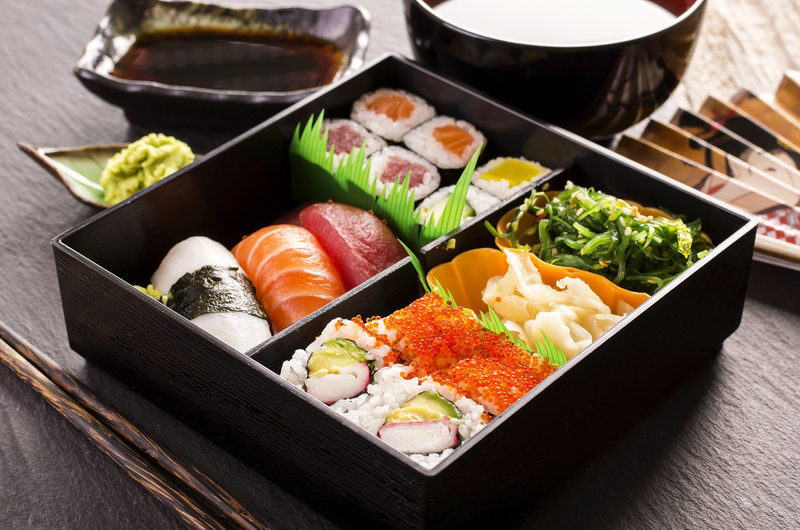
The bright orange of salmon, deep red of tuna, translucent fish roe, and the clean white of rice create an appealing palette. Fish eggs add pops of color and texture, catching the light and drawing the eye. Each piece of sushi is crafted to look like a small artwork.
The chef considers the shape, size, and placement of every element, including delicate mounds of roe placed for emphasis. This presentation signals freshness and quality before you even take a bite.
Common color elements in sushi:
White rice as a neutral base
Green from nori seaweed, wasabi, and avocado
Pink from ginger and some fish
Orange and red from various fish
Black from sesame seeds or nori
Your brain connects these bright colors with fresh ingredients. The visual appeal sparks anticipation and can even make the food taste better.
The artistic presentation also reflects Japanese values, where appearance matters as much as flavor.
Health Benefits and Nutritional Value
Sushi offers real nutritional advantages if you choose wisely. Raw fish provides high protein with minimal processing.
You get essential nutrients in a relatively low-calorie package. Fatty fish like salmon and tuna contain omega-3 fatty acids that support heart and brain health.
These healthy fats reduce inflammation in your body. A typical salmon roll gives you a significant portion of your daily omega-3 needs.
Key nutritional benefits:
High protein from fish and seafood
Omega-3 fatty acids for heart health
Low in saturated fat
Rich in vitamins B12 and D
Contains selenium and iodine
The seaweed wrapper adds fiber, minerals, and vitamins. Green tea, often served with sushi, provides antioxidants for added health benefits.
Not all sushi is equally healthy. Rolls with tempura, cream cheese, or heavy sauces add calories and unhealthy fats.
The rice contains a fair amount of carbohydrates. It’s also wise to watch your sodium intake from soy sauce.
Sustainability and Ingredient Sourcing
Quality sushi restaurants increasingly focus on sustainable fishing practices to protect ocean resources. You can find places that source fish from well-managed fisheries and avoid endangered species.
This shift helps preserve fish populations for the future. Responsible sourcing means the chef selects fish based on seasonal availability and sustainable catch methods.
Some restaurants display information about where their fish comes from and how it was caught.
Sustainable sushi choices:
Farmed shellfish like oysters and mussels
Pacific sardines and anchovies
Farmed salmon from responsible operations
Squid and octopus from managed fisheries
Traceability of ingredients matters to many sushi diners. You can ask your server about the origin of the fish on your plate.
Better restaurants track their supply chain and can tell you specific details about their ingredients. Some sushi spots now offer plant-based alternatives that reduce environmental impact.
These options let you enjoy Japanese cuisine while making choices that support sustainability.
Enjoying and Making Sushi at Home
Making sushi at home lets you control ingredients, save money, and create rolls that match your taste. You’ll need a few basic tools and techniques to get started, but it does get easier with practice.
Tips for Sushi-Making Success
Start with high-quality, sushi-grade fish from a trusted supplier. Rice quality matters just as much as the fish.
Use short-grain Japanese rice and rinse until the water runs clear to remove excess starch. Cook your rice with proper water ratios and let it cool to room temperature before adding seasoned rice vinegar.
Mix the vinegar gently using a cutting motion rather than stirring, which helps avoid mushy rice. Keep your hands damp when handling sushi rice to prevent sticking.
Season your rice vinegar with the right balance of sugar and salt. Store prepared rice covered with a damp cloth at room temperature and use it within a few hours for best results.
Tools and Techniques for Beginners
You need a bamboo rolling mat (makisu), sharp knife, and rice paddle to start. Wrap your bamboo mat in plastic wrap to keep rice from sticking between the slats and to make cleanup easier.
Place nori sheets shiny-side-down on your mat. Spread rice in a thin, even layer, leaving about half an inch at the top edge.
Don’t overfill your rolls or they won’t close well. Apply gentle, even pressure when rolling to create tight, uniform rolls.
Wet your knife between cuts for clean slices without crushing the roll. Cut rolls in half first, then each half into thirds for six even pieces.
Practice basic hosomaki (thin rolls) before moving on to inside-out rolls or more complex techniques. Your speed and precision will improve as you develop muscle memory for the rolling motion.
Adapting Recipes for Dietary Needs
Vegetarian sushi is easy to customize. Cucumber, avocado, pickled radish, and cooked vegetables like asparagus or sweet potato all work nicely.
Add cream cheese or tofu if you want more protein and a bit of extra texture.
Common Dietary Adaptations:
Gluten-free: Use tamari instead of regular soy sauce.
Vegan: Try marinated tofu, tempura vegetables, or mushrooms instead of fish.
Low-carb: Swap in cauliflower rice, or use thin cucumber sheets instead of rice and nori.
Cooked options: Cooked shrimp, crab, or smoked salmon are good if you’d rather skip raw fish.
Brown rice is another option if you want more fiber and nutrients. The texture is a bit different from white rice, and the flavor’s nuttier, but it actually goes well with vegetables and cooked proteins.

 Sushi tastes so good because of a scientific flavor compound called umami, which creates a savory taste that humans naturally find delicious.
 Sushi’s distinctive taste comes from a precise combination of vinegared rice, fresh seafood, umami-rich seaweed, and carefully balanced condiments. These work together to create layers of savory, sweet, and tangy flavors.
 The taste of sushi depends heavily on the technical skills of the chef who prepares it. Proper knife work, careful portioning, and years of training all contribute to creating sushi that tastes balanced and fresh.
 Different types of sushi deliver distinct taste experiences based on their ingredients and preparation methods. The way fish, rice, and seasonings combine in each style creates unique flavor patterns that range from simple and clean to complex and bold.
 Dashi gives sushi a savory depth that goes beyond fish and rice. This Japanese stock, made from kombu and bonito flakes, creates layers of umami that make each bite more satisfying.
 Sushi’s appeal goes beyond taste. Its visual presentation, proven nutritional benefits, and a growing focus on sustainability all come together to create a complete dining experience.
 Making sushi at home lets you control ingredients, save money, and create rolls that match your taste. You’ll need a few basic tools and techniques to get started, but it does get easier with practice.


