What Oil Do Chefs Use for Steak? Expert Insights for Perfect Searing
Chefs typically use oils with high smoke points for cooking steak, with canola oil, grapeseed oil, peanut oil, and avocado oil being the most common professional choices.
These oils can withstand the intense heat required for proper searing without breaking down or creating smoke that affects flavor. The smoke point matters because steak needs temperatures above 400°F to develop a proper crust.
Your choice of oil affects more than just preventing smoke. Different oils bring subtle flavor changes to your steak. Some chefs prefer neutral oils that let the beef flavor shine, while others use specialty oils or finish with butter for richness.
This article covers why professional chefs select specific oils, how smoke points work in practice, and which oils perform best for different steak cooking methods. You’ll learn about traditional chef techniques that combine oils with butter or animal fats for better flavor and texture.
Why Chefs Prioritize Oil Selection for Steak
Chefs select specific oils for steak based on smoke point tolerance and how the oil supports high-heat searing without burning. Oil choice directly affects crust formation, browning quality, and the chemical reactions that create flavor.
The Role of Oil in Achieving the Perfect Crust
Oil acts as a heat transfer medium between your cooking surface and the steak’s exterior. When you heat oil in a cast iron skillet to temperatures above 400°F, it creates an even thermal barrier that promotes uniform crust development.
Avocado oilreaches smoke points of 520°F, allowing sustained high-heat contact without breakdown. Canola oil maintains stability at 430°F, making it suitable for most searing applications. The oil fills microscopic gaps in your pan’s surface, preventing uneven heat distribution.
Your oil choice must withstand the sustained temperatures needed for a 3-4 minute sear per side. Oils with smoke points below 400°F will burn before proper crust formation occurs, creating bitter compounds that ruin steak flavor.
Preventing Sticking and Enhancing Browning
Oil creates a non-stick barrier between your steak and the cooking surface. When you coat steak with oil before searing, you establish direct contact points that prevent protein adhesion to metal surfaces.
The oil layer promotes even browning by conducting heat uniformly across the meat’s surface. This eliminates dry spots where the steak might stick or cook unevenly. A thin oil coating—about 1 tablespoon for a 12-inch pan—provides adequate coverage without pooling.
Proper oil application means brushing or rubbing oil directly onto the steak rather than adding it only to the pan. This technique ensures complete surface coverage and maximizes browning potential.
Supporting the Maillard Reaction
The Maillard reaction requires temperatures between 300°F and 500°F to convert amino acids and sugars into complex flavor compounds. Your oil for searing steak must maintain stability within this range without smoking or degrading.
High smoke point oils enable you to reach the 450°F surface temperature needed for optimal Maillard browning. Safflower oil at 500°F and soybean oil at 450°F both support this reaction without interference. Oils that smoke prematurely introduce acrid flavors that mask the nutty, savory notes the Maillard reaction produces.
The oil itself doesn’t participate in the Maillard reaction but creates the thermal environment where it occurs. You need consistent heat delivery across the steak’s surface, which properly selected oil for cooking steak provides throughout the searing process.
Understanding Smoke Point and Its Impact
Smoke point determines whether an oil will create a perfect sear or ruin your steak with burnt, bitter flavors. When you heat oil beyond its smoke point, it breaks down and releases harmful compounds that affect both taste and health.
What is Smoke Point?
Smoke point is the temperature at which oil begins to smoke, break down, and oxidize. Each oil has a specific temperature limit based on its molecular structure and refinement level.
Refined oils have higher smoke points because processing removes unstable compounds. Saturated fats have tightly packed molecules without double bonds, allowing them to withstand the highest temperatures. Monounsaturated fats have one double bond and offer moderate heat resistance.
Pan-searing steak requires temperatures between 400-450°F. Your oil must exceed this range to avoid breaking down during cooking.
Consequences of Using Low Smoke Point Oils
Using oil with a low smoke point creates bitter, burnt flavors that overpower your steak. The oil oxidizes when overheated, producing rancid tastes and unpleasant smoke in your kitchen.
Overheated oil releases harmful compounds called polycyclic aromatic hydrocarbons (PAHs). These carcinogenic byproducts form when the oil’s chemical structure breaks down under excessive heat.
Extra virgin olive oil has a smoke point around 325-410°F, making it risky for high-heat searing. Butter burns at 400°F, which sits at the lower end of searing temperatures.
Smoke Point of Popular Oils for Steak
Avocado oil leads at 520°F with a neutral flavor profile. Ghee reaches 482°F while maintaining butter’s rich taste. Safflower oil handles up to 509°F and costs less than premium options.
Extra light olive oil works at 468°F for those who prefer olive-based cooking. Refined peanut oil tolerates 450°F and adds subtle nutty notes.
Avoid coconut oil, flaxseed oil, and unrefined sesame oil for searing. Their low smoke points and strong flavors don’t support the high temperatures needed for proper crust formation.
Best Oils Chefs Use for Searing Steak
Professional chefs rely on refined avocado oil, grapeseed oil, extra light olive oil, and safflower oil because these options handle temperatures above 400°F without smoking or breaking down. Each oil offers a neutral flavor profile that preserves the natural taste of beef while creating a proper sear.
Refined Avocado Oil
Avocado oil delivers a 500°F smoke point, making it the top choice for high-heat searing in professional kitchens. The refining process removes impurities and increases heat stability compared to unrefined versions.
You get 10g of monounsaturated fat per serving, which resists oxidation at extreme temperatures. The neutral taste won’t interfere with your steak’s seasoning or natural flavor. Chefs prefer this oil for cast iron and grill work because it maintains consistent performance without producing off-flavors.
The oil works equally well for reverse searing, pan frying, and finishing techniques. Its clean composition contains no additives or GMOs, which matters when you want pure cooking performance.
Grapeseed Oil
Grapeseed oil reaches 510°F, giving you one of the highest smoke points available for searing steak. This oil extracts from grape seeds and delivers a light, subtle flavor that chefs value for preserving meat taste.
Professional kitchens choose grapeseed oil when they need versatility across multiple cooking methods. You can use it for deep frying, stir-frying, and air frying without adjusting your technique. The all-natural composition fits Non-GMO and allergen-sensitive requirements.
The neutral profile makes it ideal when you want the beef’s crust and seasoning to dominate. French-sourced varieties offer consistent quality backed by century-old production standards.
Extra Light and Refined Olive Oil
Light olive oil and refined olive oil provide high smoke points while maintaining the health benefits of olive-based fats. Extra light olive oil contains minimal olive flavor, which chefs prefer when they don’t want Mediterranean notes in their steak.
These refined versions handle high heat better than extra virgin olive oil, which burns at lower temperatures. You get a cleaner sear without the bitterness that occurs when delicate olive compounds break down. The processing increases the smoke point to levels suitable for professional searing work.
Refined olive oil swaps directly for butter or vegetable oil while adding heart-healthy fats. NAOOA certification confirms quality and purity standards that matter in commercial kitchens.
Safflower Oil and Other High-Heat Oils
Safflower oil, canola oil, and vegetable oil rank as the most common choices in professional kitchens for searing steak. These oils cost less than specialty options while delivering smoke points above 400°F.
You find these oils in restaurant settings because they perform reliably under extreme heat without adding distinctive flavors. Canola oil reaches approximately 400°F, while safflower oil can exceed 450°F depending on refinement level. Algae oil represents a newer option with a 535°F smoke point and three to five times greater oxidative stability than avocado oil.
Professional chefs also use Wagyu beef tallowwhen they want to add rich, beefy umami flavor during the searing process. The tallow requires pre-melting but handles temperatures over 400°F while contributing traditional steakhouse taste. This choice works best when flavor enhancement matters as much as heat performance.
Butter, Ghee, and Animal Fats: Chef’s Flavor Boosters
Chefs enhance steak with butter, ghee, and animal fats to add depth and richness. These fats provide both flavor and help with browning during high-heat cooking.
Using Butter and Clarified Butter
Butter adds immediate flavor to steak during and after cooking. You can baste your steak with butter in the final minutes of cooking to create a golden crust. Regular butter contains milk solids that burn at around 350°F.
Clarified butter removes these milk solids through a heating and straining process. This increases the smoke point to about 450°F. You can cook at higher temperatures without burning.
Chef instructors recommend clarified butter for searing steaks when you want butter’s flavor without smoke. You can make it at home by melting butter and skimming off the solids. Store it in your refrigerator for weeks.
Many chefs finish steaks with a pat of whole butter just before serving. This creates shine and adds rich dairy notes that complement beef’s natural flavor.
Benefits of Ghee
Ghee is butter that has been simmered longer than clarified butter to remove all moisture and milk solids. It has a smoke point of 485°F. This makes it suitable for high-heat steak searing.
The nutty, slightly caramelized flavor of ghee comes from browning the milk solids before removal. Indian chefs note it adds richness without heaviness. Ghee contains vitamins A, E, and K2 when made from grass-fed butter.
You can use ghee in place of oil for searing or basting. It stays stable at room temperature for months. The pure butterfat composition means it won’t create smoke in your kitchen during cooking.
When and How to Incorporate Animal Fats
Beef tallow matches steak’s natural flavor profile better than plant oils. It has a smoke point above 400°F and reinforces the meat’s umami taste. You can use it for initial searing.
Duck fat provides rich, savory notes that complement bold cuts like ribeye. It holds up to high heat and adds complexity. Use it when you want to amplify flavor beyond what the meat alone provides.
Bacon grease works with intensely flavored steaks or game meats. The smoky, salty notes pair well with stronger beef cuts.
These animal fats are solid at room temperature. Melt them in your pan before adding the steak. They enhance browning through the Maillard reaction while adding complementary flavors.
Flavor Profiles: Oil Choices Beyond Smoke Point
Oil flavor affects steak taste as much as smoke point affects cooking performance. Some oils add no taste while others contribute distinct flavors that can complement or clash with your steak.
Neutral Versus Distinctly Flavored Oils
Avocado oil provides almost no flavor and lets your steak’s natural taste remain the main focus. Canola oil and safflower oil also fall into the neutral category, making them safe choices when you want the beef and seasonings to shine without interference.
Extra virgin olive oil (EVOO) brings a strong olive taste that can overpower delicate steak flavors. Cold-pressed oils tend to retain more of their natural flavors compared to refined versions. Peanut oil adds a subtle nutty quality that some people enjoy but others find distracting.
Coconut oil creates a sweet, tropical note that rarely works with beef. Grapeseed oil sits in the middle with a mild but noticeable flavor that’s less assertive than EVOO.
When to Choose Flavorful Oils
Flavorful oils work best when they match your marinade or sauce ingredients. Peanut oil makes sense for Asian-style preparations using soy sauce or ginger. The nutty notes blend naturally with those flavor profiles.
EVOO can work for Mediterranean-style steaks if you plan to serve them with olive-based toppings or sauces. The oil reinforces rather than conflicts with the finished dish.
Reserve strongly flavored oils for thin cuts that cook quickly. A ribeye or strip steak benefits more from neutral oil that lets the beef’s marbling speak for itself.
Matching Oil Flavor to Steak Styles
For classic American steakhouse preparation, use avocado or canola oil. These neutral options let salt, pepper, and beef flavor dominate.
For herb-crusted or butter-finished steaks, choose neutral oils for searing, then add butter near the end of cooking. This approach gives you the high-heat protection you need while delivering rich dairy flavor.
For ethnic preparations, match oil to cuisine type. Use peanut oil for Thai or Chinese recipes. Use regular olive oil (not extra virgin) for Italian dishes where olive flavor belongs.
Grass-fed beef has stronger flavor than grain-fed beef, so it pairs better with neutral oils that won’t compete.
Chef Techniques: Maximizing Oil Performance
Professional chefs control oil temperature, pan selection, and application method to create an ideal sear on steak. These techniques ensure the oil performs at its peak capacity without burning or smoking excessively.
Preheating Oils for Optimal Sear
You need to heat your oil until it shimmers but doesn’t smoke. This temperature sits between 400°F and 450°F for most high-smoke-point oils. The oil should spread easily across the pan surface and move quickly when you tilt it.
Place your empty pan over high heat for 2-3 minutes before adding oil. Add the oil and wait 30-60 seconds until you see the shimmer. You can test readiness by dropping a tiny piece of steak fat into the pan—it should sizzle immediately.
Cold oil in a cold pan leads to sticking and uneven browning. Your steak won’t develop the crust you want. Hot oil creates instant contact and starts the Maillard reaction that forms that brown, flavorful exterior.
Using the Right Pan: Cast Iron and More
A cast iron skillet retains heat better than other pan types. This heavy material doesn’t lose temperature when you add cold steak to it. The consistent heat creates an even sear across the entire steak surface.
You can also use stainless steel or carbon steel pans for searing steak. Both materials handle high heat well and work with any oil for searing steak. Avoid nonstick pans since they can’t reach the temperatures needed for proper searing.
Your pan should be large enough that the steak doesn’t touch the edges. Leave at least one inch of space around each piece. Crowding the pan traps steam and prevents browning.
Balancing Oil Amounts for Crust and Moisture
Gordon Ramsay applies oil to both the pan and the steak itself. This double application speeds up heat transfer and promotes faster crust formation. You only need about one tablespoon of oil in the pan for a standard-sized steak.
Rub a thin layer of oil directly on your steak before it hits the pan. This coating should be barely visible on the meat surface. Too much oil creates greasy results and can cause dangerous flare-ups.
The oil acts as a heat conductor between the pan and meat. A light coating works better than pooling oil in the pan. You want just enough to prevent sticking while allowing direct contact with the hot surface.
Finishing Touches: Basting and Layering Flavors
Butter enters the cooking process only after the initial sear is complete. Add butter to a tilted pan during the final 1-2 minutes of cooking. Spoon the melted butter over the steak repeatedly to add moisture and rich flavor.
The high-smoke-point oil you used for searing prevents the butter from burning during basting. Butter alone can’t handle searing temperatures—it would turn black and bitter. Combining oil for cooking steak with finishing butter gives you the best of both approaches.
You can add garlic cloves, fresh thyme, or rosemary sprigs to the butter as it melts. These aromatics infuse into the butter and transfer their flavors to the steak surface.
FAQ: What Oil Do Chefs Use for Steak?
Choosing the right oil for steak is important for achieving a good sear, flavor, and texture.
Professional chefs typically select oils based on smoke point, flavor neutrality, and cooking method.
What Oil Do Chefs Use for Steak?
Chefs commonly use neutral, high smoke point oils such as:
Canola oil
Avocado oil
Grapeseed oil These oils handle high heat well and help create a strong sear.
Why Do Chefs Prefer High Smoke Point Oils?
High smoke point oils prevent burning during searing.
This allows the steak to cook at high temperatures without developing a bitter or smoky taste.
Do Chefs Use Olive Oil for Steak?
Yes, but usually light or refined olive oil, not extra virgin olive oil.
Extra virgin olive oil has a lower smoke point and is often used for finishing rather than searing.
Do Chefs Cook Steak in Butter?
Butter is usually not used alone for cooking steak because it burns easily.
Instead, it is added near the end for flavor and basting.
Why Do Chefs Combine Oil and Butter?
Many chefs use both:
Oil for high-heat searing
Butter for flavor, richness, and aroma
Is Avocado Oil Good for Cooking Steak?
Yes, avocado oil is highly preferred because it has a very high smoke point and a neutral taste, making it ideal for searing.
What Oil Gives the Best Flavor for Steak?
Oil itself is usually chosen for function rather than flavor. Butter, garlic, and herbs are typically used to enhance taste instead.
Can You Cook Steak Without Oil?
Yes, but it is harder to achieve an even sear and increases the risk of sticking, especially in stainless steel pans.
What Oil Is Best for Cast Iron Steak?
For cast iron, chefs often use:
Canola oil
Avocado oil because they withstand high heat and support a good crust.
What Is the Golden Rule for Steak Oil?
Use an oil that is heat-stable, neutral, and suitable for high-temperature searing, then add butter later for finishing flavor.
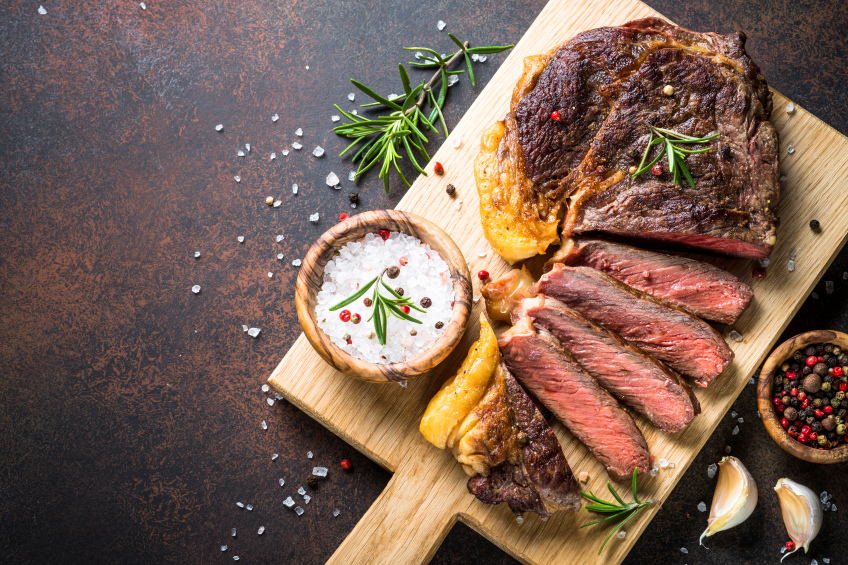

 Chefs typically use oils with high smoke points for cooking steak, with canola oil, grapeseed oil, peanut oil, and avocado oil being the most common professional choices.
 Chefs select specific oils for steak based on smoke point tolerance and how the oil supports high-heat searing without burning. Oil choice directly affects crust formation, browning quality, and the chemical reactions that create flavor.
 Smoke point determines whether an oil will create a perfect sear or ruin your steak with burnt, bitter flavors. When you heat oil beyond its smoke point, it breaks down and releases harmful compounds that affect both taste and health.
 Chefs enhance steak with butter, ghee, and animal fats to add depth and richness. These fats provide both flavor and help with browning during high-heat cooking.
 Oil flavor affects steak taste as much as smoke point affects cooking performance. Some oils add no taste while others contribute distinct flavors that can complement or clash with your steak.
 Professional chefs control oil temperature, pan selection, and application method to create an ideal sear on steak. These techniques ensure the oil performs at its peak capacity without burning or smoking excessively.
 Choosing the right oil for steak is important for achieving a good sear, flavor, and texture.


