Is Salmon High in Fat? Nutrition Facts, Types & Health Insights
Salmon is classified as a fatty fish, with a fat content ranging from 10% to 20% depending on the species and farming method. However, this fat is predominantly healthy unsaturated fat, especially omega-3 fatty acids.
According to the USDA, a typical 3-ounce serving of cooked salmon contains 5 to 11 grams of fat—over 60% of which is omega-3s, a nutrient linked to reduced cardiovascular disease risk (AHA, 2023).
Unlike saturated fats found in processed foods, the fats in salmon have been shown to lower triglyceride levels and reduce inflammation (Harvard T.H. Chan School of Public Health). The fat profile varies between wild and farmed salmon, as well as among different species, directly impacting their nutritional value.
This guide breaks down the specific types of fats in salmon, the impact of farming versus wild-caught sources, and how cooking methods influence nutritional outcomes, so you can make choices aligned with your health goals.
Is Salmon High in Fat?
Compared to most fish, salmon is high in fat: a 3-ounce cooked serving provides 5–12 grams of fat, primarily from omega-3 fatty acids. These beneficial fats are associated with a 10–30% lower risk of fatal heart attacks (AHA, 2023).
Salmon as a Fatty Fish
Salmon consistently ranks among the fattiest fish available for consumption. A 3-ounce portion of cooked salmon delivers 121–200 calories, with fat accounting for 40–50% of those calories (USDA FoodData Central).
The fat profile includes polyunsaturated fats (notably EPA and DHA), monounsaturated fats, and a small proportion of saturated fat. Wild salmon, feeding on krill and small fish, accumulates higher omega-3s, while farmed salmon often contains more total fat due to grain-based feeds, though with a less favorable omega-3 to omega-6 ratio.
Since humans cannot synthesize omega-3s, salmon is a critical dietary source, offering cardiovascular and cognitive benefits not found in most terrestrial protein sources.
Comparing Salmon Fat Content to Other Fish
Salmon contains far more fat than white fish like cod, tilapia, or halibut, which typically provide less than 3 grams of fat per serving. This places salmon alongside mackerel, sardines, and herring in the “fatty fish” category recognized by the FDA for their omega-3 content.
Fish Type
Fat per 3 oz
Omega-3 Content
Salmon
5–12g
High (~1.5–2g)
Cod
0.7g
Low (<0.2g)
Tuna (light)
1g
Moderate (~0.3g)
Mackerel
15g
High (>2g)
Salmon distinguishes itself by delivering 1.5–2 grams of omega-3s per serving, while leaner fish lack this concentration.
How Preparation Methods Affect Fat Levels
Cooking methods can alter salmon’s fat content. Grilling or baking preserves natural fats and minimizes added calories. Pan-frying in oil can add 3–5 grams of fat per serving, depending on oil absorption (USDA). Removing the skin before cooking reduces fat by up to 40%, but also decreases omega-3 intake.
Deep-frying can double the total fat content due to oil absorption, making it the least healthy option. For optimal nutrition, choose grilling, baking, or poaching.
Types of Fats in Salmon
Per 100 grams, salmon contains 5–13 grams of fat, with a unique distribution: polyunsaturated fats (notably omega-3s), monounsaturated fats, and a small amount of saturated fat. This fat profile sets salmon apart from most animal proteins.
Omega-3 Fatty Acids: EPA and DHA
Salmon is a top dietary source of EPA (eicosapentaenoic acid) and DHA (docosahexaenoic acid). Wild Atlantic salmon provides 2.6g omega-3s per 100g; farmed varieties, 2.4g. Chinook salmon offers 2.1g, while pink salmon—leaner—contains 0.7g (USDA, NIH).
EPA supports heart health and reduces inflammation, while DHA is vital for brain and eye function. Unlike plant-based omega-3s (ALA), EPA and DHA from salmon are immediately bioavailable.
Farmed salmon contains 0.22–0.67g omega-6 per 100g, while wild salmon ranges from 0.06–0.22g. A lower omega-6 to omega-3 ratio is linked to reduced inflammation (NIH).
Saturated and Monounsaturated Fats
Saturated fat in salmon ranges from 0.97–3.2g per 100g, depending on species. Chinook has the most (3.2g), pink and sockeye the least (0.97g). Monounsaturated fats span 1.6–5.7g per 100g; Chinook leads, wild coho is lowest (USDA).
Farmed salmon typically contains more saturated and monounsaturated fats due to feed composition. These fats support hormone production and cell membrane health, but moderation is key for saturated fat intake.
Wild vs. Farmed Salmon: Fat Content Differences
Wild salmon averages 6–8% fat, while farmed salmon ranges from 12–18%—up to triple the fat content. This difference is driven by diet and lower activity in farmed salmon, affecting calorie count and fatty acid ratios (NOAA Fisheries, 2023).
Wild Salmon Fat Profile
Wild salmon delivers 6–8% fat and 100–140 calories per 3-ounce fillet. About 24% of its fat is marine omega-3s, with higher micronutrient density (potassium, zinc) per ounce compared to farmed salmon.
Sockeye: 4–7% fat
King (Chinook): 10–15% fat
Pink: 3–5% fat (leanest)
Chum: 4–6% fat
Pacific salmon’s natural diet and high activity keep fat levels lower and omega-3 concentrations higher.
Farmed Salmon Fat Profile
Farmed salmon contains 12–18% fat and 175–200 calories per 3-ounce serving. Grain-based feeds increase total fat and omega-6 content, resulting in only 8.9% of total fat as marine omega-3s (compared to 24% in wild).
Atlantic salmon, the primary farmed species, consistently has higher fat than wild Pacific varieties. Despite less favorable ratios, farmed salmon can match or exceed wild salmon’s total omega-3 content due to higher overall fat.
Nutritional Variances by Species
Atlantic salmon (mostly farmed) contains 12–16% fat. Pacific species (sockeye, king, pink, chum) are predominantly wild-caught. King salmon rivals farmed Atlantic in fat, while pink and chum are leaner. Choosing wild salmon provides a better omega-3 to omega-6 ratio, while farmed offers more total fat and calories.
Nutritional Profile of Salmon
Salmon is nutrient-dense, offering high-quality protein, essential vitamins, and minerals. A 100-gram cooked serving contains 139–231 calories, depending on species and farming method (USDA).
Protein Content and Quality
Salmon provides 22–26 grams of complete protein per 100 grams. Wild salmon is slightly higher in protein due to lower fat content.
Chum and sockeye deliver the highest concentrations (25.8–26.5g/100g). Salmon protein is highly bioavailable, with a digestibility rate over 95% (FAO).
Vitamins and Minerals in Salmon
Vitamin D: A single serving can supply over 100% of the daily requirement, supporting bone and immune health (NIH).
Vitamin B12: Salmon is rich in B12, critical for red blood cell formation and neurological function.
Selenium: A 100-gram serving provides 40–60% of the daily value, acting as a powerful antioxidant and supporting thyroid health.
Salmon also delivers B vitamins (niacin, B6, thiamin), potassium, and phosphorus at levels that exceed most other fish, supporting overall metabolic health.
Calorie Breakdown
Salmon calories vary widely by species and farming method, ranging from 139 to 231 per 100 grams cooked. Chinook (king) salmon tops the chart at 231 calories, while wild coho is lowest at 139 calories per 100 grams, according to USDA data.
Fat contributes 50-60% of total calories in most salmon, with protein making up 35-40%. Pink and chum salmon are the leanest (about 5g fat per serving), while farmed Atlantic and Chinook contain 12-13g.
Wild-caught salmon consistently delivers fewer calories than farmed—wild Atlantic salmon has 182 calories per 100g, compared to 206 calories in farmed Atlantic, based on the USDA National Nutrient Database.
Health Benefits of Salmon Fat
The omega-3 fatty acids in salmon—especially EPA and DHA—have clinically proven benefits for heart, brain, and inflammation. A single 3-ounce serving supplies 1.5 to 2 grams of omega-3s, which exceeds the American Heart Association’s recommended minimum for cardiovascular protection.
Cardiovascular Protection
Omega-3s in salmon lower blood pressure and reduce arterial inflammation, as confirmed by a 2020 meta-analysis in the Journal of the American Heart Association. Regular salmon intake (1-2 servings per week) is associated with a 17% reduction in fatal heart disease risk.
EPA and DHA work synergistically to decrease triglycerides and improve HDL/LDL cholesterol ratios, while potassium (534mg per 3-ounce serving) further supports healthy blood pressure.
Cognitive and Mental Health
DHA is the dominant structural fat in the brain, and salmon is a top dietary source. Studies from the Alzheimer’s Association show that older adults who eat fatty fish like salmon weekly experience slower cognitive decline and up to a 35% lower risk of Alzheimer’s. Salmon also contains choline, which supports memory and neural function, making it valuable for pregnant women and adults alike.
For optimal brain support, aim for at least two servings of salmon per week, and choose wild-caught varieties for higher omega-3 content and lower contaminant risk. Pair with leafy greens or whole grains to further enhance cognitive benefits, as recommended by Harvard’s School of Public Health.
Anti-Inflammatory and Antioxidant Effects
Salmon’s polyunsaturated fats reduce chronic inflammation, a key driver of type 2 diabetes, cancer, and autoimmune conditions. Wild salmon also provides astaxanthin, a potent antioxidant shown in clinical trials to decrease oxidative stress markers and protect skin from UV damage.
The combination of omega-3s and astaxanthin offers measurable reductions in C-reactive protein (CRP), a primary inflammation marker.
To maximize anti-inflammatory benefits, opt for wild-caught salmon, which contains up to 40% more astaxanthin than farmed, according to research published in Marine Drugs.
Expert Tips for Cooking and Eating Salmon
Salmon’s fat content and texture shift with preparation. Grilling and baking preserve healthy oils, while smoking intensifies flavor. Raw preparations highlight the fish’s natural richness and nutrient density.
Grilled Salmon: Best Practices
For grilling, choose fattier cuts like farmed Atlantic (10-15% fat) to prevent dryness. Preheat the grill to 400-450°F, oil the grates, and pat salmon skin dry.
Grill skin-side down for 4-6 minutes per side, using a digital thermometer to avoid overcooking—remove at 125°F for medium-rare. Lean wild species like sockeye require extra care: brush with oil, use a brine, and pull at 120°F internal temperature to retain moisture.
Pro Tip: Crisp salmon skin delivers concentrated omega-3s—dry thoroughly and oil before grilling for the best results.
Baked Salmon: Temperature Precision
Bake fatty farmed salmon at 425-450°F for 12-15 minutes to achieve a crispy exterior and moist interior. For wild, lean salmon, reduce oven temp to 275-325°F and bake until just opaque—lower heat prevents protein toughening. Season simply, or use a parchment packet to lock in moisture.
Canned wild salmon (5-8% fat) is ideal for nutrient-dense patties; bake or pan-fry at 375°F until golden, and choose BPA-free cans for purity.
Smoked Salmon: Texture and Nutrition
Hot smoking (120-180°F) partially renders fat, resulting in a firm, flaky texture; farmed salmon retains more moisture due to higher fat. Cold smoking (below 90°F) preserves raw texture and keeps omega-3s intact—lox offers a silky mouthfeel and up to 15% fat.
The curing process boosts both flavor and omega-3 concentration per ounce. Both methods preserve more nutrients than high-heat cooking, but cold-smoked salmon should be sourced from reputable suppliers to reduce food safety risks.
Eating Salmon Raw or as Salmon Roe
Raw salmon in sushi, sashimi, or poke offers a distinct creamy texture due to its high fat content—farmed salmon averages 12% fat, according to USDA data, compared to just 6% in wild salmon. This marbling enhances flavor and pairs exceptionally well with acidic seasonings like yuzu or ponzu.
For safety, always select sushi-grade salmon that has been flash-frozen to -20°C (-4°F) for at least seven days, as recommended by the FDA, to eliminate parasites. Farmed salmon presents a significantly lower parasite risk than wild-caught varieties, making it the preferred choice for raw consumption in top sushi restaurants globally.
Salmon roe (ikura) delivers a unique nutritional profile—each egg is approximately 40% fat by weight and is especially rich in omega-3s like DHA and EPA, which support cardiovascular and cognitive health. The eggs provide a sensory pop and a burst of briny oil, making them a staple in high-end Japanese cuisine.
For best results, serve ikura well-chilled over seasoned rice, on blinis, or atop crackers with crème fraîche. To maximize freshness and flavor, source from reputable purveyors who guarantee traceability and cold-chain integrity.
Consuming salmon and roe raw preserves delicate omega-3 fatty acids that degrade with heat. A 2019 study in the journal Food Chemistry found that raw preparations retain up to 30% more EPA and DHA compared to cooked methods.
For optimal nutrition, pair raw salmon with vitamin C-rich garnishes, like thinly sliced lemon or pickled ginger, which can enhance iron absorption and balance the richness of the fat.
FAQ: Is Salmon High in Fat?
Salmon is often praised for its nutritional value, but many people wonder about its fat content.
Is Salmon High in Fat?
Yes, salmon is relatively high in fat compared to other fish. However, most of this fat is healthy unsaturated fat, including omega-3 fatty acids.
Is the Fat in Salmon Healthy?
Yes, the fat in salmon is considered beneficial. Omega-3 fatty acids support heart health, brain function, and may help reduce inflammation.
How Much Fat Is in Salmon?
A typical 100g (3.5 oz) serving of salmon contains about 10–13 grams of fat, depending on the type and how it’s prepared.
Is Salmon Higher in Fat Than Other Fish?
Yes, salmon is fattier than lean fish like cod or tilapia, but this is what makes it more nutrient-dense and flavorful.
Can You Eat Salmon If You’re Trying to Lose Weight?
Yes, salmon can be part of a weight-loss diet.
It is high in protein, which helps keep you full
The healthy fats can support satiety and overall nutrition
Does Cooking Method Affect Fat Content?
The natural fat content stays similar, but cooking methods can add extra fat. For example:
Baking or grilling keeps it healthier
Frying or adding heavy sauces increases fat and calories
Is Farmed Salmon Higher in Fat Than Wild Salmon?
Yes, farmed salmon is usually higher in fat than wild salmon due to differences in diet and environment.
Should You Avoid Salmon Because of Its Fat Content?
No, the fat in salmon is beneficial and part of a balanced diet. It is generally recommended rather than avoided.
How Often Should You Eat Salmon?
Health guidelines often suggest eating fatty fish like salmon 1–2 times per week for optimal health benefits.
Who Should Be Careful with Fat Intake from Salmon?
Individuals on low-fat diets
People monitoring calorie intake closely
Those advised by a healthcare provider to limit fat consumption
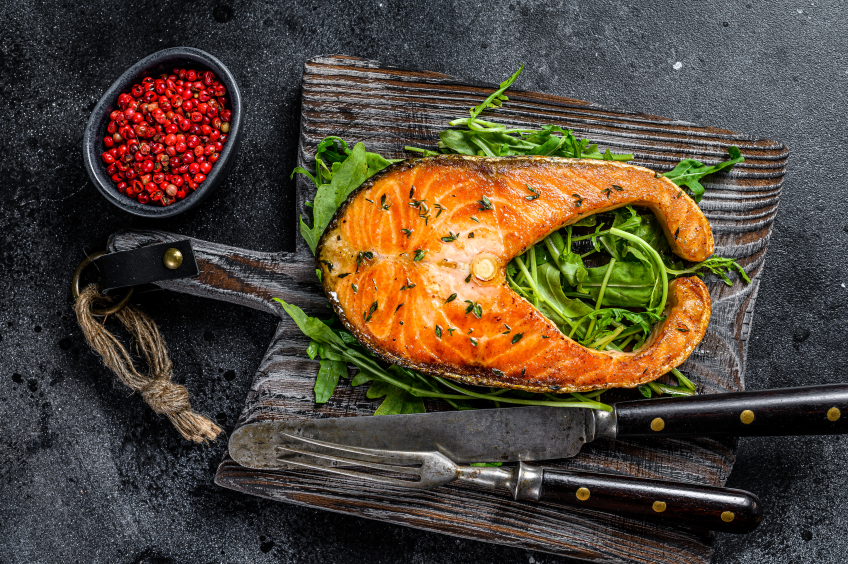

 Salmon is classified as a fatty fish, with a fat content ranging from 10% to 20% depending on the species and farming method. However, this fat is predominantly healthy unsaturated fat, especially omega-3 fatty acids.
 Compared to most fish, salmon is high in fat: a 3-ounce cooked serving provides 5–12 grams of fat, primarily from omega-3 fatty acids. These beneficial fats are associated with a 10–30% lower risk of fatal heart attacks (AHA, 2023).
 Per 100 grams, salmon contains 5–13 grams of fat, with a unique distribution: polyunsaturated fats (notably omega-3s), monounsaturated fats, and a small amount of saturated fat. This fat profile sets salmon apart from most animal proteins.
 Wild salmon averages 6–8% fat, while farmed salmon ranges from 12–18%—up to triple the fat content. This difference is driven by diet and lower activity in farmed salmon, affecting calorie count and fatty acid ratios (NOAA Fisheries, 2023).


