How to Make Cookies from Scratch: A Complete Guide for Beginners
Making cookies from scratch allows you to customize every aspect, from ingredient quality to flavor profile, without relying on pre-made mixes.
All you need is a bowl, spoon, baking sheet, and about 30 minutes for most recipes.
This approach gives you complete control over taste, texture, and dietary preferences. Homemade cookies deliver superior flavor and texture because fresh ingredients and precise techniques yield results that can’t be replicated by store-bought options.
You can tailor crispness, chewiness, and sweetness, or experiment with unique mix-ins. Unbaked dough stores well in the fridge or freezer, letting you bake on demand for peak freshness.
This guide offers expert strategies for ingredient selection, dough preparation, shaping, and baking, plus advanced storage tips to keep your cookies at their best.
Essential Cookie Ingredients
Mastering cookies requires understanding the science behind each ingredient: flour for structure, butter for texture and flavor, sugar for spread and caramelization, and leaveners for rise and crumb.
Role of Butter, Sugar, and Flour
Butter’s fat coats flour proteins, limiting gluten formation and ensuring tenderness. Its water content turns to steam, creating lift and air pockets. For optimal creaming, use butter at 65-67°F. Melted butter yields denser, chewier cookies—ideal for recipes like blondies or certain chocolate chip cookies.
All-purpose flour (10-12% protein) is versatile, while bread flour (12-14%) increases chewiness due to more gluten. Cake flour (7-9%) gives a delicate, crumbly bite. For gluten-free baking, add binders like xanthan gum to mimic gluten’s structure.
Brown sugar’s molasses adds moisture and chew, while granulated sugar promotes spread and crispness. Balancing these sugars—often a 50-50 ratio—lets you fine-tune texture. Adjusting butter-to-flour ratios or sugar types is a powerful way to create your signature cookie.
Choosing Between Salted and Unsalted Butter
Use unsalted butter for full control over salt content and flavor consistency. Salted butter varies in salt levels between brands, making results unpredictable. Professionals also favor unsalted butter for its freshness, as salt extends shelf life. If substituting salted butter, reduce added salt by 1/4 teaspoon per stick.
Understanding Leaveners: Baking Soda and Baking Powder
Baking soda (sodium bicarbonate) needs acid to activate, producing immediate lift and deep browning. Baking powder contains its own acid and activates twice—once when mixed, again when heated—yielding puffier cookies. Use 1/4 tsp baking soda or 1 tsp baking powder per cup of flour for most recipes.
Baking soda is 3-4x stronger than baking powder
Baking soda enhances browning and neutralizes acidity
Baking powder is best for recipes lacking acidic ingredients
Replace leaveners every 6 months for reliable rise and texture
Combining both can create a nuanced balance of spread, rise, and color—an advanced technique for custom textures.
Tools and Baking Equipment
Professional results depend on the right tools. Investing in high-quality basics ensures consistent dough, even baking, and efficient workflow.
Mixing Bowls and Cookie Scoops
Use at least two mixing bowls: a large one for dough, a medium for dry ingredients. Glass is microwave-safe for melting, while stainless steel doubles as a makeshift double boiler for chocolate. For uniform cookies, use a #30 scoop (2 tbsp) for standard size, #40 (1½ tbsp) for small, or #16 (¼ cup) for bakery-style cookies.
A stand mixer excels at creaming, but a hand mixer suffices for most home bakers. For best results, avoid mixing by hand, which makes it difficult to achieve the ideal airy butter-sugar base.
The Kitchen in the box Stand Mixer is a compact and lightweight kitchen appliance ideal for everyday baking tasks in small kitchens or apartments. It offers 6 adjustable speeds and comes with an egg whisk, dough hook, and flat beater for versatile mixing of batters, doughs, and creams.
The 3.2‑quart stainless steel bowl and tilt‑head design make it easy to use and clean, while anti‑splash features help keep your workspace tidy. Designed for 1–2 person households, it’s a practical, space‑saving choice for daily mixing needs.
Cookie Sheets, Baking Sheets, and Mats
Choose half-sheet pans (13×18″) made of heavy-gauge aluminum, such as Nordic Ware, for even heating and durability. Have at least two pans to rotate batches efficiently.
They’re sturdy, heat‑resistant up to high oven temperatures, and the smooth mirror finish helps reduce sticking — perfect for baking large batches of cookies, biscuits, bread, and more. With their rimmed edges, these half‑size sheets make baking, cooling, and transporting treats easy and efficient.
Silicone baking mats offer a reusable, non-stick surface that promotes even browning and prevents overspreading. Light-colored sheets help prevent burnt bottoms; avoid thin or dark pans, which cause hot spots.
They offer a non‑stick surface that releases cookies and other baked goods without the need for oil or parchment paper and are easy to clean by hand or in the dishwasher.
Oven‑safe up to high temperatures, these mats help make baking — from cookies to pastries and roasted veggies — cleaner, greener, and more efficient.
The Importance of Parchment Paper and Cooling Racks
Parchment paper prevents sticking and streamlines cleanup. Pre-cut sheets save prep time and reduce waste.
The360 Count 12″ × 16″ Heavy Duty Parchment Paper Sheets are pre-cut, unbleached, and non-stick, making them a convenient choice for baking and easy cleanup. Choose paper like this because it prevents sticking and leaks, keeps pans clean, and works perfectly in ovens, air fryers, and microwaves.
Good for cookies because the non-stick surface ensures even baking, easy release, and beautifully browned edges without burning or spreading.
Wire cooling racks are essential: they halt carryover cooking and ensure crisp bottoms by allowing airflow. Use at least two for batch baking. Space cookies 2 inches apart on racks for even cooling.
The Ultra Cuisine Oven‑Safe Cooling Rackis a heavy‑duty tight‑wire rack set designed to fit half sheet pans. These racks are oven‑safe for baking foods like cookies, breads, and roasting vegetables, and dishwasher‑safe for easy cleanup.
Use them to cool baked goods evenly with optimal airflow, prevent soggy bottoms, and elevate items while draining excess grease. Durable and rust‑resistant, they’re a versatile addition to everyday baking and cooking.
Making Cookie Dough from Scratch
Precision in mixing and handling dough is what separates great cookies from average ones. Small technique tweaks can dramatically improve texture and flavor.
Creaming Butter and Sugar
Start with butter at 65-68°F—soft but not greasy. Beat with both sugars on medium speed for 2-3 minutes until pale and increased in volume. Proper creaming incorporates air, crucial for rise and lightness.
Scrape bowl sides at least once for uniform texture. Well-creamed butter and sugar should look fluffy and feel light.
Incorporating Eggs and Vanilla
Add eggs one at a time, beating 20 seconds between each to maintain emulsion and avoid greasiness. Use room-temperature eggs (let sit 15-20 minutes) for easier blending. Add 1-2 tsp pure vanilla extract after eggs for optimal flavor; avoid imitation extracts for best taste.
A slightly curdled appearance is normal—flour will bring the dough together.
Mixing Dry Ingredients and Combining
Whisk flour, leaveners, and salt together before adding to wet mix. Add in two or three portions, mixing on low just until streaks disappear. Overmixing develops gluten and toughens cookies—stop early and finish folding by hand for ideal tenderness.
Folding in Chocolate Chips and Nuts
Fold in 2 cups of chocolate chips or chunks by hand, using a spatula to avoid overworking. For flavor depth, blend chocolate types or add ½–1 cup chopped nuts. Reserve a few chips to press on top before baking—this gives a pro-level finish.
Shaping and Preparing Cookies for Baking
Consistent size, proper chilling, and strategic placement on the baking sheet are key to even, professional-looking cookies.
Portioning Dough for Even Baking
Use a cookie scoop for uniformity. For precision, weigh dough balls (1–1.5 oz each for standard cookies). Drop cookies should keep their mound for thickness; slice-and-bake dough should be rolled and chilled before slicing. Use rolling pin guides for even cut-out cookies (1/4–1/8 inch thick).
Chilling Cookie Dough
Chill dough 30–120 minutes for thicker, chewier cookies—especially with butter-based recipes. Chilling controls spread and enhances flavor.
For make-ahead baking, freeze portioned dough, then store in freezer bags for up to 3 months. Bake straight from frozen, adding 1–2 minutes to baking time. Skip chilling only for doughs intended to spread thin.
Arranging Cookies on Baking Sheets
Line sheets with parchment or silicone mats for even baking and easy cleanup. Space cookies 2 inches apart if they spread; 1 inch is sufficient for non-spreading types. Place larger cookies near pan edges (where heat is strongest), smaller ones in the center, and bake similar sizes together to ensure even doneness.
Always use light-colored metal pans to avoid burnt bottoms and maximize even browning.
Baking Cookies to Perfection
Perfect cookies depend on more than just ingredients—they require precise timing, temperature control, and post-bake handling. How you cool and move cookies after baking has as much impact on their texture as oven temperature and bake time.
Oven Temperature and Baking Times
Use an oven thermometer to verify accuracy, as built-in gauges can be off by 10–20 degrees. Most cookies bake best between 325°F and 375°F; 350°F is the standard for balanced browning.
Remove cookies when the centers look slightly underdone and the shine has just faded—carryover heat will finish the bake. Waiting until they look fully baked in the oven results in dry, hard cookies.
Test-bake a few cookies before committing the whole batch. This lets you fine-tune time and temperature based on your specific oven and dough consistency.
Achieving Chewy or Crispy Texture
Brown sugar’s molasses content retains moisture for chewiness, while granulated sugar yields crispness. Expert tip: For maximum chew, use dark brown sugar and add 1 tablespoon of honey or corn syrup per batch.
For chewier cookies, underbake by 1–2 minutes. For crispier texture, extend bake time slightly and use a higher ratio of white sugar.
Butter temperature is critical—use butter at 65–68°F for optimal spread and structure. Avoid melted butter unless you want thinner, crispier cookies.
Line baking sheets with parchment or silicone mats for even spread and easy removal. Avoid aluminum foil, which can cause over-spreading and uneven browning.
Cooling and Handling Cookies
Let cookies rest on the baking sheet for 2–3 minutes before transferring to a cooling rack. This prevents breakage and stops overbaking from residual heat.
Move cookies while they’re warm but set; waiting too long causes overly crisp bottoms. Use a thin spatula for clean transfers.
Cool cookies completely before storing. Stacking warm cookies traps steam, leading to unwanted softness or sogginess.
Popular Types of Cookies to Make from Scratch
Mastering foundational cookies—chocolate chip, sugar, oatmeal, peanut butter, shortbread, and butter—requires nuanced technique for each type. The following insights go beyond basic recipes to help you achieve optimal results.
Classic Chocolate Chip Cookies
Texture hinges on the brown-to-white sugar ratio: 60/40 brown to white sugar yields chewy centers and crisp edges. For a gourmet touch, use chopped chocolate bars (60% cacao or higher) for varied melt and flavor pockets.
Chill dough for at least 24 hours (up to 72) to enhance flavor and control spread—this step is used by top bakeries for superior depth.
Bake at 350°F for even color, or 375°F for caramelized, chewy edges. Remove when edges are set but centers look underbaked; let rest on the sheet for 2–3 minutes.
Expert tip: Add an extra egg yolk for richer, moister cookies. For oatmeal chocolate chip, reduce flour by 1/4 cup to account for oats’ absorbency.
Sugar Cookies and Variations
For roll-out sugar cookies that hold intricate shapes, increase flour by 2 tablespoons per cup and chill dough thoroughly. Dip cutters in flour for clean edges.
Cream butter and sugar for 3–5 minutes to aerate the dough, resulting in a light, tender crumb. Use butter at 65–68°F for best results.
Enhance flavor with citrus zest, vanilla, almond extract, or a teaspoon of cream of tartar for tang. Royal icing (powdered sugar and egg whites) is the professional choice for decorations that dry hard and glossy.
Oatmeal and Peanut Butter Cookies
Use old-fashioned rolled oats for hearty texture; toast them at 350°F for 10 minutes to amplify flavor. Maintain a 1:1 oat-to-flour ratio for the right chew.
For complexity, add spices like cinnamon or nutmegand experiment with mix-ins such as dried fruit or toasted nuts.
Choose natural peanut butter for authentic flavor. The fork-pressed crisscross isn’t just traditional—it ensures even baking in dense dough.
Underbake peanut butter cookies by 1–2 minutes for soft centers. Due to high protein content, monitor closely after 8 minutes to avoid overbrowning.
Shortbread and Butter Cookies
Shortbread’s signature crumb comes from a 3:2:1 flour-butter-sugar ratio by weight. Use European-style butter (82–84% fat) for superior flavor and tenderness.
Mix dough only until combined to avoid gluten development. Press into pans for traditional texture; prick with a fork to prevent puffing.
Butter cookies include eggs, allowing for piping and detailed shapes. Bake at 325°F and avoid overbaking—these cookies should stay pale for best texture.
Store shortbread in airtight containers with parchment between layers. Their flavor and texture improve after 24 hours of resting.
Customizing Cookie Recipes
Elevate basic recipes by experimenting with mix-ins, adjusting sugar ratios, or swapping flours. Strategic tweaks yield unique flavors and textures tailored to your preferences.
Adding Mix-Ins and Different Chocolates
Choose chocolate based on cacao content: semisweet (35–62%) for balance, milk for sweetness, dark (70%+) for intensity. Combine different chocolates for layered flavor.
Use chopped chocolate for pools of melted chocolate, or mix in toasted nuts (toast at 350°F for 8–10 minutes) for crunch. Limit mix-ins to 1–1½ cups per batch to maintain dough structure.
Adjusting Texture and Thickness
Swap all-purpose flour for bread flour (12–14% protein) for chewier cookies, but reduce mixing time to avoid toughness. For delicate cookies, use cake flour (8–9% protein) and add 2 tablespoons extra per cup.
Increase brown sugar and reduce white sugar for softer, chewier results. Chill dough for at least 2 hours to minimize spread and maximize thickness. Melted butter yields crisp edges; creamed butter creates puffier cookies.
Gluten-Free and Specialty Flours
Use gluten-free blends with xanthan or guar gum for structure—add 1 teaspoon xanthan gum per cup if your blend lacks it. Almond flour adds richness but use 25% less than wheat flour; combine with tapioca starch (3:1) for better binding.
Oat flour absorbs more liquid; compensate by adding an extra egg or 2 tablespoons milk per batch to achieve proper dough consistency.
Storing and Freezing Cookies
Proper storage preserves freshness and texture. For long-term storage, freezing both dough and baked cookies is a pro move for on-demand treats.
Proper Storage Methods for Freshness
Store cookies in airtight containers at room temperature for up to three days, layering with parchment to prevent sticking. Separate soft and crisp cookies to maintain texture integrity.
For longer storage, freeze only after cookies are fully cooled.
Best candidates for freezing include:
Drop cookies (chocolate chip, oatmeal)
Shortbread
Undecorated sugar cookies
Gingersnaps
Biscotti
Avoid freezing meringue-based or filled cookies. Layer frozen cookies with parchment in airtight containers, removing excess air to prevent freezer burn. Quality is best within three months.
How to Freeze and Re-Bake Cookie Dough
Portion dough with a scoop, freeze on a lined baking sheet until solid, then transfer to airtight bags or containers. Label with date and baking instructions.
When ready to bake, let dough balls sit at room temperature for 10 minutes, gently flatten, and bake—add 1–2 minutes to the original bake time.
For slice-and-bake dough, shape into logs, wrap tightly in plastic and foil, and freeze for up to three months. Thaw in the fridge before slicing and baking.
For cutout cookies, freeze dough disks well-wrapped; thaw in the refrigerator before rolling and cutting.
Tips for Keeping Cookies Soft
Soft cookies are prone to drying out, so effective storage is essential. Place a slice of bread in your cookie container—the cookies will draw in moisture from the bread, helping them stay chewy. For best results, replace the bread every two days to avoid mold.
For an alternative, use a small piece of apple or a slightly damp paper towel sealed in a separate container within your cookie jar. This maintains humidity without direct contact, reducing the risk of sogginess.
When freezing cookie dough, underbake by one minute. The extra time needed to bake from frozen ensures cookies remain soft inside. Always freeze dough balls on a tray before transferring to a bag to prevent sticking and preserve texture.
To revive softness in thawed cookies, microwave in 10-second bursts, checking frequently. For a bakery-style texture—crispy outside, soft inside—reheat in a 300°F oven for 3–5 minutes. Let cookies rest briefly before serving to allow moisture to redistribute.
Prevent freezer burn by double-wrapping cookies: first in plastic wrap, then in aluminum foil or a heavy-duty freezer bag. Label packages with the date and type for optimal rotation and quality control.
FAQ: How to Make Cookies from Scratch
Making cookies from scratch is simple, fun, and allows you to control the ingredients and flavor.
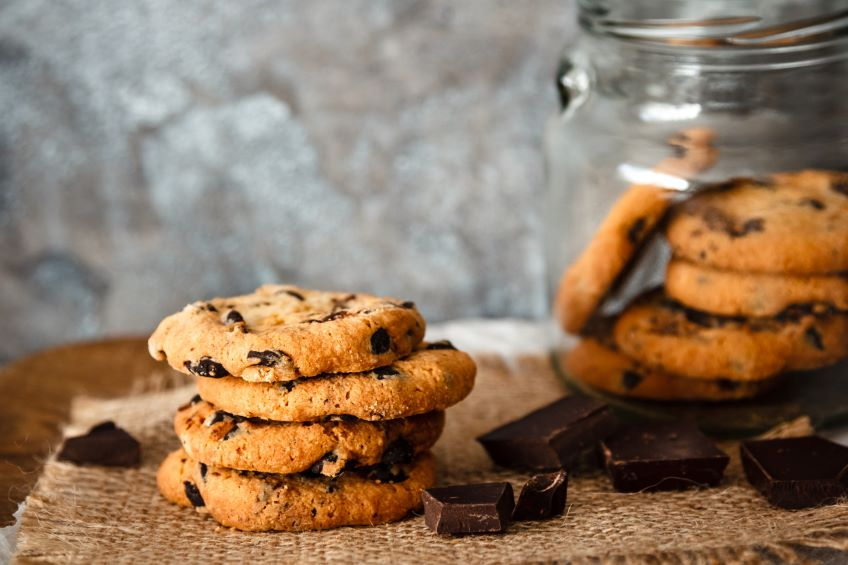

 Making cookies from scratch allows you to customize every aspect, from ingredient quality to flavor profile, without relying on pre-made mixes.
 Mastering cookies requires understanding the science behind each ingredient: flour for structure, butter for texture and flavor, sugar for spread and caramelization, and leaveners for rise and crumb.
 Professional results depend on the right tools. Investing in high-quality basics ensures consistent dough, even baking, and efficient workflow.
 Precision in mixing and handling dough is what separates great cookies from average ones. Small technique tweaks can dramatically improve texture and flavor.
 Consistent size, proper chilling, and strategic placement on the baking sheet are key to even, professional-looking cookies.
 Perfect cookies depend on more than just ingredients—they require precise timing, temperature control, and post-bake handling. How you cool and move cookies after baking has as much impact on their texture as oven temperature and bake time.
 Mastering foundational cookies—chocolate chip, sugar, oatmeal, peanut butter, shortbread, and butter—requires nuanced technique for each type. The following insights go beyond basic recipes to help you achieve optimal results.
 Elevate basic recipes by experimenting with mix-ins, adjusting sugar ratios, or swapping flours. Strategic tweaks yield unique flavors and textures tailored to your preferences.
 Proper storage preserves freshness and texture. For long-term storage, freezing both dough and baked cookies is a pro move for on-demand treats.
 Making cookies from scratch is simple, fun, and allows you to control the ingredients and flavor.


