Is It Better to Bake Chicken at 350 or 400? The Ultimate Temperature Guide
Baking chicken at the right temperature affects how your meal turns out. The choice between 350°F and 400°F changes cooking time, texture, and how crispy the skin gets. Both options work well, but they serve different purposes.
Baking chicken at 400°F produces a crispier exterior and cooks faster, while 350°F creates more tender, evenly cooked meat with less risk of drying out.
Your decision depends on what cut of chicken you’re cooking and how much time you have. Bone-in pieces behave differently than boneless breasts at these temperatures.
This guide breaks down the science behind each temperature option. You’ll learn when to use each method, how cooking times vary by chicken cut, and what internal temperature keeps your food safe. Understanding these differences helps you get consistent results every time you bake chicken.
Why Oven Temperature Makes a Difference
The temperature you set controls how quickly chicken cooks and whether you get crispy skin or tender meat. Heat affects moisture retention, exterior browning, and the chemical reactions that create flavor.
How Oven Temperature Affects Chicken
Baking at 350°F allows heat to penetrate chicken slowly, cooking it evenly from the outside in. This lower temperature reduces the risk of the exterior drying out before the interior reaches 165°F.
At 400°F, the higher heat creates faster surface cooking. Your chicken develops a golden exterior while the inside cooks through in less time. This temperature works best for smaller cuts like breasts or drumsticks that benefit from quick cooking.
The rate of heat transfer changes based on your chosen temperature. Lower settings give you more control and forgiveness if you’re multitasking. Higher temperatures demand closer attention but reward you with reduced cooking times and better surface texture.
Moisture, Texture, and Browning Explained
Chicken contains water-based proteins that respond differently to heat levels. At 350°F, moisture evaporates gradually, keeping the meat soft throughout the cooking process. The skin browns lightly but may lack crispness.
Baking at 400°F accelerates moisture loss from the surface while trapping juices inside. The rapid exterior cooking creates a barrier that seals in internal moisture. This produces meat that stays juicy with a crisp, browned outer layer.
Your choice affects the final texture of both skin and meat. Bone-in pieces retain moisture better at higher temperatures. Boneless cuts risk drying out faster at 400°F unless you monitor them carefully with a thermometer.
The Science of the Maillard Reaction
The Maillard reaction occurs when proteins and sugars in chicken break down under heat, creating brown color and rich flavors. This chemical process begins around 300°F and accelerates as temperature increases.
At 350°F, the Maillard reaction happens slowly, producing subtle browning and mild flavor development. Your chicken will cook through but may appear pale without extended baking time. This temperature prioritizes tenderness over surface complexity.
Baking at 400°F speeds up the Maillard reaction significantly. The higher heat generates deeper caramelization and more pronounced savory notes in less time. You achieve that golden-brown appearance and enhanced taste profile that makes chicken visually appealing and flavorful.
Benefits and Drawbacks of Baking Chicken at 350°F
Baking chicken at 350 degrees offers slower, more controlled cooking that prioritizes moisture retention and even heat distribution. This temperature presents specific trade-offs between tenderness and cooking efficiency.
Advantages of Baking Chicken at 350°F
Baking chicken at 350°f allows proteins to break down gradually, producing meat that stays tender and moist throughout. The lower heat gives you a wider margin of error, reducing the risk of overcooking or drying out your chicken.
This temperature works particularly well for larger cuts and whole chickens that need time to cook through to the center. The extended cooking period lets seasonings and marinades penetrate deeper into the meat, developing richer flavors.
You’ll achieve more uniform cooking from the surface to the bone when you bake chicken at 350. The chicken retains more natural juices because the slower heat doesn’t force moisture out as quickly as higher temperatures do.
Bone-in pieces benefit significantly from this method, as the extra cooking time ensures the meat near the bone reaches a safe 165°F internal temperature without burning the exterior.
Limitations of the 350°F Method
Baking chicken at 350 degrees requires 25-30 minutes or longer depending on the cut, making it less practical when you need a quick meal. The skin tends to remain soft rather than crispy, which disappoints those who prefer a crunchy, golden-brown exterior.
The lower temperature doesn’t trigger the Maillard reaction as effectively, resulting in less caramelization and browning on the chicken’s surface. You sacrifice the smoky, intense flavors that develop at higher heat levels.
Smaller cuts like boneless chicken breasts may become overly soft in texture during the extended cooking time. The method also increases total oven time, which raises energy consumption compared to faster, hotter baking approaches.
Benefits and Drawbacks of Baking Chicken at 400°F
Baking chicken at 400 degrees delivers faster cooking times and crispy skin but requires careful monitoring to prevent overcooking. This temperature setting works particularly well for specific cuts and cooking goals.
Advantages of Baking Chicken at 400°F
Baking chicken at 400°f reduces total cooking time by approximately 25-30% compared to lower temperatures. Boneless breasts finish in 15-25 minutes, while bone-in pieces cook through in 35-45 minutes.
The higher heat triggers the Maillard reaction more effectively, creating a golden-brown exterior with enhanced flavor development. You’ll achieve crispier skin on bone-in cuts, wings, and thighs without additional steps.
This temperature locks in moisture through rapid surface searing when you bake chicken at 400. The quick exterior browning helps seal juices inside the meat, particularly beneficial for smaller cuts like drumsticks and split breasts.
Baking chicken at 400 degrees works efficiently for weeknight meals when time is limited. You can also achieve caramelized glazes and barbecue coatings more successfully at this heat level, as sugars brown without extended exposure.
Limitations of the 400°F Method
The narrow margin for error at 400 degrees increases your risk of dry, overcooked chicken if you misjudge timing. Breasts can transition from perfectly cooked to rubbery within 3-5 minutes of overcooking.
Whole chickens and thick bone-in pieces may develop an overcooked exterior before the interior reaches the required 165°F. This temperature works best for cuts under 8 ounces or pieces less than 1.5 inches thick.
You need to monitor your chicken more closely when baking at 400, checking temperatures earlier than recipe estimates suggest. Uneven oven hot spots become more problematic at higher heat, potentially causing inconsistent results across multiple pieces on the same pan.
Comparing 350°F vs 400°F: Which Is Better?
The best temperature to bake chicken depends on the cut you’re using and your desired outcome. Smaller cuts cook faster at 400°F with better browning, while larger pieces benefit from 350°F’s even heat distribution.
Choosing the Right Temperature for Each Cut
Boneless, skinless chicken breasts work well at either temperature but require careful attention at 400°F to prevent drying. Bone-in pieces like thighs and drumsticks perform better at 400°F because the bones protect the meat from overcooking while the skin crisps.
Whole chickens need 350°F for thorough cooking from the inside out. The lower heat allows the thickest parts near the bones to reach 165°F without burning the exterior. Chicken wings and tenders are ideal candidates for 400°F since their small size cooks quickly and benefits from the high-heat browning.
Skin-on cuts achieve better texture at 400°F where the fat renders properly and creates a golden surface. If you’re cooking mixed cuts on one pan, choose 350°F to ensure everything cooks evenly without monitoring individual pieces.
Effect on Cooking Time and Results
Baking at 400°F reduces cooking time by approximately 25% compared to 350°F. Boneless breasts finish in 15-25 minutes at the higher temperature versus 20-30 minutes at the lower setting. Bone-in pieces take 35-45 minutes at 400°F but need 45-60 minutes at 350°F.
The faster cooking at 400°F produces noticeable surface caramelization through the Maillard reaction. This creates a firmer exterior texture that contrasts with the interior meat. At 350°F, the gentler heat prevents rapid moisture loss at the surface, resulting in more uniform texture throughout the chicken.
Higher temperatures require closer monitoring since the window between perfectly cooked and overdone narrows significantly. A few extra minutes at 400°F can push breast meat past the ideal temperature, while 350°F offers more forgiveness if you need to multitask.
Impact on Flavor and Juiciness
The 400°F method concentrates flavors through caramelization and creates deeper browning compounds on the surface. These reactions develop savory notes that don’t occur as strongly at 350°F. However, the higher heat can dry out lean cuts if you don’t use oil or marinades.
Chicken baked at 350°F retains more natural juices because the slower cooking allows collagen in connective tissue to break down gradually. This makes it particularly effective for bone-in, skin-on cuts where you want tender meat that pulls easily from the bone.
Seasoning penetration works differently at each temperature—350°F gives spices more time to infuse into the meat, while 400°F creates a more pronounced crust with concentrated seasoning on the exterior. Dark meat cuts maintain juiciness at both temperatures due to their higher fat content compared to white meat.
Optimal Chicken Cuts and Cooking Temperatures
Different chicken cuts require specific temperatures to achieve the best texture and moisture levels. Bone-in pieces handle higher heat better than boneless cuts, while skin-on chicken benefits from temperatures that crisp the exterior.
Baking Chicken Breasts
Boneless, skinless chicken breasts perform best at 400°F because the higher temperature cooks them quickly before they dry out. These lean cuts contain minimal fat, making them prone to becoming tough if left in the oven too long.
Bake chicken breasts for 20-25 minutes at 400°F until they reach an internal temperature of 165°F. The rapid cooking time locks in moisture while creating a lightly browned surface.
Bone-in, skin-on breasts can tolerate a range of 375°F to 425°F. The bone protects the meat from drying out, and the skin crisps nicely at higher temperatures.
Preparing Chicken Thighs and Drumsticks
Dark meat cuts contain more fat and connective tissue than breasts, allowing them to stay juicy across a wider temperature range. Thighs and drumsticks excel at 400°F, which renders the fat under the skin while creating a crispy exterior.
Bone-in thighs need 35-40 minutes at 400°F, while drumsticks require 40-45 minutes. Both cuts can handle temperatures between 375°F and 425°F without compromising quality.
Boneless, skinless thighs cook faster, taking only 25-30 minutes at 400°F. Their higher fat content prevents them from drying out as quickly as chicken breasts, giving you more flexibility with timing.
What About Whole Chickens and Wings?
Whole chickens benefit from a two-temperature approach: start at 350°F for even cooking, then increase to 400°F-425°F during the final 15-20 minutes to crisp the skin. A 4-pound whole chicken takes approximately 75-90 minutes total.
Wings cook best at 400°F-425°F for 40-45 minutes, flipping them halfway through. The high temperature renders the fat between the skin and meat, producing the crispy texture wings are known for.
Internal Temperature and Food Safety
No matter which oven temperature you choose, chicken must reach 165°F internally to eliminate harmful bacteria like Salmonella and Campylobacter. Using a meat thermometer is the only reliable way to verify your chicken is fully cooked and safe to eat.
The Importance of 165°F for Chicken
The USDA requires chicken to reach an internal temperature of 165°F to prevent foodborne illness. This temperature destroys harmful bacteria that can cause serious health problems.
Both 350°F and 400°F oven settings will get your chicken to this safe temperature. The difference is timing, not safety.
Higher oven temperatures like 400°F cook chicken faster, which means it reaches 165°F more quickly. Lower temperatures at 350°F take longer but still achieve the same safe internal temperature.
The oven temperature you set is not the same as the internal temperature of the meat. Your oven might be at 400°F, but the center of your chicken breast could still be at 150°F and unsafe to eat.
Using a Meat Thermometer
Insert a meat thermometer into the thickest part of the chicken without touching bone. Bone conducts heat differently and will give you an inaccurate reading.
For chicken breasts, check the center of the thickest part. For whole chickens, measure the innermost part of the thigh and the thickest section of the breast.
Digital instant-read thermometers provide the most accurate results within seconds. Leave-in probe thermometers let you monitor temperature without opening the oven door.
Check multiple spots if you’re cooking several pieces, as chicken cooks unevenly depending on size and placement in the oven. Once all pieces reach 165°F, your chicken is safe to remove and serve.
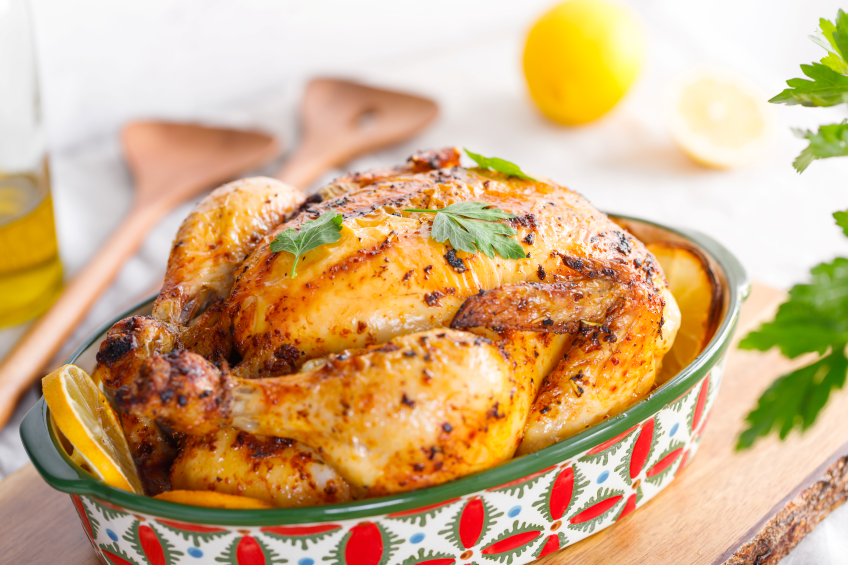

 Baking chicken at the right temperature affects how your meal turns out. The choice between 350°F and 400°F changes cooking time, texture, and how crispy the skin gets. Both options work well, but they serve different purposes.
 The temperature you set controls how quickly chicken cooks and whether you get crispy skin or tender meat. Heat affects moisture retention, exterior browning, and the chemical reactions that create flavor.
 Baking chicken at 350 degrees offers slower, more controlled cooking that prioritizes moisture retention and even heat distribution. This temperature presents specific trade-offs between tenderness and cooking efficiency.

 Different chicken cuts require specific temperatures to achieve the best texture and moisture levels. Bone-in pieces handle higher heat better than boneless cuts, while skin-on chicken benefits from temperatures that crisp the exterior.
 No matter which oven temperature you choose, chicken must reach 165°F internally to eliminate harmful bacteria like Salmonella and Campylobacter. Using a meat thermometer is the only reliable way to verify your chicken is fully cooked and safe to eat.


