Is it Cheaper to Use Propane or Natural Gas for Grill? Cost & Performance Explained
Choosing between propane and natural gas for your grill really does impact both your wallet and your grilling routine. A lot of grill owners find themselves asking which fuel actually saves more money over time.
The answer isn’t totally straightforward—it depends on where you live, how often you fire up the grill, and what you already have set up at home.
Natural gas typically costs less per unit of energy than propane, making it cheaper to operate in the long run if you have access to a gas line.
But the upfront cost to install a natural gas line can be steep if your house doesn’t already have one. Propane, on the other hand, has a lower initial setup cost and you can move your grill wherever you want.
There’s more to the real cost than just fuel prices. Installation, convenience, your grilling habits, and even regional price differences all matter when figuring out which is actually cheaper for you.
Understanding Propane and Natural Gas Grills
Propane and natural gas grills both use gas fuel, but they work a bit differently. Propane grills run on portable tanks, while natural gas grills hook up to your home’s gas line for a steady supply.
What Is a Propane Grill?
Propane grills use liquid propane stored in those familiar portable tanks. You hook a tank to your grill with a hose and regulator.
Most propane tanks hold 20 pounds of fuel, which gives you several hours of cooking. These grills are portable, so you can move them around your yard or even take them camping or tailgating.
When the tank runs dry, just swap it at a store or refill it at a propane station. Propane burns hotter than natural gas—about 2,516 BTUs per pound—so your grill heats up fast.
You control the temperature with knobs that adjust the gas flow. The big advantage here is flexibility. You don’t need a permanent gas line, which is great for renters or anyone who likes moving their grill around.
What Is a Natural Gas Grill?
Natural gas grills hook directly into your home’s natural gas line. You’ll need a professional to install the line out to your grilling spot, which isn’t always cheap.
Once it’s set up, though, you’ve got an unlimited fuel supply and never have to worry about running out mid-cook. The gas comes from the same line as your furnace or water heater.
Natural gas puts out about 1,030 BTUs per cubic foot, so it’s a bit less powerful than propane. Your grill might take a little longer to get screaming hot, but the heat stays nice and steady for longer cooking sessions.
These grills stay put because of the fixed gas line. You can’t easily move them around your yard or take them on the road.
Key Differences Between Gas Grills
Fuel Source and Storage
Propane grills use refillable tanks you store separately. Natural gas grills connect to underground pipelines. This affects where and how you use each type.
Portability
You can move propane grills anywhere. Natural gas grills must stay where the gas line reaches. This makes propane better for renters or people who want flexibility.
Heat Output
Feature
Propane
Natural Gas
BTU per unit
2,516 per pound
1,030 per cubic foot
Heat-up time
Faster
Slower
Temperature control
Precise
Steady
Cost Structure
Propane requires ongoing tank refills or exchanges. Natural gas bills show up monthly with your utilities. Usually, natural gas is cheaper per BTU in most places.
Setup Requirements
Propane grills work right out of the box with a tank. Natural gas grills need professional installation and sometimes permits. The upfront cost for natural gas is higher, but you save on fuel over time.
Comparing Upfront and Long-Term Costs
When you’re weighing propane vs. natural gas, it helps to look at both the initial investment and what you’ll pay down the road. Natural gas usually costs more to set up, but fuel is cheaper. Propane’s cheaper to get started, but you’ll pay more as you go.
Initial Purchase and Installation Costs
Natural gas grills are pricier upfront than propane models. The grill itself often costs $100-$300 more than a similar propane version.
The bigger hit is the installation of a natural gas line, which can run $200 to $1,000 or more, depending on how far it needs to go. If there’s no gas line already near your patio or deck, that’s a one-time expense you can’t avoid.
Propane grills are ready to use right away. Buy the grill, snag a propane tank, and you’re set. A standard 20-pound tank costs $20–$50 to buy or $15–$25 to refill. No installation headaches, which is honestly a relief.
Ongoing Fuel Cost Differences
Natural gas is cheaper than propane when it comes to fuel over time. It typically costs about one-sixth as much per BTU as propane. That means each grilling session costs less with natural gas.
A 20-pound propane tank gives you about 18–20 hours of grilling and costs $15–$25 to refill. If you grill a lot, you might refill 4–8 times per year, so you’re looking at $60–$200 annually on propane.
Natural gas users just pay through their utility bill. The cost per session is usually a lot lower—sometimes saving you 50% or more compared to propane. If you grill all year, these savings add up fast.
Maintenance and Accessory Expenses
Both types need the basics—cleaning grates, checking burners, that sort of thing. Propane grills require you to keep an eye on tank levels and haul tanks around for refills.
Some folks buy an extra tank to avoid running out mid-cook, so there’s a little extra upfront cost. Natural gas grills don’t need tank swaps or refills. The continuous supply means fewer store runs and less hassle overall.
Fuel Efficiency and Performance Factors
Propane and natural gas each deliver different amounts of energy per unit. This affects how fast your grill heats up and how much fuel you burn per cook. Propane puts out more BTUs per cubic foot, so it heats up faster and can hit higher temps.
Energy Content and Heat Output
Propane delivers about 2,500 BTUs per cubic foot, while natural gas clocks in around 1,000. That’s more than double the energy for the same volume. Your grill will hit cooking temp faster with propane.
That higher energy content means stronger flames and quicker recovery when you open the lid. Natural gas grills need bigger burners to match propane’s firepower, so manufacturers tweak their designs to compensate.
Natural gas grills usually have burners with larger orifices to let more gas flow. This helps them reach similar temps to propane grills, though it takes a bit longer to get there.
High-Temperature Grilling Capability
Propane is fantastic for high-temperature grilling thanks to its energy density. Searing steaks at 500°F or higher is easier with propane, and you’ll get a better crust on your meat.
Natural gas grills can hit high temps too, but you’ll need a little more patience. For super quick weeknight searing, propane has the edge. Natural gas shines for slower cooks like roasting or indirect grilling.
The propane vs natural gas grill debate often boils down to max heat. Some pro chefs stick with propane for that reason alone.
Fuel Consumption Rates
Natural gas has lower energy content, so you use more of it to cook the same meal. Your natural gas grill will burn about 2.5 times more fuel by volume than propane, but it’s typically cheaper per unit.
Propane tanks run out faster on long cooks, so you’ll be swapping or refilling them more often. A standard 20-pound tank gives about 18–20 hours of medium-heat cooking. Natural gas just keeps flowing—you never run out in the middle of dinner.
Fuel Type
BTUs per Cubic Foot
Typical Cost Advantage
Refill Needs
Propane
2,500
Higher efficiency
Requires tank refills
Natural Gas
1,000
Lower per-unit cost
Continuous supply
Convenience and Availability
Natural gas offers a constant fuel supply through your home’s gas line, while propane gives you flexibility with portable tanks. Your pick comes down to whether you’d rather never run out of fuel or be able to move your grill anywhere.
Continuous Supply vs. Portability
Natural gas grills connect straight to your home’s gas line. That means you get an unlimited fuel supply—no stopping to refill. You can grill for hours without worrying about running out mid-cook.
Propane grills use portable tanks, so you can move them anywhere. Take your grill to a new spot in the yard, camping, or tailgating. A standard 20-pound tank gives about 18–20 hours of cooking time before you need a new one.
Here’s the trade-off: natural gas keeps you grilling without interruption, but you can’t move the grill far from the line. Propane lets you go anywhere, but you’ll need to keep an eye on your fuel and swap tanks when they’re empty.
Ease of Refueling or Replenishing
With natural gas, refueling isn’t really on your mind. Your grill just stays hooked up to your home’s gas supply all the time.
You flip it on, and you’re cooking. No store runs, no lugging tanks back and forth.
Propane tanks take a bit more effort. You have to check your fuel before every cook so you don’t run out halfway through dinner.
When your propane runs dry, you can swap tanks at gas stations, hardware stores, or even the grocery store. Swaps usually cost $20 to $25.
Refilling at a propane station tends to be cheaper than exchanging. Some folks keep a backup tank handy just in case, which costs more upfront but sure beats running out mid-barbecue.
Natural Gas Availability by Location
Natural gas is, honestly, a location thing. If you’re in a city or suburb, there’s probably a gas line to your house already.
If your home uses natural gas for heat or cooking, adding a grill hookup is usually simple. Rural areas, though, are a different story.
No gas line on your street? Getting one put in is rarely affordable or worth the trouble. In those spots, propane is basically your only choice.
Even if your neighborhood has natural gas, your particular property might not. You’ll have to check with your gas utility to see if it’s possible.
Running a new natural gas line outside can cost anywhere from $200 up to $1,000, depending on how far it needs to go.
Practical Considerations for Choosing a Fuel
This isn’t just about fuel prices—it’s about your house, your grilling style, and what fits your life. The best choice balances setup, safety, and honestly, your own cooking habits.
Installation and Setup Requirements
Natural gas needs a permanent gas line, and you’ll have to get a pro to install it. That usually runs $200 to $1,000, depending on the distance.
Once it’s in, your grill’s stuck in that spot. Want to move it? You’ll need another pro and more money.
This setup works if you’ve got municipal gas and want a fixed outdoor kitchen—not for folks who like to rearrange the patio every spring.
Propane is way easier. You just hook up the tank with a couple of fittings, no need to call anyone.
You can roll your propane grill anywhere, bring it to a friend’s, or haul it to a tailgate or campsite. That’s a big plus for a lot of people.
Setup Comparison:
Factor
Natural Gas
Propane
Professional installation needed
Yes
No
Installation cost
$200-$1,000+
$0
Portability
Fixed location only
Fully portable
DIY-friendly
No
Yes
Environmental and Safety Considerations
Both fuels burn cleaner than charcoal, but their safety quirks differ. Natural gas is lighter than air, so it floats away if it leaks.
Propane’s heavier and can collect in low spots, which is riskier if you don’t have good ventilation. Either way, both make carbon monoxide, so grilling indoors or in a closed garage is a hard no.
Natural gas does put out a bit less carbon dioxide per BTU. But then again, methane leaks from pipelines kind of cancel out that win. For most backyard cooks, the environmental difference is honestly pretty minor.
Usage Scenarios and Lifestyle Fit
If you’re grilling a lot at home and want endless fuel, natural gas is tough to beat. It’s awesome for built-in setups and folks grilling several nights a week.
Propane is better for the occasional griller, renters, or anyone who wants to move the grill around. A typical 20-pound tank lasts about 18 to 20 hours, which is plenty if you’re just firing it up on weekends.
Propane advantages: easy to move for camping or tailgates, no pipeline needed in rural spots, and it gets hot enough for searing steaks or pizzas at 700°F+.
Natural gas advantages: always-on fuel, cheaper in the long run if you grill all year, and you never have to swap out tanks.
If you’re renting, propane is pretty much your only real option. Landlords aren’t usually keen on permanent gas lines.
Making the Cost-Effective Choice for Your Grilling Needs
Natural gas is usually cheaper per unit than propane, but your actual savings depend on installation costs, how much you grill, and what fuel sells for in your area. The right pick comes down to crunching your total costs over time and matching fuel to your grilling habits.
Long-Term Cost Calculations
Natural gas averages $10 to $15 per thousand cubic feet. Propane runs $15 to $25 per gallon.
If you want a fair comparison, one gallon of propane is about 27 cubic feet of natural gas in heat. Over five years, natural gas users typically spend $200 to $400 on fuel, while propane folks often shell out $400 to $700.
Of course, the natural gas install can cost $500 to $2,000 up front. You’ll probably break even after two to four years if you grill a lot.
Propane grills are cheaper to start but cost more over time. Figure out how often you grill each year to see when—if ever—natural gas pays off.
Best Use Cases for Each Fuel Type
Natural gas is best if you’re grilling three or more times a week and already have gas lines nearby. You never run out of fuel, and it’s great for homeowners who plan to stick around awhile.
Propane’s the move for occasional grillers or folks who cook once or twice a month. The portability is huge, especially for renters or anyone who likes to take the grill on the road.
Choose natural gas for:
Frequent grilling sessions
Permanent outdoor kitchens
Homes with existing gas lines
Pick propane for:
Portable grilling needs
Rental properties
Infrequent use patterns
Switching or Converting Between Fuels
Most propane grills can be converted to natural gas with a conversion kit, which usually runs between $50 and $150. These kits come with new orifices, hoses, and fittings sized for the lower pressure of natural gas.
You’ll still need a pro to install a gas line to wherever your grill’s going. That part’s not really a DIY project for most people.
Before you jump in, check your grill’s manual to make sure conversion is even possible. Some brands are oddly strict—if you mess with the fuel system yourself, you could void the warranty.
Switching from natural gas back to propane is generally simpler and less expensive. All you really need is a propane conversion kit and a regular tank, which is nice if you’re moving somewhere without a gas hookup or just want something more portable.
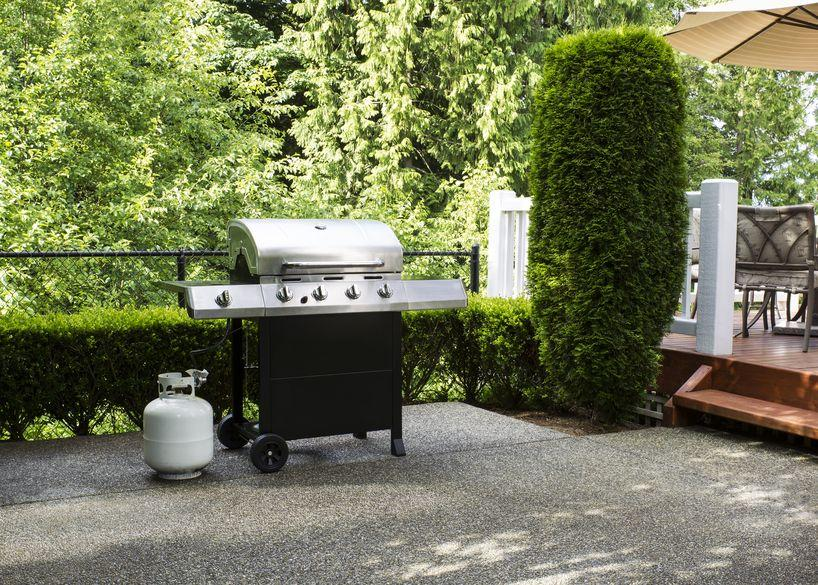

 Choosing between propane and natural gas for your grill really does impact both your wallet and your grilling routine. A lot of grill owners find themselves asking which fuel actually saves more money over time.


 Natural gas is usually cheaper per unit than propane, but your actual savings depend on installation costs, how much you grill, and what fuel sells for in your area. The right pick comes down to crunching your total costs over time and matching fuel to your grilling habits.


