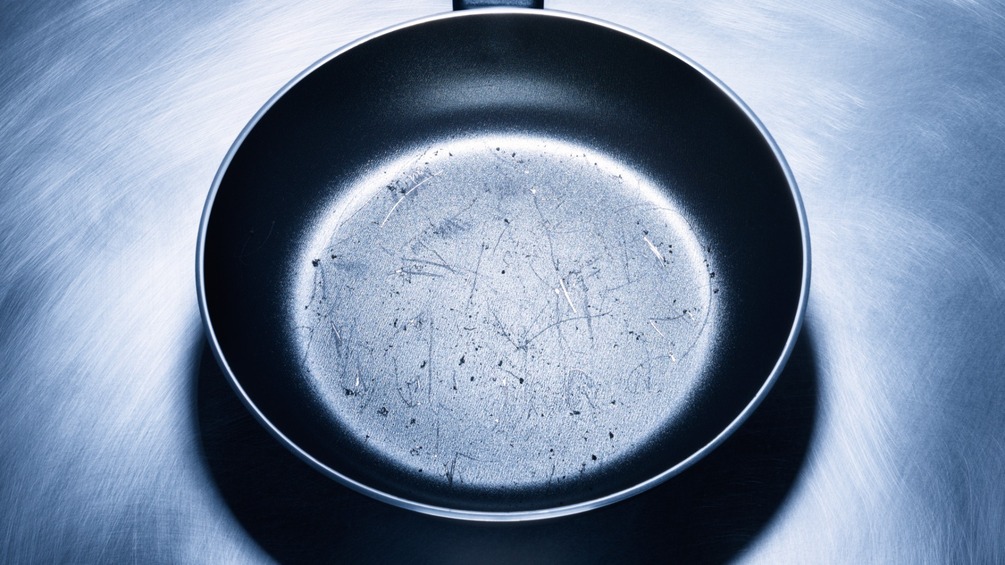
Should I Throw Away My Scratched Non-Stick Pan? Expert Guidance & Safer Choices
Nonstick pans make cooking a breeze, but honestly, they’re not built to last forever. Scratches show up eventually, and it’s natural to wonder if your pan is still safe to use.
The answer really depends on the extent of the damage and the materials inside your pan.
You should throw away your scratched nonstick pan if the coating is visibly damaged, chipped, or flaking, especially if the pan was made before 2015.
Scratched pans can send tiny particles into your food, and older pans sometimes have chemicals that might not be great for you. If your food starts sticking, that’s another sign the coating’s pretty much done for.
This article will dig into what causes those annoying scratches, what’s actually in the pan’s coating, and what kind of risks you might be looking at. You’ll also find out when to swap out your pan, what safer alternatives are out there, and how to make your nonstick cookware last longer.
How Scratches Occur on Non-Stick Pans
Non-stick pans get scratched up from everyday cooking and, let’s face it, sometimes not-so-great care. Metal utensils, high heat, and rough cleaning all take a toll on that delicate coating over time.
Common Causes of Scratching
Your nonstick pan faces damage from a bunch of sources in the kitchen. Stacking pans without any protection? That friction wears down the coating fast.
When you plop one pan on top of another, the bottom of the upper pan can rub right against the non-stick surface below. Dropping utensils or other stuff into the pan is another quick way to do some real damage.
Even a small impact can chip or scratch the coating. Cutting food right in the pan with a knife? That’s one of the quickest ways to get deep scratches you’ll regret.
Abrasive cleaning tools are also a nightmare for non-stick layers. Steel wool, scouring pads, and rough sponges just strip away the coating. Honestly, those should never go near your nonstick cookware.
Impact of Metal Utensils
Metal spatulas, forks, and spoons are probably the biggest culprits for scratches. The hard edges of stainless steel or aluminum tools scrape the soft coating every time you flip an egg or stir veggies.
Metal whisks? Even worse. All those wires touch the pan at once, making a bunch of little scratch lines even if you’re gentle.
It’s better to stick with silicone and woodenutensils. These are softer, so they won’t dig into the coating. They might not last forever either, but your pan will thank you.
Effects of High Heat
Cranking up the heat weakens the non-stick coating and makes it way more likely to scratch. Once you get above 500°F, the coating starts to break down and gets brittle.
Putting a cold pan on a blazing hot burner causes the coating to crack from the sudden temperature change. Those stress fractures become scratches pretty quickly.
Preheating an empty pan is a fast track to ruining it. Always add some oil or food before turning on the heat. Medium or low temps are best for nonstick cookware, and they’ll help it last longer.
Improper Cleaning and Storage
Putting nonstick pans in the dishwasher exposes them to harsh detergents and high heat. That aggressive cycle breaks down the coating over time.
Spray jets can also knock pans around, causing scratches. Stacking pans withoutpan protectors in between? The weight and friction just grind away at the coating.
Felt or silicone dividers are a simple fix for this. And when it comes to cleaning, skip the rough stuff. Soak off dried food and use a soft sponge with mild dish soap. Hand washing beats machine washing for keeping nonstick pans in decent shape.
Understanding Non-Stick Coatings and Materials
Non-stick pans have special coatings that keep food from sticking. These coatings use different chemicals, so knowing what’s in your pan helps you figure out if scratches are a real safety worry.
Teflon and PTFE Explained
PTFE—polytetrafluoroethylene—is the main ingredient in most non-stick coatings, including Teflon (that’s just a brand name, by the way).
PTFE gives that slippery surface that makes eggs slide right off. It’s pretty stable and doesn’t react with food under normal cooking conditions.
Your pan probably has a few layers of PTFE bonded to the metal base. That’s done with heat, and the magic is in how low the friction is—it’s tough for anything to stick.
PTFE is generally considered safe if you use it right. It holds up at normal cooking temps, but if you heat an empty pan above 500°F, the coating can start releasing fumes.
Role of PFOA and PFOS
PFOA (perfluorooctanoic acid) and PFOS (perfluorooctanesulfonic acid) used to be part of making PTFE coatings before 2013. They helped the PTFE stick during production.
Research linked PFOA and PFOS to some health problems, like:
High cholesterol
Thyroid issues
Certain cancers
Immune system problems
Most big manufacturers stopped using PFOA in 2013. If your pan’s newer than that, it probably doesn’t have PFOA or PFOS. Older pans might still have a little bit left in the coating, though.
The chemicals were supposed to burn off during manufacturing, but sometimes a trace amount stuck around.
Emergence of PFAS and ‘Forever Chemicals’
PFAS (per- and polyfluoroalkyl substances) is a big family of synthetic chemicals. PFOA and PFOS are both types of PFAS, and they’re called “forever chemicals” because they just don’t break down in nature.
Lots of modern non-stick coatings still use some PFAS, even though PFOA is out. Other PFAS chemicals have taken its place in the factory process.
The health effects of the newer PFAS are still kind of a mystery. Some brands now make PTFE-free pans, often using ceramic coatings. These ceramic options skip PFAS entirely, but they don’t always last as long.
PFAS can build up in your body over time since your system can’t really get rid of them. That’s why people worry about long-term exposure, even in small amounts.
Differences Among Popular Non-Stick Brands
Brands use different coating methods and thicknesses. Some go with three layers, others pile on five or more.
Premium brands often reinforce their coatings with tough particles—titanium or diamond, for example. That makes them more scratch-resistant. Scanpan and Swiss Diamond are known for this trick.
Ceramic non-stick pans, like GreenPan or Caraway, use silicon-based coatings instead of PTFE. They don’t use PFAS at all, but honestly, they tend to wear out faster.
Cheaper brands usually have thinner coatings and lower-quality base metals, which can warp or scratch more easily. Higher-end pans have thicker bases and distribute heat better.
Some brands now advertise “PFOA-free” or “PFAS-free,” but check if they mean the final product or just the manufacturing process. That detail matters for your safety.
Health and Safety Risks of Scratched Non-Stick Pans
Using scratched nonstick pans brings up a few health concerns that aren’t just about sticky eggs. Damaged coatings can send tiny particles into your food and expose you to chemicals you probably don’t want in your body.
Release of Microplastics and Nanoplastics
Scratched nonstick pans shed microplastics and nanoplastics during cooking. These tiny bits come from the coating breaking down under heat and stress.
Studies show a single damaged pan can release thousands of plastic particles in one meal. Microplastics are smaller than 5 millimeters, and nanoplastics are even tinier—way too small to see.
When your pan flakes or chips, those particles mix right into your food. Scientists aren’t totally sure what eating these does long-term, but some research suggests they can build up in your body.
There’s even a chance they could cross into your bloodstream and organs. The more scratched up your pan is, the more particles you’re likely to eat.
Potential Chemical Leaching
Older scratched pans made before 2013 might have PFOA in the coating. The EPA links PFOA to things like thyroid disease and kidney cancer.
Modern pans don’t use PFOA anymore, but they often still contain other PFAS compounds—yep, those “forever chemicals.” These chemicals don’t break down in the environment or your body, and scratches make it easier for them to get into your food.
Acidic foods, like tomato sauce, can make the leaching problem worse. If scratches go deep enough to expose the metal underneath, that’s another issue. Aluminum can leach into your food, especially with acidic or salty dishes.
Small amounts of aluminum probably aren’t an emergency, but why risk it?
Dangers of Overheating Damaged Cookware
Overheating scratched nonstick pans (above 500°F) releases toxic fumes. The damaged areas break down faster than the rest.
These fumes can cause something called polymer fume fever—headaches, chills, even a fever. Birds are especially sensitive and can actually die from the fumes.
Scratched pans hit dangerous temps faster because they don’t distribute heat evenly. You might not even realize you’re overheating it, especially if the pan’s empty.
If you’re using damaged cookware, ventilation is super important. Always flip on your exhaust fan, just in case.
When to Replace Your Non-Stick Pan
Not every scratch means you have to toss your non-stick pan right away. The real question is how deep the damage goes and how the pan performs when you cook.
Superficial Versus Deep Scratches
Light surface scratches that don’t go through the coating are usually just cosmetic. If you run your finger over them and barely feel anything, you’re probably okay—for now.
They might make the pan a little less non-stick, but they’re not an immediate health risk. Deep scratches are a different story.
If scratches cut through the coating and you can see the silver or gray metal underneath, that’s bad news. The exposed metal can leach aluminum into your food, especially with acidic ingredients.
To check, hold your pan under bright light and press your fingernail into the scratch. If it catches or you spot bare metal, it’s time to say goodbye to that pan.
Signs Your Pan Should Be Discarded
It’s time to toss your pan if you spot flaking or peeling on the non-stick coating. Those bits can end up in your food, and that’s definitely not ideal.
When you see visible chunks missing, the coating’s basically given up. That’s a clear sign things have gone south.
Other warning signs include:
Large areas of exposed metal showing through the coating
Warping that prevents the pan from sitting flat on your burner
Discoloration that looks burned or permanently stained
Multiple deep scratches across the cooking surface
If your pan was made before 2013 and you notice any coating damage, it’s probably time for a replacement. Older pans like these might still have PFOA in the coating, which is something you don’t really want in your kitchen.
Functional Issues and Performance Decline
When food starts sticking every time, that’s your cue. If eggs or pancakes that once slid out now need extra oil and scraping, the non-stick surface is pretty much shot.
Uneven heating is another red flag. If your pan burns food in some spots but leaves other areas undercooked, the structure’s likely compromised.
A good non-stick pan usually lasts three to five yearsif you treat it right. If yours is in that age range and has several issues, replacing it just makes sense.
When poor performance and visible damage team up, that’s the end of the road for your pan.
Alternatives to Traditional Non-Stick Cookware
There are plenty of cookware materials out there that can take the place of non-stick pans. Each one has its own quirks, perks, and care needs.
Ceramic Cookware Options
Ceramic cookware uses a silicon dioxide coating instead of PTFE. This makes for a slick surface that resists sticking, and you don’t get the usual chemicals.
The coating can handle temps up to 450°F, which is higher than what you get with standard non-stick. These pans are great for eggs, pancakes, and other delicate foods, though you’ll still want to use a bit of oil or butter for best results.
Honestly, the coating doesn’t last forever—maybe one to two years with regular use. If you want better durability, look for high-quality ceramic brands. Cheap ones can chip or peel before you know it.
It features a ceramic coating that is free from PTFE and PFOA, delivering reliable non-stick performance for cooking eggs, pancakes, vegetables, and other delicate foods with minimal cleanup.
The pan is compatible with all stovetops, including induction, and is oven-safe, making it a versatile and health-conscious choice for everyday cooking.
Benefits of Cast Iron and Carbon Steel
Cast iron develops a natural non-stick surface through seasoning. That just means coating the pan with oil and heating it until it forms a protective layer.
Cast iron skillets distribute heat super evenly and canlast for generations with proper care.
Key advantages of cast iron:
Withstands extremely high temperatures
Works on stovetops and in ovens
Adds small amounts of iron to food
Gets more non-stick over time
A highly popular cast iron skillet that comes pre-seasoned and ready to use is the Lodge 10.25-Inch Cast Iron Skillet, it offers excellent heat retention and even cooking for searing, frying, baking, and more.
It’s durable cookware that can last generations and works on stovetop, grill, oven, or campfire.
Carbon steel pans are kind of like cast iron’s lighter cousin. They heat up faster and respond to temperature changes quickly, which is nice if you’re impatient.
It develops a natural nonstick patina with use and is great for searing, frying, and sautéing on all stovetops and even in the oven.
Both cast iron and carbon steel need seasoning and should be hand-washed—skip the soap to keep the coating happy.
Stainless Steel Pans as a Substitute
Stainless steel pans don’t have a non-stick coating, but they’re champs at browning and searing. Pans with an aluminum or copper core heat evenly, which makes a big difference.
You can use metal utensils without worrying about scratches. Just be aware—food will stick if you don’t preheat the pan or use enough fat.
Give the pan two or three minutes to heat up, then add oil. Wait for the oil to shimmer before tossing in your food. If you move things too soon, they’ll stick, so let them cook undisturbed until they release naturally.
A high-quality choice in stainless steel cookware is the All-Clad D3 Stainless Fry Pan. Made with bonded stainless steel and an aluminum core, it delivers even heating and excellent browning without hot spots.
This pan is durable, non-reactive, and ideal for searing meats, sautéing vegetables, and deglazing sauces. It’s compatible with all stovetops, including induction, and oven-safe, making it a reliable, long-lasting option for a wide range of cooking tasks.
Stainless steel pans are dishwasher-safe and tough as nails. They’ll last for decades and don’t wear down like coated pans do.
Best Practices for Maintaining Non-Stick Pans
If you want your non-stick pans to last longer, a little extra care goes a long way. Simple tweaks in how you cook, clean, and store your pans can save you from scratches and early retirement.
Utensil Choices and Cooking Habits
Stick to silicone, wood, or nylon utensils with non-stick pans. Metal utensils are just asking for trouble and will scratch up the surface before you know it.
Keep the heat on low to medium. Cranking it up high breaks down the non-stick coating faster and can release stuff you don’t want in your food.
Let your pan heat up slowly instead of blasting the burner. Even though it’s non-stick, a little oil or butter helps protect the coating and keeps your pan going strong.
Try not to move food around too much with hard utensils. Also, let the pan cool on its own after cooking—don’t shock it with cold water, or you might end up with a warped mess.
Safe Cleaning Techniques
Wash non-stick pans by hand with warm water and mild dish soap. Use a soft sponge or cloth—never steel wool or abrasive cleaners, unless you want a scratched-up pan.
Clean your pan after each use while it’s still a bit warm. That makes food easier to remove and helps avoid buildup.
If something’s really stuck, just soak the pan in warm soapy water for 10–15 minutes. Skip the dishwasher—even if the box says it’s safe—because harsh detergents and high heat can wear down the coating fast.
Let pans air-dry or use a soft towel. Paper towels can be a bit rough, so maybe avoid those if you can.
Proper Storage Solutions
Store your non-stick pans with care to keep them scratch-free. Don’t just stack them on top of each other without any protection.
Use pan protectors, or even just a dish towel or paper towel, between each pan when stacking. Those soft pads keep the surfaces safe.
If you’ve got the space, hang your pans on a pot rack. That keeps them separated, and scratches become a non-issue.
Store lids separately so they don’t bang against the non-stick surface. It’s a small thing, but it helps a lot in the long run.
Extending the Pan’s Lifespan
Skip the cooking spray and just use a dab of regular oil or butter instead. Those sprays have weird additives that can gunk up non-stick surfaces and leave them annoyingly sticky after a while.
Every few months, try seasoning your non-stick pans. Just rub a thin layer of oil on the surface and heat it up on low for a few minutes.
This little ritual helps fill in tiny scratches and keeps the coating feeling fresh. It doesn’t take much effort, honestly.
Be picky about what you cook in your non-stick pans. They’re best for eggs, fish, and other finicky foods that love to stick.
If you’re searing steak or cranking up the heat, reach for stainless steel or cast iron instead. Non-stick just isn’t built for that kind of abuse.
Keep an eye on your pans. If you spot warping, deep scratches, or peeling, or if food suddenly won’t stop sticking, it’s probably time to let that pan go.