When Should You Throw Away Non-Stick Pans? Signs and Safe Practices
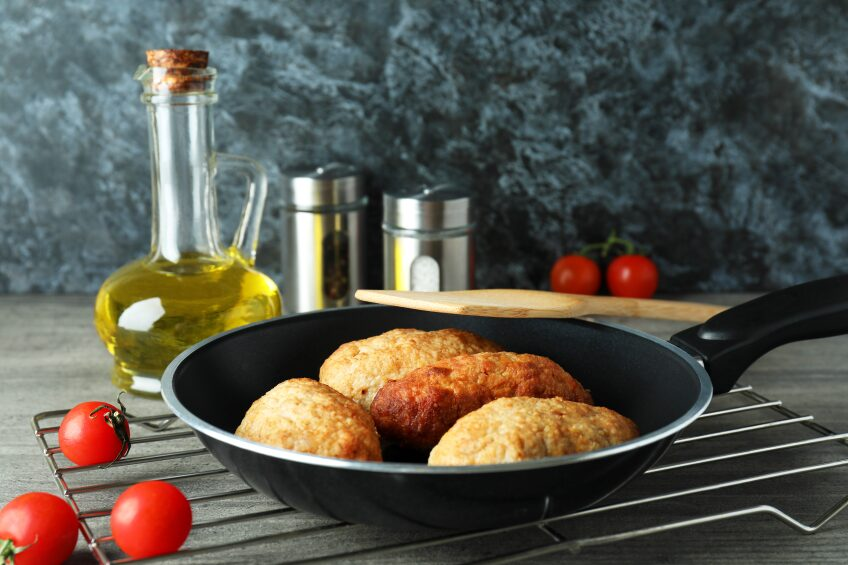
Non-stick pans make cooking and cleanup easier, but let’s be honest—they don’t last forever. Unlike cast iron or stainless steel, which can become family heirlooms, non-stick pans have a coating that eventually gives out.
You should throw away your non-stick pan when you notice deep scratches, peeling or flaking coating, dark discoloration, or warping.
Knowing when to replace your non-stick cookware protects your health and improves your cooking results. A damaged coating can release particles into your food and loses its non-stick properties.
Most non-stick pans need replacement every three to five years, depending on how often you use them and how well you care for them. Some folks stretch it longer, but that’s usually pushing your luck.
Let’s dig into the warning signs your pan’s time is up. We’ll also look at different coatings, potential health concerns, and a few tips to make your cookware last longer.
And if you’re wondering what to do with that old pan or how to pick a new one, that’s coming up too.
Understanding Non-Stick Pan Coatings
Non-stick pans use special coatings to prevent food from sticking. These coatings aren’t all created equal, and knowing what your cookware’s made of actually matters.
What Is Non-Stick Coating?
Non-stick coating is a thin layer applied to the surface of pots and pans, creating a slippery barrier between your food and the metal base. This layer has an extremely low coefficient of friction, so food slides off easily.
The coating lets you use less oil or butter and makes cleanup less of a chore. When you heat a non-stick pan, the coating stays slick—at least up to a point.
Unlike materials such as cast iron or stainless steel, which build up their own cooking surfaces over time, non-stick coatings are synthetic. That’s why non-stick cookware just can’t compete with grandma’s old skillet for longevity.
Teflon, PTFE, and PFOA Explained
PTFE (polytetrafluoroethylene) is the synthetic polymer used for most non-stick coatings. Teflon is just the famous brand name for PTFE—think Kleenex but for pans.
PFOA (perfluorooctanoic acid) was a chemical used in making PTFE before 2013. It raised plenty of health flags, so manufacturers ditched it. If your pan was made after 2013, it shouldn’t have PFOA in it.
Modern non-stick coatings are PTFE-based but PFOA-free. PTFE itself is stable and considered safe below 500°F, but crank up the heat too high and the coating can break down and release fumes.
Common Materials in Non-Stick Cookware
Your non-stick pan is usually built from a few main components:
Base metal: Usually aluminum or stainless steel
PTFE coating: One to three layers, depending on quality
Handle material: Silicone, plastic, or metal
Professional-grade pans often have more layers of coating for better durability. The base metal matters too—aluminum gives even heating, while stainless steel feels more solid.
Some brands use ceramic-based non-stick coatings instead of PTFE. Ceramic works differently but still gives you a non-stick surface, though it faces similar durability limitations over time.
Key Signs It’s Time to Replace Non-Stick Pans
Non-stick pans aren’t shy about telling you when they’re done. Watch for physical damage like scratches, coating problems, or shape changes that mess with your cooking.
Deep Scratches and Chipping
Deep scratches cut through the non-stick surface and make food stick where it used to slide. When you see scratches that reach the metal, the pan’s smoothness is gone.
Light marks might not matter right away, but deep scratches expose the metal and make rough spots. Suddenly, eggs and pancakes stick and tear, and you find yourself reaching for more oil.
Chipping is when pieces of the coating actually break off. It usually starts at the edges or where scratches are worst. Once chipping starts, it spreads, and the coating’s bond gets weaker. Even small chips are a sign it’s time to toss the pan.
Flaking or Peeling Coating
Flaking is when the non-stick coating comes off in tiny pieces. You might spot flakes in your food or see bare patches on the pan. That means the bond between coating and metal is shot.
Peeling is more dramatic, with bigger sections lifting away, often at the edges or center. If you see peeling, the pan’s non-stick days are over.
Common signs of coating failure:
White or discolored patches
Visible gaps where coating is missing
Rough texture instead of smooth
Dark spots that won’t scrub off
Once flaking or peeling starts, the rest of the coating will keep breaking down. There’s no turning back, unfortunately.
Pan Warping and Deformation
Warped pans don’t sit flat on the stove. Place yours on a counter—if it wobbles, it’s warped. That uneven bottom means trouble.
Warping leads to uneven heating and annoying hot spots. You’ll get burnt patches and undercooked spots in the same meal.
Problems with warped pans:
Oil pools on one side
Pan spins or slides on smooth cooktops
Food browns unevenly
Heat just doesn’t spread right
High heat is usually to blame for warping. Once it happens, the shape is set—there’s really no fixing it.
Additional Red Flags for Discarding Non-Stick Pans
Even if your pan isn’t obviously scratched up, there are other warning signs. Some are subtle, some are not, but they all mean it’s time to let go.
Persistent Food Sticking
If food starts sticking where it used to slide, your coating’s probably worn out. This happens after enough use and heat cycles.
Eggs that once glided now cling. Pancakes tear. Even extra oil won’t help anymore.
That means the non-stick layer is too thin to do its job. Usually, this happens after a couple of years, maybe sooner if you use the pan a lot.
Signs of coating failure:
Food needs way more oil to not stick
Residue builds up even with good cleaning
Old cooking temps don’t work anymore
There’s no way to restore a worn-out coating. If everything sticks, it’s time for a new pan.
Dark Discoloration and Stains
Light stains are normal, but dark discoloration is a red flag. Dark spots and heavy stains mean the coating’s breaking down.
They usually show up after high heat or cooking acidic foods. These marks don’t wash off and signal deeper damage.
At that point, the protective layer is gone, and the pan can’t keep stuff from leaching into your food.
Loose or Damaged Handles
Loose handles are a safety hazard, plain and simple. If your handle wobbles or feels weak, it’s risky to use—especially with hot food.
Handle problems to watch for:
Handle wobbles or rotates
Visible gaps between handle and pan
Screws that won’t stay tight
Cracks in the handle
Sometimes you can tighten a screw, but often the connection is just worn out. If you can’t fix it easily, don’t risk it—replace the pan.
Health and Safety Risks of Damaged Non-Stick Pans
Once your non-stick pan is damaged, you’ve got two issues: the coating can break down and release chemicals into your food, and scratches can trap bacteria that are tough to clean out.
Potential Chemical Exposure
Damaged pans can shed PTFE particles into your food if the coating chips or peels. Modern pans are PFOA-free, but they’re still made with synthetic chemicals. When scratched or overheated, bits of Teflon can flake off and end up in your meal.
High heat (especially above 500°F) speeds up this breakdown. If you see visible damage—scratches, chips, or peeling—the pan’s no longer a safe barrier. You’re more likely to eat coating particles without realizing it.
Signs of chemical risk:
Visible flaking or peeling
Coating looks discolored
Surface feels rough or patchy
White or dark spots on the pan
Bacteria and Food Safety Concerns
Scratches and chips create tiny grooves where bacteria can hide out. These spots are tough to clean, even with soap and hot water. Food gets stuck, and bacteria get comfy.
When the surface is smooth, bacteria can’t take hold. But once it’s damaged, your pan can’t protect you. You can’t see bacteria, which makes it tricky—plus, the uneven surface doesn’t heat up evenly, so germs might survive.
Dishwashers can’t really reach into those grooves either, so don’t count on that for a fix.
Average Lifespan of Non-Stick Cookware
Most non-stick pans last about 3 to 5 years with regular use. The real lifespan depends on how you use them, how you clean them, and honestly, the quality of the pan you started with.
General Replacement Timeline
You should probably replace your nonstick cookware every 3 to 5 years if you’re using it under typical cooking conditions. Some high-quality nonstick pans might last up to 7 years—if you baby them, anyway.
Budget-friendly nonstick pans? They often wear out faster, sometimes barely making it past 2 years. Cheaper pans use thinner coatings, and those just don’t hold up.
If your old cookware is from 2015 or before, it’s time for an upgrade—even if it looks okay. Older nonstick pans could have materials that aren’t considered safe anymore.
Most nonstick cookware ends up in landfills within 2 years of purchase, but hey, proper care can stretch that out quite a bit.
Factors That Affect Longevity
Heat exposure is huge when it comes to how long your nonstick pans stick around. Cooking on high heat will break down the coating way faster than sticking to medium or low temps.
The dishwasher’s not your friend here either; the high heat and harsh detergents just wear out the coating. It’s a bit of a bummer for convenience lovers.
The utensils you use are another biggie. Metal utensils scratch up the coating, while wooden or silicone tools keep things smooth. Storage matters too—stacking pans without something soft in between? That’s just asking for scratches and chips.
Manufacturing quality sets the baseline. Professional-grade nonstick cookware usually has thicker, tougher coatings that hold up better than the flimsy layers on cheap pans.
The base material counts, too. Stainless steel or aluminum bases last longer than those thin metals that warp if you look at them sideways.
Proper Care to Extend Pan Lifespan
Taking care of your non-stick pans the right way can actually add years to their lifespan. Little habits like using the right utensils, gentle cleaning, and storing them properly really do make a difference.
Cleaning Best Practices
Hand wash your non-stick pans with warm water and a soft sponge. Dishwashers? Not so great—their harsh detergents and high heat just break down the coating.
Use only the soft side of your sponge. Steel wool and abrasive scrubbers are the enemy here; they’ll scratch up the surface and make things worse over time.
Clean your pans once they’ve cooled to room temp. If you leave food residue sitting on the surface, it gets harder to remove and can stain or cause buildup that wears down the coating.
For stubborn, stuck-on food, just soak the pan in warm soapy water for about 15-20 minutes. That usually does the trick, no need to go wild with scrubbing.
Skip harsh chemical cleaners or oven cleaners on non-stick surfaces. Dry your pans completely before putting them away—water spots are annoying and can cause damage over time.
Avoiding Metal and Abrasive Utensils
Metal utensils are basically the fastest way to ruin a non-stick coating. Forks, knives, whisks, and spatulas made of metal just cut into the surface and expose the base underneath.
Stick with wooden, silicone, or nylon utensils. These are gentle enough to keep your pan’s coating safe but still get the job done. Personally, I love silicone spatulas—they’re great for flipping and stirring without any drama.
Don’t cut food directly in the pan, even with the right utensils. Move things to a cutting board first. Non-stick pans just aren’t built for that kind of abuse, unlike cast iron or stainless steel that can handle a little roughhousing.
How to Store Non-Stick Pans
Stacking your non-stick pans right on top of each other? That’s a recipe for scratches. The bottom of one pan can easily mess up the coating on the one below.
Put something soft between each pan if you have to stack—pan protectors, dish towels, or even paper towels work. It’s simple, but it really helps.
If you’ve got the space, hang your pans on a pot rack. Keeps them separated and easy to grab. If stacking is your only option, keep non-stick pieces away from heavy ceramic or cast iron cookware—those can dent or scratch the softer non-stick surface in no time.
Environmentally Responsible Disposal and Alternatives
When your non-stick pan’s toast, disposing of it properly protects both the environment and your health. There are a few ways to handle old pans, and some alternatives worth thinking about for your next purchase.
How to Dispose of Non-Stick Pans
Most non-stick pans can’t go in your regular recycling bin. The PTFE coating makes them tricky for standard recycling facilities.
You’ll have to toss worn-out non-stick cookware in the regular trash, but wrap it up first—newspaper or a sealed bag works—to keep flakes from the coating from getting everywhere.
Check with your local waste management folks before you toss anything. Some areas have special collection programs for non-stick pans, and a few communities accept them at hazardous waste events.
Options for Recycling or Repurposing
Some specialty recycling programs will take non-stick cookware, depending on where you live. Try calling scrap metal recycling centers to see if they can separate the coating from the metal base. A handful of facilities can handle that.
Repurposing options include:
Use pans with damaged coating for non-food stuff, like mixing paint or craft projects
Turn old pans into garden planters—just add some drainage holes
Donate pans with only minor wear to organizations that accept used cookware
Some cookware manufacturers offer mail-in recycling programs. You might even get a trade-in credit if you send back your old pans when you buy new ones.
Alternatives to Non-Stick Cookware
Stainless steel pans can last for decades—seriously, they’re tough. They work well for most cooking tasks.
They heat evenly and handle high temperatures without a fuss. You’ll want to use proper cooking techniques and enough fat, or things might stick a bit.
Cast iron cookware gives you a naturally non-stick surface if you keep it seasoned. These pans can last for generations with just basic care.
They even add a little iron to your food, which is kind of neat if you ask me.
Ceramic cookware has a non-stick surface but skips the PTFE coatings. A good ceramic pan will last three to five years if you treat it right.
Just stick to low or medium heat—these don’t love super high temps.
Carbon steel pans are sort of a mix between cast iron and stainless steel. They build up a natural non-stick patina with use and heat up in no time.

 Non-stick pans make cooking and cleanup easier, but let’s be honest—they don’t last forever. Unlike cast iron or stainless steel, which can become family heirlooms, non-stick pans have a coating that eventually gives out.


