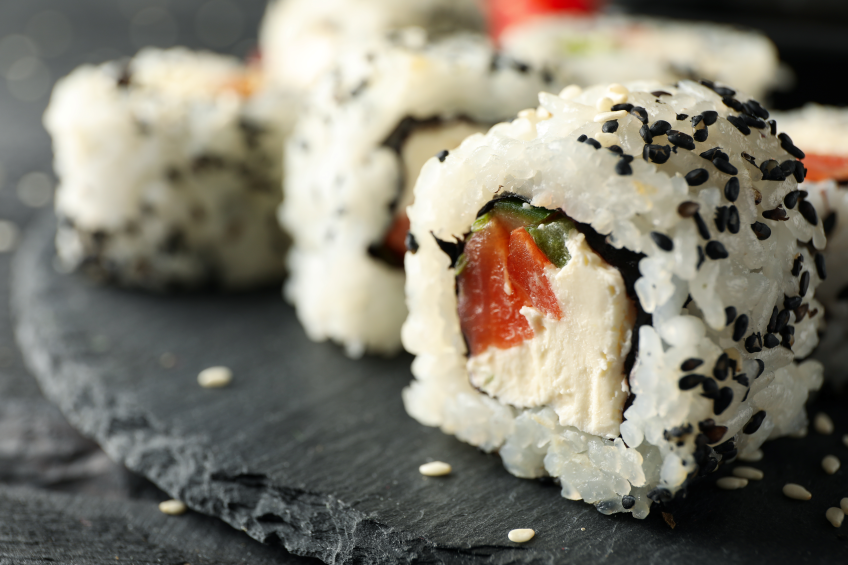

 Sushi is often considered one of the healthier meal options out there. But what really earns those colorful rolls and pristine slices of fish their reputation?
Sushi is healthy because it combines lean protein from fish, essential nutrients from seaweed, and healthy fats like omega-3s, all while staying low in calories and processed ingredients.
The health benefits go beyond just the fish. When you eat sushi, you’re getting a balanced meal that includes vegetables, rice, and ingredients like seaweed that contain vitamins and minerals your body needs.
The fish commonly used in sushi, like salmon and tuna, provide omega-3 fatty acids that support your heart and brain health. This article will help you understand what makes sushi nutritious, which types offer the most health benefits, and how to make smart choices when ordering.
You’ll also learn about potential risks to watch for and how to get the most nutrition from your sushi meals.
What Makes Sushi So Healthy?
 Sushi gets its health benefits from three main components: fresh fish rich in omega-3 fatty acids, minimal processing that preserves nutrients, and nutrient-dense ingredients like seaweed that add vitamins and minerals.
Core Ingredients and Their Nutritional Value
Sushi combines simple ingredients that work together to create a balanced meal. The rice provides carbohydrates for energy, while fish delivers lean protein.
Vegetables like cucumber and avocado add fiber and healthy fats. The vinegar used to season sushi rice offers digestive benefits.
Many sushi rolls include ginger, which has anti-inflammatory properties. Wasabi contains compounds that may fight bacteria.
Key nutrients in common sushi ingredients:
- Protein: 6-10 grams per roll
- Omega-3 fatty acids: Varies by fish type
- Iodine: From seaweed wrapping
- Vitamins A, C, and K: From vegetables and seaweed
The preparation method matters too. Sushi uses raw or lightly cooked ingredients, which helps preserve vitamins and minerals that cooking can destroy.
Role of Fish in Sushi’s Health Benefits
Fish is the star ingredient that makes sushi nutritious. Salmon and tuna contain omega-3 fatty acids called DHA and EPA.
Your body cannot make these fats on its own, but they support brain function and heart health. These omega-3s help reduce inflammation in your body.
They may improve memory and focus. Research shows that eating fish regularly can help maintain healthy cholesterol levels.
Different fish offer different benefits. Salmon provides high amounts of omega-3s and vitamin D.
Tuna offers lean protein with less fat. Even white fish like yellowtail delivers quality protein without many calories.
The fish used in sushi is typically fresh and unprocessed. This means you get the full nutritional value without added preservatives or unhealthy cooking oils.
Seaweed (Nori) as a Superfood
The dark green wrapper around your sushi roll contains more nutrition than you might think. Seaweed is packed with iodine, which your thyroid needs to function properly.
It also contains calcium, magnesium, and iron. Nori provides vitamins A, C, and K in significant amounts.
These vitamins support your immune system, skin health, and blood clotting. Seaweed also contains antioxidants that protect your cells from damage.
The fiber in seaweed helps with digestion and can make you feel full longer. Some types of seaweed contain compounds that may support metabolism.
One serving of nori gives you these benefits with almost no calories. While sushi isn’t necessarily the healthiest food you can eat, the seaweed component adds valuable nutrients that are hard to find in other foods.
Health Benefits of Eating Sushi
Sushi provides several important health benefits that make it a smart food choice. The fish in sushi contains omega-3 fatty acids that support your heart and brain, while the lean protein helps with weight control and the nutrients promote healthier skin.
Support for Heart and Brain Health
The fish used in sushi gives you omega-3 fatty acids, especially DHA and EPA. These healthy fats help your heart work better and can lower your risk of heart disease.
When you eat sushi regularly, these omega-3s support better blood circulation throughout your body. Your brain benefits from these same omega-3 fatty acids.
DHA plays a key role in keeping your brain healthy and functioning well. Fish like salmon are especially rich in these nutrients.
The seaweed wrap (nori) adds extra heart-healthy benefits. It contains vitamins A, C, and K, plus minerals like calcium and folic acid.
These nutrients work together to support your cardiovascular system.
Benefits for Weight Management
Sushi offers lean protein from fish without much saturated fat. This protein helps you feel full longer, which can prevent overeating.
A typical piece of sashimi or nigiri gives you quality protein with relatively few calories. The raw or lightly prepared fish maintains its nutritional value better than heavily processed foods.
You get more nutrients per calorie when you choose simple sushi options like sashimi or rolls wrapped in cucumber instead of rice. Keep in mind that the rice adds carbohydrates to your meal.
One cup of short-grain rice contains 53 grams of carbs. You can ask for less rice in your rolls to reduce your carb and calorie intake.
Sushi Benefits for Skin
The omega-3 fatty acids in fish help keep your skin healthy and moisturized from the inside. These fats reduce inflammation in your body, which can improve certain skin conditions.
Fish provides high-quality protein that your body uses to maintain and repair skin cells. The nori seaweed adds vitamin A, which supports skin cell production and keeps your skin looking fresh.
Vitamin C from the seaweed helps your body make collagen, a protein that keeps your skin firm and elastic.
Sushi Types: Nutrition and Healthy Options
 Different types of sushi offer varying nutritional profiles based on their ingredients and preparation methods. Understanding what goes into each type helps you make choices that align with your health goals.
Traditional Sushi Rolls and Sashimi
Sashimi stands out as one of the healthiest sushi options you can order. It consists of raw fish slices without rice, which means you get pure protein and omega-3 fatty acids without added carbohydrates.
A typical serving gives you around 35-40 calories per piece. Nigiri offers a balanced option with a small amount of rice topped with fish.
Each piece contains about 40-65 calories depending on the fish type. The rice adds carbohydrates, but the portion stays controlled.
Traditional maki rolls wrapped in nori (seaweed) provide more variety. A standard roll with fish and vegetables contains 200-300 calories.
These rolls give you vitamins A, C, and K from the nori, plus calcium and folic acid.
Best traditional choices:
- Salmon sashimi (rich in omega-3s)
- Tuna nigiri (high protein, low mercury)
- Cucumber rolls (low calorie)
- Avocado rolls (healthy fats)
Avoid tempura rolls or those with cream cheese and mayo. These additions can triple the calorie count and add unhealthy fats.
Is Veg Sushi Healthy
Vegetable sushi makes an excellent healthy choice. Cucumber rolls (kappa maki) contain only about 135 calories per roll and provide hydration and fiber.
Avocado rolls offer heart-healthy monounsaturated fats along with vitamins E and K. Vegetable rolls let you eat sushi more frequently since they don’t carry the risks associated with raw fish.
You avoid concerns about mercury, parasites, and bacteria. These rolls also work well for managing your carbohydrate intake if you request less rice or choose Naruto-style rolls wrapped in cucumber instead.
Nutritious vegetable options:
- Cucumber (high water content, low calorie)
- Carrots (vitamin A, beta-carotene)
- Avocado (healthy fats, potassium)
- Asparagus (fiber, vitamins)
Watch the sodium content in soy sauce. Use low-sodium versions and add flavor with wasabi or pickled ginger instead.
Is Chicken Sushi Healthy
Chicken sushi provides a cooked protein alternative to raw fish. It eliminates food safety concerns while still delivering protein and essential nutrients.
Teriyaki chicken rolls typically contain 250-320 calories per roll. The health value depends heavily on preparation.
Grilled chicken sushi offers lean protein without extra fat. However, teriyaki sauce adds sugar and sodium that can reduce the nutritional benefits.
A single roll might contain 600-800mg of sodium before you add soy sauce. Fried chicken sushi negates most health benefits.
The breading and frying process adds saturated fat and calories while providing little nutritional value. If you choose chicken sushi, ask for grilled preparation and sauce on the side.
This lets you control how much sugar and sodium you consume while still enjoying a protein-rich meal.
Potential Risks and Disadvantages of Sushi
 While sushi offers many nutritional benefits, it comes with real health risks you should understand. Raw fish can carry bacteria and parasites, certain types contain high levels of mercury, and many popular rolls are loaded with sodium and hidden calories.
Raw Fish and Food Safety Concerns
Raw fish carries the risk of foodborne illness from bacteria like Salmonella and Listeria. These organisms can cause serious infections, especially in pregnant women, young children, and people with weakened immune systems.
Parasites are another concern. Anisakis worms live in many fish species and can cause stomach pain and nausea if consumed alive.
Most restaurants freeze fish at extremely low temperatures to kill these parasites, but the risk never drops to zero. You can get sick from cross-contamination too.
If a restaurant doesn’t properly separate raw fish from other foods or if staff don’t wash their hands correctly, bacteria can spread. The “sushi-grade” label isn’t regulated by the FDA, so it doesn’t guarantee safety.
Watch for signs of poor quality at restaurants. Fresh fish shouldn’t smell fishy or look dull.
A busy restaurant with high turnover is usually safer because ingredients don’t sit around as long.
Mercury and Other Heavy Metals
Mercury builds up in fish tissue over time. Larger fish that live longer accumulate the most mercury in their bodies.
When you eat these fish, mercury enters your system and can damage your nervous system. Tuna is a popular sushi choice but often contains moderate to high mercury levels.
Bigeye tuna has more mercury than yellowfin. King mackerel, swordfish, and marlin are among the worst choices for mercury content.
Lower Mercury Options:
- Salmon
- Shrimp
- Crab
- Eel
- Scallops
- Sardines
Higher Mercury Options to Limit:
- Tuna (especially bigeye)
- Mackerel (king)
- Swordfish
- Marlin
The FDA recommends limiting high-mercury fish to one serving per week or less. Pregnant women and young children should avoid these fish completely or eat them very rarely.
Sodium and High-Calorie Additions
Soy sauce is extremely high in sodium. One tablespoon contains about 1,000 mg of sodium, which is nearly half your daily limit.
Many people use much more than a tablespoon when eating sushi. That adds up quickly, and most folks don’t really measure how much they pour.
Specialty rolls often come with several high-calorie sauces. Spicy mayo, eel sauce, and cream cheese can stack on significant fat and calories.
A shrimp tempura roll, for example, might have 450-550 calories per six pieces. The fried coating and sweet sauce are the main culprits there.
The rice itself is prepared with added sugar and salt. A typical roll contains about one cup of rice, adding roughly 200 calories before you even get to the fillings.
White rice also causes faster blood sugar spikes than whole grains. That’s something to consider if you’re watching your blood sugar.
Imitation crab meat is another hidden problem. It’s made from processed white fish mixed with starch, sugar, and salt.
You’re getting less protein and more empty calories than you might expect. It’s not quite the healthy seafood you may assume.
Disadvantages of Eating Sushi
 Sushi can be expensive compared to other protein sources. A meal that provides adequate protein often costs $20-40 or more.
This makes it tough to eat regularly if you’re on a budget. The price point alone can be a barrier.
The carbohydrate content from white rice can be problematic for people managing diabetes or following low-carb diets. Each roll adds up quickly, and it’s easy to consume 2-3 cups of rice in one meal.
Not all sushi provides complete nutrition. If you stick to simple rolls, you might miss out on vegetables and fiber.
You need to make an effort to order salads or vegetable sides to balance your meal. Otherwise, your meal can end up less nutritious than you’d hope.
Eating sushi too often increases your exposure to all these risks. Even low-mercury fish shouldn’t be your only protein source.
You need variety in your diet to get different nutrients and minimize any single risk factor. Relying solely on sushi probably isn’t the answer.
How to Maximize Sushi’s Health Benefits
You can turn sushi from a healthy meal into an even better choice by selecting the right ingredients and ordering wisely. The key is choosing traditional options over heavily processed rolls and watching your sodium intake from condiments.
Smart Ingredient Choices
Choose fish that’s high in omega-3 fatty acids like salmon, mackerel, and tuna for the most heart health benefits. These fatty fish provide EPA and DHA, which support brain function and reduce inflammation in your body.
Pick rolls with vegetables like cucumber, avocado, and carrots to add fiber and vitamins to your meal. Seaweed wraps provide iodine for thyroid health and add nutrients without extra calories.
Best fish choices for health:
- Salmon (high in omega-3s and vitamin D)
- Mackerel (rich in healthy fats)
- Tuna (lean protein source)
Avoid tempura or fried items, which add unnecessary calories and unhealthy fats. Skip rolls with cream cheese, spicy mayo, or heavy sauces that increase saturated fat and sodium.
Brown rice offers more fiber than white rice and helps keep your blood sugar stable. It’s a small swap, but it can make a difference.
Best Practices for Ordering Sushi
Order traditional maki rolls and nigiri instead of specialty rolls loaded with sauces. A typical salmon roll has about 185 calories for six pieces, while specialty rolls can have double that amount.
Use soy sauce sparingly since one tablespoon contains 879mg of sodium—more than one-third of your daily limit. Choose low-sodium tamari as an alternative, or use wasabi for flavor with less sodium.
Better condiment choices:
- Small amounts of low-sodium tamari
- Wasabi for spicy flavor
- Pickled ginger between pieces
Ask about ingredients before ordering specialty rolls. Watch your mercury intake by limiting high-mercury fish like bigeye tuna if you’re pregnant or nursing.
Balancing Sushi in a Healthy Diet
Keep your sushi meal between 500 and 700 calories by ordering two to three traditional rolls. Add miso soup, edamame, or a house salad for extra nutrition without too many calories.
Eat 8 to 12 ounces of fish per week to meet protein needs while staying within safe mercury limits. Space out your sushi meals throughout the week rather than eating large amounts at once.
Eat slowly and pay attention to your hunger signals. Sushi’s combination of protein and carbs can keep you full, but eating too fast may cause you to overeat.
Conclusion: Is Sushi the Healthiest Food?
 Is sushi the healthiest food in the world? That seems a bit oversimplified. The reality is a bit more nuanced.
Sushi can be a healthy choice for your diet. It brings important nutrients like omega-3 fatty acids, lean protein, and vitamins to the table.
These nutrients support heart health and may help reduce inflammation. They can also play a role in keeping your bones strong.
Still, not all sushi is created equal. Some rolls are clearly healthier than others, and it’s worth paying attention to what’s inside.
Healthier Options:
- California rolls
- Tuna rolls
- Salmon avocado rolls
- Rainbow rolls
- Vegetable rolls
Less Healthy Choices:
- Tempura rolls (fried)
- Rolls with cream cheese
- Rolls with mayonnaise-based sauces
The way you eat sushi makes a difference. A simple salmon roll with vegetables offers nutrition that’s quite different from a deep-fried tempura roll loaded with sauce.
One piece of a California roll has about 28 calories. But if you eat a full roll—six pieces or so—the calories add up before you know it.
There are some risks to keep in mind. Raw fish can sometimes carry foodborne illness. Certain fish contain high mercury levels, and the white rice in most sushi can spike blood sugar fairly quickly.
So, is sushi the healthiest food? No single food can really claim that title. Sushi is a nutritious option if you choose wisely and fit it into a balanced diet.
Go for rolls with fish and vegetables, avoid fried varieties, and keep an eye on your portions. That’s probably the most practical way to make sushi work for your health goals.