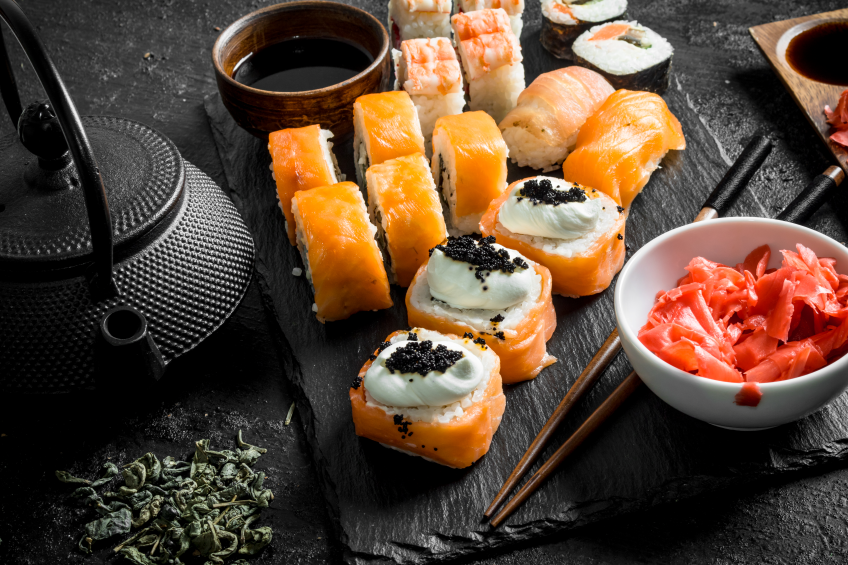

 Sushi often carries a hefty price tag, sometimes surprising diners who expect a simple dish of fish and rice.
The high cost of sushi comes from a combination of premium-quality ingredients, skilled preparation, and the operational expenses of running a specialized restaurant.
Fresh bluefin tuna, sea urchin, and other prized seafood are both rare and costly to source. Even the rice, wasabi, and seaweed need to meet strict standards.
Beyond the ingredients, you’re also paying for the years of training that sushi chefs undergo. The precision required to slice fish correctly, prepare seasoned rice, and arrange each piece beautifully doesn’t come easily.
This expertise comes with a price and directly affects what ends up on your bill. The overall dining experience, too, factors into sushi pricing.
From specialized equipment like high-quality knives to the cost of maintaining strict food safety standards for raw seafood, restaurants face notable overhead expenses. It’s a lot more than just fish and rice.
Premium Ingredients: The Core of High Sushi Prices
 The price you pay for sushi reflects the effort and cost of getting the best ingredients to your plate. Fresh, high-quality fish and specially prepared rice are the main drivers behind sushi’s higher prices compared to other foods.
Sourcing Sushi-Grade Fish
Sushi-grade fish has to meet strict standards that regular fish doesn’t. This label means the fish has been handled, frozen, and inspected in specific ways to make it safe for raw consumption.
Bluefin tuna stands out as one of the most expensive types, sometimes costing hundreds of dollars per pound. The fatty belly portion, called otoro, can sell for $20 or more per piece at restaurants.
Other premium options like wild-caught salmon, yellowtail, and sea urchin also carry high price tags. Sushi restaurants source fish from regions known for quality—Japanese fish markets, Norwegian salmon farms, and Hawaiian waters are top examples.
Suppliers charge premium prices because they use careful handling and maintain cold chain requirements from catch to delivery. Each step in the process adds cost.
The Importance of Freshness and Transport
Fresh fish arrives at your sushi restaurant through a complex supply chain. It’s caught, then immediately iced or flash-frozen, and shipped by air to keep it in top condition.
Transportation costs add up fast. A single shipment from Tokyo’s Tsukiji Market to a U.S. restaurant can cost thousands of dollars.
The fish travels in temperature-controlled containers and usually arrives within 24-48 hours of being caught. Sushi chefs inspect every delivery for color, smell, and texture.
If the fish doesn’t meet standards, it gets rejected. This quality control means restaurants sometimes lose money on shipments, and those losses show up in menu prices.
Cost and Quality of Sushi Rice
Sushi rice isn’t just any rice from the store. Chefs use short-grain Japanese varieties like Koshihikari or Calrose for their starch content and texture.
Premium sushi rice can cost two to three times more than standard rice. A 15-pound bag might run $30-$50, while regular rice is closer to $10.
The grains have to stick together properly without becoming mushy. Preparing the rice is a careful process—chefs wash it repeatedly, cook it with precise water ratios, and season it with a blend of rice vinegar, sugar, and salt.
The rice must cool to body temperature before use, and this process alone takes at least an hour of close attention. Getting the right consistency and flavor balance is key.
Other Costly Sushi Components
 Fish gets most of the attention, but several other ingredients add substantial cost to your final bill. From the crispy seaweed wrapper to authentic condiments, every detail matters.
Nori, Wasabi, and Additional Ingredients
The seaweed sheets wrapping your rolls are pricier than they appear. High-quality nori has to be thin, crisp, and flavorful, with premium grades costing much more than basic varieties.
Restaurants use specific grades for the right texture and taste. Real wasabi is among the most expensive ingredients in sushi—fresh wasabi root can cost $50 to $160 per pound, since it grows slowly and needs unique conditions.
Most places use a horseradish substitute, but authentic sushi restaurants serve fresh-grated wasabi root. Pickled ginger adds another layer of cost, especially when it’s thinly sliced and properly pickled.
Sushi rice needs precise seasoning with rice vinegar, sugar, and salt. Premium spots even use specially brewed and aged soy sauce, not just the standard kind.
Even water quality can matter for perfect rice. Every step has its own price.
Sustainable and Rare Ingredients
Bluefin tuna is the most expensive sushi you can order. A single fish can sell for thousands at auction because it’s scarce and has rich flavor.
You’ll often pay $20 to $50 per piece of bluefin nigiri at high-end places. Sustainable seafood also costs more, since ethical sourcing is expensive.
Restaurants pay premiums for fish caught with methods that protect ocean ecosystems. Wild-caught fish generally costs more than farmed alternatives.
Uni (sea urchin) is another pricey choice. It requires careful harvesting and doesn’t last long after being caught.
Other rare ingredients like toro (fatty tuna belly) and certain seasonal fish command higher prices based on what’s available and how much people want them.
The Artistry and Skill Involved in Sushi Making
 Making sushi takes years of focused training and specialized techniques, and this expertise directly impacts the final cost. Turning simple ingredients into restaurant-quality sushi is no small feat.
Lengthy Chef Training and Apprenticeships
Traditional sushi chefs in Japan often train for 3 to 10 years before they’re allowed to serve customers. Apprentices begin with basic tasks like washing dishes and cleaning, then gradually move up to rice preparation.
You’re not just paying for food when you order sushi. You’re paying for the years of training behind every element.
Some apprentices spend their first year learning only how to prepare rice correctly—understanding the exact water ratios, cooking temperatures, and seasoning that make perfect sushi rice.
After mastering rice, they learn ingredient selection and fish handling. They study how to identify fresh fish, understand what’s in season, and choose the best pieces for different dishes.
Specialized Knife Skills and Techniques
Sushi chefs use specialized Japanese knives that can cost hundreds or even thousands of dollars each. These knives need constant sharpening and maintenance to produce the precise cuts that define quality sushi.
The way a chef slices fish affects its texture, flavor, and how it looks on your plate. Different fish types require different cutting angles and techniques.
A skilled chef knows how thick to slice tuna versus salmon to get the best flavor and mouthfeel. They can spot the grain of the fish and cut accordingly so each piece melts in your mouth, not turns chewy.
Presentation is another skill entirely. Chefs arrange each piece with care, considering color, spacing, and visual appeal. This attention to detail turns your meal into more than just food—it becomes an experience.
Labor and Preparation: Behind the Scenes Costs
 Making sushi takes years of training and constant attention to detail. The work starts long before you see that plate arrive at your table.
Chefs break down whole fish and hand-form each piece of rice. It’s a meticulous process.
Meticulous Sushi Preparation Process
Sushi chefs spend hours each day preparing ingredients before opening. They butcher whole fish with precise knife cuts to avoid wasting expensive meat.
A single bluefin tuna can cost over $3,000, so every slice matters. The rice alone requires multiple steps.
Chefs cook it fresh throughout the day, then season it with vinegar, sugar, and salt while cooling it to the right temperature. They aim for grains that stick together but don’t clump.
Daily preparation tasks include:
- Aging fish to develop flavor
- Trimming and portioning seafood
- Making sauces and seasonings from scratch
- Shaping nigiri by hand for proper rice-to-fish ratio
Each piece of nigiri is shaped individually. The chef uses specific hand pressure and movements for the right density—too tight and the rice feels hard, too loose and it falls apart.
Employee Wages and Staffing Demands
Becoming a sushi chef takes 5 to 10 years of training. These experts command higher salaries than typical restaurant cooks because of their specialized skills.
You’re paying for someone who can identify fish quality, master knife techniques, and execute precise preparation. Sushi restaurants need more staff than you might expect.
Beyond the chefs, there are fish buyers who inspect and source seafood daily. Support staff prep ingredients and maintain ultra-cold storage systems.
The apprenticeship system adds to costs, too. Senior chefs spend time training junior staff, which takes them away from making sushi themselves. This investment in skill development is reflected in menu prices.
Restaurant Overhead and Operational Expenses
 Running a sushi restaurant costs more than most other dining establishments. The expenses go well beyond buying fish and rice.
Special equipment, prime locations, and strict food safety requirements add up quickly.
Prime Locations and Ambiance
Sushi restaurants often choose high-traffic city areas where rent is expensive. A quality sushi spot in a metropolitan area might pay $10,000 to $30,000 per month just for rent.
Location matters because customers expect a certain experience with sushi. Interior design costs add up, too.
Many sushi restaurants invest in minimalist décor with authentic Japanese elements—wooden counters, soft lighting, clean lines. These choices create the right atmosphere but require significant upfront investment.
High-end sushi bars often have open kitchens so you can watch chefs work. This layout needs more space and careful planning.
Utilities like electricity and water also cost more, since specialized equipment runs constantly.
Equipment and Food Safety Standards
Sushi restaurants need specialized equipment that other places don’t. Ultra-cold freezers keep fish at temperatures below -4°F to kill parasites and maintain freshness.
These industrial freezers use a lot of energy and can cost $5,000 to $15,000 each. The restaurant must maintain strict temperature control all day.
Rice cookers, refrigeration units, and prep stations need regular maintenance and replacement. Professional-grade knives cost hundreds or thousands per blade.
Food safety regulations for raw fish are stricter than for cooked food. Restaurants pay for regular health inspections, licensing fees, and insurance policies to protect against foodborne illness claims.
Staff training on proper handling procedures is another ongoing expense. All these factors combine to explain why sushi can be so expensive.
Waste Reduction and Spoilage
Fresh fish can’t be saved for the next day like other ingredients. If a piece of tuna doesn’t sell, the restaurant loses money.
This means sushi restaurants operate on tight profit margins.
Chefs must use nearly every part to avoid waste. Still, some portions always get discarded.
The restaurant factors these losses into menu prices. Most sushi restaurants throw away unsold fish at the end of each night.
They can’t freeze and reuse it because quality drops significantly. This daily waste adds up to thousands of dollars per month that customers indirectly pay for through higher prices.
Sushi as a Luxury Experience
 Sushi holds a unique position in the dining world as both an everyday meal and a premium experience. The cultural significance and formal dining traditions associated with sushi contribute significantly to its elevated status and pricing.
Cultural Prestige and Dining Atmosphere
Japanese culinary tradition treats sushi as an art form that requires years of training and cultural understanding. When you visit a sushi restaurant, you’re not just buying food—you’re participating in a centuries-old practice that emphasizes precision, respect, and craftsmanship.
High-end sushi restaurants create sophisticated atmospheres with carefully designed interiors. Attentive service and quiet spaces encourage appreciation of each bite.
The dining experience often includes watching skilled chefs prepare your meal at a sushi bar. Their expertise becomes part of the entertainment.
This cultural prestige means people expect to pay more for sushi compared to other cuisines. The restaurant location also affects pricing, as prime spots in major cities require higher rent.
These overhead costs get passed to you through menu prices.
High-End Sushi and Omakase Pricing
Omakase is the highest form of sushi dining, where you trust the chef to select and prepare each course. This Japanese term means “I’ll leave it up to you.”
Omakase meals typically cost between $150 to $600 per person at premium establishments.
The price reflects several factors:
- Chef’s expertise accumulated over 10-20 years of training
- Seasonal ingredients selected daily based on peak freshness
- Limited seating with only 8-12 seats at the sushi bar
- Personalized experience tailored to your preferences
The chef determines every aspect of your meal, from fish selection to preparation methods. This requires deep knowledge of ingredients and the ability to read your reactions throughout the meal.
You’re paying for the chef’s judgment and years of experience in creating the perfect progression of flavors.
Market Forces and Regional Factors
 Sushi prices change based on where you live and how global markets work. The USA faces unique challenges that make sushi more expensive than in other countries.
Global Demand and Supply Challenges
The worldwide appetite for sushi has grown faster than the supply of quality fish. This creates a basic supply and demand problem that drives up costs everywhere.
Overfishing has reduced populations of popular sushi fish like bluefin tuna. Governments now set strict fishing quotas to protect these species.
When less fish is available but more people want it, prices go up. The competition for premium fish is intense.
High-end restaurants around the world bid against each other for the best catches. A single bluefin tuna sold for over $3 million at a Tokyo auction in 2019, showing how valuable these fish have become.
Seasonal availability also affects prices. Certain fish species are only at their peak quality during specific months.
When they’re out of season, restaurants must pay more to get them from different regions or use frozen alternatives.
Why Sushi Is So Expensive in the USA
You pay more for sushi in the USA because of import costs and the distance from fish sources. Most premium sushi-grade fish must be flown in from Japan or other distant locations.
This adds significant transportation and handling expenses to the final price.
The USA has fewer trained sushi chefs compared to Japan. Traditional sushi training takes years to complete.
The shortage of skilled itamae means restaurants must pay higher salaries to attract qualified chefs.
Real estate costs in American cities push prices higher. Sushi restaurants in New York or Los Angeles pay premium rent for their locations.
These overhead costs get passed directly to you through menu prices.
Import regulations and food safety standards add another layer of expense. The USA requires strict inspection and certification for imported seafood.
This increases the cost before the fish even reaches your plate.