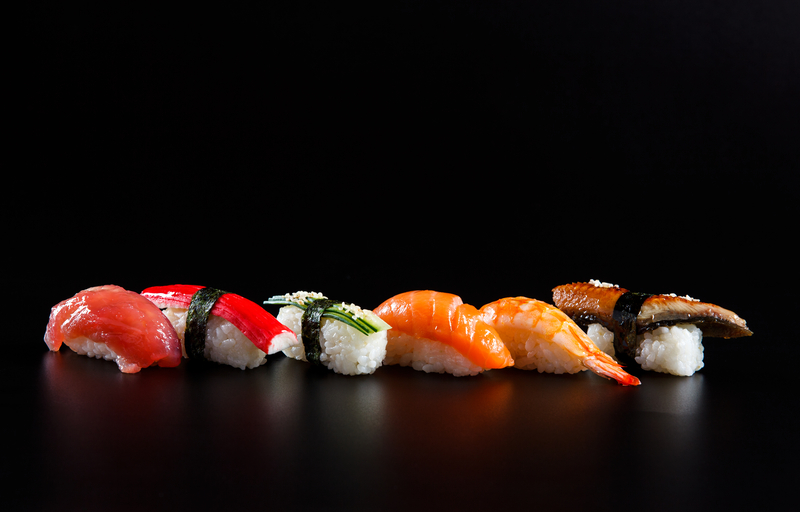


Sushi is often associated with raw fish, but that’s not actually what the word means. The name “sushi” comes from the vinegared rice at its core, not the raw fish you see on top.
Raw fish became popular in sushi for its fresh flavor, smooth mouthfeel, and nutritional benefits. Still, not all sushi is raw, and plenty of varieties feature cooked seafood, vegetables, or no fish at all.
People sometimes worry about the safety of eating raw sushi or wonder why chefs serve it that way. Sushi’s roots are in preservation, and modern practices include strict safety measures to prevent illness.
This article explores how sushi began, what “sushi” actually means, and the reasons raw fish became so central. You’ll also get a look at the safety protocols, the range of sushi types, and the expertise required for proper preparation.
The Origins of Raw Fish in Sushi

Raw fish in sushi is a relatively recent development. Originally, sushi was a preservation technique, not a showcase for fresh seafood.
Ancient Preservation Methods and Narezushi
The earliest sushi, called narezushi, began in Southeast Asia and made its way to Japan. It involved fermenting fish with rice and salt for months, sometimes longer.
After fermentation, people tossed the rice and ate only the preserved fish. This wasn’t the raw fish sushi we know today—it was pungent, sour, and practical for storage.
Narezushi made sense in an era without refrigeration. It was portable, long-lasting, and tasted nothing like modern sushi.
Edo-Style Sushi and the Birth of Raw Fish Toppings
In 19th-century Tokyo (then Edo), sushi chefs stopped fermenting and started serving fresh, raw fish over vinegared rice. This was the birth of Edomae sushi.
Nigiri sushi, with a slice of raw fish pressed onto seasoned rice, was quick to make and easy to eat. Fresh fish from Tokyo Bay made this possible.
This marked the shift: sushi became about freshness, not preservation. The rice still added some flavor and preservation, but the spotlight moved to the fish itself.
Cultural Significance in Japanese Cuisine
Japan’s geography made fresh seafood accessible, so raw fish preparation became part of daily life. The cultural focus on freshness and natural taste made raw fish a logical fit.
Preparing raw fish for sushi takes years of training. Chefs learn cutting, fish selection, and food safety in detail—it’s a respected craft.
Serving raw fish in sushi highlights the ingredient’s purest qualities. No heavy sauces, no overcooking—just the essence of the fish.
What Sushi Really Means: Rice, Not Raw Fish

“Sushi” refers to vinegared rice, not raw fish. This is a crucial distinction because many sushi types are cooked or even vegetarian.
The Role of Vinegared Rice
Vinegared rice is the foundation of all sushi. The term “sushi” comes from a word meaning “sour,” pointing to the tangy rice.
Sushi rice (shari or sushi-meshi) is short-grain rice mixed with vinegar, sugar, and salt. That blend gives sushi its signature taste.
No vinegared rice, no sushi—it’s as simple as that. The rice unites whatever toppings or fillings you choose, whether raw fish, cooked seafood, or vegetables.
Difference Between Sushi and Sashimi
Sashimi is just thinly sliced raw fish or seafood—no rice involved. Sushi always includes vinegared rice, even if the topping is raw fish.
If you order sashimi, you’re getting only the protein, usually selected for safety. Sushi, on the other hand, always comes with seasoned rice.
There are lots of sushi forms: nigiri (fish on rice), maki (rolled sushi), and gunkan (rice wrapped in seaweed). All of them rely on vinegared rice to count as sushi.
Common Misconceptions
People often think sushi equals raw fish because of popular types like tuna nigiri. This leads to confusion and sometimes avoidance by those who don’t like raw seafood.
Common cooked sushi types:
- Unagi (grilled eel)
- Ebi (cooked shrimp)
- Tamago (sweet egg omelet)
- California rolls (imitation crab)
- Vegetable rolls
You can skip raw fish entirely and still enjoy sushi. The rice is what matters, not the topping. This misconception keeps some people from trying sushi at all, which is a shame given the variety of cooked options.
Types of Sushi: Raw, Cooked, and Vegetarian Options

Sushi menus generally fall into three groups: raw, cooked, and vegetarian. Raw options like nigiri and sashimi highlight fresh seafood, while cooked and vegetarian versions expand the possibilities.
Nigiri, Sashimi, and Maki Rolls
Nigiri features hand-pressed rice topped with fish or seafood—often raw, like tuna or salmon. A dab of wasabi usually holds it together.
Sashimi skips the rice altogether. It’s just sliced raw fish, letting you taste the seafood on its own.
Maki rolls wrap rice and fillings in nori (seaweed), then slice them into pieces. Standard maki is about an inch thick, but there are larger versions too.
Temaki is a hand-rolled cone of nori filled with rice and ingredients. It’s less formal and easy to eat by hand.
Modern Sushi Varieties
The California roll changed the game in the U.S. by putting rice on the outside and using cooked imitation crab. Avocado and cucumber make it approachable for beginners.
Tempura rolls use fried shrimp or vegetables for a crunchy, cooked bite. The texture contrast is pretty satisfying.
Spicy tuna rolls mix raw tuna with spicy mayo, while Philadelphia rolls add smoked salmon and cream cheese. These blends bring Western flavors into traditional formats.
Sushi burritos and poke bowls are newer, larger-format options. They keep the core ingredients but ditch the traditional shape.
Vegetarian and Cooked Sushi
Inari sushi is sweet fried tofu stuffed with seasoned rice. It’s vegetarian, protein-rich, and has a unique flavor profile.
Unagi (eel) is always cooked and served with a sweet sauce, either as nigiri or in rolls. Tamago (egg omelet) is another cooked topping—mildly sweet and layered.
Common vegetable rolls include:
- Cucumber and avocado
- Pickled radish
- Tempura sweet potato
- Shiitake mushrooms
Cooked shrimp (ebi) is butterflied and steamed before serving. These cooked and vegetarian options let you enjoy sushi without raw fish.
Why Sushi Uses Raw Fish: Flavor, Texture, and Nutrition
 Raw fish sets sushi apart by offering flavors and textures you just can’t get from cooked seafood. The choice preserves nutrients and highlights the fish’s natural qualities.
Gastronomic Appeal of Raw Fish
Raw fish brings out flavors and textures that cooking would change. Salmon and tuna taste sweet and delicate when raw, with a creamy, smooth feel.
Yellowtail is firm but tender, while tuna can be almost buttery. These qualities pair well with the tang of vinegared rice.
Cooking alters proteins and can dull subtle flavors. Mackerel’s richness or uni’s sweetness really shine when served raw.
The combination of soy sauce and wasabi balances the fish without overpowering it. The fish stays at the center of the experience.
Nutritional Benefits of Raw Sushi
Raw fish keeps more nutrients intact than cooked fish. Heat can reduce omega-3 fatty acids and other key components.
Key nutrients found in raw sushi:
- Omega-3 fatty acids for heart and brain health
- High-quality protein for muscle repair
- Vitamin D for bone strength
- Selenium as an antioxidant
Salmon and mackerel are especially high in omega-3s, which remain stable when eaten raw. The protein is also highly bioavailable—your body can use it efficiently.
Raw sushi delivers these benefits without added fats from cooking. You get lean protein and healthy fats, all in one bite.
Key Takeaways
- Sushi refers to vinegared rice, not raw fish; many varieties feature cooked or vegetarian ingredients.
- Raw fish became central to sushi due to historical, cultural, and culinary developments in Japan.
- Eating raw sushi is safe when prepared with strict food safety standards and expert technique.
- Raw fish in sushi provides unique flavors, textures, and nutritional benefits compared to cooked seafood.
- Sushi offers a wide range of options, including cooked and vegetarian choices for all dietary preferences.
Comparing Raw and Cooked Sushi
Raw and cooked sushi deliver distinct taste, texture, and nutritional profiles. If you’re after authentic flavors, raw fish preserves its delicate character and soft mouthfeel.
Cooking changes things. Fish becomes firmer and takes on new flavors—sometimes subtle, sometimes bold—depending on the method.
The nutritional differences can be significant if health is a priority for you. Raw fish keeps more omega-3 fatty acids and heat-sensitive vitamins intact.
Cooked sushi still offers protein, but it can lose some of those nutrients. Some people care, some don’t—it really depends on your goals.
Sushi menus often include cooked items like shrimp tempura or eel. These options work well for diners who aren’t comfortable with raw fish.
Still, classic nigiri—think raw tuna, salmon, or yellowtail—remains the gold standard for traditional sushi flavor.
Your choice comes down to personal taste and health needs. Raw sushi gives you the full nutritional punch and authentic taste, while cooked versions offer an alternative if raw isn’t your thing.
How Raw Fish in Sushi Is Made Safe
 Raw fish for sushi is made safe through strict sourcing, freezing to kill parasites, rigorous temperature control, and careful hygiene practices. These steps are non-negotiable in reputable establishments.
Sourcing and Selecting Sushi-Grade Fish
“Sushi-grade” or “sashimi-grade” fish isn’t a regulated term, but it signals fish handled for safe raw consumption. Reliable suppliers stick to high standards from the moment the fish is caught.
Knowing your source matters. The best sushi fish moves through a cold chain, kept near 0°C from boat to plate.
Fish destined for sushi is chilled with ice right on the boat to halt bacterial growth. Seasonal fish often arrives fresher and safer, since it’s more abundant and moves quickly from sea to table.
Trusted sushi chefs work with suppliers who check every fish for quality—looking at the eyes, gills, and flesh for freshness. It’s a detail that can’t be skipped.
The Importance of Freezing and Refrigeration
Freezing is essential for safety. The FDA says raw fish must be frozen at -4°F for seven days or flash-frozen at -31°F for 15 hours to kill parasites like anisakis.
Done right, this process doesn’t ruin texture. Salmon, which carries higher parasite risk, must always be properly frozen; tuna is less risky but still gets careful handling.
After freezing, constant refrigeration is critical. Trucks and display cases keep fish below 5°C, so bacteria can’t multiply. This cold chain is the backbone of sushi safety.
Hygiene and Cross-Contamination Prevention
Cross-contamination is a serious concern. Sushi chefs wash hands often and disinfect fingertips with vinegar water—it’s routine, not optional.
Knives and cutting boards are wiped down and disinfected between each fish. Dedicated tools and workstations keep raw and cooked ingredients apart.
Chefs are trained to spot and remove parasites by sight. Every piece gets checked before serving. Health inspectors also do unannounced visits to verify these standards are followed.
Role of Acidity in Sushi Rice
Rice vinegar in sushi rice isn’t just for taste. Its acidity lowers pH, making it harder for bacteria to thrive.
Traditional sushi rice blends vinegar, sugar, and salt—a preservation method dating back to the Edo period. The vinegar’s antimicrobial effect works alongside other safety steps.
Still, vinegar isn’t a substitute for proper fish handling. It’s just one layer of protection, complementing refrigeration and hygiene.
Risks and Safety Measures Associated with Eating Raw Sushi
 Eating raw sushi does come with risks from parasites, bacteria, and viruses found in uncooked fish. That said, proper regulations and preparation sharply reduce these dangers in well-run establishments.
Parasites and Pathogens: Anisakis, Tapeworm, and Bacteria
Anisakis, a roundworm found in raw fish, can cause severe abdominal pain, nausea, and vomiting if ingested. It lives in marine animals’ digestive tracts and transfers to humans through raw or undercooked seafood.
Tapeworms—mainly Diphyllobothrium species—are another risk, especially in wild-caught salmon from certain regions. These parasites can grow several feet long, causing weakness, weight loss, and vitamin B12 deficiency.
Bacterial threats include Salmonella, which triggers fever, diarrhea, and cramps within hours to days. Vibrio species, common in warm coastal waters, can cause serious infections, particularly if your immune system is compromised.
Listeria is another concern, especially for pregnant women, and can lead to severe complications if contracted.
Food Safety Regulations and Best Practices
The FDA mandates freezing fish for raw consumption at -4°F (-20°C) for seven days or -31°F (-35°C) for 15 hours to kill parasites. Tuna and some farm-raised species are exceptions due to lower risk.
Reputable sushi restaurants follow strict protocols, including:
- Temperature control: Fish stored at 40°F or below
- Cross-contamination prevention: Separate boards and utensils for raw and cooked foods
- Source verification: Buying only from licensed, documented suppliers
- Regular inspections: Health department reviews and rigorous cleanliness
Look for restaurants with visible health inspection certificates and strong food safety ratings. Fresh fish should look glossy, feel firm, and smell clean—not fishy or ammonia-like.
Who Should Avoid Raw Sushi
Pregnant women are at higher risk from raw sushi due to foodborne illness and mercury exposure. Listeria infection can have severe consequences during pregnancy.
Children under five have immature immune systems and are more vulnerable to infections and mercury. Elderly individuals and those with compromised immunity—such as chemotherapy patients, people with HIV/AIDS, transplant recipients, and those with chronic illnesses—should avoid raw sushi entirely.
Cooked sushi options like shrimp tempura, eel, or vegetable rolls are safer choices for these groups.
Sushi Chefs, Craftsmanship, and Dining Etiquette

Sushi chefs undergo years of training to perfect their craft. Understanding dining etiquette helps you appreciate their work and shows respect for their expertise.
Sushi Chef Training and Expertise
Becoming an itamae—a sushi chef—often takes a decade or more. Apprentices start with dishes and observation, then spend months just learning to make proper rice.
The rice must have the right temperature, seasoning, and texture—not as easy as it sounds. Only after mastering rice do apprentices move on to fish selection and cleaning, learning about seasonal availability and species differences.
Key skills sushi chefs develop include:
- Knife work for precise, angled cuts
- Rice preparation and seasoning
- Fish selection and quality assessment
- Understanding flavor balance
- Presentation and plating
Only after years do chefs make nigiri by hand, pressing rice just enough to hold together without becoming dense. They also learn to run omakase, tailoring each piece to guest preference and seasonality.
Proper Ways to Eat Sushi
Nigiri can be eaten with your hands or chopsticks—either is fine. Eating it in one bite gives you the full flavor balance intended by the chef.
Turn the nigiri upside down to lightly dip the fish (not the rice) into soy sauce. Too much soy sauce or dipping the rice side can ruin the texture and flavor.
Wasabi should be used sparingly; chefs usually add the right amount already. Ginger is for cleansing your palate between fish types, not for topping sushi.
Eat the pieces in the order served, moving from lighter to richer fish. This way, you can appreciate each flavor without overpowering your palate.
Key Takeaways
- Raw sushi offers distinct taste and nutritional benefits but requires strict sourcing, freezing, and hygiene for safety.
- Parasites and bacteria pose real risks, but proper freezing, temperature control, and reputable suppliers significantly reduce danger.
- Pregnant women, young children, the elderly, and immunocompromised individuals should avoid raw sushi and opt for cooked alternatives.
- Sushi chefs train extensively, and following proper dining etiquette enhances the dining experience and shows respect for their craft.
- Look for visible health certifications and fresh, clean-smelling fish when selecting a sushi restaurant.
Sushi Etiquette at Restaurants
Always sit at the sushi bar if seats are open. This lets you interact with the itamae directly.
Greet the chef politely as you arrive. If you’ve ordered omakase, trust the chef’s choices and avoid requesting substitutions unless absolutely necessary.
Never rub chopsticks together; it’s considered an insult, implying the restaurant offers poor-quality utensils. Strong perfume or cologne can overwhelm the subtle aroma of fresh fish, so it’s best avoided.
Keep your phone away during the meal. Focus on the experience and respect the atmosphere.
When dining with others, wait until everyone’s sushi is served before eating. Speaking loudly or rushing through your food isn’t appreciated in this setting.
Thank the chef personally when your meal ends. It’s a small gesture, but it matters.
Key Takeaways
- Sit at the sushi bar and greet the chef respectfully.
- Trust omakase selections and avoid unnecessary requests.
- Don’t rub chopsticks or wear strong scents.
- Wait for everyone to be served before eating and thank the chef directly.