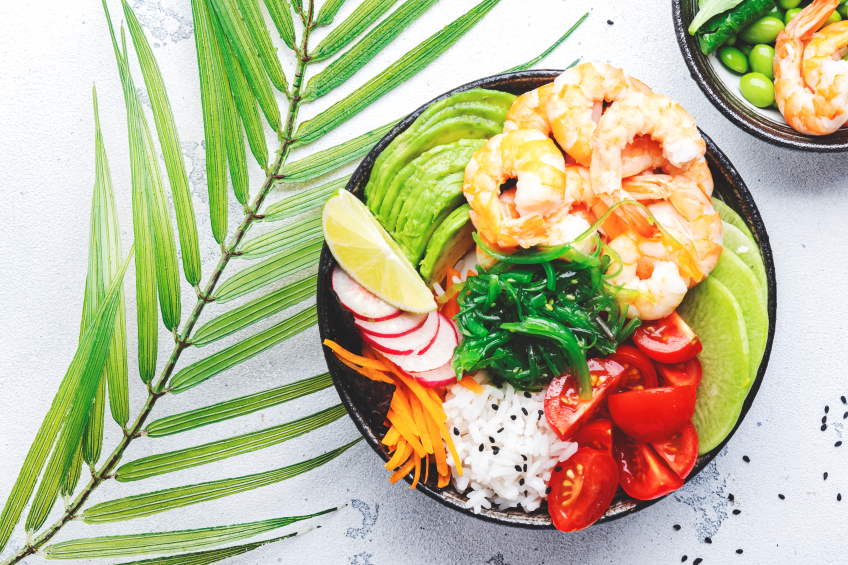

 Poke bowls have a reputation for being a healthy meal choice. Yet, many people are surprised when they discover how many calories these colorful bowls can contain.
A typical poke bowl can range from 500 to over 1,000 calories depending on your ingredient choices, with the base, sauces, and toppings contributing far more calories than you might expect. The problem isn’t the raw fish itself, but rather the combination of ingredients that quickly adds up.
Understanding where these calories come from can help you make better decisions when ordering or building your own poke bowl. The rice base, creamy sauces, fried toppings, and generous portions all play a role in pushing the calorie count higher.
Even ingredients that seem healthy can contribute more calories than you realize.
Understanding Poke and Its Caloric Reputation
 Poke has transformed from a simple Hawaiian dish into a customizable meal that can range from 300 to over 1,000 calories depending on your choices.
The caloric content depends heavily on the base, proteins, sauces, and toppings you select when building your bowl.
What Is Poke?
Poke is a traditional Hawaiian dish that centers on diced raw fish as its main ingredient.
The word “poke” means “to slice” or “to cut” in Hawaiian, referring to how you prepare the fresh fish.
The original dish was simple. Hawaiian fishermen seasoned chunks of fresh fish with sea salt, seaweed, and crushed kukui nuts.
They ate it as a snack or light meal after a day on the water.
Traditional poke uses ahi tuna or salmon as the primary protein. You’ll find the raw fish cut into bite-sized cubes and mixed with basic seasonings.
The focus remains on the quality and freshness of the fish itself, not heavy sauces or elaborate toppings.
Evolution of the Poke Bowl
The poke bowl emerged when restaurants began serving poke over rice and adding more ingredients. This transformation took a lean protein dish and turned it into a complete meal with multiple components.
Modern poke bowls let you choose from various bases like white rice, brown rice, or mixed greens. You can add proteins beyond raw fish, including cooked shrimp, tofu, or chicken.
The toppings expanded to include edamame, cucumber, avocado, seaweed salad, and crispy onions.
Sauces changed the game entirely. Options like spicy mayo, eel sauce, and creamy sesame dressing add significant calories.
Some restaurants offer 10 or more sauce choices, each with different caloric impacts.
Why Poke Bowls Are Popular
Poke bowls appeal to people looking for a healthy meal that tastes good and offers customization. You can build your bowl exactly how you want it, controlling every ingredient that goes into your lunch or dinner.
The fresh ingredients attract health-conscious eaters. Raw fish provides lean protein and omega-3 fatty acids.
The vegetables add fiber and nutrients. Many people view poke bowls as a nutritious alternative to fast food or heavy restaurant meals.
The Instagram factor plays a role too. Poke bowls look colorful and appealing in photos.
The variety of textures and colors makes each bowl visually interesting, which drives social media sharing and word-of-mouth popularity.
Caloric Structure of a Typical Poke Bowl

Most poke bowls contain between 400 and 900 calories per serving, though some can exceed 1,000 calories depending on your choices.
The caloric content comes from three main sources: the base, protein, and toppings you select.
Average Calorie Range for Poke Bowls
A standard poke bowl falls within the 500 to 700 calorie range. The exact number depends on portion sizes and ingredients.
Smaller bowls with conservative portions typically stay around 400 to 500 calories. These usually feature lighter bases and minimal toppings.
Larger bowls with multiple proteins and rich toppings easily reach 800 to 1,000 calories.
Restaurant portions tend to be generous, which pushes the calorie count higher.
The type of establishment matters too. Fast-casual chains often serve bigger portions than traditional Hawaiian spots.
This size difference can add 200 to 300 extra calories to your meal.
Comparing Traditional and Modern Bowls
Traditional Hawaiian poke bowls were simpler and lower in calories. They featured cubed raw fish, sea salt, seaweed, and crushed kukui nuts over plain rice.
Modern poke bowls include many more ingredients. You’ll find creamy sauces, multiple proteins, and various toppings that weren’t part of the original dish.
Traditional Bowl Components:
- Plain white or brown rice
- Raw ahi tuna or salmon
- Simple soy sauce or sea salt
- Seaweed and green onions
- Typically 400-500 calories
Modern Bowl Components:
- Seasoned sushi rice or multiple base options
- Several protein choices in one bowl
- Creamy mayo-based sauces
- Fried toppings like crispy onions
- Often 700-1,000 calories
The shift toward customization increased both variety and caloric content.
Key Ingredients That Influence Calories
Your base choice significantly impacts the total calorie count. Sushi rice prepared with sugar and vinegar contains about 300 to 400 calories per serving.
White rice adds 200 to 250 calories, while greens provide only 20 to 30 calories.
Protein sources vary in their nutritional value and calories:
- Tuna or salmon: 150-200 calories, high in protein and omega-3 fatty acids
- Shrimp: 100-120 calories, lean protein option
- Tofu: 80-120 calories, plant-based protein
- Spicy tuna: 200-250 calories due to mayo additions
Sauces and toppings add substantial calories. Spicy mayo contributes 100 to 150 calories per serving.
Soy sauce adds minimal calories, while ponzu provides flavor with fewer than 20 calories.
Avocado provides healthy fats and omega-3s but adds 80 to 120 calories. Edamame offers protein and fiber for about 100 calories per half cup.
Base Ingredients: The Calorie Foundation

The base of your poke bowl determines a large portion of its total calories, with choices ranging from 100 to 350 calories per serving.
Rice-based options contain significantly more calories than greens, while alternative grains fall somewhere in between.
White Rice and Sushi Rice
White rice is the most common poke bowl base, and it contributes 200 to 250 calories per cup. Sushi rice adds even more calories because it’s prepared with sugar and rice vinegar.
A typical serving contains about 240 to 280 calories. The caloric density comes from the carbohydrates in the rice itself.
When restaurants add the sweet vinegar mixture to make sushi rice, they increase the calorie count by 40 to 60 calories per cup compared to plain white rice.
Most poke shops serve generous portions. You often get 1.5 to 2 cups of rice as a base, which means 300 to 500 calories before you add any other ingredients.
Brown Rice and Healthy Grains
Brown rice contains roughly the same calories as white rice, with about 215 to 220 calories per cup. The difference is that brown rice provides more fiber and nutrients, which helps you feel full longer.
Quinoa is another popular option that contains around 220 calories per cup. It offers more protein than rice and includes all nine essential amino acids.
These whole grain options don’t reduce calories significantly. However, the extra fiber and protein can help with satiety.
Brown rice provides about 3.5 grams of fiber per cup, while white rice only has about 0.6 grams.
Greens, Cauliflower Rice, and Other Alternatives
Mixed greens, spinach, and kale are the lowest-calorie base options. A full serving of leafy greens contains only 10 to 25 calories.
This choice can save you 200 to 300 calories compared to rice. Cauliflower rice has become popular as a middle ground.
It contains about 25 to 40 calories per cup, which is roughly 85% fewer calories than white rice.
The trade-off with green bases is volume and satisfaction. You might feel less full after your meal since greens lack the carbohydrates that provide quick energy.
However, the fiber in greens and cauliflower rice supports digestion and helps control blood sugar levels.
Protein Choices: Raw Fish, Tofu, and More

The protein you choose for your poke bowl can add anywhere from 120 to 250 calories per serving. Fatty fish like salmon pack more calories than lean options like tuna or tofu.
Portion sizes make the biggest difference in your final count.
Tuna and Salmon
Tuna stands out as the leanest fish option in most poke bowls. A 4-ounce serving of raw ahi tuna contains roughly 120-140 calories and delivers about 26 grams of high-quality protein.
This makes it one of the most calorie-efficient choices when you want to maximize protein without adding extra calories.
Salmon carries significantly more calories due to its higher fat content. The same 4-ounce portion contains around 180-240 calories depending on the cut.
You’re getting about 23 grams of protein along with omega-3 fatty acids.
Calorie Comparison Per 4 oz:
| Protein | Calories | Protein (g) |
|---|---|---|
| Ahi Tuna | 120-140 | 26 |
| Salmon | 180-240 | 23 |
The extra calories in salmon come from beneficial fats rather than empty calories. Both raw fish options provide essential amino acids that support muscle health.
Alternative Proteins: Tofu, Shrimp, and Octopus
Tofu offers the lowest calorie count among common poke proteins. A 4-ounce serving contains just 80-100 calories with 9-10 grams of plant-based protein.
You can often get a larger portion of tofu for fewer calories than you’d consume with fish.
Shrimp falls in the middle range at about 120 calories per 4-ounce serving with 23 grams of lean protein. Octopus provides similar numbers, delivering roughly 140 calories and 25 grams of protein in the same portion size.
These alternatives work well if you prefer cooked proteins or follow a plant-based diet. Shrimp and octopus both qualify as lean proteins with minimal fat content.
The calorie difference between these options and fatty fish like salmon can reach 100-140 calories per bowl.
Protein Portion Sizes and Calorie Impact
Most poke restaurants serve 4-6 ounces of protein as a standard portion. Some locations offer double protein options that can add 120-240 extra calories to your bowl, depending on your choice.
A single serving of protein typically accounts for 100-240 calories in your total bowl. Choosing double salmon instead of single tuna adds roughly 300-360 calories just from the protein component.
If you’re watching calories, consider your protein choice carefully. The difference between a lean protein like tuna and a fattier option like salmon over multiple meals adds up quickly.
Requesting a specific portion size helps you control the calorie content better than accepting the standard serving.
Toppings, Sauces, and Hidden Calories

Poke bowls rack up calories quickly through toppings and sauces that seem healthy but add significant amounts of fat, sugar, and sodium. Fresh vegetables keep calories low, while fried additions and creamy dressings can add 200-400 extra calories to your bowl.
Vegetables and Fresh Toppings
Fresh vegetables are your best choice for adding volume without many calories. Cucumber, radishes, and seaweed contain almost no calories and give your bowl extra crunch and flavor.
You can pile these on without worry. Edamame adds protein and fiber with about 120 calories per half cup.
Pickled vegetables like pickled ginger offer flavor for minimal calories. Seaweed salad is nutrient-rich, but check the dressing, as some versions contain added sugars that push the calorie count to 70-90 calories per serving.
Calorie-Dense Additions: Avocado, Fried Onions, and Tempura Flakes
Avocado adds healthy fats but comes with about 80 calories per quarter of a fruit. Many poke shops give you a full quarter or half, which means 160 calories or more just from this topping.
Fried onions and tempura flakes are major calorie traps. These crunchy toppings absorb oil during frying and can add 100-150 calories per serving.
They provide little nutritional value beyond their satisfying crunch. Sesame seeds seem harmless but contain 50-60 calories per tablespoon due to their high fat content.
While they offer some nutrients, the calories add up if your bowl is topped generously.
Sauces and Dressings: High Sodium and Sugar Sources
Sauces are where poke bowls become calorie bombs. A single tablespoon of spicy mayo or other mayonnaise-based sauces adds up to 100 calories.
Most poke bowls come with 2-3 tablespoons, meaning 200-300 calories just from sauce. Creamy sauces hide unhealthy fats and often contain added sugars.
Teriyaki sauce and other sweet options pack 50-70 calories per tablespoon plus high amounts of sugar. The sodium content in these sauces can exceed 500mg per serving.
Soy sauce has minimal calories but contains extremely high sodium levels. Even low-sodium versions deliver significant amounts.
Sesame oil adds 120 calories per tablespoon of pure fat. Better choices include ponzu, tamari, or coconut aminos.
These options provide flavor with fewer calories and less sodium than traditional sauces. Ask for sauce on the side to control how much you use.
Factors That Increase Caloric Content

Several specific choices can transform a poke bowl from a moderate meal into a high-calorie dish. The base ingredients, toppings, and sauces you select directly impact the total caloric content of your bowl.
Large Portion Sizes and Overconsumption
Restaurant poke bowls often contain much larger portions than you might prepare at home. A typical serving includes 1.5 to 2 cups of rice or base ingredients alone, which can add 300-400 calories before you even add protein or toppings.
Many poke shops use oversized bowls that encourage you to fill them completely. This practice makes it easy to consume 800-1000 calories in a single meal without realizing it.
The problem intensifies because poke bowls don’t always provide strong satiety signals despite their calorie density. Your body may not register fullness as quickly with poke bowls compared to other meals.
The combination of refined carbohydrates and quick-eating format means you might finish the entire bowl before feeling satisfied. Without portion control, regular consumption of oversized poke bowls can contribute to weight gain over time.
Multiple High-Calorie Toppings
Adding several toppings to your poke bowl dramatically increases the calorie count. Avocado adds approximately 80 calories per quarter fruit.
Edamame contributes 95 calories per half cup. Nuts and seeds like macadamia nuts or sesame seeds pack 100-200 additional calories per small handful.
Crispy onions, tempura flakes, and wonton strips are particularly calorie-dense toppings. These fried additions can add 100-150 calories with just a small sprinkle.
When you combine three or four of these toppings, you easily add 300-500 extra calories to your bowl.
Rich and Creamy Sauces
Sauces represent one of the highest sources of hidden calories in poke bowls. Spicy mayo contains about 100 calories per tablespoon, and most bowls include 2-3 tablespoons.
Creamy sauces like ponzu mayo or sriracha aioli have similar caloric density. Traditional soy-based sauces are lower in calories, but sweet variations made with sugar add extra energy.
Eel sauce and teriyaki glaze contain roughly 30-50 calories per tablespoon due to their sugar content. Many restaurants drizzle multiple sauces over a single bowl, which can contribute 200-400 calories from sauces alone.
Health Benefits and Nutritional Considerations

Poke offers important nutrients like omega-3 fatty acids, vitamins, and minerals, but it also comes with risks related to sodium levels, mercury exposure, and food safety concerns.
Nutrient Density: Vitamins, Minerals, and Antioxidants
Poke bowls deliver a wide range of essential nutrients in each serving. The raw fish provides high-quality protein along with vitamin D, vitamin B12, and selenium.
Tuna and salmon contain significant amounts of these vitamins, which support your immune system and energy production. The vegetable toppings add more nutritional benefits.
Edamame provides fiber and plant-based protein. Seaweed offers iodine for thyroid function.
Avocado contains vitamin E and potassium. Rice bases contribute B vitamins and some minerals, especially if you choose brown rice over white.
The vegetables like cucumber, carrots, and radishes add vitamin C and other antioxidants. These nutrients help protect your cells from damage and support overall health.
Healthy Fats for Heart and Brain
Fish in poke bowls contains omega-3 fatty acids, which are healthy fats that benefit your heart and brain. These anti-inflammatory fats can help reduce your risk of heart disease.
Salmon and tuna are particularly rich sources of omega-3s. Avocado adds monounsaturated fats to your bowl.
These fats support brain function and help your body absorb vitamins. Unlike trans fats and high amounts of saturated fat, the fats in fish and avocado can improve your cholesterol levels.
Your brain needs these healthy fats to work properly. Omega-3s support memory and mood regulation.
Regular consumption of these fats may lower inflammation throughout your body.
Potential Risks: Sodium, Mercury, and Foodborne Illness
High sodium content is a major concern with poke bowls. Soy sauce and other seasonings can add 1,000 milligrams or more of sodium per bowl.
This amount represents nearly half of the recommended daily limit. High sodium intake can raise blood pressure and increase diabetes risk by affecting blood sugar regulation.
Mercury accumulates in larger fish like tuna. Eating too much tuna can lead to mercury exposure, which affects your nervous system.
Pregnant women and children should limit their consumption of high-mercury fish. Raw fish carries risks of parasites and foodborne illness.
Proper food safety practices matter when preparing poke. You should only eat poke from restaurants that follow strict handling procedures.
The fish must be frozen first to kill parasites and kept at safe temperatures to prevent bacterial growth.
How to Build a Lower-Calorie and Healthier Poke Bowl

Building a low-calorie poke bowl requires strategic choices at each step. Focus on lighter bases, lean proteins, sauce control, and nutrient-dense toppings to create a satisfying meal that supports weight loss and healthy eating without sacrificing flavor.
Smart Swaps for Bases and Proteins
Your base choice sets the foundation for your bowl’s calorie count. White rice adds about 200 calories per cup, while brown rice offers slightly more fiber but similar calories.
Mixed greens are your best option at just 10-15 calories per cup. This simple swap saves you nearly 185 calories instantly.
For bases, choose:
- Mixed greens (lowest calorie)
- Zucchini noodles (about 20 calories per cup)
- Quinoa (if you need carbs, offers more protein than rice)
- Half portions (half greens, half rice cuts calories while keeping some carbs)
Protein selection matters too. Ahi tuna provides about 150 calories for 4 ounces. Salmon has around 200 calories but delivers more omega-3 fatty acids.
Both support your metabolism and keep you full. Avoid proteins with added oils or mayo-based marinades that double the calorie content.
Choosing Low-Calorie Sauces and Toppings
Sauces are where calories hide. Two tablespoons of spicy mayo contains 200 calories.
Eel sauce adds 100-150 calories from sugar. These two sauces alone can equal your entire protein portion in calories.
Best low-calorie sauce options:
- Low-sodium soy sauce or tamari (10 calories per tablespoon)
- Rice vinegar (0-5 calories)
- Fresh lime or lemon juice (5 calories)
- Ponzu sauce (15-20 calories per tablespoon)
For healthy toppings, load up on vegetables like cucumber, radish, edamame, and seaweed. These add volume, fiber, and nutrients with minimal calories.
Use one serving of avocado for healthy fats instead of three. Skip crispy onions, tempura flakes, and wonton strips that add 50-100 empty calories per serving.
Mindful Eating and Weight Loss Strategies
Portion control really does matter, even when you’re making healthy choices. Ask for your sauce on the side. Use just one tablespoon instead of the usual two or three. That small change can save you around 100-200 calories per bowl.
Request extra vegetables to increase volume without adding calories. Filling your bowl with fiber-rich foods helps digestion and promotes fullness. This combination may also help your metabolism process nutrients more efficiently.
Order a regular size instead of a large. Most large bowls contain 50-75% more food than you actually need. Split a bowl with someone, or save half for later.
Track your first few bowls to get a sense of real portion sizes and calorie counts for your typical order.
| Component | Higher-Calorie Choice | Lower-Calorie Swap | Calories Saved |
|---|---|---|---|
| Base | White rice (1 cup) | Mixed greens (2 cups) | ~185 |
| Sauce | Spicy mayo (2 tbsp) | Soy sauce (1 tbsp) | ~190 |
| Toppings | Crispy onions | Cucumber and edamame | ~50 |
| Total | ~425 |