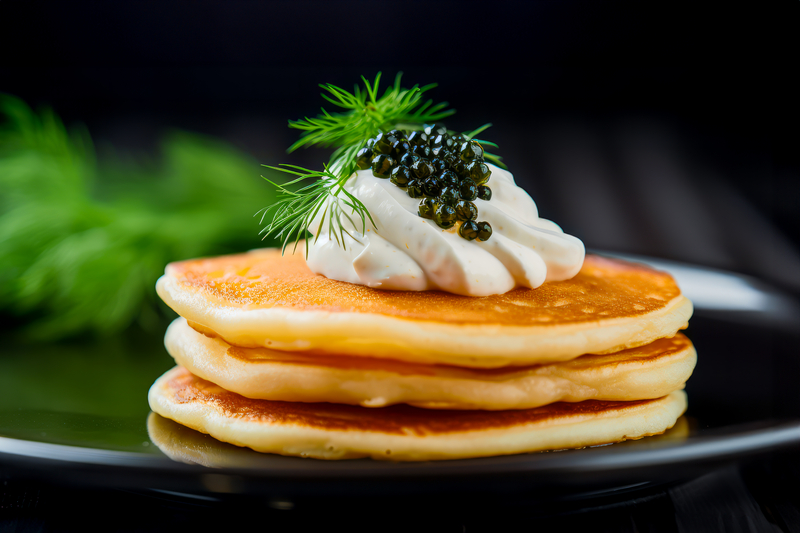

 Fish roe prices swing wildly—from just a few dollars per ounce to well over $300, all depending on the fish and how the eggs are handled. You might find tobiko at your local shop for less than $10, but a tiny tin of Beluga caviar could set you back hundreds or even thousands.
This huge price difference is tied to several factors: the rarity of the fish, how long it takes to mature, and the expertise needed to harvest and prepare the eggs.
The most expensive roe comes from sturgeon species that take 8 to 20 years to mature and are critically endangered.
When you buy true caviar, you’re paying for years of careful fish farming, strict regulations, and the hands-on skill of master processors. These fish represent a massive investment long before they produce a single egg.
Understanding Fish Roe and Caviar
 Fish roe prices shift depending on the species, harvest difficulty, and whether it qualifies as true caviar. Some types are just a few dollars, while others reach hundreds or thousands per ounce.
What Is Fish Roe?
Fish roe refers to eggs harvested from fish and some other marine animals. You’ll spot roe from many different species—salmon, trout, cod, herring, and flying fish, to name a few.
The eggs come in all sizes, colors, and textures. Some, like tobiko from flying fish, are tiny and crunchy. Others, such as salmon roe, are larger and burst with flavor.
Roe is rich in protein, omega-3 fatty acids, and vitamins. Cultures have enjoyed fish eggs for thousands of years. The price depends heavily on the fish species and how difficult it is to raise or catch.
The Difference Between Roe and Caviar
Caviar is roe, but specifically from sturgeon fish. Not all roe is caviar, but all caviar is roe.
True caviar includes Beluga, Osetra, and Sevruga—these come from sturgeon that are rare and take years to mature. Some sturgeon need a decade or more before producing eggs.
Sturgeon are endangered or threatened in many regions. This scarcity makes caviar far more expensive than regular fish roe.
Regular fish roe is salt-cured like caviar. The main distinction is the source fish, not the method.
Popular Types of Fish Roe
Salmon roe (ikura) features large, bright orange eggs with a rich, mild flavor. It’s often used on sushi or as a garnish.
Tobiko comes from flying fish and shows up as small, crunchy eggs—orange, red, or even green. It’s a sushi staple.
Masago is capelin roe, similar to tobiko but less expensive. The taste is milder and the texture a bit softer.
Trout roe looks like salmon roe, just smaller. It offers a similar flavor but is more affordable.
Bottarga is salted, cured roe from mullet or tuna. It’s dried into a firm block that can be grated over pasta or salads.
Key Factors That Make Fish Roe Expensive
 Fish roe prices hinge on the type of fish, how eggs are collected, and the care taken during processing. These factors are what push prices from just a few dollars to several hundred.
Rarity of Source Fish Species
The fish species has a direct impact on roe price. Sturgeon roe, or true caviar, is the priciest because sturgeon are endangered and found in limited regions. Beluga sturgeon can take up to 20 years to mature before producing eggs.
Salmon roe is cheaper since salmon are abundant and widely farmed. Capelin and herring roe also come from fish that reproduce in large numbers, keeping prices down.
Some species produce limited quantities of eggs per harvest. Others only spawn during certain seasons or in specific places. This natural scarcity pushes up prices even if demand isn’t huge.
Harvesting and Production Costs
Harvesting roe isn’t simple. Workers must time extraction precisely, since peak maturity lasts just days. Missing that window can ruin a batch.
Skilled technicians are needed to handle delicate egg sacs. Each fish is processed by hand. For wild fish, boats go to remote areas, adding fuel and labor costs.
After extraction, eggs need immediate salting and cooling. The preservation process uses specific salt grades and refrigeration. Any delay or temperature swing can damage the product and cut its value.
Quality, Grading, and Handling Standards
Roe is sorted by size, color, firmness, and taste. The highest grades have uniform eggs that pop cleanly. Lower grades with broken eggs or uneven sizes sell for less.
Premium roe goes through several inspections from harvest to packaging. Special tools are used to avoid crushing the eggs. Temperature must stay consistent during storage and shipping.
Fresh roe spoils quickly if not handled right. Top producers invest in cold chain logistics and train staff on best practices. These standards add cost but protect quality.
Why Is Caviar Particularly Costly?
 True caviar comes only from sturgeon, setting it apart from other fish roes in both price and prestige. Sturgeon face unique biological and regulatory hurdles that drive costs far beyond salmon or trout roe.
Sturgeon Rarity and Conservation
Sturgeon populations have been pushed to near extinction by overfishing and habitat loss. The International Union for Conservation of Nature lists 18 sturgeon species as endangered—more than any other group of species.
Wild sturgeon caviar is nearly impossible to get legally. Dams, pollution, and overharvesting have devastated wild populations. This led to farm-raised sturgeon dominating today’s market.
Beluga sturgeon, which produce the most expensive caviar, are huge fish requiring immense resources to raise. Some, like Almas caviar from albino beluga, can sell for $25,000 to $34,500 per kilogram due to their extreme rarity.
Slow Maturity and Time-Intensive Production
Sturgeon take 8 to 20 years to mature and produce eggs. That’s about three times longer than salmon or trout.
Farmers must care for sturgeon for up to two decades before seeing any return. If eggs are harvested at the wrong moment, the batch may be unusable or downgraded.
The harvest is entirely by hand. Workers carefully extract eggs under sterile conditions, since raw roe is prone to contamination. The malossol curing method for premium caviar requires precise salt and temperature control throughout production and shipping.
Strict Regulation and Trade Control
Sturgeon products are heavily regulated to prevent extinction. These measures add costs through compliance, paperwork, and monitoring.
Wild-caught sturgeon caviar faces intense scrutiny and is nearly impossible to buy legally in most countries. The United States bans imports of wild Iranian beluga products entirely.
Farms must meet strict sustainability and humane standards. Every step, from fish rearing to packaging, follows regulations that add expense but help protect wild populations.
Comparison of Fish Roe Prices Across Varieties
 Fish roe prices differ greatly by species and processing. High-end caviar from sturgeon can cost thousands per pound, while salmon and trout roe are much more affordable.
High-End Roe: Beluga, Almas, and Ossetra
Beluga caviar is the most expensive, often $200 to $400 per ounce. Beluga sturgeon take 20 years or more to mature, making this roe extremely rare. Almas caviar, from albino sturgeon, goes even higher in price due to its scarcity.
Ossetra caviar is a bit less, usually $100 to $200 per ounce. This sturgeon matures faster than Beluga but still takes 10 to 15 years. Limited supply, strict regulations, and labor-intensive processing all drive up costs compared to regular fish roe.
Affordable Alternatives: Salmon, Tobiko, and Trout Roe
Salmon roe is far cheaper, usually $15 to $40 per pound. Salmon mature quickly and are abundant, so their roe is widely available. You’ll see this bright orange roe in many grocery stores and sushi restaurants.
Tobiko (flying fish roe) and trout roe are even more budget-friendly. Tobiko is typically $10 to $20 per pound, and trout roe ranges from $20 to $35 per pound. These fish reproduce often and require less processing, making them popular for everyday dishes.
The Role of Luxury, Demand, and Cultural Status
 Fish roe commands high prices partly because it’s seen as a marker of status and refined taste. Limited supply and global demand keep prices high, while cultural traditions reinforce its place as a luxury food.
Fish Roe as a Status Symbol
When you spot fish roe on a menu at an upscale restaurant, it’s not just another dish. It signals wealth and exclusivity in a way few foods can.
High-end establishments bring out fish roe at events where guests expect luxury. The price tag itself becomes part of the attraction, as expensive foods often carry social meaning.
Ordering caviar or premium roe is more than a meal—it’s a tradition that sets special occasions apart from the everyday. The act feels deliberate, almost ceremonial.
Certain types of roe are rare, making them especially desirable for those eager to showcase access to exclusive products. Sturgeon caviar, for instance, takes years to produce and is available only in small quantities.
This scarcity transforms fish roe into a visible status symbol at gatherings and celebrations.
Why Do Rich People Eat Caviar?
Wealthy individuals choose caviar and premium fish roe for reasons that go beyond simple taste. The tradition traces back to European aristocracy and Russian royalty, where caviar graced state functions and private celebrations alike.
Caviar offers a distinct experience that requires some background knowledge to appreciate. Each variety has its own flavors and textures, appealing to those with refined palates.
The ritual of serving caviar with blinis or mother-of-pearl spoons adds a ceremonial feel. Presentation matters almost as much as flavor.
There are health benefits that appeal to health-conscious consumers as well. Fish roe is rich in omega-3 fatty acids, vitamins, and proteins, which align with nutritious eating habits.
Altogether, the cultural heritage, sensory experience, and nutritional value make premium roe attractive to those who can afford it.
Influence of Global Demand
The world’s appetite for fish roe has grown as more countries embrace sushi culture and luxury dining. Salmon roe and other varieties now appear in restaurants across Asia, Europe, and North America.
This rising demand strains limited supplies. Fish populations can only produce so much roe each year, and sustainable practices restrict how much can be collected.
When demand outpaces supply, prices go up. That’s just how markets work.
Globalization means fish roe from certain regions gains international recognition. Japanese ikura, Alaskan salmon roe, and Caspian caviar now attract buyers worldwide.
This global competition keeps prices high, even for varieties once considered regional specialties.
Challenges in Sustainable Fish Roe Production
 Producing fish roe sustainably means balancing environmental protection with economic realities. Overfishing threatens species like sturgeon, and fish farming can harm nearby ecosystems.
Environmental Pressures and Conservation Efforts
Wild fish populations face serious threats from overfishing and habitat loss. Sturgeon, the source of premium caviar, has seen steep declines due to decades of heavy harvesting.
This scarcity drives up the cost of harvesting fish roe, as producers must invest more resources to find and process what little is left.
Conservation efforts now focus on protecting spawning grounds and limiting catch quotas. Many countries enforce strict regulations on roe harvesting seasons.
These rules help fish populations recover, but they also reduce the supply of roe on the market.
Wild salmon stocks are under pressure from climate change and habitat destruction. Fishermen harvesting roe from wild fish must use careful practices to avoid disrupting breeding cycles.
This adds time and labor to the process, pushing production costs even higher.
Sustainable Aquaculture Initiatives
Fish farming offers an alternative to wild harvesting. Still, it brings its own set of challenges.
Salmon farming, for example, can cause water pollution. It may also spread diseases to wild fish populations.
Farms often use antibiotics and pesticides. These chemicals can affect nearby marine environments.
Modern aquaculture technologies are helping with sustainability in roe production. Advanced farming systems now use better waste management and disease prevention methods.
These systems can reduce environmental harm. Yet, they usually require significant capital investment, which isn’t easy for every operation.
Flying fish roe harvesting uses a unique method. Fishermen create seaweed balls to attract spawning females.
This approach is less invasive than traditional fishing. But scaling up sustainable practices across the industry is still tough due to higher costs and technical demands.