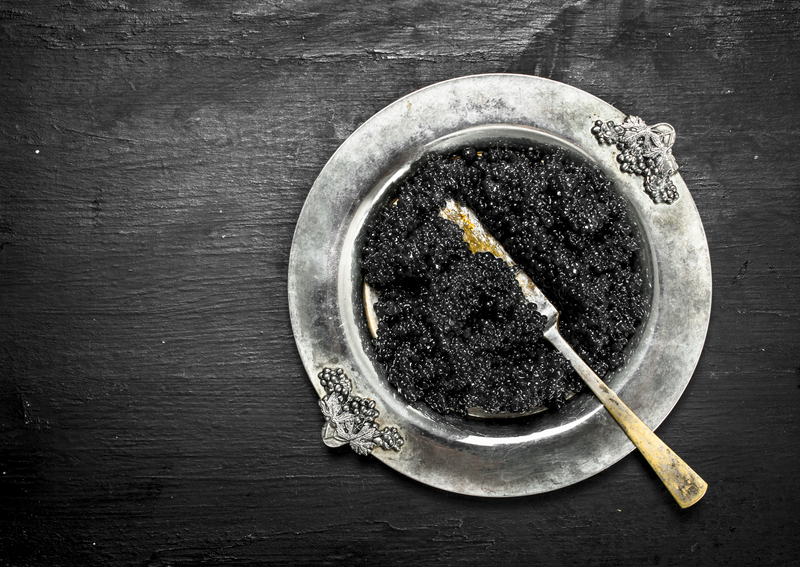


Caviar ranks among the most expensive foods in the world, often costing hundreds or even thousands of dollars per ounce. You might wonder why these tiny fish eggs command such extraordinary prices.
The answer involves biology, time, specialized labor, and genuine scarcity rather than luxury branding alone.
The main reason caviar is so expensive is that sturgeon fish take six to twenty years to mature before producing eggs, requiring farms to invest massive resources for years without any return.
During this time, producers must maintain pristine water conditions, provide specialized feed, and monitor each fish continuously.
This extended timeline sets caviar apart from nearly every other food product you can buy.
Beyond the biological constraints, the production process demands skilled craftsmanship at every stage. Harvesting, processing, grading, and preserving caviar requires precision that cannot be automated without destroying quality.
Understanding these factors will help you see why caviar prices reflect real production challenges, not just its reputation as a luxury item.
What Is Caviar?

Caviar refers to salt-cured fish eggs that come from sturgeon, a family of fish called Acipenseridae. While you might see various fish eggs labeled as caviar, true caviar must come from sturgeon specifically.
Definition and Origins
Caviar is sturgeon roe that has been carefully harvested and preserved with salt. The sturgeon family includes several species that have lived in Earth’s waters for millions of years.
These ancient fish primarily come from the Caspian Sea region, though you can now find sturgeon in other parts of the world.
The main types of true caviar come from these sturgeon species:
- Beluga – produces large, light-colored eggs
- Ossetra – offers medium-sized eggs with a nutty flavor
- Sevruga – has smaller, more intense-tasting eggs
- Kaluga – similar to Beluga in size and texture
You’ll also find American sturgeon caviar from the Pacific Northwest and California. These domestic options include white sturgeon, hackleback, and paddlefish varieties.
Caviar vs. Roe: Key Differences
Fish roe is the general term for all fully ripe fish eggs. You can find roe from salmon, trout, flying fish, and many other species.
Tobiko (flying fish roe) and trout roe are popular examples you might see at sushi restaurants.
The key difference is simple: all caviar is roe, but not all roe is caviar. True caviar must come from sturgeon fish only.
The FDA allows other fish eggs to be called caviar if the fish type is listed on the label, like “salmon caviar.” However, if a product says just “caviar” with no fish name, it must be sturgeon roe.
Sturgeon roe commands higher prices than other fish roe because of its rarity and unique taste. The eggs have a distinctive pop, buttery texture, and complex briny flavor that other roe types don’t match.
Types of Caviar and Their Price Differences

Different caviar types range from a few dollars per ounce to several hundred dollars. The species, age of the fish, and rarity determine what you pay.
Premium Sturgeon Caviar Varieties
Beluga caviar sits at the top of the price range, often costing $200 to $400 per ounce. This caviar comes from Beluga sturgeon that take 18 to 20 years to mature.
The eggs are the largest among sturgeon varieties, with a delicate texture and smooth, buttery flavor.
Osetra caviar typically costs $100 to $250 per ounce. These medium-sized eggs come from sturgeon that mature in 10 to 15 years.
You’ll notice a nutty, complex flavor that many consider the best balance of taste and value.
Sevruga caviar is smaller in egg size but still commands $80 to $150 per ounce. The sturgeon mature faster than Beluga or Osetra, around 7 to 10 years.
The flavor is more intense and briny.
White sturgeon caviar and American caviar from domestic farms offer similar quality at $50 to $120 per ounce. California and Idaho farms produce consistent, high-grade caviar from white sturgeon raised in controlled environments.
Non-Sturgeon and More Affordable Options
Paddlefish caviar costs $20 to $50 per ounce and resembles sturgeon caviar in appearance. The eggs are gray to black with a smooth texture.
While not true caviar by traditional standards, paddlefish roe offers a similar experience at a fraction of the cost.
Hackleback caviar ranges from $30 to $60 per ounce. This comes from a smaller sturgeon species native to American rivers.
The eggs are jet black with an intense, earthy flavor.
Salmon, trout, and lumpfish roe represent the cheapest caviar alternatives at $5 to $20 per ounce. These are not sturgeon products but provide the caviar experience for everyday use.
The eggs are often larger and the flavors more pronounced than true caviar.
Most Expensive Caviar
Almas caviar from albino Beluga sturgeon is the rarest and most expensive caviar in the world. Prices exceed $25,000 per kilogram, or roughly $700 per ounce.
This golden-colored caviar comes from albino sturgeon that are 60 to 100 years old.
The extreme age requirement means decades of care before harvest. Only a handful of these fish exist in caviar farms worldwide.
The flavor is exceptionally smooth and delicate, with almost no fishiness.
You’ll find Almas packaged in 24-karat gold tins. The scarcity and production timeline make this caviar accessible only to the most dedicated collectors and luxury establishments.
Scarcity of Wild Sturgeon and Conservation Challenges
 Wild sturgeon populations have dropped dramatically over the past century, pushing most species to the brink of extinction.
The severe decline stems from overfishing for caviar, habitat destruction, and environmental degradation, making sturgeon the most endangered group of fish species globally.
Endangered Status of Sturgeon Species
According to the International Union for Conservation of Nature (IUCN), sturgeons from the Acipenseridae family represent the world’s most endangered group of species. All 25 sturgeon species face some level of threat, with many listed as critically endangered.
The beluga sturgeon (Huso huso) stands as one of the most threatened species. This fish takes 14 to 20 years to reach sexual maturity in the wild, making population recovery extremely slow.
The sevruga sturgeon (Acipenser stellatus) faces similar challenges, with dwindling numbers throughout its native range.
These endangered sturgeon species share common vulnerabilities. They grow slowly, live long lives, and take many years before they can reproduce.
When you combine late sexual maturity with declining habitats, sturgeon populations cannot bounce back quickly from overfishing or environmental damage.
Declining Wild Sturgeon Populations
Wild sturgeon populations have collapsed due to intense overfishing driven by caviar demand. The high market value of caviar created both legal and illegal fishing pressure that wild populations could not sustain.
Poaching remains a persistent problem despite strict regulations.
Habitat destruction compounds the population crisis. Dams, river channelization, and dredging disrupt spawning grounds and juvenile rearing areas.
Pollution and climate change add further stress to already fragile populations.
These factors work together to prevent natural population recovery, even in areas where fishing has stopped. The decline affects entire ecosystems.
Rivers and coastal areas that once supported robust sturgeon populations now see minimal or zero reproduction rates.
Impact of Regulation and CITES
The Convention on International Trade in Endangered Species (CITES) lists sturgeon under Annexes I and II, placing strict controls on international trade. These regulations aim to protect wild populations by limiting or banning the sale of wild-caught caviar and sturgeon products.
Most EU countries have completely banned sturgeon fishing. Only a few countries like Russia, Canada, and the United States allow limited legal fisheries for specific quantities.
CITES requires that all traded caviar be labeled with origin information, helping to track legal products and combat poaching.
These regulations have made wild caviar nearly impossible to obtain legally. The limited supply combined with conservation restrictions has pushed prices even higher.
However, the regulations have succeeded in reducing fishing pressure on vulnerable wild populations, giving endangered sturgeon a chance at survival through aquaculture alternatives.
The Complex and Costly Caviar Production Process
 Caviar production demands specialized infrastructure, decades of patience, and expert craftsmanship at every stage.
From maintaining pristine aquaculture systems to hand-processing each grain of roe, the journey from sturgeon to tin involves constant investment and careful attention to quality.
Sturgeon Farming and Caviar Farms
Sturgeon farms require sophisticated aquaculture systems that recreate natural river conditions. You’ll find these facilities equipped with advanced filtration, temperature controls, and water quality monitoring that runs continuously.
Farm-raised caviar doesn’t mean cheap production. Caviar farms maintain strict biosecurity protocols to prevent disease.
The water must stay clean and oxygen-rich while specialists formulate premium feeds designed for sturgeon health rather than rapid growth.
The investment timeline separates caviar farming from other aquaculture. Depending on the species, your sturgeon won’t produce roe for 6 to 20 years.
Beluga sturgeon can take two decades to mature. During this entire period, farms pay for feed, labor, facility maintenance, and monitoring without generating any revenue from caviar sales.
Harvesting and Extraction Techniques
Harvesting caviar requires precision that you can’t automate without destroying quality. Skilled technicians evaluate each fish individually to determine optimal harvest timing based on egg size, texture, and fat content.
Traditional methods involve surgically extracting the roe sacs, which requires trained specialists. The process demands careful handling to avoid rupturing eggs or compromising quality.
No-kill caviar techniques have emerged as alternatives. These methods extract eggs through massage or small incisions while keeping the sturgeon alive.
While this approach supports sustainability, it still requires specialized expertise and adds complexity to the caviar process.
Processing, Grading, and Malossol Caviar
After extraction, processors rinse and separate the eggs by hand. Each batch gets sorted by size, color, and firmness.
This manual grading ensures consistency. However, it also drives up labor costs in a way that’s tough to ignore.
Malossol caviar uses minimal salt during curing, typically 3-5% by weight. The term malossol means “little salt” in Russian.
This light salting preserves the delicate flavor you expect from premium caviar. Unfortunately, it also shortens shelf life considerably.
Grading determines final pricing:
- Grade 1: Uniform color, firm texture, intact eggs
- Grade 2: High quality but less visual consistency
- Grade 3: Softer texture, broken eggs, suitable for cooking
Salt-cured roe must be handled gently throughout processing. The eggs remain fragile, and rough handling destroys their structure and market value.
Time and Effort: Maturation and Labor Requirements
 Caviar prices reflect years of waiting before any harvest occurs. Every step from raising sturgeon to packaging eggs requires specialized knowledge and cannot be rushed or automated.
Long Maturation Period of Sturgeon
Sturgeon take six to twenty years to reach maturity before producing any caviar. Beluga sturgeon, in particular, require up to two decades before their first harvest.
During this entire period, you’re paying for pristine water systems, specialized feed, veterinary care, and constant monitoring with zero revenue coming in. This waiting period makes caviar production one of the longest investment cycles in food.
You cannot speed up the process without damaging quality. Farms must cover operational costs for years or decades before selling a single tin.
Sturgeon also don’t produce roe on predictable annual schedules like many fish. Harvest timing must be exact to get the right egg size and texture.
Missing the window means lower quality caviar or complete loss of value. It’s a gamble every season.
Expertise and Hand Labor
Every stage of caviar production requires trained specialists. Harvesting roe demands surgical precision to avoid damaging delicate eggs.
Machines can’t handle this work without destroying quality. After harvest, workers separate, rinse, grade, and salt each batch by hand.
Eggs are sorted by size, color, and firmness to ensure consistency. This attention to detail creates the uniform texture you expect from premium caviar but dramatically increases labor costs.
Malossol caviar uses minimal salt to preserve natural flavor, which requires even more skill. Grade 1 caviar commands higher prices because workers must achieve visual consistency and balanced salinity.
This level of craftsmanship cannot be mass produced. It’s a process that resists shortcuts.
Risk and Investment in Farming
Modern caviar farms operate like research facilities with advanced filtration, oxygen control, and biosecurity systems. These installations cost significant money to build and maintain.
Feed formulations prioritize long-term sturgeon health rather than rapid growth, adding to expenses. You also pay for the risk farmers accept.
Caviar requires constant refrigeration between 28 and 32 degrees Fahrenheit from farm to your table. Any temperature deviation ruins the product.
If equipment fails, disease strikes, or shipments get delayed, entire inventories can be lost. Farmers factor this risk into caviar cost because one major loss can wipe out years of investment.
Responsible operations also invest in conservation and genetic diversity programs, which support sustainability but increase how much caviar costs you. It’s a balancing act between ethics and economics.
Quality Control, Grading, and Luxury Positioning
 Caviar pricing reflects rigorous quality standards and careful handling at every stage. The grading system separates premium caviar from lower tiers, while aging and storage requirements add cost that buyers absorb when they buy caviar.
Strict Quality Standards
Premium caviar undergoes multiple inspections before reaching your table. Experts examine each batch for egg size, color consistency, and firmness.
The eggs must remain intact without breaks or soft spots. Malossol caviar uses less than 5% salt, which preserves the natural caviar taste but requires perfect handling.
Any contamination or temperature fluctuation ruins the product. Grade 1 caviar meets the highest visual and textural standards, with uniform pearls and clean flavor.
Grade 2 remains high quality but shows slight variations in appearance or salinity. Imported caviar often travels thousands of miles under constant refrigeration.
Quality checks happen at the farm, before shipping, and upon arrival. This multi-stage verification process increases labor costs but protects your investment in a delicate product.
Aging and Storage
Caviar must stay between 28 and 32 degrees Fahrenheit from harvest through serving caviar. Specialized refrigeration equipment runs continuously at farms, distribution centers, and retail locations.
Any temperature deviation damages the eggs and creates off flavors. Some producers age caviar for several weeks to develop complexity.
This maturation requires dedicated cold storage space and careful monitoring. The risk of spoilage increases with time, so producers price aged varieties higher to cover potential losses.
Transport demands insulated containers and expedited shipping. A delayed shipment can destroy an entire order.
These logistical requirements add significant cost that standard seafood products don’t face. It’s a hidden expense, but a real one.
Luxury Status and Perceived Value
Caviar carries centuries of cultural prestige from Persian and Russian imperial courts. This history influences how restaurants and retailers position the product, but the luxury status rests on genuine scarcity and production difficulty.
Fine dining establishments serve caviar as a marker of quality and exclusivity. The presentation, specialized serving tools, and pairing recommendations reinforce the premium experience.
Marketing emphasizes rarity and craftsmanship rather than creating artificial scarcity. Demand from Michelin-starred restaurants and private collectors consistently exceeds supply of top grades.
This competition drives prices upward for the finest varieties. More accessible options remain available at lower price points, but the best caviar always sits in a class of its own.
Sustainability, Ethics, and the Future of Caviar
 The caviar industry has shifted from wild harvesting to farm-raised production. This addresses conservation concerns while raising new questions about ethical practices and long-term environmental impact.
Sustainable Caviar and Conservation Efforts
Wild sturgeon populations nearly collapsed due to overfishing and illegal poaching in the late 20th century. Many species faced extinction, particularly in the Caspian Sea where traditional caviar came from.
Modern aquaculture protects wild populations through:
- Controlled breeding programs that remove pressure from natural habitats
- CITES compliance and international conservation standards
- Traceable sourcing that prevents illegal wild harvest
Farm-raised sturgeon now account for most caviar production worldwide. These operations allow wild populations time to recover while meeting consumer demand.
The process takes patience—female sturgeon need 5 to 9 years to mature before producing roe. Sustainable farms use recirculating water systems and gravity-powered setups to minimize energy consumption.
Some operations near natural water sources create stone tanks that mirror wild ecosystems. These methods produce quality caviar while reducing environmental strain compared to wild harvesting.
Ethics of Modern Farming
Ethical caviar farming centers on fish welfare and open, honest practices. Certifications like Best Aquaculture Practices (BAP) can help you spot producers that actually care about humane treatment and sustainability.
Sturgeon raised in these environments have roomy tanks and consistently clean, temperature-controlled water. They’re fed a balanced diet and shielded from many of the pollutants that wild fish encounter.
This level of care often leads to healthier sturgeon—and, arguably, roe that tastes better. Still, the industry is under constant scrutiny regarding how farms operate and how caviar is harvested.
Some producers now provide full traceability, so you can find out exactly where your caviar came from. A handful even use blockchain tech to follow each batch all the way from the farm to your table, though it’s not yet widespread.
When done right, these farms can boost local economies by creating jobs in rural communities. Resource-efficient operations also tend to use less water and energy compared to traditional fishing, which is a promising shift.