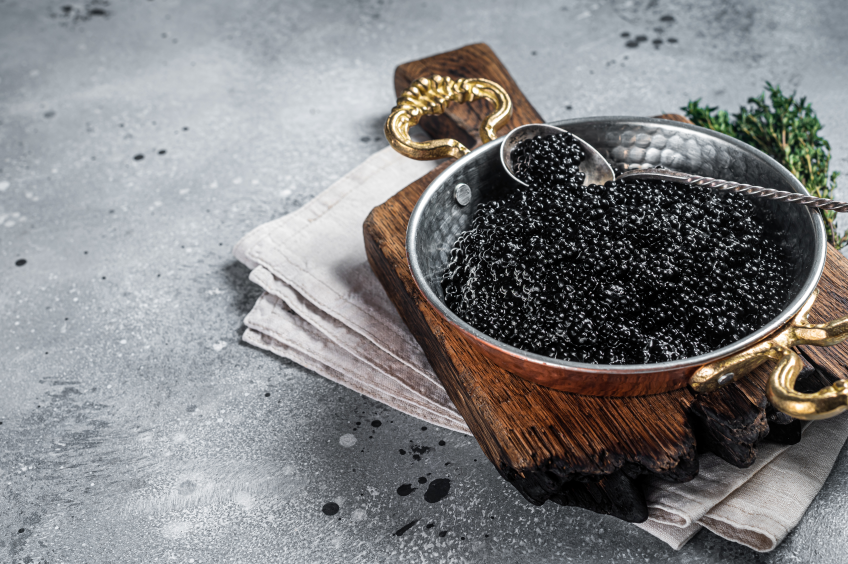

 Caviar costs much more than regular fish roe because it comes only from sturgeon fish, which are rare and take many years to mature.
While you can buy salmon roe or other fish eggs for a few dollars per ounce, sturgeon caviar can cost over $200 for the same amount.
The main reason caviar is so expensive compared to other roe is that sturgeon populations are limited, the fish take up to 20 years to produce eggs, and harvesting caviar requires careful, time-intensive work.
The difference between caviar and regular roe goes beyond just the type of fish.
Sturgeon face strict fishing restrictions because many species are endangered or threatened.
This scarcity drives up the price significantly.
Understanding Caviar and Roe
 The terms caviar and roe are often confused, but they refer to different products with distinct origins and characteristics.
True caviar comes exclusively from sturgeon fish, while roe encompasses eggs from any fish species.
Definition of Caviar and Fish Roe
Fish roe is a general term for the eggs of any fish or marine animal.
When you see roe at a restaurant or market, it could come from dozens of different species.
Caviar has a stricter definition.
It refers specifically to salted roe from sturgeon species.
This distinction matters because not all fish eggs can be called caviar.
The processing also differs between the two.
Caviar undergoes a careful curing process with salt that enhances flavor and preserves the eggs.
Fish roe may be prepared in various ways depending on the species and culinary tradition.
Sturgeon Species and True Caviar
Sturgeon are ancient fish that produce the eggs used for true caviar.
These fish take 8 to 10 years to reach maturity before they can produce roe.
Several sturgeon species produce caviar with different characteristics:
- Beluga sturgeon – produces large, light-colored eggs
- Osetra sturgeon – creates medium-sized eggs with nutty flavors
- Sevruga sturgeon – yields smaller, darker eggs
You’ll find sturgeon traditionally in regions near the Caspian Sea.
However, many sturgeon populations are now endangered due to overfishing and habitat loss.
This rarity drives up the price of authentic caviar significantly.
Types of Roe: Salmon, Trout, and Beyond
Salmon roe, also called ikura in Japanese cuisine, features large orange eggs with a mild flavor.
You’ll often see this roe on sushi or as a topping for rice dishes.
Trout roe resembles salmon roe but comes in smaller sizes.
It offers a similar taste profile at a lower price point.
Other popular fish roes include:
- Tobiko – flying fish roe with a crunchy texture
- Masago – capelin roe that’s smaller and less expensive
- Paddlefish roe – sometimes marketed as American caviar
These alternatives cost much less than sturgeon caviar.
While they provide similar visual appeal and briny flavors, they lack the specific qualities that make true caviar a luxury product.
The Role of Sturgeon in Caviar’s High Cost
 Sturgeon are the only fish that produce true caviar, and their biology directly drives up the price.
These ancient fish face serious threats from overfishing and habitat loss, which has made wild caviar extremely rare and expensive.
Scarcity and Endangered Status of Sturgeon
Most sturgeon species are now endangered or critically endangered.
Wild sturgeon populations have dropped by over 90% in the last century across their native ranges in Europe, Asia, and North America.
The beluga sturgeon, which produces the most expensive caviar, is critically endangered.
These fish have existed for over 250 million years but now face extinction in the wild.
Other high-value species like the osetra and sevruga sturgeon are also threatened.
This scarcity makes any caviar from these species incredibly valuable.
You cannot simply catch more fish to meet demand because the populations cannot sustain commercial fishing.
Impact of Overfishing and Conservation Efforts
Heavy overfishing in the Caspian Sea and Black Sea during the 20th century nearly wiped out wild sturgeon.
Illegal poaching continues to threaten the remaining populations.
International regulations now protect most sturgeon species.
The Convention on International Trade in Endangered Species (CITES) banned or severely restricted wild caviar trade starting in 2006.
Wild caviar from the Caspian Sea is essentially illegal to sell in most countries.
These conservation measures saved sturgeon from extinction but eliminated most wild caviar from the market.
The small amounts of legal wild caviar that exist command prices of $5,000 to $10,000 per pound or more.
Sturgeon Farming and Sustainable Practices
Sturgeon farming now supplies over 90% of the world’s caviar.
This shift protects wild populations but does not make caviar cheap.
Farm-raised sturgeon still take 6 to 20 years to mature before producing roe.
Farmers must invest in specialized water systems, high-quality feed, and constant monitoring for decades before harvesting any caviar.
Beluga sturgeon require the longest time, which is why beluga caviar remains the most expensive type even from farms.
Sustainable caviar farming requires careful breeding programs and biosecurity measures.
Responsible farms track genetics to maintain healthy populations and prevent disease.
These practices add significant costs but ensure long-term caviar availability without harming wild sturgeon.
The Production Process: Why Caviar Is More Expensive
 Caviar production demands years of investment, expert handling, and strict quality controls that regular roe products skip entirely.
These requirements transform sturgeon eggs into a premium product with costs built into every stage from fish maturity to final curing.
Time and Maturity Required for Sturgeon Roe
Sturgeon take significantly longer to mature than most fish used for roe.
Depending on the species, you’re looking at six to twenty years before the first harvest.
Beluga sturgeon can take two full decades to reach maturity.
During this entire period, farms must provide pristine water conditions, specialized feed, and constant monitoring with zero revenue.
Your caviar purchase reflects years of operational costs before a single egg is collected.
Most other fish used for roe mature in one to three years.
This means caviar producers carry financial risk and overhead costs that other roe operations never face.
The time investment alone explains much of the price difference between caviar and standard roe products.
Delicate Harvesting and Processing
Caviar harvesting requires surgical precision to avoid damaging the eggs.
Each sturgeon is evaluated individually, and timing must be exact to achieve the right egg size and texture.
Automation would destroy the product quality, so skilled labor is mandatory.
After harvest, workers hand-separate each egg from the membrane.
The eggs are gently rinsed and handled with extreme care.
Any rough treatment causes the eggs to break, rendering them unsellable as premium caviar.
This careful attention means caviar production can’t scale like other food products.
Your tin represents hours of specialized labor that cheaper roe products don’t require.
Grading, Sorting, and Quality Standards
Every batch of caviar undergoes strict grading based on egg size, color, firmness, and appearance.
Grade 1 caviar features uniform eggs with consistent color and texture.
Grade 2 maintains quality but lacks the visual precision demanded by top-tier buyers.
Workers sort eggs by hand to ensure each tin meets its grade standard.
This sorting process removes any damaged or irregular eggs that could affect the final product.
Only eggs meeting exact specifications make it into premium tins.
Standard roe products skip these intensive grading steps entirely.
Your caviar costs more because it represents only the best eggs from each harvest, with imperfect eggs sold as lower-grade products or discarded.
Curing Methods: Malossol and Preservation
Malossol caviar uses minimal salt, typically less than 5% by weight.
This light salting preserves the natural flavor of the eggs but shortens shelf life dramatically.
Producers accept higher spoilage risk to deliver superior taste.
The malossol method requires precise salt measurement and temperature control.
Too much salt masks flavor, while too little leads to rapid spoilage.
This precision demands expertise that standard salt-cured roe doesn’t need.
Salt-cured roe products use heavier salting, which extends shelf life but changes the flavor profile significantly.
The lower-cost curing method works for mass market products but doesn’t meet caviar standards.
Your premium caviar reflects the added expense of skilled curing and the acceptance of shorter viable selling windows.
Comparing the Cost: Caviar vs. Other Types of Roe
 The cost difference between caviar and other fish roe can range from modest to extreme, with some caviar varieties selling for ten times the price of salmon or trout roe.
Understanding these price variations helps you make informed choices when shopping for fish eggs.
Price Differences and Market Value
Caviar typically costs between $50 and $800 per ounce, while standard fish roe starts around $10 per ounce.
The caviar price depends heavily on the sturgeon species and quality grade.
Common Price Ranges:
- Salmon roe: $10-$25 per ounce
- Trout roe: $15-$30 per ounce
- Paddlefish caviar: $30-$50 per ounce
- Hackleback caviar: $50-$90 per ounce
- Beluga caviar: $200-$800+ per ounce
The market value reflects more than just the fish species.
Curing methods, grading standards, and presentation all affect the final cost of caviar.
Premium caviar undergoes careful salt-curing by trained experts who assess texture, color, and flavor.
Other types of roe receive less intensive processing, which keeps production costs lower.
Why Sturgeon Caviar Outprices Salmon and Trout Roe
Sturgeon take years to mature before producing eggs. A female sturgeon needs 7 to 20 years to reach egg-producing age, depending on the species.
Salmon and trout mature in just 2 to 4 years. The slow growth rate means farmers wait longer to see returns on their investment.
Sturgeon farming requires specialized knowledge and expensive facilities with precise water quality control. These fish need specific temperature ranges and habitats that cost more to maintain than standard fish farms.
Sturgeon also produce smaller egg yields compared to other fish. A single sturgeon might produce 10-20% of its body weight in eggs, while salmon can produce similar or higher percentages with much shorter growth cycles.
The combination of lengthy maturation and specialized care drives up caviar cost significantly.
Affordable and Alternative Caviar Options
You can find quality caviar alternatives without spending hundreds per ounce. Paddlefish caviar offers the closest taste to traditional sturgeon caviar at $30-$50 per ounce.
This American fish produces small, gray to black eggs with a smooth texture. Hackleback caviar from shovelnose sturgeon provides authentic sturgeon flavor for $50-$90 per ounce.
The eggs are small and intensely flavored, making them popular among caviar enthusiasts on a budget. White sturgeon caviar from California farms costs $60-$120 per ounce and delivers excellent quality.
The cheapest caviar still comes from actual sturgeon species, just from more abundant varieties or domestic farms with lower overhead costs.
Market Dynamics and Perception
 Caviar’s high price stems not just from production costs but from complex market forces, strict regulations, and centuries of cultural prestige that position it as a luxury item rather than ordinary fish eggs.
Supply, Demand, and Luxury Positioning
The caviar market operates on scarcity principles. Wild sturgeon populations remain critically low, and farmed sturgeon take 8 to 10 years to mature before producing eggs.
This limited supply meets steady demand from high-end restaurants and wealthy consumers who view caviar as a status symbol. Luxury goods pricing follows different rules than regular food items.
Caviar producers maintain premium positioning through controlled distribution, elegant packaging, and exclusive branding. When you buy caviar, you’re paying for the prestige attached to it.
The most expensive caviar varieties, like Beluga, can cost thousands of dollars per kilogram. This pricing reflects both genuine rarity and market positioning that keeps caviar in the luxury category.
Regular fish roe from salmon or trout sells for a fraction of the price because it lacks this cultivated status.
Regulation, Black Market, and Authenticity
International trade regulations restrict caviar sales to protect endangered sturgeon species. CITES (Convention on International Trade in Endangered Species) requires documentation for all caviar shipments.
These rules add compliance costs that increase your final purchase price. The caviar black market emerged from these restrictions.
Illegal caviar trade undermines conservation efforts and sells products without quality guarantees. You might find cheaper caviar through unofficial channels, but you risk getting mislabeled or poor-quality products.
Authentic caviar requires proper labeling that shows the sturgeon species, origin country, and harvest date. Reputable sellers provide this documentation, which adds administrative costs but ensures you get what you pay for.
Cultural, Historical, and Culinary Status
Caviar’s reputation as luxury food dates back centuries. Russian and Iranian royalty consumed it as a delicacy, creating associations with wealth and power that persist today.
This historical status affects how you perceive caviar’s value. Classic caviar service rituals reinforce its elite image.
High-end restaurants present it on mother-of-pearl spoons with specific accompaniments like blinis and crème fraîche. These traditions elevate caviar beyond simple fish eggs into an experience.
Your willingness to pay premium prices for caviar partly stems from this cultural programming. The product delivers unique flavor and texture, but the perception of luxury amplifies its value in ways that don’t apply to other fish roe.
Conclusion: The Real Reasons Behind Caviar’s Price
 Caviar costs more than regular roe because it comes only from sturgeon fish. The price reflects real challenges in production, not just luxury branding.
Time is the biggest factor. Sturgeon take 8 to 10 years to mature before they produce eggs.
During this time, farmers must invest in specialized equipment, water systems, and feed. You’re paying for years of care before a single egg is harvested.
Rarity drives costs higher. Wild sturgeon populations have declined due to overfishing and habitat loss.
This makes varieties like beluga caviar, osetra caviar, and sevruga caviar especially valuable. The beluga sturgeon is particularly rare, and albino beluga produces some of the most expensive caviar in the world.
The harvesting process requires expert skill. Farmers must extract eggs at the perfect time without damaging them.
Each batch gets inspected for color, size, texture, and flavor. Only the best quality makes it to market.
Additional costs include:
- Strict regulations on wild sturgeon fishing
- Specialized cold storage and rapid shipping
- Import duties and tariffs from traditional regions like Russia and Iran
- Sustainable farming practices and conservation efforts
In the end, caviar’s high price comes down to time, rarity, and expertise. From the many years required for sturgeon to mature to the careful harvesting, strict regulations, and specialized handling, every step adds real cost. What you’re paying for isn’t just a luxury label, but the patience, precision, and sustainability behind one of the world’s most carefully produced foods.