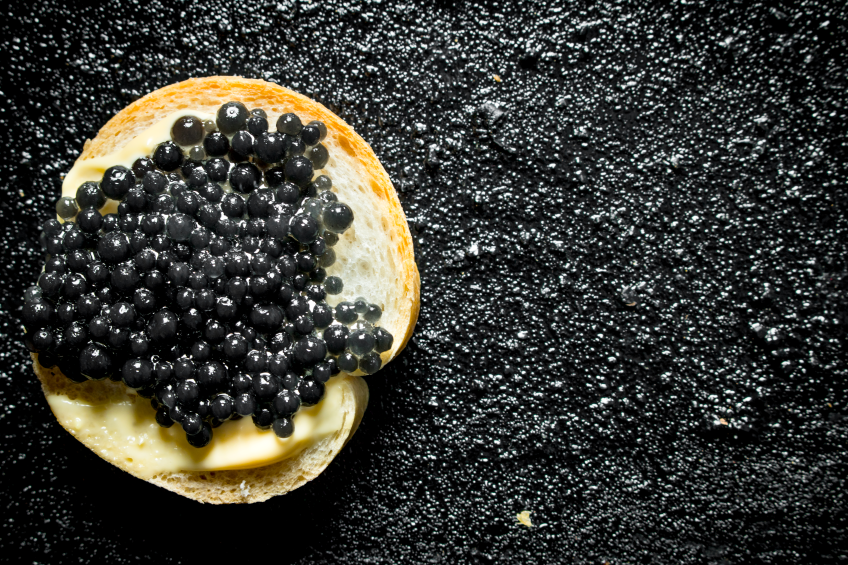

 Caviar has always carried a reputation as one of the world’s most luxurious foods. If you’ve ever tried to buy certain types in the US, you may have noticed some frustrating restrictions.
The US doesn’t ban all caviar, but it does heavily restrict caviar from endangered sturgeon species like Beluga, Ossetra, and Sevruga to protect these fish from extinction.
These rules became necessary after overfishing pushed many sturgeon populations to dangerously low numbers.
You might wonder why some caviar is available while other types remain off-limits or require special permits. The answer involves international agreements, species conservation efforts, and the growth of sustainable farming.
Knowing these regulations helps you make better choices when buying caviar. It also explains why you’ll spot such wide variations in price and availability.
This article walks you through the history behind caviar restrictions and which specific types face bans. It also covers how the industry adapted through domestic farming.
You’ll get a sense of the laws that govern caviar trade and what options exist for legally enjoying this delicacy today.
What Is Caviar and Why Is It Coveted?

Caviar is salt-cured roe from sturgeon fish, valued for its rarity and delicate flavor. This luxury food has deep historical roots and requires careful processing to maintain its quality.
Difference Between Sturgeon Caviar and Other Fish Roe
True caviar comes exclusively from sturgeon eggs, not from other fish species. While products labeled as salmon roe or trout roe exist, they aren’t traditional caviar.
The word caviar technically applies only to sturgeon roe that’s been salt-cured. Sturgeon species like Beluga, Osetra, and Sevruga produce the most sought-after types, each with distinct egg sizes, colors, and flavors.
Beluga produces the largest eggs and, unsurprisingly, commands the highest prices. Other fish eggs lack the specific texture and taste that set sturgeon caviar apart.
Sturgeon eggs have a delicate pop and buttery flavor that other roe simply can’t match.
Luxury Food Status and Historical Significance
Caviar’s history stretches back centuries to Persia, near the Caspian Sea. That region still produces some of the world’s most coveted caviar.
Russian tsars reserved the rarest golden caviar from sterlet sturgeon for their own tables. Over time, caviar became a symbol of wealth and sophistication across Europe and America.
The rarity of sturgeon, combined with the challenge of harvesting their eggs, pushed prices ever higher. Today, Beluga caviar can cost nearly $3,500 per pound—earning its “black gold” nickname.
Caviar appears at high-end restaurants and special occasions. Its status as a luxury food owes a lot to both its scarcity and the centuries of cultural significance attached to it.
How Caviar Is Produced and Processed
Producers harvest sturgeon roe when the eggs reach peak maturity. Female sturgeon can take 7 to 20 years to mature enough for quality eggs, which certainly adds to caviar’s value.
After harvest, processors carefully clean and grade the eggs. They cure the roe with salt using a method called malossol, meaning “little salt” in Russian.
The salt content usually ranges from 3% to 5%. Quality control happens at every stage, with experts inspecting egg size, color, firmness, and aroma.
The eggs must remain intact without breaking. Finally, processors pack the caviar in tins and refrigerate it immediately to preserve freshness.
The US Caviar Ban Explained
 The US hasn’t banned all caviar, but it does enforce strict rules about which types you can buy and sell. The main goal is to protect endangered sturgeon species, especially the Beluga sturgeon, from overfishing and illegal trade.
Protected Sturgeon Species and Legal Background
The US Fish and Wildlife Service enforces caviar regulations based on the Convention on International Trade in Endangered Species (CITES). In 2005, the US banned imports of Beluga caviar because Beluga sturgeon populations had dropped to critically endangered levels.
The ban made it illegal to bring in, sell, or distribute wild-caught Beluga caviar in the United States. CITES requires strict controls on international caviar trade.
All legal caviar must have proper permits and labels showing the sturgeon species, country of origin, and harvest year. The US Fish and Wildlife Service inspects shipments and prosecutes violations.
You can legally buy caviar from US-based sturgeon farms if they follow sustainable practices. The regulations don’t ban all caviar, just caviar from endangered wild sturgeon populations.
Types of Caviar Banned in the US
The ban targets caviar from critically endangered sturgeon species. Beluga caviar faces the strictest restrictions and is virtually illegal to import.
Ossetra and Sevruga caviar from wild populations also have heavy restrictions due to their endangered status.
| Sturgeon Species | Conservation Status | Legal Status in US |
|---|---|---|
| Beluga | Critically Endangered | Import banned |
| Ossetra | Critically Endangered | Highly restricted |
| Sevruga | Critically Endangered | Highly restricted |
| American White Sturgeon | Least Concern | Generally legal |
Caviar from farmed sturgeon or less-threatened species like American White Sturgeon remains legal if producers follow regulations. Farm-raised caviar is the main alternative now.
Impact of Overfishing and Habitat Loss
Decades of overfishing pushed many sturgeon species close to extinction. High demand led to harvesting faster than populations could recover.
Sturgeon take many years to reach maturity, which makes them especially vulnerable. Habitat destruction and pollution only made things worse.
Dams blocked sturgeon migration routes, and water pollution reduced suitable habitats for young sturgeon. The caviar ban aims to give endangered sturgeon populations time to recover.
Without these protections, species like the Beluga sturgeon would likely disappear. The restrictions have forced the industry toward sustainable farming instead of wild harvests.
Beluga Caviar: Focus on the Most Notable Ban
 Beluga caviar, sourced from the beluga sturgeon (Huso huso), represents the most significant caviar ban in US history. The 2005 import ban followed severe overfishing that pushed the species toward extinction.
One domestic producer eventually received special permission to sell beluga caviar legally, but that’s a rare exception.
How Beluga Sturgeon Became Critically Endangered
The beluga sturgeon (Huso huso) suffered a catastrophic population decline due to multiple threats. Overfishing for caviar devastated breeding populations, especially mature females.
Dam construction blocked migration routes to spawning grounds. Pollution from industrial and agricultural sources made breeding habitats unsuitable.
Illegal poaching continued even after regulations were in place, making conservation efforts even harder. US consumers played a major role, buying 60% of the world’s beluga caviar exports in the late 1990s.
Legal overharvesting and illegal poaching removed fish faster than they could reproduce. Beluga sturgeon take 15-20 years to mature, so recovery is painfully slow even when fishing stops.
Timeline of the Beluga Caviar Ban
The US government acted through the Endangered Species Act to protect beluga sturgeon:
| Year | Action |
|---|---|
| Late 1990s | Beluga sturgeon classified as endangered |
| 2004 | US Fish and Wildlife Service listed beluga sturgeon as threatened under the ESA |
| 2005 | Complete ban on beluga caviar imports from the Caspian Sea and Black Sea regions |
The 2005 ban prohibited the import, sale, and distribution of beluga sturgeon caviar in the US. Violators faced significant fines and penalties for breaking these rules.
At the time, no one had successfully farmed beluga sturgeon in the US. For a while, beluga caviar was simply unavailable legally within the country.
Mark Zaslavsky and Domestic Beluga Farming
Mark Zaslavsky changed the picture through his company Marky’s. He imported beluga sturgeon before the 2005 ban, which allowed him to start a domestic breeding program.
In 2019, Marky’s became the only company in the US to receive a federal exemption to sell purebred beluga caviar. The exemption was granted because the company had brought over the fish before the ban.
The caviar sold by Marky’s comes from farm-raised beluga, not wild-caught fish. This domestic production is the only legal source of beluga caviar in the US.
The exemption comes with strict oversight and compliance requirements to ensure the caviar is farmed, not wild.
International Regulations and Enforcement
 International agreements and US agencies work together to control caviar trade and protect endangered sturgeon. CITES sets global rules, while the US Fish and Wildlife Service enforces these regulations domestically and combats illegal caviar trafficking.
Role of CITES in Global Caviar Trade
The Convention on International Trade in Endangered Species (CITES) manages international caviar trade through a permit system tracking every legal shipment. Since 1998, CITES has required all countries to label caviar containers with details about the sturgeon species, country of origin, and harvest year.
CITES sets annual quotas that limit how much caviar each country can legally harvest and trade. These quotas aim to prevent overfishing and give sturgeon populations a chance to recover.
Countries must prove their caviar comes from legal sources before CITES approves exports. Both exporting and importing countries issue permits for caviar shipments, creating a paper trail from harvest to sale.
US Fish and Wildlife Service Enforcement
The US Fish and Wildlife Service enforces CITES regulations on American soil by inspecting shipments at entry ports and issuing permits for legal caviar imports.
Trying to import caviar without the right documentation, or from banned species, can lead to serious consequences.
The agency has the power to ban caviar imports from countries that don’t comply with CITES rules.
They also run regular inspections of retailers, restaurants, and distributors to ensure caviar being sold is actually legal.
Penalties for violations range from heavy fines to criminal charges and even imprisonment.
The service keeps an updated list of restricted sturgeon species, adjusting it as conservation needs change.
Sometimes, DNA testing is used to check if caviar labels truly match the product inside.
Efforts Against Illegal Caviar Trade
Law enforcement agencies around the world work together to fight caviar smuggling and black market sales.
Illegal trade puts sturgeon at risk, since poachers often ignore harvest limits and target endangered species for their eggs.
The US collaborates with international partners to share intelligence on smuggling routes and illicit operations.
Border officials receive specialized training to spot mislabeled or counterfeit caviar.
Technology like DNA analysis is increasingly used to confirm species identity and catch fraudulent sellers.
These enforcement efforts have nudged the market toward legal, farm-raised caviar.
Consumers can help by choosing caviar from reputable sources that offer clear sourcing information and proper labels.
Modern Solutions: Sustainable and Domestic Caviar
 The caviar industry has shifted, with sustainable farming practices and domestic production now the norm.
Legal caviar options are available that don’t threaten endangered sturgeon populations.
Sustainable Caviar Farming and Certification
Sustainable caviar farming relies on controlled aquaculture systems, raising sturgeon without impacting wild populations.
Farms carefully monitor water quality, temperature, and feeding to keep sturgeon healthy.
The Aquaculture Stewardship Council (ASC) certifies farms meeting strict environmental and social criteria.
Buying ASC-certified caviar means supporting farms that reduce pollution, protect ecosystems, and treat workers fairly.
Other certifications include Friend of the Sea and USDA organic labels.
Sturgeon farming isn’t quick—these fish take 7 to 15 years to produce eggs.
Modern farms often use hormone-based methods, allowing roe to be harvested without killing the fish, so a single sturgeon can produce caviar multiple times.
Alternative Caviar Options in the US
Domestic caviar production has grown since import restrictions began.
American white sturgeon, native to the West Coast, produces high-quality caviar and isn’t endangered.
California leads the way, with farms in the Sacramento Valley and elsewhere.
You can find several types of legal caviar in the US:
- American White Sturgeon – Mild, buttery flavor from US farms
- Siberian Sturgeon – Farm-raised alternative to restricted Caspian varieties
- Paddlefish – Native to the Mississippi River, similar to Sevruga
- Hackleback Sturgeon – Small, dark pearls with rich taste
- Trout Roe – Affordable option with bright orange color
These alternatives offer textures and flavors close to banned varieties.
Many chefs and consumers argue domestic caviar matches or even surpasses imported options in quality.
How to Identify and Buy Legal Caviar
It’s important to check caviar labels before buying.
Legal caviar must list the sturgeon species, country of origin, and harvest year.
Imported products should display a CITES code, confirming legal trade.
Purchase from reputable retailers who can verify their sourcing.
Ask about the caviar’s origin and look for sustainability certifications.
Steer clear of suspiciously cheap caviar or anything with vague labeling.
Key label elements to look for:
- Species name (scientific or common)
- Farm or wild-caught designation
- Production date
- Certification logos (ASC, Friend of the Sea)
- CITES permit number for imports
Price isn’t always a reliable indicator of legality or sustainability.
Transparency and proper documentation matter far more than cost.
The Impact and Future of the Caviar Industry
 Regulations have reshaped the global caviar market and spurred innovation in sustainable production.
Prices have climbed as wild sources declined, but farmed alternatives now provide legal options that support sturgeon conservation.
Economic and Cultural Effects of the Ban
The ban on certain caviar types forced the industry to change in the US and globally.
With the US as a major market, restrictions on species like Beluga created immediate supply gaps.
Traditional caviar houses had to seek new sources or switch to farmed products.
The regulations pushed producers to be more transparent, requiring clear labels with species and origin details.
This helps buyers verify what they’re getting, though it can feel like yet another hoop to jump through.
Prices for legal caviar rose after the bans, and some producers actually saw sales increase as farmed caviar became the main legal option.
Sterling Caviar, for example, reported a 10% sales jump in 2021.
In the UK, Exmoor Caviar sold out by the end of 2020.
Culturally, caviar has shifted from wild-caught luxury to a symbol of sustainable aquaculture.
Trends in Caviar Pricing and Availability
Caviar prices now depend on species, farming methods, and sustainability certifications.
Farmed options like American White Sturgeon are generally less expensive than rare wild-caught varieties.
The industry has expanded in regions with strong aquaculture operations.
US-based farms produce legal caviar that meets federal standards, while European producers have also grown to meet demand.
Supply chains are more regulated, requiring documentation to prove legality.
This oversight has raised costs but also helped protect wild sturgeon from illegal fishing.
Some types remain hard to find.
Beluga caviar, for example, can’t be legally bought in the US since Beluga sturgeon are critically endangered.
Farmed alternatives from Siberian or American White sturgeon have stepped in to fill that gap.
Outlook for Sturgeon Conservation and Aquaculture
Sturgeon populations are still under threat from habitat loss, pollution, and the effects of climate change. Shifts in water temperature and limited water availability aren’t just issues for wild fish—farmed sturgeon feel the impact, too.
While regulations have slowed the decline, the reality is that many sturgeon species remain endangered. It’s a tough situation, and progress sometimes feels slow.
Aquaculture does offer some hope for both conservation and commercial needs. With controlled environments, sustainable farms can raise sturgeon without putting extra pressure on wild stocks.
These operations pay close attention to water quality and use responsible feeding practices. It’s a careful balance, but it’s possible to get it right.
The future? It hinges on adaptive management. Some policies just don’t account for the unpredictable environmental changes that sturgeon habitats face.
There’s room for better frameworks, especially if the caviar industry wants to keep pace with climate-related challenges. Adjusting policies could make a real difference.
Supporting sturgeon conservation can be as simple as choosing only certified sustainable caviar. Organizations working in this field rely on ongoing funding and, honestly, more public awareness wouldn’t hurt either.
Responsible aquaculture is growing, which suggests the caviar industry can meet demand while also helping endangered sturgeon recover. The balance isn’t perfect, but it’s moving in the right direction.