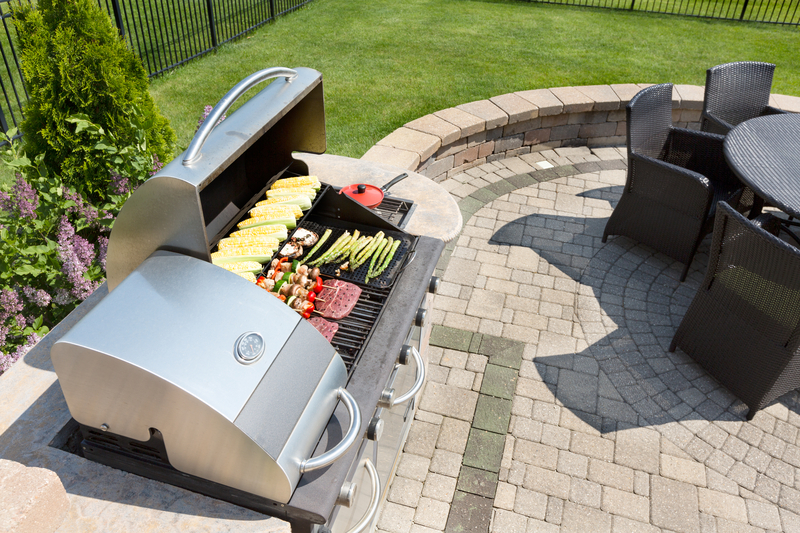


Built-in gas grills can cost thousands of dollars more than regular freestanding models. This price gap often surprises people shopping for their first outdoor kitchen.
You might wonder if these grills are really worth the extra money or if you’re just paying for looks. Built-in gas grills cost more because they use premium materials like military-grade stainless steel and require precise engineering for permanent installation.
They offer superior durability with components designed to last over a decade. The price also reflects better heat output, specialized design work, and the fact that most are manufactured in the USA with higher labor and material costs.
Understanding what drives these costs will help you decide if a built-in grill fits your needs and budget. This article breaks down the specific reasons behind the high prices and explores what you actually get for your investment.
You’ll learn about the differences between built-in and freestanding options. The technical features that justify the expense and the hidden costs of installation are also covered here.
What Sets Built-In Gas Grills Apart
Built-in gas grills differ from standard models through their permanent installation design. They offer seamless integration with outdoor kitchens and specialized construction that eliminates portable components.
Permanent Installation and Custom Fit
Built-in gas grills are designed to stay in one place. You can’t move them around your yard or take them with you if you relocate.
These grills require professional installation into a custom countertop or grilling island. The permanent nature means you need to plan carefully before installation.
Consider gas line connections, proper ventilation, and exact measurements for your space. The grill becomes part of your outdoor kitchen structure, built directly into stone, brick, or concrete countertops.
This custom fit approach requires precise measurements and professional expertise. Your outdoor kitchen designer will create a space that matches your grill’s exact dimensions.
Any mistakes in planning can lead to expensive corrections later. It’s worth double-checking before you start cutting countertops.
Integration With Outdoor Kitchens
Built-in grills serve as the centerpiece of complete outdoor cooking spaces. Your grill works alongside other features like side burners, refrigerators, and storage cabinets.
This creates a functional cooking area similar to your indoor kitchen. The seamless design offers a sleek, high-end appearance that standard grills can’t really match.
Your built-in bbq sits flush with surrounding countertops, creating clean lines and professional aesthetics. This integration adds value to your home and expands your entertainment options.
You gain access to multiple cooking zones and prep areas around your grill. The surrounding counter space lets you prepare food, serve guests, and keep cooking tools within reach.
Grill Head vs. Freestanding Models
Built-in grills use a grill head design instead of a complete unit with a cart. The grill head includes only the cooking box and burners—no legs, wheels, or side tables.
You purchase just the core grilling components. Freestanding gas grills come as complete packages with everything included.
They have built-in carts, storage shelves, and mobility features. Portable grill options and freestanding grills cost less because they use lighter materials and simpler construction.
Drop-in grills require separate purchases for the grill head and the surrounding structure. You pay for the grill itself plus the outdoor kitchen construction.
This split increases your total investment but gives you a permanent, weather-resistant cooking station. It’s a tradeoff between flexibility and long-term value.
Key Reasons for High Cost

Built-in gas grills command premium prices because of their superior materials, specialized engineering for permanent installation, and advanced cooking features.
These factors combine to create grills that typically cost two to three times more than freestanding models with similar cooking surfaces.
Premium Construction Materials
Built-in grills use stainless steel as their primary construction material. This isn’t the thin gauge steel you find on budget grills.
Premium built-in grills feature heavy-duty marine-grade stainless steel that resists corrosion from weather, heat, and grease. The type of stainless steel matters significantly.
Most quality built-in units use 304-grade stainless steel, while top-tier models use 316 marine-grade steel. These materials cost substantially more than the 430-grade stainless steel or painted steel used in cheaper grills.
You’re paying for components that last. The burners, heat plates, grates, and housing all use materials designed to withstand constant exposure to extreme temperatures and outdoor elements.
This construction ensures your grill operates reliably for many years without frequent part replacements. It’s an investment in durability, not just appearance.
Precision Engineering and Craftsmanship
Built-in grills require specialized engineering because they integrate permanently into outdoor kitchens. The design must account for proper ventilation, exact measurements for installation openings, and seamless connection to gas lines.
This precision engineering adds development and manufacturing costs. Your grill needs professional installation in most cases.
The unit must fit precisely into your outdoor kitchen structure with proper clearances for safety and performance. Engineers design these grills with specific insulation requirements to protect surrounding cabinetry from heat damage.
The manufacturing process involves more detailed assembly and quality control than freestanding grills. Each component fits together with tight tolerances to prevent gas leaks and ensure consistent performance.
Enhanced Performance Features
Built-in grills deliver superior cooking capabilities through advanced burner systems and heat retention technology. Many premium models include infrared burners or an infrared searing burner that reaches higher temperatures than standard burners.
These systems can hit 900°F or more for restaurant-quality searing. You get multiple cooking zones with independent temperature control.
Side burners, rotisserie kits, and warming trays expand your cooking options beyond basic grilling. These features require additional burners, motors, and controls that increase manufacturing costs.
The grate systems use heavier materials with better heat distribution. Premium models feature ceramic briquettes or metal heat diffusers that reduce flare-ups and provide more even cooking across the entire surface.
Installation and Integration Expenses
Built-in gas grills require professional labor and custom construction work that adds significant costs beyond the appliance itself.
You can’t just unbox and use a drop-in grill like a freestanding model. It’s a more involved process from start to finish.
Professional Installation Requirements
Installing a built-in gas grill requires licensed professionals who understand both appliance installation and local building codes. You need someone to cut precise openings in your countertop material, whether that’s granite, concrete, or tile.
The cutout must match your grill’s exact dimensions to ensure proper fit and support. Gas line installation represents another major expense.
Most permanent outdoor kitchens use natural gas rather than propane tanks, which means extending your home’s gas supply to the outdoor location.
This work requires a licensed gas fitter or plumber who can install the line safely and legally. The electrical work adds to your total cost if your grill includes features like rotisserie motors, internal lighting, or electronic ignition systems.
You need a qualified electrician to run weatherproof wiring from your home’s electrical panel to the outdoor kitchen location. Many areas require permits and inspections for both gas and electrical work, adding fees to your project budget.
Custom Enclosures and Surroundings
Your drop-in grill needs a custom-built structure to house it properly. This enclosure must accommodate the grill’s dimensions, provide adequate ventilation, and support the weight of the unit.
You’ll typically spend on materials like concrete blocks, steel framing, or specialized outdoor kitchen cabinets designed to withstand weather and heat. Stone or masonry work represents a substantial portion of your outdoor kitchen investment.
Countertop materials like granite, concrete, or tile must be cut, installed, and sealed around your grill head. You also need to factor in the cost of backsplashes, side panels, and finishing work that creates a seamless appearance.
The insulated jacket required for safe installation adds hundreds of dollars to your project. This protective barrier prevents heat transfer to combustible materials in your enclosure structure, but it’s a separate purchase from the grill head itself.
Technological and Functional Advantages
 Built-in gas grills include advanced systems that deliver precise cooking control and consistent results. These technological features separate premium models from basic freestanding grills through improved temperature management, heat distribution, and specialized cooking options.
Advanced Temperature Control Systems
Built-in grills use electronic temperature control systems that maintain heat within 5-10 degree ranges. Digital controllers with WiFi connectivity let you monitor and adjust temperatures from your smartphone during cooking.
Multi-zone heating systems provide independent control over different cooking areas. Premium models offer up to six separate burner controls so you can cook different foods at different temperatures simultaneously.
Each burner zone responds quickly to adjustments, giving you the same control that professional chefs use in commercial kitchens. Infrared burners generate intense, direct heat that exceeds 700°F for restaurant-quality searing.
An infrared searing burner creates a high-heat zone perfect for steaks while the main cooking area maintains lower temperatures. These burners use less fuel than traditional burners while producing more consistent heat output.
Electronic ignition systems with battery backup eliminate the need for matches or lighters. Multiple spark generators ensure each burner lights reliably every time you cook.
Superior Heat Distribution
Built-in grills achieve even cooking through engineered flame patterns and strategic burner placement.
Heavy-gauge stainless steel cooking grates absorb and distribute heat uniformly across the entire cooking surface, preventing hot spots that burn some areas while leaving others undercooked.
Double-wall construction with premium insulation maintains consistent temperatures throughout the cooking chamber. Heat shields and flavorizer bars position above the burners using computational fluid dynamics modeling to maximize heat transfer.
This design directs heat upward to the cooking surface while protecting burner tubes from grease and food debris. The enclosed firebox design retains heat better than open freestanding models.
This efficiency means you use less fuel to maintain cooking temperatures and get faster preheating times. It might not seem huge, but over time, the savings add up.
Special Cooking Add-Ons
Rotisserie kits with commercial-grade motors handle large cuts of meat through continuous rotation. A dedicated rotisserie burner provides rear-mounted heat that cooks evenly without requiring you to turn the food manually.
Variable speed controls let you adjust rotation rates based on what you’re cooking. Side burners extend your cooking capabilities beyond grilling.
These auxiliary burners work like stovetop elements for heating sauces, boiling water, or sautéing vegetables while your main course grills. Most built-in models include at least one side burner integrated into the cooking surface.
Grease management systems channel fats away from flames through engineered drainage slopes and collection points. This prevents flare-ups and makes cleanup easier.
Sealed burner boxes keep grease out of gas components, maintaining safety and extending the life of your grill. Warming drawers keep cooked food at serving temperature while you finish other items.
Integrated lighting systems with LED bulbs illuminate the cooking surface during evening use. Motion sensors activate lights automatically when you open the hood.
Comparing Built-In and Freestanding Gas Grills
Built-in grills and freestanding grills really stand apart in three main ways: how long they last, what you pay versus how flexible they are, and how they change your outdoor space’s look and value. These differences explain much of the price gap between the two grill types.
Durability and Lifespan Differences
Built-in gas grills typically last 10 to 20 years, sometimes even longer with good care. They use thicker stainless steel and heavier-duty parts meant for permanent outdoor use.
Their materials resist corrosion well, since manufacturers expect these grills to stay outside year-round. This really matters if you want a grill that holds up over time.
Freestanding grills, on the other hand, usually last 5 to 10 years. That depends a lot on the model and how well you keep up with maintenance.
They’re more exposed to weather because they sit on carts, not surrounded by cabinetry. The frames, wheels, and more affordable components tend to wear out faster.
Construction quality is a big factor. Built-in models use premium-grade stainless steel, often thicker than what you’ll find on freestanding units.
This choice in materials does raise the price, but it’s also why built-in grills keep performing for years. Freestanding grills need replacing more often, which can add up over time.
Cost Versus Portability
Freestanding gas grills are less expensive upfront. You just pay for the grill—no professional installation or custom cabinetry needed.
Most arrive ready to use after some basic assembly. It’s a pretty straightforward setup.
Built-in gas grills require a much bigger investment. There’s the grill itself, plus island construction, installation, and sometimes extra work for gas lines.
The total cost can end up several thousand dollars higher than a freestanding model. It’s something to keep in mind if budget is a concern.
But there’s a trade-off. Freestanding grills have wheels, so you can move them around, store them for winter, or even take them with you if you move.
Built-in grills stay put once installed. Moving them later would mean a major renovation, which isn’t exactly simple.
Aesthetic and Property Value
Built-in grills look seamless and integrated. They become part of your outdoor kitchen, not just another appliance sitting out back.
The surrounding countertop gives you dedicated prep space and makes the cooking area feel more finished. It’s a polished look that’s hard to beat.
Freestanding grills are standalone units with set designs. They work well enough, but don’t really offer the same visual integration or custom options.
You’re limited to whatever shelves and storage come with the cart. It does the job, but doesn’t have that custom feel.
For property value, built-in grills usually add more to your home’s resale price. A full outdoor kitchen with a built-in grill appeals to buyers looking for upscale outdoor living.
Freestanding grills rarely affect home value, since buyers can just bring their own. It’s a different kind of investment.
Additional Factors Influencing Price
 Price isn’t just about materials or construction. With premium built-in grills, you’re also paying for brand investment in customization, ongoing product development, and post-purchase support.
Customization and Brand Reputation
The brand name matters a lot in what you’ll pay for a built-in BBQ. Well-known manufacturers often charge more, since they’ve earned trust with years of reliable products.
Premium brands offer customization options that basic models can’t match. You might choose burner layouts, add custom lighting, or pick finishes that fit your outdoor kitchen.
These choices require brands to keep bigger inventories and handle more complex production. It’s not simple to offer all those options.
Brand reputation also means better quality control. Top manufacturers test grills several times before shipping, use certified materials, and rely on skilled workers.
All this attention to detail raises the cost, but it usually means a grill that lasts longer and performs better than cheaper alternatives.
Research and Development Investment
Companies that make built-in grills spend significant money developing new features and improving existing designs.
This research aims to create better heat distribution, more efficient fuel use, and safer operation.
Engineers test different burner designs and experiment with new materials.
They also develop features like infrared technology or smart temperature controls, which aren’t exactly simple to implement.
These improvements require expensive testing equipment and specialized staff.
The cost of this research gets spread across all units sold, so naturally, it bumps up the price you pay.
Manufacturers often invest in developing accessories, like rotisserie kits tailored for their grills.
These additions need separate design work and testing to make sure they fit and function well with the main unit.
Ongoing Maintenance and Support
Quality manufacturers provide customer support that budget brands just can’t match.
You get access to knowledgeable technicians who can troubleshoot problems and order replacement parts quickly, which is reassuring.
Many premium built-in grills come with extended warranties covering parts and labor for several years.
This coverage means manufacturers have to keep parts in stock and train service technicians.
Built-in models often need professional installation and may require special gas line work or electrical connections.
Manufacturers usually provide detailed installation guides and support to help with proper setup.
Some brands offer seasonal maintenance services or cleaning tips specific to your grill model.
They stock replacement burners, grates, and other components for years after your purchase, which is a thoughtful touch but does add to the initial cost.
Premier Built-In Gas Grills – Exemplary Models That Define Quality and Performance
Blaze Outdoor Grill
 The Blaze Outdoor Grill, featuring a 32-inch stainless steel design and powered by natural gas, stands out as a premium choice in the world of BBQ grills.
Crafted for durability, its sleek stainless steel build not only adds a touch of elegance to your outdoor kitchen but also ensures resistance to rust and corrosion.
With advanced features and precision engineering, this grill delivers an exceptional grilling experience, making it a preferred option for those who appreciate both style and performance in their outdoor cooking appliances.
Napoleon Built-in Prestige 500 Grill
 The Napoleon Built-in Prestige 500 Grill, constructed with stainless steel, is a pinnacle of sophistication and functionality.
This premium built-in grill combines durability with a luxurious aesthetic, offering a seamless integration into outdoor kitchen spaces.
The Napoleon Prestige 500 stands out with innovative features, precise temperature control, and thoughtful design, showcasing a commitment to quality craftsmanship.
It is the preferred choice for grill enthusiasts who prioritize both style and high-performance in their outdoor cooking endeavors.
Lion Premium Grills 32″ Natural Gas Grill
 The Lion Premium Grills, a 32″ natural gas grill, is a powerhouse in outdoor grilling.
Crafted for optimal performance, this grill features durable stainless steel construction, ensuring longevity and resistance to the elements.
With its generous cooking space and precision temperature control, the Lion Premium Grills is designed to elevate your grilling experience.
Whether you’re a seasoned chef or a backyard enthusiast, this natural gas grill combines reliability and versatility, making it a standout choice for those who appreciate top-tier quality in their outdoor cooking appliances.