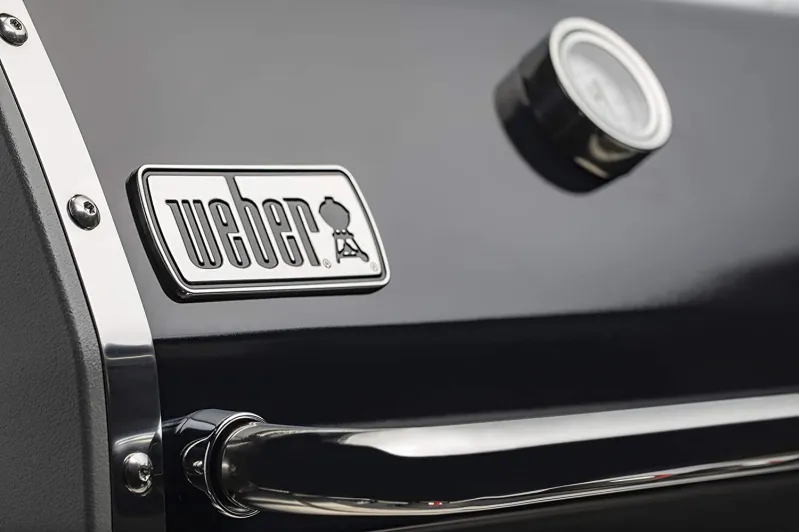


Weber barbecues have earned their reputation as one of the most trusted names in outdoor cooking. Ask any grill owner what makes these stand out, and you’ll hear about reliability, performance, and quality that actually lasts.
The company’s been making grills since the 1950s. Decades of experience have gone into perfecting their designs.
Weber grills are so good because they combine durable construction, consistent heat distribution, innovative features, and versatile cooking options that work for both beginners and experienced grillers.
The brand uses high-quality materials like porcelain-enameled steel, which resists rust and handles high temperatures.
Their grills also come with strong warranties and customer support that back up your investment. It’s not just marketing—they really do deliver on quality.
You’ll find Weber offers different types of grills to match your cooking style and budget. From the classic kettle to modern gas models, each one’s built with that same careful attention to detail.
The Legacy and Innovation of Weber
Weber transformed backyard cooking through smart engineering and timeless design principles. George Stephen’s 1952 invention sparked decades of continuous improvement that shaped how millions of people grill today.
The Story of George Stephen and the Kettle Grill
George Stephen worked as a sheet metal fabricator at Weber Brothers Metal Works in Chicago. In 1952, he grew frustrated with flat, open grills that let wind, rain, and uneven heat ruin his cookouts.
So he cut a metal buoy in half and added vents and a lid. That simple move created the first Weber kettle grill.
The dome-shaped design trapped heat and circulated it evenly around the food. It was a game-changer.
His invention solved real problems grillers faced everywhere. The lid protected food from weather and wind, and the rounded shape reflected heat from all angles.
Vents let you control temperature with surprising precision. The Weber kettle grill hit the market in 1952 and quickly became a backyard staple.
Evolution of Grill Design
Weber built on Stephen’s original concept with steady improvements over the years. They added features like ash catchers, adjustable vents, and hinged grates that just make life easier.
Eventually, they expanded beyond charcoal to gas and electric models. Each new design focused on heat control and durability.
Weber introduced different sizes to fit all kinds of spaces and cooking needs. Modern Weber grills even include smart tech—digital temperature controls and connectivity so you can monitor from your phone.
Weber’s Role in Popularizing Outdoor Cooking
Weber made grilling accessible to everyday families, not just experts. The kettle grill’s simple design meant anyone could learn quickly.
Weber grills became fixtures in American backyards throughout the 1960s and 1970s. The company provided clear instructions and recipes that actually helped new grillers feel confident.
Weber’s consistent quality meant your grill could last for years or even decades. That reliability helped outdoor cooking become a real tradition in plenty of households.
Exceptional Build Quality and Durability
 Weber BBQs are built with premium materials and strict manufacturing standards. That’s how they last for years.
Premium Materials and Construction
Weber uses high-quality materials throughout their grills to ensure long-lasting performance. The cooking grates are porcelain-enameled cast iron or stainless steel, so they hold heat well and resist rust.
The bowls and lids feature porcelain-enameled steel for weather protection and corrosion resistance. When you buy a Weber, you get components made to handle the outdoors.
The frames use powder-coated steel that resists chipping and fading. Even the handles and wheels are built with durability in mind.
Each component fits together precisely, so there are fewer gaps for moisture to sneak in. That attention to detail keeps your grill working season after season.
Porcelain-Enamel and Heavy-Gauge Steel Advantages
The porcelain-enameled coating on Weber grills does a lot. It stops rust and makes cleaning less of a chore.
Food residue wipes off way easier from the smooth surface compared to bare metal. Heavy-gauge steel forms the backbone of Weber’s build quality.
This thicker metal resists warping from high heat and doesn’t dent easily. The lid and bowl keep their shape over time, which helps with heat distribution.
The porcelain-enamel also protects against scratches and keeps the grill looking new. You won’t see the quick fading and chipping you get with regular paint finishes.
Rigorous Manufacturing and Quality Standards
Weber tests each grill design before it ever reaches your backyard. They put their products through temperature extremes, weather, and repeated use to spot weak points.
Their manufacturing process includes quality checks at multiple stages. Each weld gets inspected, and components are measured to exact specs.
Weber backs this up with comprehensive warranties. Many parts are covered for years, which shows they really believe their grills will perform over the long haul.
Superior Cooking Performance and Heat Control
Weber BBQs deliver consistent results with engineered heat distribution and temperature management. The design keeps temperatures steady and gives you control over different cooking zones.
Even Heat Distribution Across Cooking Zones
Weber grills use a kettle-shaped design that circulates heat around your food, kind of like a convection oven. This shape avoids hot spots and cold patches.
Heat flows evenly across the grill grate, so your burgers and steaks cook at the same rate—no matter where you put them. The burner systems on Weber gas grills spread flames evenly under the grates.
Multiple burners let you create different heat zones. You can sear steaks on one side and keep veggies warm on the other.
Weber charcoal grills have adjustable dampers that control airflow and heat. The lid design traps and reflects heat downward, surrounding your food with steady temperatures.
Precise Temperature Control Systems
Weber gas grills come with built-in thermometers, so you know exactly what’s happening inside. The control knobs adjust heat quickly, giving you instant response when you need it.
You can fine-tune each burner independently. That means multiple heat zones for different foods. The damper system on Weber charcoal grills lets you control heat by adjusting airflow to the coals.
Key Temperature Control Features:
- Built-in lid thermometers for accurate readings
- Individual burner controls on gas models
- Top and bottom dampers on charcoal models
- Quick heat adjustment response times
Heat Retention for Consistent Results
Weber grills hold heat efficiently thanks to thick porcelain-enameled lids and bowls. These trap warmth and prevent heat loss, even in cold or windy weather.
The closed-lid design creates an oven-like environment, keeping heat circulating. This really matters for indirect and low-and-slow cooking.
The tight-fitting lids also seal in heat and smoke. That’s a big deal when you’re smoking ribs or cooking big cuts that need time.
Advanced Grilling Features
Weber BBQs support both direct grilling and indirect cooking. You can sear steaks over high heat or roast chicken away from the flames.
The grill grates sit at the right height for proper heat transfer. Flavorizer bars on Weber gas grills catch drippings and vaporize them into smoke, adding flavor and protecting burners from grease.
If you’re into smoking, Weber charcoal grills let you use wood chunks for real smoke flavor.
Some Weber models include sear stations or side burners for specialized cooking. The grates give you those perfect sear marks, and you’ve got what you need for quick dinners or all-day barbecue sessions.
Diverse Range of Grills and Versatility

Weber makes grills for every style and outdoor space. They’ve got charcoal, gas, electric, and pellet options for both beginners and seasoned grillers.
Charcoal Grills: Classic Weber Experience
Weber charcoal grills are where it all started, and people still love them. The kettle design gives you both direct and indirect cooking in one grill.
The Original Kettle comes in sizes from 18 to 26 inches, so you’ve got plenty of cooking area for anything from a quick meal to a big cookout.
You can sear steaks right over the coals or use indirect heat for ribs and chicken. Weber charcoal grills include a one-touch cleaning system—just turn a handle and sweep ash into a removable pan.
Cleanup’s fast, so you can get back to grilling instead of scrubbing.
Gas Grills: Convenience and Technology
Weber gas grills are all about quick startup and precise heat control. You just turn a knob to adjust the temperature—no charcoal fuss—so you can get dinner going fast, even on a busy weeknight.
The Genesis and Spirit lines have multiple burners for different heat zones. Sear burgers over high heat on one side, while veggies cook gently on the other.
Weber gas grills come with built-in thermometers, side tables, and tool hooks. Many models feature Flavorizer bars that catch drippings and create smoky flavor. You’ll find everything from compact two-burner grills to six-burner beasts for feeding a crowd.
Gas ignition systems light up reliably. The burners spread heat evenly across the surface, so you’re less likely to end up with burnt food in one spot and undercooked in another.
Electric and Pellet Grills: Modern Options
Electric grills are a lifesaver if you’re in an apartment or stuck with outdoor space rules. They just plug into a regular outlet and don’t make open flames, so most buildings are fine with them.
Weber’s electric models still give you those classic grill marks and decent flavor, minus the hassle of charcoal or gas. They heat up fast and keep temperatures steady for even cooking.
Pellet grills run on wood pellets, so you get the convenience of gas and a bit of wood-fired taste. A digital controller feeds pellets automatically to keep your set temperature. Grill, smoke, bake, roast—these units do a bit of everything.
Portability and Cooking Area Considerations
Weber has portable grills like the Smokey Joe and Q series for camping, tailgating, or tiny patios. These lighter models still deliver the same reliable performance as the big ones.
The cooking area really varies. Small kettles give you about 240 square inches—enough for four to six burgers. Larger models go up to 650 square inches, so you can grill for a whole party or handle a couple racks of ribs at once.
Portable models are easy to move, with folding legs and lightweight builds. Full-size grills have wheels for rolling around your deck or patio. Whether you’re cooking for one or twenty, Weber’s got something that’ll fit your space and style.
Advanced Grill Features and Accessories
Weber grills stand out thanks to features that make grilling easier and more precise. There are built-in thermometers, solid ignition systems, expanded cooking stations, and accessories that really let you experiment.
Built-In and Smart Thermometers
Most Weber grills have built-in thermometers on the lid. You can check the grill’s internal temperature without lifting the lid and letting all the heat out.
Higher-end models come with Weber Connect technology. This smart system links to your phone so you can monitor grill and food temperatures from anywhere.
The iGrill thermometer works with many Weber grills. Stick the probe in your meat, and it sends updates to your phone. The app tells you exactly when your food hits the right temp, so you’re not guessing with chicken or steak.
A reliable thermometer means you don’t have to cut into your food just to check if it’s done. Your food stays juicy, and you get the results you want every time.
Ignition and Cleaning Systems
Weber’s GS4 Grilling System shows up on many gas models. It combines a strong ignition, improved burners, better grease management, and easy access to all the parts.
The Infinity Ignition system lights your grill fast, every time you turn the knob. No fumbling with matches or clicking over and over. Even in the cold, it usually works on the first try.
Weber’s one-touch cleaning system makes ash removal on charcoal grills simple. Just turn a handle and the ash drops into a removable catcher below. On gas grills, sloped grease trays direct drippings away from the burners into a pan you can pull out and clean.
These cleaning features save you time. You can tidy up after grilling in just a few minutes, not an hour.
Rotisseries, Sear Stations, and Side Burners
Many Genesis and Summit models add a side burner. It’s handy for sauces, sides, or just keeping food warm while you finish grilling. Makes it easier to cook everything outside, without running back and forth to the kitchen.
Sear stations on select models create a super-hot zone for steak or chops. The high heat gives you that perfect crust and locks in juices—honestly, it’s tough to beat for a good steak.
A rotisserie kit fits some Weber grills. The motor turns your chicken or roast so it cooks evenly and stays juicy. It’s a solid option for whole chickens or big cuts of meat.
Custom Grates and Cooking Accessories
Weber offers different grill grates for different needs. Cast iron holds heat and gives great sear marks. Stainless steel resists rust and cleans up easily. Porcelain-enameled grates are durable and less sticky.
Grill baskets keep small foods like veggies or shrimp from falling through. A pizza stone turns your grill into a pizza oven for crispy crusts—it really does make a difference. The stone spreads heat so your pizza cooks like it would in a brick oven.
For smoking, just add a smoker box with wood chips to your gas grill. The box sits over a burner and gives you smoky flavor without a dedicated smoker.
Weber’s grill brushes help keep things clean. Sturdy bristles or scraper designs knock off stuck food, and regular brushing keeps your grates in good shape.
Long-Term Value and Customer Support
Weber backs their grills with solid warranties and support that lasts long after you buy. Replacement parts are easy to find, and there’s plenty of help if you need it.
Warranty Coverage and Replacement Parts
Weber’s warranty coverage depends on the grill, but it’s usually pretty generous. Most kettle grills get a 10-year warranty on the bowl and lid. Gas grills often have 5 to 10 years on major parts like the cook box and lid.
Burners on gas models usually have a 5-year warranty. Smaller parts get 2 to 5 years, depending on what it is. That kind of coverage shows Weber trusts their build quality.
Need a part? No problem. Weber’s website, dealers, and hardware stores usually have what you need—even for grills that are decades old. If something breaks, you don’t have to toss the whole grill.
Resale Value and Longevity
Weber grills hold their value better than most. A well-kept Weber kettle or gas grill can sell for 40-60% of its original price, even after years of use. That’s mostly down to the brand’s reputation for durability and how long these grills last.
With proper maintenance, your Weber grill can easily last 10-15 years, sometimes longer. The materials fight off rust and weather, and the sturdy build stands up to regular use. Some owners keep the same grill for 20 years or more, swapping out a few parts along the way.
Weber’s Customer Service and Community Resources
Weber has customer support by phone, email, and live chat. Their website is packed with user manuals, maintenance tips, and troubleshooting for every grill they make.
Their social media and online community let you swap stories, get recipes, and pick up tips from other Weber fans. If you run into a problem, Weber’s support team is usually quick to help you out.
Grilling Classes and Knowledge Sharing
Weber runs grilling academies and occasionally puts on classes at certain locations. These hands-on sessions let you pick up everything from basic temperature tricks to some pretty advanced smoking techniques.
On their website, you’ll find free access to a huge stash of recipes, video tutorials, and step-by-step guides. Curious about grilling a tricky cut, or just want to keep your Weber in good shape? You don’t even have to leave your house to figure it out.
It’s a nice touch for anyone who wants to get better at grilling or just make the most of their grill.