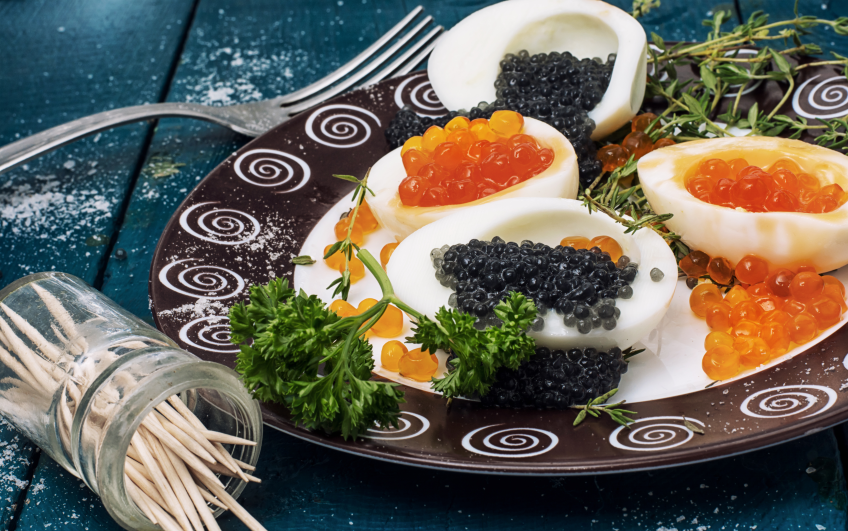

 Fish roe offers one of the most concentrated sources of omega-3 fatty acids you can eat. A single tablespoon of quality roe can deliver as much omega-3 as an entire salmon fillet.
This makes it a powerful option if you want to boost your intake of these essential fats.
Salmon roe stands out as the best choice for omega-3 content, providing exceptionally high levels of DHA and EPA in a small serving.
These are the specific types of omega-3 fatty acids your brain, heart, and eyes need most.
Other types of roe also offer good amounts, but salmon roe consistently ranks at the top.
This guide will walk you through the nutritional differences between popular types of roe. You’ll see why these omega-3s matter and how to pick quality options that fit your diet.
Understanding Omega-3 in Roe
 Roe contains concentrated amounts of omega-3 fatty acids that benefit your heart, brain, and overall health.
The specific types of omega-3s found in fish eggs differ in structure and function, making roe a unique dietary source compared to other seafood.
What Is Omega-3 and Why Is It Important?
Omega-3 fatty acids are polyunsaturated fats that your body needs but cannot produce on its own. You must get them through food or supplements.
These essential fats play critical roles in your body. They reduce inflammation throughout your system and support proper brain function.
Your heart benefits from omega-3s through lower triglyceride levels and improved blood pressure. Your eyes need these fats to maintain healthy vision.
Omega-3s also support your immune system and help regulate blood clotting. Research shows they may reduce your risk of heart disease, stroke, and certain mental health conditions.
Your brain tissue contains high concentrations of these fats, which is why they affect mood and cognitive function.
Types of Omega-3 Fatty Acids in Roe
Roe contains three main types of omega-3 fatty acids. EPA (eicosapentaenoic acid) and DHA (docosahexaenoic acid) are the two most important forms found in fish roe.
Your body uses these directly without conversion. ALA (alpha-linolenic acid) appears in smaller amounts in roe.
This form comes mainly from plant sources, and your body must convert it to EPA and DHA. This conversion process is inefficient, which is why EPA and DHA from roe are more valuable.
EPA primarily helps reduce inflammation and supports your cardiovascular system. DHA concentrates in your brain and retina, making it essential for brain development and eye health.
Both work together to protect your heart and blood vessels.
Roe as a Source of Omega-3
Fish roe ranks among the best natural sources of omega-3 fatty acids available. One tablespoon of salmon roe provides roughly the same amount of omega-3s as a three-ounce salmon fillet.
The omega-3 content varies by species. Salmon roe, hake roe, and lumpsucker roe contain the highest concentrations of EPA and DHA.
These varieties deliver more omega-3s per serving than many fish oil supplements. The fats in roe come in a natural form that your body absorbs easily.
Unlike some fish oil products, fresh roe doesn’t require processing that might damage the delicate fatty acids. You also get additional nutrients like vitamin B12, vitamin D, and selenium alongside the omega-3s.
Nutritional Comparison of Popular Roe Types
 Different types of fish roe vary significantly in their omega-3 content, vitamins, and minerals. Salmon roe leads in omega-3 concentration, while sturgeon caviar provides more iron and vitamin B12.
Smaller roe varieties like masago and tobiko offer their own nutritional benefits.
Salmon Roe (Ikura)
Salmon roe stands out as one of the richest sources of omega-3 fatty acids among all roe types. A 3-ounce serving delivers approximately 3 grams of total omega-3s, including both EPA and DHA in substantial amounts.
These bright orange eggs contain significantly more omega-3s than the salmon meat itself. You’ll also get 409% of your daily vitamin B12 needs in a 3-ounce portion.
Salmon roe provides impressive amounts of vitamin D, which supports bone health and immune function. The phospholipid form of omega-3s in salmon roe may be more easily absorbed by your body compared to other sources.
Each serving contains about 173 calories with 58% protein and 38% fat. The eggs are also rich in vitamins A and E, which act as antioxidants in your body.
Sturgeon Roe (Caviar)
Sturgeon caviar contains higher levels of vitamin B12, iron, and magnesium compared to other roe types. You’ll find it has less sodium than many other varieties, making it a better choice if you’re watching your salt intake.
The omega-3 content in caviar remains substantial but typically lower than salmon roe. However, caviar excels in mineral content and provides a concentrated source of essential nutrients in small portions.
Sturgeon roe contains more cholesterol than some other varieties. The smaller eggs have a different fatty acid profile that includes beneficial omega-3s in the form of EPA and DHA.
Caviar provides vitamin D and various B vitamins that support energy metabolism. The antioxidant content helps protect cells from damage.
Cod Roe
Cod roe offers a more affordable option while still providing omega-3 fatty acids. The omega-3 concentration is moderate compared to salmon roe but still contributes to your daily intake.
You’ll find cod roe contains good amounts of protein and vitamin B12. The phosphorus content supports bone health and energy production.
This type of roe has a milder flavor and softer texture than salmon roe. It contains vitamins A and D, though in lower amounts than salmon roe.
Cod roe provides EPA and DHA in balanced proportions. The cholesterol content is present but similar to other roe varieties.
Capelin and Flying Fish Roe (Masago, Tobiko)
Masago and tobiko are small, crunchy roe varieties commonly used in sushi. These eggs contain omega-3 fatty acids but in lower concentrations than salmon roe or caviar.
Tobiko typically has a higher omega-3 content than masago. Both provide protein, vitamin B12, and minerals like phosphorus.
You should note that these roe types often contain added sodium from processing. Some products include artificial colors or flavorings that add no nutritional value.
The small size means you often consume less by weight in a typical serving. Both varieties contain vitamins A and D along with antioxidants that support overall health.
Health Benefits of Roe-Derived Omega-3
 Omega-3 fatty acids from fish roe provide three major health advantages. These essential fats support your cardiovascular system by managing cholesterol levels, enhance your brain function and cognitive abilities, and reduce inflammation throughout your body including in your joints.
Heart Health and Cholesterol
The omega-3s in fish roe directly benefit your cardiovascular system. EPA and DHA work together to lower triglycerides in your blood, which helps reduce your risk of heart disease.
These omega-3 fatty acids can also help manage your blood pressure. When you consume roe regularly, the EPA content may contribute to slightly lower blood pressure readings.
This matters because maintaining healthy blood pressure reduces strain on your heart. Fish roe omega-3s support healthy cholesterol levels too.
They help balance your lipid profile by influencing both HDL and LDL cholesterol. The concentrated dose of omega-3s in a small serving of roe makes it easier to reach the amounts needed for heart health benefits.
Your blood vessels also benefit from these fatty acids. Omega-3s help keep your arteries flexible and reduce the buildup of plaque that can block blood flow.
Brain Function and Cognitive Support
DHA from fish roe is a key building block of your brain tissue. Your brain uses this omega-3 fatty acid to maintain cell membranes and support communication between brain cells.
Regular intake of omega-3s supports your cognitive function as you age. These fatty acids help protect against cognitive decline and support memory formation.
The high concentration of DHA in roe means you get more brain-supporting nutrients per bite compared to most fish meat. Your eye health connects to brain health through DHA too.
This omega-3 is found in high amounts in your retina and supports visual processing. Children and developing brains need especially high amounts of DHA.
Pregnant women who eat omega-3-rich foods like roe support their baby’s brain development during critical growth periods.
Inflammation and Joint Health
Omega-3 fatty acids from roe have anti-inflammatory properties that affect your entire body. EPA specifically works to reduce inflammatory compounds that cause pain and swelling.
Your joint health improves when you reduce inflammation. The omega-3s in roe can help reduce joint pain and stiffness, especially if you deal with inflammatory conditions.
This happens because EPA competes with inflammatory omega-6 fatty acids in your body. Joint mobility often improves with regular omega-3 intake.
Less inflammation means better joint function and easier movement. People with joint issues may notice reduced morning stiffness when they consume adequate omega-3s.
The anti-inflammatory effects extend beyond your joints. These fatty acids help reduce inflammation in your blood vessels, organs, and tissues throughout your body.
How Roe Compares to Other Omega-3 Sources
 Roe stands out among omega-3 sources because of its high concentration and unique form of fatty acids.
The way your body absorbs omega-3 from roe differs from supplements and plant sources.
Roe vs. Fish Oil Supplements
Fish oil supplements come in a few forms. You’ll see softgels, liquid fish oil, and even gummies on the market.
Most omega-3 supplements use either the triglyceride form or ethyl ester form. The ethyl ester form is cheaper to produce, but your body doesn’t absorb it as efficiently as natural triglycerides.
Roe offers omega-3 in phospholipid form. Between 40 and 70 percent of the DHA in salmon roe appears as phospholipids, mainly phosphatidylcholine.
Regular fish only contains about 1 to 3 percent of DHA in this form. That’s a notable difference if you’re comparing sources.
One tablespoon of salmon roe delivers roughly the same omega-3 content as a 3-ounce salmon fillet. This makes roe a more concentrated source per serving than most fish oil supplements.
With roe, you also get additional nutrients like vitamin B12, vitamin D, and vitamin A. It’s a more complex nutritional package than isolated omega-3 supplements.
Roe vs. Plant-Based Omega-3
Plant-based omega-3 sources include flaxseed, chia seeds, and algae-based supplements. These provide ALA (alpha-linolenic acid), which your body must convert to EPA and DHA.
This conversion is inefficient—only about 5 percent of ALA converts to EPA, and less than 0.5 percent becomes DHA. That’s not ideal if you’re aiming for direct benefits.
Roe gives you EPA and DHA directly, so there’s no need to rely on your body’s conversion process. Algae-based omega-3 supplements do provide direct DHA, making them the best plant-based option.
Still, algae supplements lack the broader nutrient profile you’ll find in roe. That’s a consideration if you’re comparing options.
Bioavailability of Omega-3 in Roe
The phospholipid form of omega-3 in roe is particularly beneficial for your brain. Phosphatidylcholine helps omega-3 fatty acids cross the blood-brain barrier more effectively than other forms.
This means the DHA from roe reaches your brain tissue with greater efficiency. It’s a subtle but important distinction.
Your body generally absorbs the natural triglyceride form in whole foods better than the ethyl ester form found in many processed supplements. Roe provides omega-3 as nature packages it, without chemical modification.
The high bioavailability means you need less roe to get the same omega-3 benefits compared to standard fish oil supplements. That efficiency is hard to ignore.
Selecting High-Quality and Sustainable Roe
 Quality roe should come from sources that prioritize both environmental responsibility and product purity. Knowing which certifications matter and what safety standards to look for helps you make informed choices.
Choosing Sustainable Roe Varieties
Wild-caught roe from well-managed fisheries offers the best option for sustainability. Look for products with Marine Stewardship Council (MSC) certification, which ensures the fishery follows strict guidelines for healthy fish populations and marine ecosystems.
Friend of the Sea certification is another reliable indicator your roe comes from sustainable sources. This certification evaluates both wild-caught and farmed fish operations for environmental impact.
Alaskan salmon roe typically comes from well-regulated fisheries with strong conservation measures. These fisheries have quotas and monitoring systems to prevent overfishing.
Wild-caught salmon roe from Alaska often represents a more sustainable choice than roe from regions with less stringent fishing regulations. It’s worth asking about the source if sustainability matters to you.
Ask retailers about the origin of their roe. Products labeled as “100% wild-caught” and processed locally often have shorter supply chains and better traceability.
Certifications and Purity Standards
Third-party testing provides independent verification of quality and purity. Organizations like IFOS (International Fish Oil Standards), USP (United States Pharmacopeia), and NSF International test fish products for contaminants and verify omega-3 content.
GMP-certified facilities follow Good Manufacturing Practices, maintaining strict quality control during processing. These facilities must meet standards for cleanliness, documentation, and testing procedures.
Products with these certifications undergo regular testing to confirm their omega-3 levels and verify the absence of harmful contaminants. Not all roe products carry these certifications, but those that do offer greater assurance of quality.
Safety, Mercury, and Additives
Mercury levels in roe vary depending on the source fish. Salmon roe generally contains lower mercury levels than roe from larger predatory fish.
Third-party purity testing identifies mercury content and other heavy metals. It’s worth checking if you’re concerned about contaminants.
Some roe products contain additives like preservatives, artificial colors, or salt. Read ingredient labels carefully and choose products with minimal additives.
Pure roe should list only the fish eggs and possibly salt. Anything else is worth questioning.
Molecular distillation is a purification process that removes contaminants from fish oil products, though it’s less common for whole roe. Fresh or frozen roe that’s been handled and stored properly maintains its nutritional value without requiring extensive processing.
You can request third-party test results from manufacturers. Reputable brands usually make this information available to demonstrate their commitment to safety and quality.
How to Incorporate Roe for Optimal Omega-3 Intake
 Adding roe to your diet requires understanding proper portions and preparation methods to maximize omega-3 benefits while managing potential health considerations.
The right serving size and eating method can help you get the most nutrition from this food.
Recommended Serving Sizes
A typical serving of fish roe ranges from 1 to 2 tablespoons (about 15-30 grams) per meal. This amount provides approximately 1,000-2,000 mg of omega-3 fatty acids, depending on the type of roe.
You can eat roe 2-3 times per week to meet your omega-3 needs without exceeding sodium intake recommendations.
Each tablespoon of salmon roe contains roughly 240 mg of sodium, so monitor your total daily salt intake if you have blood pressure concerns.
For cholesterol management, stick to the lower end of serving recommendations. One tablespoon of roe contains about 94 mg of cholesterol.
If your doctor has advised you to limit dietary cholesterol, consult with them about appropriate portions for your specific needs.
Best Ways to Eat Roe
You can eat roe raw, which preserves all its omega-3 content and nutritional value. Fresh roe works well as a topping for crackers, blinis, or toast with a small amount of cream cheese.
Mix roe into scrambled eggs or omelets for a protein-rich breakfast. Add it to sushi rolls or poke bowls for a traditional preparation.
You can also sprinkle roe over salads or pasta dishes right before serving. Try not to overthink it—roe is surprisingly versatile in the kitchen.
Avoid cooking roe at high temperatures, as heat breaks down omega-3 fatty acids and reduces their health benefits. If you prefer warm dishes, add roe at the end of cooking or use it as a garnish on already-prepared foods.
Store fresh roe in your refrigerator at 32-39°F and consume it within 2-3 days of opening for best quality and food safety.
Potential Precautions and Considerations
Check that your roe comes from reputable suppliers who follow proper food safety standards. Look for products that have been properly refrigerated and handled to prevent bacterial contamination.
Pregnant women should consult their healthcare provider before eating roe due to potential mercury concerns and food safety considerations.
Some doctors recommend limiting or avoiding raw fish products during pregnancy.
Watch your sodium intake if you eat roe regularly, especially if you have high blood pressure or kidney disease.
Rinse roe gently under cold water before eating to remove some excess salt from cured varieties.
People with shellfish allergies should note that some roe products may contain cross-contamination risks depending on processing facilities.
Always read labels carefully and ask questions about sourcing and handling practices.