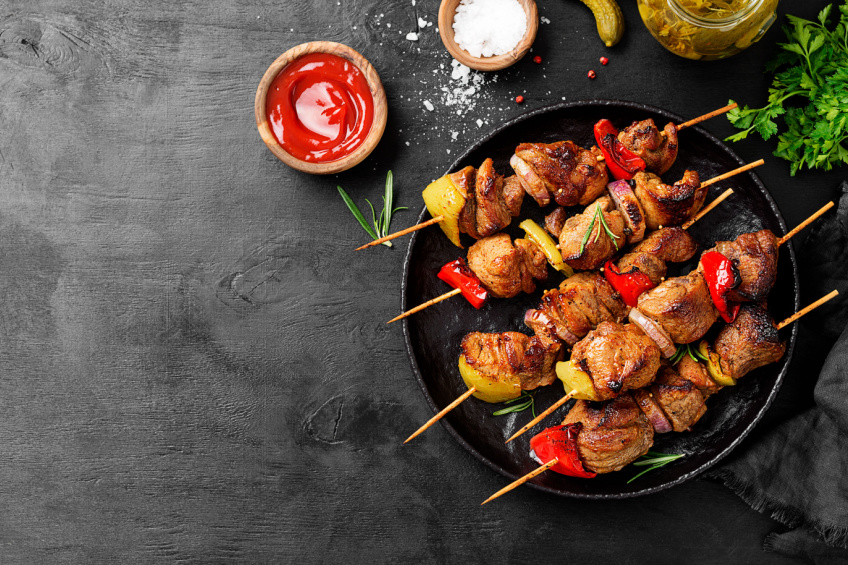

 The answer to which grill makes food taste better really depends on what flavor profile you’re after and how you like to cook.
Charcoal grills produce the strongest smoky flavor thanks to real smoke from burning coals and dripping fats, while gas grills offer cleaner-tasting food with more convenience, and pellet grills provide wood-fired complexity with better temperature control.
Each grill type brings something different—from the intense heat of charcoal to the precision of gas to the versatility of pellets.
The differences in taste stem from how each grill produces heat and whether it generates smoke. Charcoal burns hot, creating aromatic compounds that stick to your food.
Gas burns clean, so it doesn’t add much flavor. Pellet grills use compressed wood, adding smoky notes while keeping temperatures steady.
Even the materials your grill is made from can affect how your food cooks and tastes. That’s something people sometimes overlook.
Understanding how fuel sources, heat distribution, and cooking methods work together helps you pick the right grill for your needs. This guide breaks down what each grill type does best, how construction materials matter, and which techniques bring out the most flavor in your food.
How Different Grills Impact Food Flavor
 The grill you use changes how your food tastes through three main factors: the fuel that creates heat, how that heat spreads, and the smoke and chemical reactions that happen during cooking.
Fuel Source and Flavor Compounds
Your grill’s fuel source directly shapes the flavor compounds that form on your food. Charcoal burns at high temperatures and releases volatile organic compounds that stick to your meat and vegetables.
That’s what creates the smoky, rich taste people often expect from grilling. Gas grills use propane or natural gas, which burn cleaner than charcoal.
This means fewer flavor compounds reach your food. The heat source produces mostly water vapor and carbon dioxide, so you taste more of the actual food and less of the grill itself.
Pellet grills burn compressed wood pellets, combining elements of both charcoal and gas grilling. The wood releases aromatic compounds similar to charcoal but with more variety depending on the wood type.
You get flavor notes from hickory, mesquite, apple, or cherry wood mixed into your food. It’s a bit more nuanced than what you get from gas or charcoal alone.
Heat Distribution and Retention
Heat distribution determines how evenly your food cooks and where you get the best browning. Charcoal grills create intense radiant heat from glowing coals right below your food.
This direct heat makes hot spots that give you strong char marks and crusty edges. Gas grills spread heat more evenly through metal burners and flame tamers.
You get consistent temperatures across the cooking surface, helping prevent burning. The trade-off is less intense radiant heat for creating that charred flavor.
Ceramic kamado-style grills retain heat extremely well due to thick walls. They maintain steady temperatures and reflect radiant heat back onto your food from all sides.
Role of Smoke and Grilling Science
Smoke plays a major part in grill flavor by depositing particles on your food’s surface. Charcoal and wood pellets produce more smoke than gas, creating layers of taste that gas grills can’t match naturally.
The Maillard reaction happens when proteins and sugars in your food react at high temperatures above 300°F. This chemical process creates hundreds of new flavor compounds responsible for browning and the savory taste of grilled food.
All grill types can trigger the Maillard reaction, but the intensity depends on how hot your heat source gets and how well it maintains that temperature. Wood smoke adds phenols and other compounds that enhance the charred flavor beyond what the Maillard reaction alone produces.
Gas grills rely almost entirely on the Maillard reaction for flavor development. That’s a subtle but important distinction.
Charcoal Grills: Classic Smoky Taste
 Charcoal grills infuse food with a rich, smoky flavor that’s impossible to replicate with gas or electric alternatives. As the charcoal burns, it releases aromatic compounds that penetrate your food, creating that signature barbecue taste.
The type of charcoal and any added wood chips or chunks play a key role in shaping the flavor profile, while the grill’s high-heat capacity delivers perfect sears and caramelized crusts on meats and vegetables alike.
Weber Original Kettle Premium Charcoal Grill: Classic Flavor, Effortless BBQ
The Weber Original Kettle Premium 22-inch Charcoal Grill is a backyard essential for anyone who loves authentic, smoky flavor. Its porcelain-enameled bowl and lid ensure even heat, while the built-in thermometer keeps cooking precise.
Cleanup is easy with the One-Touch ash system, and the durable grates resist rust for long-lasting use. Stylish, reliable, and simple to use, the Weber Kettle turns every cookout into a memorable outdoor experience.
Flavor Profiles of Lump Charcoal vs Briquettes
Lump charcoal burns hotter and cleaner than briquettes, reaching temperatures above 1,000°F. This pure hardwood charcoal creates a subtle smoky taste without chemical additives.
It lights faster and produces less ash. Briquettes offer more consistent burning and longer cooking times.
They maintain steady temperatures, making them reliable for extended grilling sessions. The trade-off is a slightly more moderate smoke flavor compared to lump charcoal.
Lump charcoal works best when you need intense heat for searing steaks or when you want minimal ash interference with your grill grates. Hardwood charcoal varieties like oak provide a clean-burning option that lets the natural meat flavors shine through.
Briquettes excel for foods requiring longer cook times, like brisket. The uniform size and shape create predictable heat patterns across your cooking surface.
Wood Varieties: Mesquite, Hickory, and More
Hickory produces a strong, bacon-like flavor that pairs well with pork and beef. This wood creates dense smoke that penetrates meat effectively during cooking.
Mesquite delivers an intense, earthy taste with bold characteristics. Use it sparingly, as the strong flavor can overpower delicate proteins.
It works best with beef and game meats that can stand up to aggressive smoke. Oak offers medium-intensity smoke with balanced earthiness.
This versatile wood complements most meats without overwhelming their natural flavors.
| Wood Type | Flavor Intensity | Best Used With |
|---|---|---|
| Apple | Mild, sweet | Poultry, fish |
| Cherry | Subtle, fruity | Chicken, pork |
| Maple | Light, smooth | Vegetables, pork |
Adding wood chunks to your charcoal creates layered flavors. Soak them for 30 minutes before use to produce longer-lasting smoke.
Searing and High-Heat Cooking
Your charcoal grill creates superior searing conditions through intense radiant heat from burning coals. This high temperature triggers the Maillard reaction, forming a browned, crispy exterior with complex flavors.
Direct heat from charcoal produces distinctive char marks and caramelization on steaks and burgers. The grill grates heat up significantly, creating the contact points needed for professional-quality crust formation.
Two-zone cooking gives you control over both searing and finishing. Bank your coals on one side to create a hot zone for initial searing, then move food to the cooler side to finish cooking without burning.
Fat and meat juices dripping onto hot coals vaporize and create smoke that carries charred flavor compounds back to your food. This process builds depth that gas grills can’t quite replicate.
High heat works particularly well for thicker cuts. You can quickly sear the exterior while maintaining a juicy interior.
Gas Grills: Convenience and Consistent Results
 Gas grills excel at delivering reliable heat with minimal effort, making them the top choice for weeknight cooking. You get precise temperature adjustments through simple knob controls, and features like flavorizer bars and smoker boxes help you enhance the natural taste of your food.
Propane vs Natural Gas Taste
Propane and natural gas produce virtually identical flavors when grilling. Both fuels burn clean and don’t add smoky notes to your food the way charcoal does.
The main difference between them is convenience, not taste. Propane grills use portable tanks that you can refill or exchange at most gas stations and hardware stores.
Natural gas grills connect directly to your home’s gas line, so you never run out of fuel mid-cook. Most manufacturers like Weber offer models such as the Genesis E-325 in both propane and natural gas versions.
The clean-burning nature of gas means you taste the actual food rather than the fuel. This works well when you’re cooking delicate items like fish or vegetables where you want the natural flavors to stand out.
Flavorizer Bars, Smoker Boxes, and Enhancers
Flavorizer bars are angled metal plates that sit above the burners on many gas grills, including popular models like the Weber Spirit E-310. These bars catch drippings from your food and vaporize them, creating smoke that adds flavor back to what you’re cooking.
They also help prevent flare-ups by keeping grease away from the flames. A smoker box lets you add wood chips to your gas grill for extra smoke flavor.
You fill the metal box with soaked wood chips, place it directly on the grates or near the burners, and the chips smolder to produce smoke. This gives you some of the smoky taste associated with charcoal grilling.
Many high-end gas grills, such as the Napoleon Prestige Pro, feature infrared and rear burners that make it easy to heat sauces, keep food warm, or cook side dishes simultaneously. These additional burners add versatility, turning your grill into a complete outdoor kitchen.
Temperature Control and Precision Cooking
Gas grills give you precision temperature control through adjustable burners. You turn a knob and the heat responds immediately, unlike charcoal where you wait for coals to heat up or cool down.
This control helps you avoid overcooking or scorching your food. Most gas grills have multiple burners that you can set to different temperatures.
You might run one side on high for searing steaks while keeping the other side on low for warming buns. The Weber Spirit II models typically feature three burners for this kind of flexibility.
Built-in thermometers on the lid help you monitor cooking temperatures without lifting the cover and losing heat. You can maintain steady temperatures between 250°F for slow-cooking ribs and 500°F for searing burgers.
This consistency means your food cooks evenly every time you grill. It’s a major advantage when you want predictable results.
Pellet Grills: Wood-Fired Complexity
 Pellet grills use compressed wood pellets and digital technology to create distinctive smoky flavors while maintaining steady cooking temperatures. The combination of real wood fuel and automated controls sets these grills apart from gas and charcoal options.
Wood Chips, Pellets, and Smoke Flavor
Wood pellets are compressed sawdust from hardwoods like hickory, mesquite, cherry, and apple. Each wood brings its own flavor profile to the table.
Hickory offers a strong, bacon-like taste. Apple gives a milder, sweeter smoke that’s less intense.
Unlike wood chips that burn up quickly, pellets burn slowly and provide steady smoke. They’re fed automatically into a firepot where they ignite and smolder, so you don’t have to fuss with refilling.
This steady burn creates continuous smoke throughout the cook. You end up with authentic wood-fired flavor—something gas grills just can’t quite deliver.
The smoke works its way deep into the meat, especially during long, slow cooks. Pellet grills shine with foods like brisket, ribs, and pork shoulder that really benefit from time and patience.
Digital Controls and Consistency
Your pellet grill relies on a digital controller to keep temperatures steady. You set your target, and the controller handles the pellet feed automatically.
This means you’re not stuck making constant adjustments. Temperature swings are minimal—most pellet grills hold within 5-10 degrees of your set point, which is hard to beat with charcoal.
Some grills now offer Wi-Fi connectivity for remote monitoring and control. You can check temps and tweak settings right from your phone, which is surprisingly convenient.
This tech makes pellet grills easier to use than traditional smokers, but you still get that genuine wood smoke flavor.
Traeger Pro 575 Wood Pellet Grill & Smoker — Smart, Versatile Outdoor Cooking
The Traeger Grills Pro 575 Wood Pellet Grill & Smoker brings a modern twist to outdoor cooking, seamlessly blending the rich, smoky flavor of traditional wood-fired grilling with advanced smart technology and all-around versatility.
Whether you’re slow-smoking ribs, searing juicy steaks, or cooking an entire family meal, this grill simplifies every step of the process. With its intuitive controls, WiFIRE® connectivity, and precise temperature management, it delivers consistent results every time, making it an ideal choice for both weekend BBQ enthusiasts and seasoned grilling pros.
Electric Grills: Simplicity and Modern Features
 Electric grills use heating elements instead of combustion, so you get clean heat without smoke or flames. Many modern models have advanced temperature controls and sometimes infrared technology, which changes how heat hits your food.
Flavor Differences with Electric Heat
Electric grills deliver a different taste than gas or charcoal options. The heat comes from electrical resistance, not burning fuel, so you won’t get that classic smoky flavor.
The upside? The natural flavors of your meat and vegetables can stand out more. You’ll taste the food itself, along with whatever marinades or seasonings you use.
Precision temperature control lets you set the exact heat you want and keep it there. That’s hard to match with other fuel types.
Some electric grills include wood chip trays or smoker boxes. These let you add a hint of smoke, but it’s not as bold as what you’d get from charcoal or pellets.
Heat distribution tends to be very even, which helps prevent hot spots and uneven cooking. You’re less likely to burn one side while the other stays raw.
Infrared Burners and Grilling Technology
Some electric grills use infrared burners that cook differently from standard elements. These burners emit infrared radiation that heats food directly, a bit like the sun on your skin.
Infrared technology hits higher temperatures than typical electric coils. That means better searing and those grill marks everyone wants on steaks and burgers.
The high heat triggers the Maillard reaction more quickly, so you get that browned, flavorful crust. Direct heat also means your food cooks faster and tends to stay juicier.
Infrared electric grills are a good choice for outdoor cooking when you want results that are closer to gas grill performance.
These burners maintain consistent heat across the surface and reduce flare-ups, since the heat source isn’t an open flame.
Ninja Outdoor Woodfire Pro XL — 4‑in‑1 Grill, Smoker & More for Modern BBQ Lovers
The Ninja Outdoor Woodfire Pro XL is a versatile outdoor cooking powerhouse that brings grilling, smoking, air frying and roasting together in one compact and portable unit — perfect for patios, decks, campsites, or balcony BBQs.
Unlike traditional charcoal or gas grills, this model uses electric power combined with real woodfire pellets to infuse your food with rich, authentic smoky flavour while giving you precise temperature control and easy operation
This setup gives you the convenience of electric power with authentic wood‑smoke taste, plus stable temperatures and easy start‑up (just plug in and go).
Comparing Grill Grates and Construction Materials
 The material of your grill grates affects flavor by changing heat transfer and searing ability. Different metals hold and spread heat in their own way, which impacts how your food turns out.
Stainless Steel vs Cast Iron
Cast iron grates retain heat better than anything else. When you drop cold meat on cast iron, the surface stays hot enough to create a proper sear.
This heat retention builds the brown crust that adds deep flavor to steaks and burgers. Stainless steel grates heat up fast but lose that heat more quickly, so they’re better for foods that cook fast.
Cast iron needs regular oiling to prevent rust, while stainless steel is naturally resistant to corrosion. Rusty grates can sometimes add off flavors, so maintenance matters.
Properly seasoned cast iron develops a natural non-stick surface, making it easier to flip food without tearing. The weight helps too—heavy grates press against the food, maximizing browning.
Grill Surface and Searing Zones
Sear zones use closer burner spacing or higher BTU output to hit temperatures above 500°F. These hot spots caramelize proteins and sugars fast, locking in juices and building complex flavors.
Thick grates in sear zones help maintain those extreme temps. Thin grates just can’t hold the heat long enough for a proper crust.
Bar spacing matters—a wider gap means more direct flame, but you risk losing small items. Multiple heat zones let you move food from high-heat searing to cooler finishing spots, which helps prevent burning and ensures a good sear.
Special Grill Types and Accessories
 Kamado grills use ceramic construction to hold heat longer than standard grills. Portable and large grills each solve different outdoor cooking needs, depending on your space and crowd size.
Kamado and Ceramic Grills
A kamado grill’s thick ceramic walls trap heat and moisture inside. You can keep steady temperatures for hours without adding more fuel.
Use a kamado for direct grilling, smoking, or even baking pizza. The ceramic helps food stay moist and releases heat gradually for a more even cook.
Kamado grills burn less charcoal than metal grills because they’re so efficient. They’re great for long cooks like brisket or pork shoulder, but can also sear steaks at high heat.
The tight seal and adjustable vents give you precise control over airflow and temperature, which is a real advantage.
Portable and Large Grills
Portable grills are small enough for camping, tailgating, or beach trips. Most portable grills weigh under 30 pounds and run on small propane canisters or charcoal.
The cooking surface is usually between 150 and 250 square inches—enough for two to four people. Large grills, on the other hand, offer 500 square inches or more, which you’ll want for feeding a crowd of eight or more.
Large grills often have multiple burners or heat zones, so you can cook different foods at different temps. During grilling season, your choice really depends on where you’re cooking and how many mouths you need to feed.
Portable grills fit on balconies or in a car trunk. Large grills stay put on the patio and handle bigger cuts like whole chickens or several racks of ribs at once.
Char‑Griller AKORN Kamado Charcoal Grill & Smoker — Affordable Kamado Versatility for Backyard BBQs
The Char‑Griller® AKORN® Kamado Charcoal Grill and Smoker combines the legendary heat‑retention and versatility of classic kamado grills with a more budget‑friendly, user‑friendly design.
Engineered to handle both intense high‑heat searing and slow, low‑and‑slow smoking, it gives you the freedom to cook everything from perfectly charred steaks to melt-in-your-mouth smoked ribs — all with consistent results and authentic charcoal flavor.
Cooking Techniques for Maximum Flavor
 How you cook matters just as much as the grill itself. Proper heat control, a good sear, and managing hot spots all improve your results, regardless of grill type.
Direct vs Indirect Heat
Direct heat means food sits right over the flame or coals. This is ideal for thin cuts like burgers, steaks, and veggies that cook fast.
High heat gives you char marks and speeds things along. Indirect heat is the opposite—food goes away from the heat source.
Turn on burners on one side of a gas grill or push coals to one side of a charcoal grill. The other side becomes your cooking zone, acting like an outdoor oven.
Indirect heat is best for thick cuts like whole chickens, pork shoulders, or ribs. These need time to cook through without burning outside.
Many grillers use a two-zone setup: sear over direct heat, then move to indirect to finish. It’s a reliable way to get both crust and doneness right.
Searing, Browning, and the Maillard Reaction
Searing forms a brown crust on meat thanks to the Maillard reaction. This chemical process creates hundreds of new flavor compounds when proteins and sugars meet high heat.
For a good sear, pat your meat dry with paper towels before grilling. Moisture just gets in the way of browning.
Heat your grill to at least 450°F for gas, or wait for charcoal to glow red with white ash. Place your food on the grate and let it sit for 3-4 minutes—resist the urge to move it around or press down.
The browning you see is flavor in progress. When a steak or chicken thigh is properly seared, it’ll release easily from the grates when it’s ready to flip.
Managing Flare-Ups and Heat Zones
Flare-ups occur when fat drips onto flames or hot coals. While a little flare can enhance flavor, larger bursts tend to burn your food and leave a bitter aftertaste.
If you’re using a charcoal grill, it’s wise to keep a spray bottle of water handy. For gas grills, simply move your food over to a cooler area and wait for the flames to subside.
It’s useful to set up distinct heat zones on your grill. On a gas grill, try setting one burner to high, another to medium, and leave one off altogether.
With charcoal, just pile more coals on one side and fewer on the other. Having these zones gives you some flexibility if food starts cooking too quickly—or just isn’t quite there yet.
Try to keep the lid closed whenever you can. Every time you open it, heat escapes, which can stretch out your cooking time more than you’d expect.