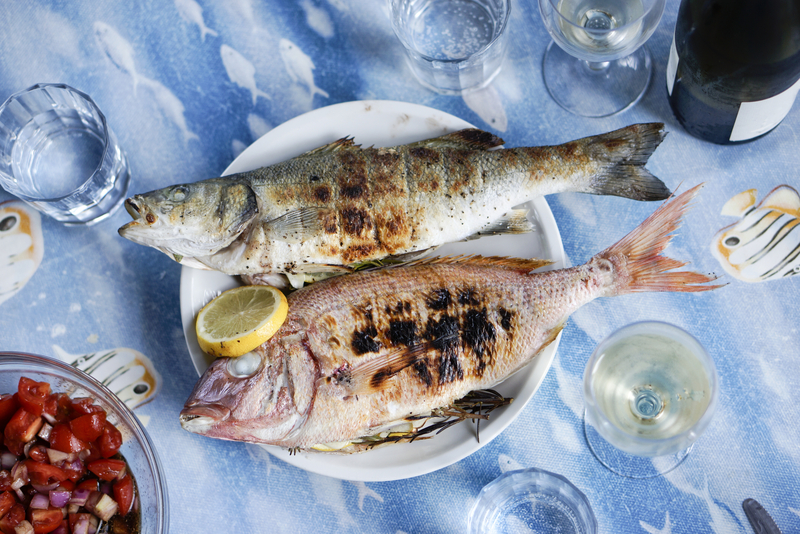


Grilling fish works best when you keep it simple and control the heat. You want clean grates, a hot grill, and fish that can hold together over the fire. Small steps in prep and setup decide whether the fish sticks, breaks, or turns dry.
The best way to grill fish is to use firm fish on a clean, oiled grill, cook it over steady medium-high heat, and flip it only when it releases on its own.
This approach protects the texture, keeps moisture inside, and builds clean grill marks without tearing the flesh.
You can sharpen your results by choosing the right cut, seasoning with care, and using the right tools. With a clear method for fillets, whole fish, and foil grilling, you gain control from the grill to the plate and serve fish that stays flaky, not fragile.
Choosing the Best Fish for Grilling

You get better grilled fish when you choose species that handle high heat, assess freshness carefully, and consider sourcing. Firm texture, proper fat content, and responsible harvest matter more than price or appearance.
Top Varieties for Grilled Fish
The best fish for grilling have firm flesh and enough fat to stay moist. These qualities help the fish hold together and develop clean grill marks.
Reliable choices include:
- Salmon: High oil content makes grilled salmon forgiving and flavorful.
- Tuna: Dense texture suits hot, fast cooking with a rare center.
- Halibut: Lean but firm; grilled halibut needs careful timing to avoid drying.
- Swordfish and mahi-mahi: Steak-like cuts that flip easily.
- Whole fish like branzino or snapper: Skin protects the flesh and adds texture.
Avoid very thin or delicate fillets unless you use a grill basket. Fish that flakes too easily often breaks apart during cooking.
Fresh vs. Frozen Fish
You can grill both fresh and frozen fish with good results if you handle them correctly. Frozen fish often delivers better consistency because processors freeze it at peak quality.
Fresh fish works well when you buy it close to the catch date and store it cold. Look for firm flesh and a clean smell.
Frozen fish must thaw fully before grilling. Pat it dry to remove surface moisture, which helps prevent sticking and steaming. For grilled tuna and grilled salmon, frozen portions often perform as well as fresh.
Assessing Quality and Sustainability
Quality affects texture, flavor, and cooking control. You should inspect fish before buying, even when pre-packaged.
Use this checklist:
- Flesh springs back when pressed.
- Color looks even, not dull or brown.
- Skin appears moist, not slimy.
- Whole fish have clear eyes and red gills.
Sustainability matters for long-term supply. Look for third-party labels or ask the fishmonger about sourcing. Wild and farmed options can both work for grilled fish when managed responsibly.
Key Takeaways
- Choose firm, thick fish like salmon, tuna, halibut, or whole fish for grilling.
- Frozen fish can grill as well as fresh when thawed and dried properly.
- Inspect texture, smell, and color to judge quality before cooking.
- Prefer responsibly sourced fish to support long-term availability.
Preparing Fish for the Grill

You get better grilled fish when you start with clean flesh, balanced flavor, and a dry surface. These steps reduce sticking, support even cooking, and improve taste in any grilled fish recipe.
Cleaning and Scaling Techniques
You should clean fish as soon as possible to keep the flesh firm and mild. Rinse the fish under cold water and remove any blood or loose bits inside the cavity.
Scale whole fish before grilling. Hold a scaler or dull knife at a slight angle and scrape from tail to head. Work over a sink or trash can to control the mess.
Trim sharp fins and rinse again to remove loose scales. For fillets, check for pin bones and pull them out with tweezers. Clean fish cooks more evenly and tastes better in grilled fish recipes.
Marinades, Seasonings, and Flavor
You should keep marinades simple and short. Acid-heavy marinades, like lemon or vinegar, can soften fish too much if left on too long.
Limit marinating time to 15–30 minutes for most fish. For firm fish like salmon or swordfish, you can go up to 45 minutes.
Dry rubs and seasonings work well for quick grilling. Use salt, pepper, and oil as a base, then add herbs or spices.
| Flavor Style | Common Seasonings | Best Fish |
|---|---|---|
| Simple | Salt, pepper, olive oil | Cod, halibut |
| Herb | Dill, parsley, thyme | Salmon, trout |
| Bold | Paprika, cumin, chili | Mahi-mahi |
Season right before grilling if you skip marinades. This method fits most grilled fish recipe styles.
Patting Fish Dry for Better Grilling
You should pat fish dry before it hits the grill. Moisture on the surface causes steaming and sticking.
Use paper towels to press gently on all sides of the fish. Pay extra attention to the skin if it is still attached.
Dry fish browns faster and releases more easily from the grates. This step matters even more when you grill over high heat.
After you pat fish dry, brush it lightly with oil. Oil helps seasoning stick and supports clean grill marks.
Key Takeaways
- Clean and scale fish fully to support even cooking and clean flavor.
- Keep marinades short and balanced to protect texture.
- Use simple seasonings for reliable grilled fish recipes.
- Pat fish dry before grilling to reduce sticking and improve browning.
Essential Tools and Grill Setup

You get better grilled seafood when you use the right grill, handle fish with proper tools, and prepare the grates correctly. Equipment choices affect heat control, texture, and how easily fish releases from the grill.
Choosing the Right Grill: Gas vs. Charcoal
A gas grill gives you steady heat and fast control. You can adjust burners quickly, which helps when cooking delicate fish fillets. Gas grills also make it easier to set up two heat zones for thicker cuts.
A charcoal grill adds stronger smoke flavor, which many people prefer for grilled seafood. You need more time to manage coals and heat levels, but the results suit firm fish like salmon or swordfish. Charcoal grills work best when you spread coals for indirect heat.
| Feature | Gas Grill | Charcoal Grill |
|---|---|---|
| Heat control | Precise and quick | Manual and slower |
| Setup time | Short | Longer |
| Smoke flavor | Mild | Strong |
Must-Have Grilling Accessories
You need a few tools to grill fish without tearing it. A fish spatula matters most because its thin, wide blade slides under fish cleanly. Standard spatulas often break fillets.
A grill basket helps with smaller or flaky fish. It keeps pieces together while still allowing heat and smoke to circulate. Tongs also help, but use them only for thicker cuts.
Keep a grill brush nearby. You should clean grates while they stay hot, before and after cooking. These tools reduce sticking and help you keep fish intact.
Core accessories to keep on hand:
- Fish spatula
- Grill basket
- Long-handled tongs
- Grill brush
Cleaning and Oiling the Grill Grates
Clean, oiled grates prevent fish from sticking. Heat the grill first, then scrub the grates with a grill brush to remove residue. Old food causes tearing and uneven browning.
After cleaning, oil the grates—not the fish. Dip a folded paper towel in high-heat oil and wipe the grates using tongs. This creates a thin barrier that helps fish release when ready to flip.
Do not over-oil. Excess oil drips and causes flare-ups, which can burn delicate fish.
Key Takeaways
- Choose a gas grill for control or a charcoal grill for stronger smoke flavor.
- Use a fish spatula and grill basket to keep fish from breaking apart.
- Clean hot grates thoroughly before cooking fish.
- Oil the grill grates lightly to reduce sticking and tearing.
Mastering the Grilling Technique

You achieve perfectly grilled fish by controlling heat, choosing the right grill setup, and handling the fish with care. These steps protect the flesh, improve grill marks, and prevent sticking or tearing.
Temperature Control and Timing
You get the best results when you grill fish over medium-high heat, about 400–450°F. This range sears the surface and cooks the inside without drying it out. Always preheat the grill for at least 10 minutes so the grates heat evenly.
You should follow thickness more than time. Grill fish for 8–10 minutes per inch of thickness, total. Thicker cuts need steady heat, while thin fillets cook fast and burn easily.
Use doneness cues instead of guesswork. The flesh should turn opaque and flake with light pressure. For safety, aim for an internal temperature of 145°F at the thickest point.
Direct vs. Indirect Heat
You should grill most firm fish directly over the flame. Direct heat creates clear grill marks and helps crisp the surface. Salmon, tuna, swordfish, and whole fish with skin handle this method well.
Use indirect heat for delicate or thick cuts that need slower cooking. This setup reduces scorching and keeps moisture inside the fish. Place the fish away from the flame and close the lid to hold steady heat.
| Method | Best For | Main Benefit |
|---|---|---|
| Direct heat | Firm fillets, skin-on fish | Strong grill marks |
| Indirect heat | Thick or delicate fish | Even cooking |
Flipping and Handling Fish on the Grill
You protect the fish by moving it as little as possible. Place fish on clean, oiled grates and let it cook until it releases on its own. If it sticks, it is not ready to flip.
You should grill fish skin-side down first when skin is present. The skin shields the flesh and adds structure. Flip only once, using a wide spatula or grill tongs for support.
Handle fish gently and with intent. Rough movement breaks the flesh and ruins presentation. Careful handling keeps the fish intact and helps you serve clean, even portions.
Key Takeaways
- Preheat the grill and cook fish at 400–450°F for controlled heat
- Match cooking time to thickness, not guesswork
- Use direct heat for firm fish and indirect heat for delicate cuts
- Grill skin-side down first and flip only once
- Let the fish release naturally before moving it
Special Methods: Whole Fish, Fillets, and Foil

You get the best results when you match the grilling method to the type of fish. Whole fish, fillets, and foil packets each need different heat control, prep, and handling to keep the fish moist and intact.
How to Grill Whole Fish
Grilling a whole fish works best with firm fish like snapper, trout, or branzino. You should clean and dry the fish, then score the skin to help it cook evenly.
Oil the fish and the grill grates to prevent fish from sticking. Place the fish on a hot grill over medium heat and cook with the lid closed. Start skin-side down and avoid flipping too soon.
Most whole fish cook in 12–20 minutes, depending on size. The flesh should turn opaque and pull away from the bone easily. A fish basket or foil under the fish can add control if you are new to this method.
Best Practices for Grilling Fish Fillets
Grilling fish fillets works best with thick cuts like salmon, tuna, or halibut. Thin fillets break easily and need extra care.
Preheat the grill and clean the grates well. Brush oil on both the fish and the grates to reduce sticking. Place the fillets skin-side down if the skin is on.
Cook over medium heat and flip once, using a wide spatula. Most fillets need 8–12 minutes total. Remove the fish when it flakes with light pressure and looks opaque through the center.
Foil Packets and Alternative Grilling Methods
Grilling fish in foil helps retain moisture and reduces breakage. This method works well for delicate fish like tilapia or cod.
Use heavy-duty foil or double layers. Lightly oil the foil, add the fish, and season it. You can include sliced vegetables for even cooking.
Seal the foil tightly to trap steam and place it on a medium grill. Most foil packets cook in 10–15 minutes. Open carefully to avoid hot steam, and check for doneness before serving.
Helpful comparison
| Method | Best for | Key benefit |
|---|---|---|
| Whole fish | Firm fish | Even cooking, strong flavor |
| Fillets | Thick cuts | Direct heat, quick cook |
| Foil packets | Delicate fish | Moisture control |
Key Takeaways
- Oil both the fish and grill grates to prevent sticking.
- Grill whole fish skin-side down and flip only once.
- Use foil packets for delicate fish or mixed fish and vegetables.
- Cook fish until opaque and flaky, not dry.
Serving and Pairing Grilled Fish

You get the best results when you pair grilled fish with simple sides, balanced sauces, and practical serving ideas. Smart storage and reheating also protect texture and flavor, especially for lean fish.
Tasty Sides and Sauces
You should serve grilled fish with sides that add texture without hiding the fish. Grilled vegetables like zucchini, asparagus, peppers, and corn work well because they share the same cooking method and timing. Light starches such as rice, couscous, or roasted potatoes help make the meal filling.
Use sauces sparingly and keep flavors clean. Lemon butter, herb yogurt, and salsa verde add moisture without overpowering the fish. For richer fish like salmon, a mustard or dill sauce fits well. For mild fish, citrus or tomato-based sauces add needed contrast.
Good pairings at a glance:
| Fish Type | Best Sides | Simple Sauces |
|---|---|---|
| Salmon | Grilled vegetables, rice | Dill yogurt, lemon |
| White fish | Potatoes, salad | Salsa verde |
| Tuna | Slaw, noodles | Soy-lime glaze |
Popular Grilled Fish Dishes
You can turn grilled fish into full meals with minimal extra work. A fish sandwich works best with firm fish like salmon or mahi-mahi. Use a toasted bun, crisp greens, and a light sauce to keep balance.
Fish tacos suit flaky white fish such as cod or tilapia. Warm tortillas, shredded cabbage, and a lime-based sauce add crunch and acid. Grilled fish also fits well over grains or salads for simple weeknight meals.
These dishes help you reuse the same grilled fish in different ways. You cook once and serve it in fresh formats across multiple meals.
Storing and Reheating Leftovers
You should store grilled fish in an airtight container in the refrigerator within two hours of cooking. Use leftovers within 2 days to avoid dryness and off flavors. Keep fish separate from sauces to protect texture.
Reheat gently to prevent overcooking. Use a low oven (275°F) or a covered pan over low heat. Add a small splash of water or oil to keep moisture. Avoid microwaving when possible, especially for lean fish.
Cold grilled fish also works well in salads or sandwiches. This option avoids reheating and keeps the texture intact.
Key Takeaways
- Pair grilled fish with grilled vegetables, light starches, and simple sauces.
- Use grilled fish in tacos, sandwiches, or grain bowls for flexible meals.
- Store leftovers for up to two days and reheat gently to avoid dryness.